
Reptile Health and Hygiene
Reptile health and hygiene products help owners maintain cleaner habitats and support sensible daily care routines for reptiles kept at home. This category can include enclosure cleaners, disinfectants, water conditioners, shedding support, supplements, mite care products, hygiene tools, feeding accessories and general reptile care items, depending on the products listed.
The right product should suit the species, enclosure type, substrate, diet and care routine. Reptiles have very different needs, so it is important to check product suitability, instructions, ingredients and usage guidance carefully before buying.
- Reptile Health and Hygiene
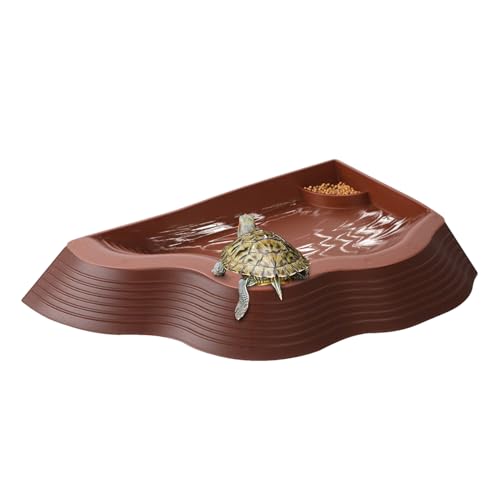
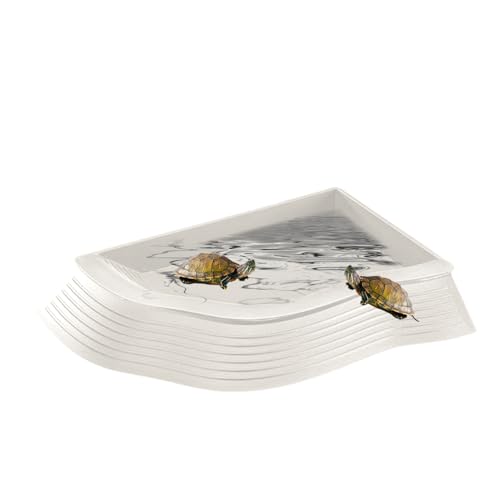
Turtle Water Dish Compact Dip Tray with Textured Base
£8.79 *View On Amazon* - Reptile Health and Hygiene
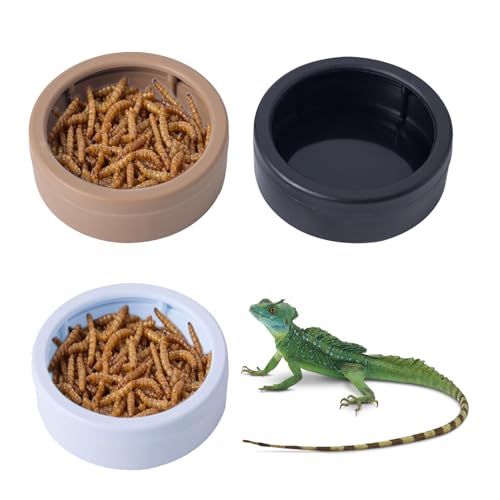
Generisch Reptile Feeding Bowl Set of 3 for Terrariums
£3.69 *View On Amazon* - Reptile Health and Hygiene
Turtle Waste Cleaner Suction Cup Reptile Waste Catching Device
£3.09 *View On Amazon* - Reptile Health and Hygiene
Generisch Reptile Water Bowl Set of 3 Terrarium Feeding Bowls
£7.59 *View On Amazon* - Reptile Health and Hygiene
Genérico Reptile Bath Pool with Ramp for Aquariums and Terrariums
£9.99 *View On Amazon* - Reptile Health and Hygiene
Happyyami 2pcs Pet Reptile Mat for Tortoise Habitat
£14.29 *View On Amazon* - Reptile Health and Hygiene
Reptile Feeding Box with Ventilated Design and Removable Drawer Tray
£14.79 *View On Amazon* - Reptile Health and Hygiene
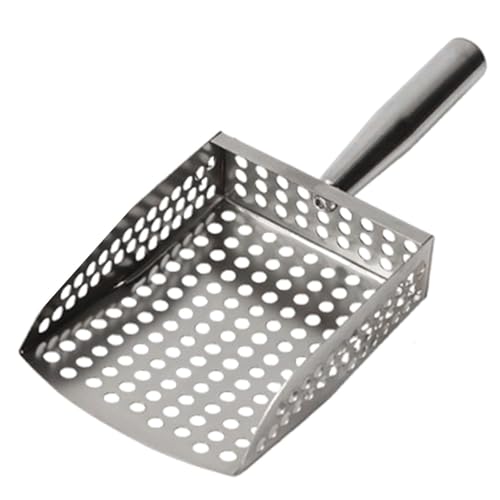
pistro Stainless Steel Reptile Sand Scoop with Mesh Hole and Handle
£10.98 *View On Amazon* - Reptile Health and Hygiene
Turtle Water Bowl Reptile Bath Pool with Climbing Area
£8.89 *View On Amazon* - Reptile Health and Hygiene
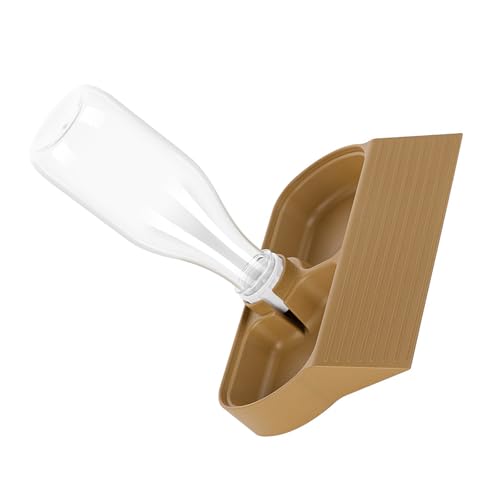
Zxfdsfdbnm Automatic Water Dispenser for Reptiles Feeding Bowl
£6.69 *View On Amazon* - Reptile Health and Hygiene
MZRAN Automatic Water Dispenser for Reptiles and Pet Dish
£5.99 *View On Amazon* - Reptile Health and Hygiene
ZYHARUKO Automatic Water Dispenser for Reptiles and Amphibians
£6.49 *View On Amazon* - Reptile Health and Hygiene
TOGEVAL 3-Piece Blue Pet Waste Clamp for Reptile Enclosures
£6.99 *View On Amazon* - Reptile Health and Hygiene
Raccoon Dragon Liner Terrarium Rug for Reptile Habitats
£10.99 *View On Amazon* - Reptile Health and Hygiene
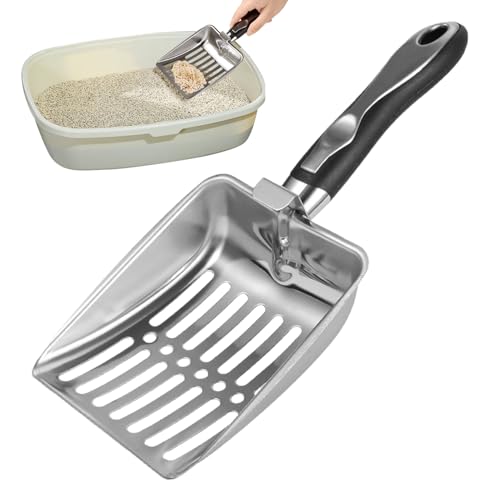
Stainless Steel Cat Litter Scoop with Sifting Design
£10.21 *View On Amazon* - Reptile Health and Hygiene
Turtle Poop Box ABS Waste Collector with Suction Cup Quick Release
£3.59 *View On Amazon* - Reptile Health and Hygiene
Générique Reptile Basin with Textured Ramp for Terrarium Use
£12.99 *View On Amazon* - Reptile Health and Hygiene
Reptile Shower Bath with Rotating Shower Head and Suction Mount
£13.19 *View On Amazon* - Reptile Health and Hygiene
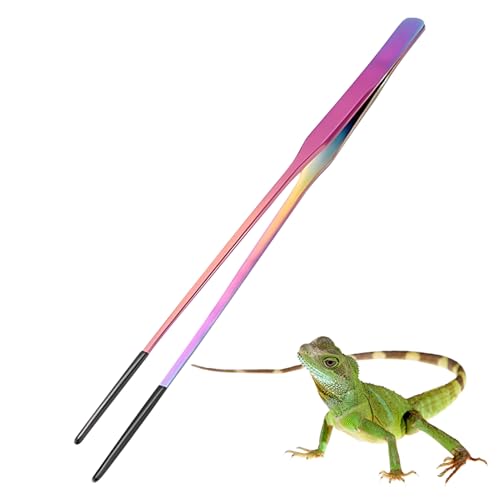
Terrarium Feeding Tongs 27 cm Tweezers with Comfortable Grip
£3.19 *View On Amazon* - Reptile Health and Hygiene
Generisch Reptile Bowl Set of 3 Mealworm Feeding Bowls
£6.49 *View On Amazon* - Reptile Health and Hygiene
Tortoise Catcher ABS Quick Release Aquarium Waste Catcher 4 Inch, 42 g
£4.19 *View On Amazon*













What Are Reptile Health and Hygiene Products?
Reptile health and hygiene products are items designed to help keep reptile enclosures, equipment and care routines cleaner, safer and easier to manage. They may be used for habitat cleaning, water treatment, surface disinfection, feeding hygiene, waste removal, shedding support, skin care, supplement routines or parasite related care where suitable.
Products can vary widely depending on the reptile and the purpose. A cleaner for terrarium glass is different from a reptile safe disinfectant, and a calcium supplement is different from a habitat hygiene product.
These products can support responsible reptile care, but they should not replace correct husbandry, suitable temperatures, humidity control, UV lighting where required, proper diet or veterinary advice.
What Are Reptile Health and Hygiene Products Used For?
Reptile health and hygiene products are used to help maintain clean enclosures, reduce waste build up, support feeding routines and manage everyday care tasks. They can be useful for snakes, lizards, tortoises, turtles, geckos, bearded dragons and other reptiles where the product is suitable for the species.
For enclosure care, cleaning sprays, disinfectants, wipes, scoops and tools can help manage waste, food residue and dirty surfaces. For daily health support, supplements, shedding products and water care items may be used where listed and where appropriate for the reptile.
Regular hygiene routines also make it easier to spot changes in behaviour, appetite, shedding, droppings, skin condition or movement that may need attention from a reptile or exotics vet.
How To Choose The Right Reptile Health Or Hygiene Product
Start by identifying the species you are caring for. A product suitable for a bearded dragon may not be suitable for a snake, tortoise, gecko, turtle or amphibian unless the listing clearly says so. Always check species suitability before use.
Next, think about the purpose. If you need to clean an enclosure, look for products designed for reptile habitats and surfaces. If you need dietary support, check whether the supplement matches the reptile’s diet, age and existing care routine. If you are dealing with illness, parasites, injury or ongoing symptoms, speak to a qualified reptile vet rather than relying only on home products.
Also consider the enclosure setup. Glass tanks, wooden vivariums, plastic tubs, water bowls, hides, branches, rocks, heat mats, lamps and substrate may all need different care methods. A product should suit the surfaces and accessories being cleaned.
Key Features To Compare
When comparing reptile health and hygiene products, look at intended use, species suitability, ingredients, application method, surface compatibility, safety guidance, pack size, storage instructions and whether the item is for daily, weekly or occasional use.
For cleaning products, check whether they are suitable for vivariums, terrariums, glass, decor, bowls, hides or other reptile equipment where stated. Some products may need rinsing, drying or removal of the animal before use, so instructions matter.
For supplements, compare calcium, vitamin, mineral or feeding guidance where listed. Dosage and frequency should be followed carefully, and supplements should match the reptile’s diet and husbandry needs.
For shedding or skin care products, check species suitability and use guidance. Poor shedding can sometimes be linked to humidity, hydration, temperature or health issues, so the wider setup should always be considered.
Hygiene Products Compared With Health Support Products
Reptile hygiene products usually focus on cleaning the enclosure and equipment. This can include disinfectants, glass cleaners, waste tools, water bowl cleaning products, substrate care items and odour control products where suitable.
Reptile health support products may focus on specific care needs, such as calcium, vitamins, hydration, shedding, skin condition or parasite related support where listed. These products often need closer attention to species, age, diet and instructions.
The trade off is important. Hygiene products help keep the habitat cleaner, while health support products are more closely linked to the animal’s wellbeing. Both need careful use, and neither can make up for poor enclosure conditions, wrong temperatures or unsuitable feeding.
Guidance For New Keepers Regular Keepers And Experienced Reptile Owners
New keepers should start with the basics: safe enclosure cleaning products, a suitable waste removal routine, clean water bowls and any species appropriate supplements recommended by reliable care guidance. Avoid buying specialist health products without understanding what they are for.
Regular reptile keepers may want to compare cleaning strength, ease of use, surface compatibility, supplement formats and how well products fit into weekly maintenance routines. Products used often should be practical, safe and easy to store.
Experienced reptile owners may prefer more specific products for different species, quarantine setups, breeding enclosures, planted vivariums or aquatic turtle tanks where suitable. They may also keep separate cleaning tools for different enclosures to reduce cross contamination risks.
For all keepers, good husbandry comes first. Temperature, humidity, UV lighting, diet, hydration and enclosure hygiene all work together.
Use Cases By Reptile Type And Habitat
For snakes, hygiene products can help maintain clean hides, water bowls and enclosure surfaces. Waste should be removed promptly, and cleaning products should be safe for the enclosure type where listed.
For lizards, health and hygiene products may include calcium or vitamin supplements where suitable, as well as cleaners for basking areas, food dishes and decor. Species such as bearded dragons, geckos and monitors can have very different care needs.
For tortoises, hygiene products can help manage food residue, water dishes and indoor enclosures. Supplements may be relevant where listed, but diet, lighting and outdoor access where suitable are also important considerations.
For aquatic turtles, water care, filter maintenance and safe cleaning routines are especially important. Products should be suitable for aquatic reptile setups where stated.
For humid or tropical vivariums, mould, waste and moisture need careful management. Choose cleaning and maintenance products that suit the plants, decor, substrate and animals in the enclosure.
Fit Compatibility And Practical Setup
Reptile health and hygiene products should match the enclosure, equipment and animal. A cleaner should be suitable for the surface being cleaned. A supplement should be suitable for the species and feeding routine. A water treatment product should match the tank or bowl use where listed.
If using disinfectants or sprays, check whether the reptile needs to be removed during cleaning and whether surfaces must be rinsed or dried before the animal returns. Always follow the product instructions rather than guessing.
For multi enclosure homes, label tools and products clearly. Separate feeding tongs, bowls, cleaning cloths and waste tools may help reduce the risk of spreading contamination between animals.
A practical setup may include a waste scoop, reptile safe cleaner, spare bowls, cleaning cloths, storage tub, thermometer, hygrometer and species appropriate supplement products where suitable.
Safety Hygiene Care And Storage
Reptile health and hygiene products should be used carefully and exactly as directed. Never use strong household chemicals, human medicines, dog products, cat products or general disinfectants inside reptile enclosures unless they are clearly safe for reptile use and the instructions support that use.
Store products securely away from animals, children, food, insects and live feed. Close lids properly after use and keep powders, sprays and liquids dry and protected from heat where required.
Wash hands before and after handling reptiles, cleaning enclosures, touching substrate or preparing food. Reptile enclosures and accessories should not be cleaned in areas used for human food preparation unless appropriate hygiene steps are followed.
If your reptile stops eating, becomes lethargic, loses weight, has abnormal droppings, struggles to shed, has swelling, wounds, breathing changes or unusual behaviour, seek advice from a qualified reptile or exotics vet.
Useful Accessories To Consider
Useful accessories can include reptile food bowls, water bowls, feeding tongs, substrate, thermometers, hygrometers, UV lamps, heat lamps, hides, cleaning cloths, waste scoops, storage boxes and vivarium decor where suitable.
For daily care, feeding tongs, clean bowls and a waste removal tool can make routine maintenance easier. For enclosure hygiene, a reptile suitable cleaner and dedicated cloths can help keep cleaning more organised.
For health support, species appropriate supplements, lighting and temperature monitoring equipment may be important depending on the reptile’s needs and the products available.
Why Buy Reptile Health and Hygiene Products From YPC?
At YPC, we understand active lifestyles and the need for practical products that work in real use. Reptile health and hygiene products can vary by species suitability, purpose, ingredients, surface compatibility, application method, storage needs and care guidance, so comparing the details helps you choose with more confidence.
YPC helps you browse reptile care products with real husbandry routines in mind, whether you are buying for enclosure cleaning, feeding hygiene, shedding support, supplement routines, water care or everyday habitat maintenance. Explore the Reptile Health and Hygiene category to browse the available options and compare the features that matter most for your reptile setup.
FAQs
What does Reptile Health and Hygiene include?
Reptile Health and Hygiene can include enclosure cleaners, disinfectants, supplements, shedding products, water care items, feeding hygiene tools, waste removal products and general reptile care accessories, depending on the products listed.
Are reptile cleaning products safe for all reptiles?
Not always. Suitability can depend on the species, enclosure type, surface and product ingredients. Always check the product description and follow the instructions carefully before use.
Can I use household cleaners in a reptile enclosure?
Household cleaners should not be used in reptile enclosures unless the product is clearly suitable for reptile habitats and the instructions support that use. Residues and fumes can be harmful to reptiles.
Do reptile supplements replace a proper diet?
No. Supplements can support a suitable diet where appropriate, but they do not replace correct feeding, lighting, temperatures, hydration or veterinary advice. Always follow species specific care guidance.
What should I use to clean reptile bowls?
Use products and methods suitable for reptile feeding and water bowls. Clean regularly, rinse where required and make sure bowls are fully safe before returning them to the enclosure.
Are shedding products useful for reptiles?
Shedding products may be useful for some reptiles where suitable, but shedding problems can also be linked to humidity, hydration, temperature or health issues. If shedding problems continue, seek reptile vet advice.
How often should a reptile enclosure be cleaned?
Cleaning frequency depends on the species, enclosure size, substrate, feeding routine and waste levels. Spot cleaning is often needed regularly, with deeper cleaning carried out as appropriate for the setup.
When should I speak to a reptile vet?
Speak to a reptile or exotics vet if your reptile stops eating, becomes weak, loses weight, has breathing changes, abnormal droppings, wounds, swelling, repeated shedding issues or any sudden behaviour change.
 Getting ready for Summer? View our Home and Garden Products

Heading outdoors this winter? Take a look at our Outdoor Clothing.