
Rabbit Bowls and Feeders
Rabbit bowls and feeders help organise food, hay and water while keeping your rabbit’s living area tidier and easier to manage. This category may include food bowls, hay racks, pellet feeders, slow feeders, water bowls and combined feeding stations, depending on the products available.
The right option should suit your rabbit’s size, feeding habits and enclosure. Stability, material, capacity, ease of cleaning and safe access are all worth comparing before choosing.
- Rabbit Bowls and Feeders
Classic 600 ml Drinking Water Bottle with Cover for Small Animals
£10.85 *View On Amazon* - Rabbit Bowls and Feeders
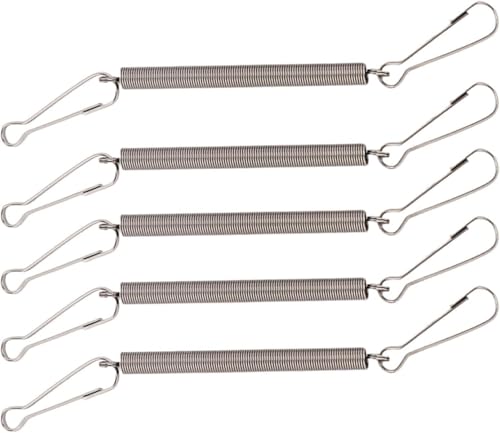
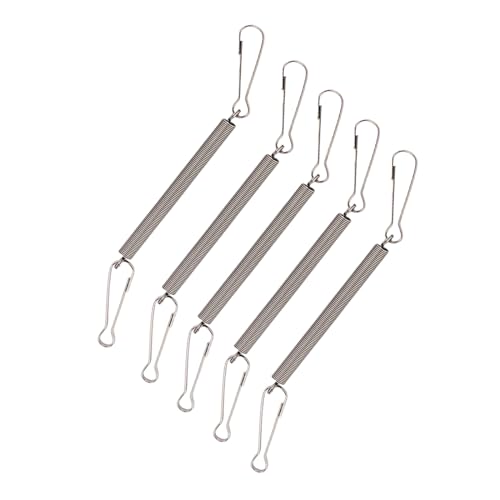
5-piece Spring and Clip Holder for Rabbit Water Dispensers
£5.88 *View On Amazon* - Rabbit Bowls and Feeders
MOACC Hamster Water Bottle 80 ml Pink with Hideout Holder
£8.99 *View On Amazon* - Rabbit Bowls and Feeders
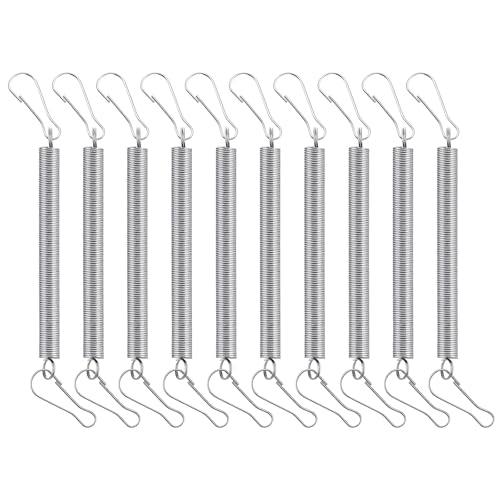
10 Pack Extension Springs with 2 Clips for Rabbit Water Bottles
Original price was: £5.99.£5.68Current price is: £5.68. *View On Amazon* - Rabbit Bowls and Feeders
NYCEMAKEUP 5 Piece Spring Clips for Small Animal Water Bottles
£4.04 *View On Amazon* - Rabbit Bowls and Feeders
Beige 520ml Hanging Pet Water Dispenser for Cage or Crate
£9.99 *View On Amazon* - Rabbit Bowls and Feeders
TOKAYIFE Automatic Pet Feeder 800 ml Adjustable Outlet Blue
£19.99 *View On Amazon* - Rabbit Bowls and Feeders
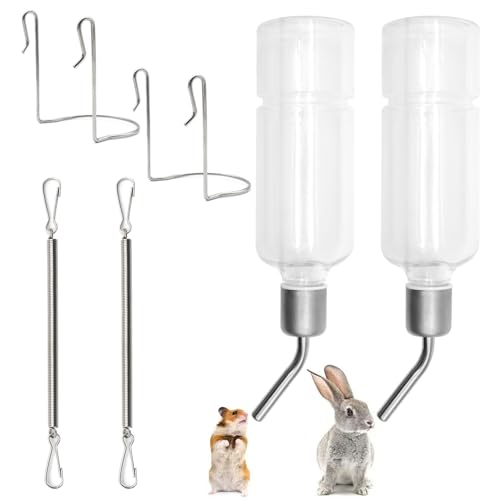
YDHfdc 2 Pack 350ml Hanging Rabbit Water Bottles with Hooks
£8.99 *View On Amazon* - Rabbit Bowls and Feeders
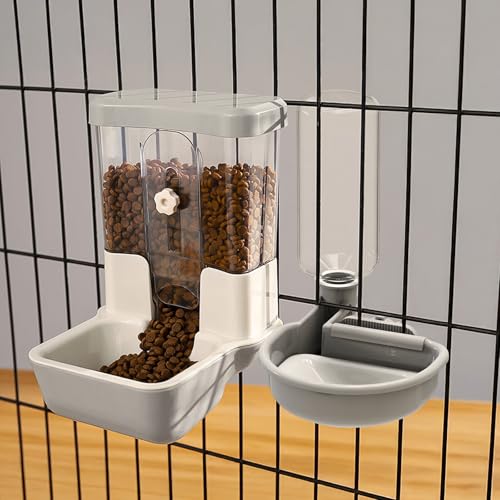
Automatic Pet Food and Water Dispenser Set for Cages, Grey
£23.99 *View On Amazon* - Rabbit Bowls and Feeders
2 Pack 350ml Small Animal Water Bottles with Feeding Dishes
£7.99 *View On Amazon* - Rabbit Bowls and Feeders
Trixie Food and Water Dispenser 130 ml Assorted Colours
£6.65 *View On Amazon* - Rabbit Bowls and Feeders
Lotsdonxia Blue Hamster Water Bottle Stainless Steel 80ml
Original price was: £6.99.£6.49Current price is: £6.49. *View On Amazon* - Rabbit Bowls and Feeders
Flexzion Automatic Gravity Pet Water Dispenser Bowl, 900 ml, Beige
£11.95 *View On Amazon* - Rabbit Bowls and Feeders
Classic Giant Drinking Bottle 3 Pack, Pink, 1.1 Litre
£11.99 *View On Amazon* - Rabbit Bowls and Feeders
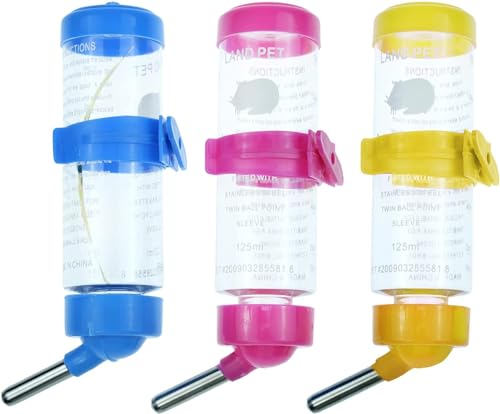
3 Pack Hamster Water Feeder Bottles, 125 ml Hanging Dispensers
£9.98 *View On Amazon* - Rabbit Bowls and Feeders
12-Piece Small Compression Springs with 2 Clips for Small Pet Cages
£5.79 *View On Amazon* - Rabbit Bowls and Feeders
5-piece spring bottle clip set for small animal water dispensers
£5.99 *View On Amazon* - Rabbit Bowls and Feeders
Small Animal Water Bottle 1200ml with 10mm Spout Hanging Dispenser
£16.99 *View On Amazon* - Rabbit Bowls and Feeders
3 Pack Rabbit Water Bottles with Holder, 180 ml Clear Hanging Set
£6.99 *View On Amazon* - Rabbit Bowls and Feeders
2-Pack Clear Small Animal Water Bottles with Stand, 180 ml
Original price was: £7.99.£6.99Current price is: £6.99. *View On Amazon*











What Are Rabbit Bowls and Feeders?
Rabbit bowls and feeders are products designed to hold food, hay or water in a practical and accessible way. They can help reduce waste, keep feeding areas organised and make daily care simpler.
Bowls are commonly used for pellets, fresh vegetables or water. Feeders may be designed for hay, dry food or controlled access to treats, depending on the product.
Some products sit on the floor, while others attach to a cage, pen or enclosure where compatible.
What Are Rabbit Bowls and Feeders Used For?
Rabbit bowls and feeders are used to serve food and water while helping keep them separate from bedding, litter and heavily soiled areas.
Hay feeders can help hold hay in one place and make it easier for rabbits to pull out what they need. Food bowls can provide a stable place for pellets and fresh foods, while water bowls offer open access to drinking water where suitable.
Some products may also encourage slower feeding or foraging behaviour, depending on their design.
How To Choose The Right Rabbit Bowl or Feeder
Start by considering what the product will hold. A bowl for pellets may need different features from a water bowl or hay feeder.
Next, think about your rabbit’s size and strength. Lightweight bowls may be easy to move or tip, while heavier bowls can feel more stable. Check listed dimensions and capacity to make sure the item is suitable for your rabbit and feeding routine.
Also consider where it will be used. Floor standing bowls need a stable surface, while hanging or clip on feeders must be compatible with the enclosure.
Key Features To Compare
When comparing rabbit bowls and feeders, look at material, weight, capacity, shape, stability, access, cleaning requirements and fixing method where listed.
A wide base can help reduce tipping, while smooth internal surfaces may be easier to clean. Raised edges can help contain food, although very deep bowls may be less convenient for smaller rabbits.
For attached feeders, check the fastening system carefully. The feeder should remain secure without creating sharp edges or awkward gaps.
Ceramic, Metal and Plastic Rabbit Bowls
Ceramic bowls are often chosen because they can feel heavy and stable. They may be useful for rabbits that push or tip lighter bowls, although they can break if dropped or knocked against hard surfaces.
Metal bowls are usually lightweight, durable and easy to clean. Some can attach to an enclosure where compatible, but floor standing metal bowls may move around depending on the design.
Plastic bowls can be light and practical, but rabbits may chew them. Check them regularly for scratches, cracks or rough edges and replace them if damaged.
No single material is right for every rabbit. The best choice depends on stability, chewing habits, cleaning and where the bowl will be placed.
Hay Feeders Compared With Loose Hay
Hay can be placed loose in a clean feeding area or offered through a suitable hay feeder. Loose hay can be easy for rabbits to access, but it may spread through the enclosure or become mixed with bedding and litter.
Hay feeders can help keep hay more organised and reduce some waste where suitable. However, access openings must be appropriate for the rabbit, and the feeder should not create trapping or injury risks.
Some owners place hay near a litter area because rabbits often eat and toilet at the same time. The setup should remain clean, secure and easy for the rabbit to use.
Water Bowls Compared With Water Bottles
Water bowls provide open access and may allow rabbits to drink in a natural position. Heavy bowls can be more difficult to tip, but water may become contaminated by bedding, hay or food.
Water bottles can keep water raised away from the floor, but the drinking tube and fixing must work correctly. Bottles should be checked frequently for leaks, blockages and secure attachment.
Some owners provide both a bowl and bottle, depending on the rabbit and setup. Whichever method is used, fresh water should always be available.
Slow Feeders and Enrichment Feeders
Slow feeders and activity feeders can encourage rabbits to spend more time working for small amounts of food. They may support natural foraging behaviour and add interest to the feeding routine where suitable.
These products should be used with appropriate foods and in sensible quantities. They should not make food difficult to access or replace the rabbit’s main hay supply.
Check that any openings, moving parts or compartments are suitable for the rabbit’s size and cannot trap paws, teeth or the head.
Guidance For First Time and Experienced Rabbit Owners
First time rabbit owners should begin with simple, stable and easy to clean products. A heavy food bowl, a suitable water container and a safe hay feeding setup are usually the main priorities.
Regular rabbit owners may want spare bowls, larger hay feeders or more organised feeding stations to make daily care easier.
Experienced owners may use enrichment feeders or rotate feeding methods to encourage natural behaviour. Even with familiar products, regular checks for wear, damage and cleanliness remain important.
Fit, Size and Enclosure Compatibility
Check the dimensions before buying, especially for hanging feeders, hay racks and attached bowls. The product should fit securely without blocking movement, doors or resting areas.
Bowls should be large enough for the intended food or water but not so large that they take up unnecessary enclosure space.
For bonded rabbits or groups, consider whether one bowl or feeder gives every rabbit fair access. More than one feeding point may be useful where competition occurs.
Safety, Cleaning and Maintenance
Wash food and water bowls regularly using suitable cleaning methods. Remove leftover fresh food before it spoils and replace wet or dirty hay as needed.
Inspect bowls and feeders for cracks, chips, rust, sharp edges, loose fastenings and heavy chewing. Damaged products should be removed if they could create a risk.
Position feeding products away from areas that become heavily soiled where practical. Keep cleaning products separate from rabbit food and rinse items thoroughly where required.
Useful Accessories To Consider
Useful related products can include rabbit food, hay, treats, bedding, litter trays, food storage containers, water bottles, cleaning brushes and feeding mats.
A sealed storage container can help keep dry food and hay organised, while a feeding mat may help protect floors and make scattered food easier to clean where suitable.
Why Buy Rabbit Bowls and Feeders From YPC?
At YPC, we understand active lifestyles and the need for practical products that work in real use. Rabbit bowls and feeders can vary by material, capacity, stability, access, fixing method and intended use, so comparing the details helps you choose with more confidence.
YPC helps you browse rabbit feeding products with everyday care in mind, whether you are preparing for a new rabbit, replacing worn bowls or improving an existing feeding setup. Explore the Rabbit Bowls and Feeders category to browse the available options and compare the products that best suit your rabbit and enclosure.
FAQs
What type of bowl is best for a rabbit?
A heavy, stable bowl is often practical because it is harder to tip. Ceramic and weighted bowls can be useful, but the right choice depends on your rabbit’s size, chewing habits and enclosure.
Are ceramic bowls safe for rabbits?
Ceramic bowls can be suitable where they are smooth, undamaged and stable. Check regularly for chips or cracks and replace the bowl if it becomes damaged.
Should rabbits drink from a bowl or bottle?
Both can be suitable depending on the rabbit and setup. Bowls provide open access, while bottles keep water raised from bedding. Whichever option you use, check it frequently and provide fresh water at all times.
Do rabbits need a hay feeder?
A hay feeder is not always essential, but it can help keep hay organised and reduce some waste. It must allow safe, comfortable access and should not create trapping risks.
How often should rabbit bowls be cleaned?
Food and water bowls should be cleaned regularly, with fresh food residue and dirty water removed promptly. Water containers should be checked and refreshed every day.
Can rabbits share one food bowl?
Bonded rabbits may share where they can all access the bowl comfortably, but some rabbits compete for food. More than one bowl or feeding point may be useful if one rabbit blocks another.
Are plastic bowls suitable for rabbits?
Plastic bowls may be suitable for some rabbits, but they can be chewed or scratched. Inspect them often and replace them if they become cracked, rough or damaged.
What size feeder does my rabbit need?
Choose a feeder that suits your rabbit’s size, the amount of food or hay offered and the enclosure space. Check listed measurements and make sure access is easy and safe.
 Getting ready for Summer? View our Home and Garden Products

Heading outdoors this winter? Take a look at our Outdoor Clothing.