
Board Games
Board games bring people together around a shared activity, whether you are planning a family evening, a quiet two player challenge, a party with friends or a more tactical gaming session. This category can include family board games, strategy games, party games, children’s games, educational games, card based games and cooperative games, depending on the products listed.
The right board game should suit the number of players, their ages, the time available and the level of challenge everyone will enjoy. A simple game can be ideal for relaxed family fun, while a deeper strategy game may suit regular players who enjoy planning and competition.
- Board Games
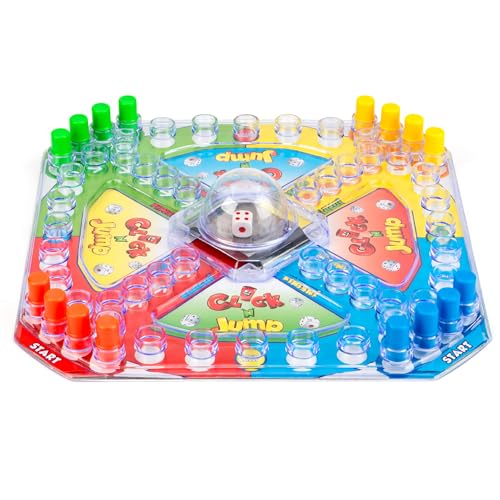
Toyrific Complete Traditional Classic Family Game Board
Original price was: £8.99.£5.99Current price is: £5.99. *View On Amazon* - Board Games
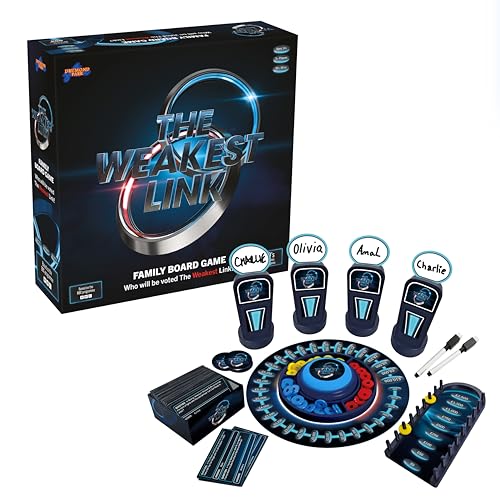
The Weakest Link Board Game for 4-8 Players, Ages 14+
Original price was: £24.99.£9.74Current price is: £9.74. *View On Amazon* - Board Games
Winning Moves Marvel Guess Who? Board Game
Original price was: £19.99.£15.99Current price is: £15.99. *View On Amazon* - Board Games
Paul Lamond Games Stupid Deaths Board Game, Black
Original price was: £20.75.£19.99Current price is: £19.99. *View On Amazon* - Board Games
Cheatwell Games Family Tension – The Top 10 Naming Game – Party Game for Ages 8+
Original price was: £19.99.£17.98Current price is: £17.98. *View On Amazon* - Board Games
Hasbro Gaming Boggle Word Search Game
Original price was: £10.99.£8.25Current price is: £8.25. *View On Amazon* - Board Games
CATAN Cities and Knights Expansion 6th Edition Board Game for 3-4 Players
Original price was: £54.99.£41.89Current price is: £41.89. *View On Amazon*






What Are Board Games?
Board games are tabletop games played using a board, cards, counters, dice, tiles, figures or other pieces, depending on the design. Players usually follow a set of rules and work towards a goal, such as collecting points, reaching a destination, solving a problem or defeating an opponent.
Some board games are competitive, where one player or team wins. Others are cooperative, meaning everyone works together towards a shared objective. There are also games focused on trivia, words, creativity, memory, logic, storytelling or luck.
Board games can range from quick games that take only a short time to complete to more involved games designed for longer sessions.
What Are Board Games Used For?
Board games are used for entertainment, socialising, family time, learning and friendly competition. They are suitable for homes, holidays, parties, clubs, classrooms, youth groups and rainy days indoors.
For families, board games can create screen free time and give everyone a shared activity. For children, they can help develop turn taking, concentration, counting, communication and problem solving, depending on the game.
For adults and experienced players, strategy games can offer more complex decisions, varied outcomes and strong replay value. Party games can help break the ice in larger groups, while two player games are useful for couples, friends or family members who play together regularly.
How To Choose The Right Board Game
Start by checking the recommended number of players. Some games work best with two people, while others are designed for families, teams or larger groups. A game may technically support several player counts but feel different depending on how many people take part.
Age suitability is also important. Check the stated age guidance and think about the reading, maths, strategy and attention needed to play. A game suitable for an older child may still feel too complicated for a younger player, even if they can understand the basic theme.
Playing time is another key factor. Quick games can be useful for busy evenings, travel and younger players. Longer games may suit dedicated game nights where everyone is happy to spend more time learning and playing.
Complexity matters too. Some games can be explained in a few minutes, while others need more preparation and rule reading. Choose a level that matches the group rather than assuming a more complicated game will always be more enjoyable.
Theme can make a big difference. Players may be more interested in games based around animals, fantasy, mystery, history, travel, words, sport or general knowledge. A theme people enjoy can make the rules easier to engage with.
Key Features To Compare
When comparing board games, look at player count, recommended age, playing time, complexity, game style, theme, setup needs and replay value.
Player interaction can vary. Some games involve direct competition, trading, negotiation or blocking other players. Others are calmer and focus more on individual puzzles or shared decisions.
Luck and strategy should also be considered. Dice and card draws can make games easier for mixed ability groups because everyone has a chance. Strategy focused games may reward planning and experience more strongly.
Replay value matters if the game will be used often. Variable boards, changing cards, different characters or multiple routes to victory where listed can help each session feel different.
Component quality and storage are practical points too. Check what is included, how much table space is needed and whether pieces can be stored neatly inside the box.
Family Board Games Compared With Strategy And Party Games
Family board games are usually designed to be accessible to a range of ages and experience levels. They often use clear rules, familiar themes and manageable playing times.
Strategy board games tend to involve more planning, decision making and long term thinking. They may take longer to learn and play, but they can suit enthusiasts who enjoy a deeper challenge.
Party games are usually designed for larger groups and often focus on communication, guessing, drawing, acting, humour or fast rounds. They can be a good choice when the aim is social fun rather than detailed strategy.
Children’s games often use simpler rules, brighter designs and shorter turns. Educational games may include learning elements such as spelling, numbers, geography or logic, depending on the product.
Cooperative games are different because players work together. They can be useful for groups who prefer teamwork or families who want to reduce direct competition.
Guidance For Beginner Regular And Experienced Players
Beginners should choose board games with simple rules, a clear goal and a playing time that feels manageable. Games that are easy to teach are usually more likely to reach the table regularly.
Regular players may want to compare replay value, player interaction and how well the game works with their usual group size. A game that suits four players may not feel as enjoyable when only two people are available.
Experienced players may prefer deeper strategy, asymmetric player abilities, campaign style play or more complex decision making where listed. They may also look for games with expansions or additional content, but compatibility should always be checked carefully.
Mixed experience groups should consider games that are easy to understand but still offer meaningful choices. This can help new players enjoy the game without making regular players feel bored.
Use Cases By Group And Occasion
For family game nights, choose games with rules that everyone can understand and a playing time that suits the youngest or least experienced player.
For couples or two player households, look for games specifically designed for two players or games that are reviewed well for lower player counts where that information is listed.
For parties, quick setup and simple explanation are useful. Team based, guessing and communication games can work well when people want to join without learning a long rulebook.
For children, age suitability, durability and clear instructions are important. Younger players often enjoy games with shorter turns and visible progress.
For teenagers, theme, social interaction and challenge may matter more. Trivia, strategy, mystery and party games can all be suitable depending on the group.
For adult game nights, consider playing time, complexity and whether the group prefers relaxed social play or competitive strategy.
For travel and holidays, compact games with fewer loose pieces can be easier to pack and use. Check the box size and setup space where listed.
Age Suitability Player Count And Playing Time
Recommended ages are useful, but they should be treated as guidance rather than a guarantee that every player will enjoy the game. Reading ability, patience, confidence and previous gaming experience can all affect suitability.
Player count should be checked carefully. Some games need a minimum number of players, while others may include solo rules where listed. Team games may also need an even number of players or work better with larger groups.
Playing time can vary depending on experience. A first game may take longer because players are learning the rules. Games with negotiation, discussion or complex turns may also last longer with larger groups.
Consider how often you realistically have time to play. A shorter game may be used more often than a large game that needs a full evening.
Setup Space And Compatibility
Board games can vary greatly in the amount of space they need. Some fit easily on a coffee table, while others need a large dining table for the board, cards, player areas and extra pieces.
Before buying a larger game, think about where it will be played and whether the table can stay undisturbed for the full session. This is especially important for longer strategy games or games with many components.
If you are buying an expansion, check that you already own the correct base game. Expansions are not always playable on their own and may only work with a specific edition or version.
Language is another compatibility point. Check that the game includes rules and components in a language suitable for the players, especially where cards or boards contain a lot of text.
Safety Care Maintenance And Storage
Check the recommended age and safety information before use. Some board games include small pieces that may not be suitable for young children. Supervision may be needed depending on the game and the players.
Keep drinks and food away from boards, cards and paper components where possible. Spills can damage pieces and make cards difficult to use.
Store the game in a clean, dry place. Use bags, trays or organisers where supplied to keep pieces together. Make sure all components are returned to the box after play so the game is complete for the next session.
Cards and frequently handled pieces may show wear over time. Card sleeves, storage boxes or replacement accessories may be useful where compatible.
Avoid stacking very heavy items on top of board game boxes, as this can crush the box or damage the components inside.
Useful Accessories To Consider
Useful accessories can include card sleeves, dice trays, play mats, card holders, timers, score pads, storage organisers and replacement dice where suitable.
For families with younger children, card holders can make games easier if small hands struggle to hold several cards. Dice trays can help keep dice on the table and reduce the chance of pieces rolling onto the floor.
For regular players, organisers can make setup and packing away quicker. A dedicated games table, shelving or storage box may also help keep a growing collection tidy.
If a game includes erasable boards, pens or score sheets, check whether replacements may be needed over time.
Why Buy Board Games From YPC?
At YPC, we understand active lifestyles and the need for practical products that work in real use. Board games can vary by age suitability, player count, complexity, playing time, theme and level of interaction, so comparing the details helps you choose with more confidence.
YPC helps you browse board games with real players and occasions in mind, whether you are buying for family evenings, children, parties, couples, holidays or dedicated game nights. Explore the Board Games category to browse the available options and compare the features that matter most for your group.
FAQs
What type of board game should I choose?
Choose a board game based on the number and age of players, the time available and whether the group prefers strategy, teamwork, trivia, creativity or quick social play.
What are good board games for families?
Good family board games usually have clear rules, manageable playing times and a level of challenge that works for different ages. Check the recommended age and player count before buying.
Are board games suitable for young children?
Some board games are designed for young children where stated. Check the age guidance and look for simple rules, short turns and pieces that are suitable for the child’s age.
What is the difference between competitive and cooperative board games?
Competitive games have individual players or teams trying to win. Cooperative games ask players to work together towards a shared goal.
How long do board games take to play?
Playing time varies widely. Some games take only a few minutes, while strategy or campaign games may take several hours. Check the estimated playing time where listed.
Can adults enjoy family board games?
Yes. Many family board games are designed to be accessible while still offering enjoyable decisions for adults. The right choice depends on the group and preferred level of challenge.
Are expansions playable without the original board game?
Usually not. Many expansions require the matching base game, although some products may be standalone. Check compatibility carefully before buying.
What board games are good for two players?
Look for games designed specifically for two players or games that list two players as a supported and practical player count. Strategy, card and cooperative games can all work well for two people.
We love Christmas so much and every year, love to decorate our Outdoor Activity Park with Christmas Trees and decorations. It's simply the best time of the year.
Click here to find out more about our Christmas Products
 Getting ready for Summer? View our Home and Garden Products

Heading outdoors this winter? Take a look at our Outdoor Clothing.