STEM kits are educational activity sets designed to help children and young learners explore science, technology, engineering and mathematics through practical projects. They can include experiments, construction tasks, coding activities, electronics, robotics and problem solving challenges, depending on the products listed.
The right STEM kit should suit the learner’s age, confidence, interests and experience level. Comparing the subject, difficulty, included components, supervision needs and reuse potential can help you choose a kit that feels engaging without becoming frustrating.
STEM kits are structured learning sets that combine instructions, materials and activities around science, technology, engineering or maths. Some focus on one subject, while others bring several areas together in a single project.
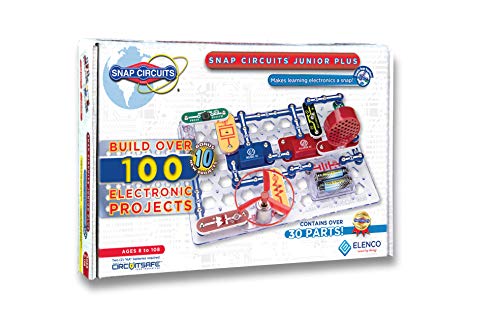
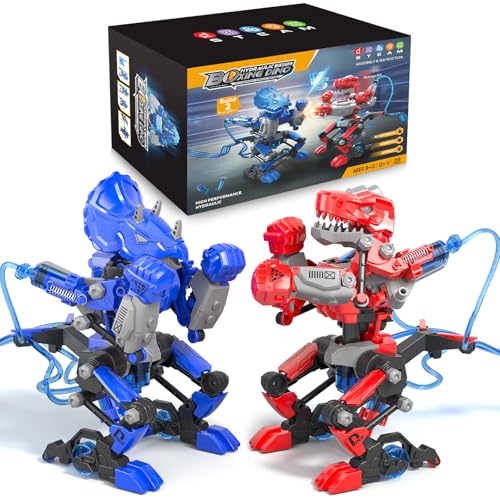
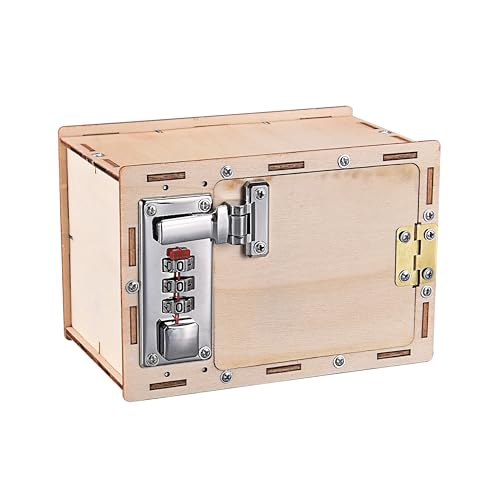
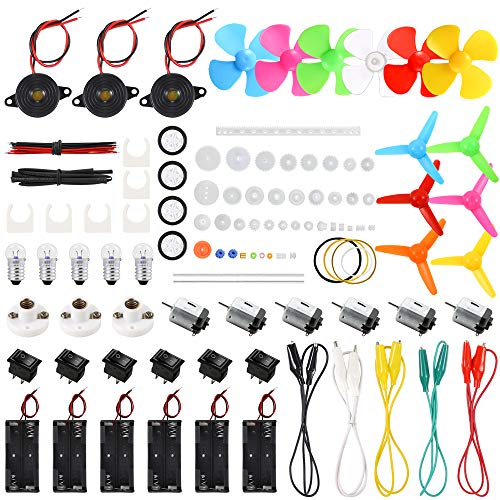
Products may include chemistry kits, physics experiments, coding kits, robotics sets, circuit kits, construction kits, engineering challenges, solar powered projects, maths games and model building activities where listed.
They are designed to turn abstract ideas into practical tasks. Instead of only reading about a concept, the learner can build, test, observe and improve something directly.
What Are STEM Kits Used For?
STEM kits are used for home learning, classroom activities, school projects, science clubs, rainy day play, holiday learning and educational gifts. They can help learners understand how things work while encouraging curiosity and independent thinking.
A science kit may introduce reactions, forces, light or magnetism. An engineering kit may involve bridges, machines or structures. A technology kit may focus on coding, robotics or electronics where suitable.
They can also help children practise following instructions, testing ideas and learning from mistakes. This makes them useful for both formal education and relaxed learning through play.
How To Choose The Right STEM Kit
Start with the learner’s age and experience. A younger child may need simpler activities, larger components and clearer instructions. An older or more experienced learner may enjoy longer projects, more detailed experiments or open ended challenges.
Next, choose a subject that matches their interests. A child who enjoys building may prefer engineering kits, while someone interested in computers may be more engaged by coding or robotics.
Check what is included. Some STEM kits contain everything needed, while others may require batteries, household items, tools, a phone, tablet or computer where listed.
Also consider how much adult support may be needed. Some kits are designed for independent use, while others may require supervision, especially where chemicals, small parts, electricity, heat or tools are involved.
Key Features To Compare
When comparing STEM kits, look at age suitability, subject area, difficulty, project length, included materials, instructions, reuse potential and supervision requirements.
Clear instructions are especially important. Diagrams, step by step guidance and labelled parts can make the activity easier to follow and more enjoyable.
The number of projects also matters. Some kits focus on one detailed build, while others contain several shorter experiments. A single project can feel more immersive, while a multi activity kit may offer more variety.
Reusable components can add longer term value where listed. Coding boards, circuit parts and construction pieces may support additional experiments beyond the original instructions.
STEM Kits Compared With Educational Toys And Science Books
STEM kits are more hands on than most science books because they ask the learner to build, test or experiment. Books can explain ideas in greater detail, but a kit allows the learner to see those ideas in action.
Educational toys may encourage general learning through play, while STEM kits usually focus on a particular concept, project or technical skill.
Construction toys can support creativity and engineering thinking, but they may not always include structured explanations. A STEM kit often combines building with instructions, theory and a clear learning outcome.
Many learners benefit from using books, toys and practical kits together rather than relying on one learning method alone.
Guidance For Beginner Regular And Experienced Learners
Beginners should start with simple STEM kits that offer clear instructions and visible results. Short experiments can help build confidence and keep the activity enjoyable.
Regular learners may prefer kits with several projects or slightly more challenging construction tasks. They may also enjoy experimenting beyond the main instructions where safe and appropriate.
Experienced learners may want coding, robotics, electronics or engineering kits with more control and customisation. Compatibility with devices, software or expansion parts should be checked carefully where relevant.
Parents and gift buyers should focus on the learner’s real interests rather than choosing only by the recommended age or packaging.
Use Cases By Subject And Learning Style
For science learning, STEM kits may include experiments involving chemistry, biology, physics, weather, light, sound or magnets where listed.
For technology, coding kits, electronic projects and programmable devices may help introduce logical thinking and digital skills.
For engineering, construction sets and model projects can encourage planning, testing and structural problem solving.
For mathematics, puzzle based activities, measuring tasks and number challenges can make abstract concepts more practical.
For visual learners, kits with diagrams and physical models may be particularly useful. For children who enjoy making things, build based kits can provide a strong sense of progress and achievement.
Compatibility Setup And Practical Requirements
Check whether the STEM kit requires any additional equipment before buying. Batteries, screwdrivers, water, food ingredients, craft materials or household items may need to be supplied separately where listed.
Technology based kits may require a compatible phone, tablet, computer, operating system, app or internet connection. Always compare the listed compatibility details rather than assuming the kit will work with every device.
Think about workspace as well. Science experiments may need a wipe clean surface, while larger construction projects may need enough space to leave the work in place between sessions.
Check whether the instructions are suitable for the learner’s reading level and whether adult help will be available if needed.
Safety Care Maintenance And Storage
Always follow the supplied instructions and age guidance. Adult supervision may be required, especially with chemicals, heat, electrical components, tools, sharp parts or small pieces.
Use science kits only in a suitable space. Protect surfaces where needed, wash hands after experiments and keep materials away from food unless the instructions specifically allow food related use.
Check components before each activity and do not use broken, leaking or damaged parts. Keep batteries and electrical items dry unless the product instructions state otherwise.
Store all parts together in the original box or a labelled container. Small components are easy to lose, so sorting trays or resealable bags can help keep the kit organised.
Useful Accessories To Consider
Useful accessories can include safety goggles, storage boxes, sorting trays, notebooks, pencils, measuring tools, batteries and basic craft materials where suitable.
A project notebook can help learners record what they tried, what happened and what they would change next time. This can make the activity more reflective and support deeper learning.
Related science books, coding books, construction toys and educational games can also help extend the subject after the original kit has been completed.
Why Buy STEM Kits From YPC?
At YPC, we understand active lifestyles and the need for practical products that work in real use. STEM kits can vary by subject, age suitability, difficulty, included materials, compatibility and supervision needs, so comparing the details helps you choose with more confidence.
YPC helps you browse educational kits with real learners in mind, whether you are buying for home education, school projects, science clubs, holiday activities or a thoughtful gift. Explore the STEM Kits category to browse the available options and compare the features that matter most for enjoyable hands on learning.
FAQs
What does STEM stand for?
STEM stands for science, technology, engineering and mathematics. STEM kits use practical activities to introduce ideas from one or more of these subjects.
What age are STEM kits suitable for?
STEM kits are available for a wide range of ages. Always check the recommended age, difficulty and supervision guidance because suitability varies by product.
Are STEM kits educational?
Yes. STEM kits can help learners explore scientific ideas, logical thinking, problem solving, construction, coding and experimentation through practical activities.
Do STEM kits need adult supervision?
Some do. Kits involving chemicals, heat, electricity, tools or small parts may require adult supervision. Check the product instructions and age guidance before use.
Do STEM kits include everything needed?
Some kits include most or all components, while others may require batteries, household items, tools or a compatible device. Check the product details before starting.
Are STEM kits suitable for beginners?
Yes, many STEM kits are designed for beginners. Look for simple instructions, age appropriate projects and activities with clear results.
Can STEM kits be reused?
Some kits include reusable parts where listed, while others contain consumable materials for a limited number of experiments. Check the contents and project details before buying.
Are STEM kits good gifts?
STEM kits can make thoughtful gifts for children and young learners who enjoy experiments, building, coding, puzzles or discovering how things work.
We love Christmas so much and every year, love to decorate our Outdoor Activity Park with Christmas Trees and decorations. It's simply the best time of the year.
Heading outdoors this winter? Take a look at our Outdoor Clothing.
Manage Consent
To provide the best experiences, we use technologies like cookies to store and/or access device information. Consenting to these technologies will allow us to process data such as browsing behaviour or unique IDs on this site. Not consenting or withdrawing consent, may adversely affect certain features and functions.
Functional
Always active
The technical storage or access is strictly necessary for the legitimate purpose of enabling the use of a specific service explicitly requested by the subscriber or user, or for the sole purpose of carrying out the transmission of a communication over an electronic communications network.
Preferences
The technical storage or access is necessary for the legitimate purpose of storing preferences that are not requested by the subscriber or user.
Statistics
The technical storage or access that is used exclusively for statistical purposes.The technical storage or access that is used exclusively for anonymous statistical purposes. Without a subpoena, voluntary compliance on the part of your Internet Service Provider, or additional records from a third party, information stored or retrieved for this purpose alone cannot usually be used to identify you.
Marketing
The technical storage or access is required to create user profiles to send advertising, or to track the user on a website or across several websites for similar marketing purposes.