
Fidget Toys
Fidget toys are small handheld products designed to provide movement, texture or repetitive action through squeezing, spinning, clicking, stretching, twisting or pressing. They can be used by children, teenagers and adults during quiet play, travel, study breaks, waiting times or everyday moments when busy hands may help with comfort and concentration.
The right fidget toy depends on the user’s age, preferences, surroundings and the type of movement they find satisfying. Some fidget toys are quiet and discreet, while others include stronger textures, clicking sounds or more active movement depending on the product.
- Fidget Toys
Stress Relief Toy 4 Pcs Waxberry Shaped Squeezable Crunchy Stress Balls
Original price was: £8.99.£8.59Current price is: £8.59. *View On Amazon* - Fidget Toys
16 Pack Colourful Pop Tubes Fidget Sensory Toys
Original price was: £7.99.£7.69Current price is: £7.69. *View On Amazon* - Fidget Toys
2 Pack 3D Printed Fidget Toy, PLA Galaxy Spinner with 360° Rotation
Original price was: £7.99.£7.59Current price is: £7.59. *View On Amazon*



What Are Fidget Toys?
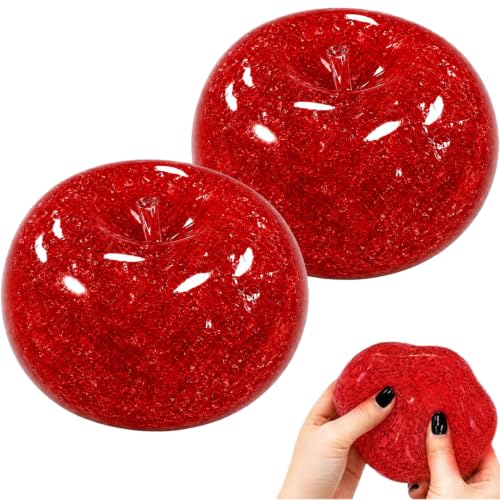
Fidget toys are sensory and activity products made to keep the hands occupied through repeated movement. They may include pop style toys, spinners, stress balls, stretchy toys, tangles, cubes, rings, putty, clickers, sliders and textured items depending on the products listed.
Some fidget toys focus on squeezing or resistance. Others provide spinning, rolling, folding, pressing or clicking actions. The aim is usually simple physical engagement rather than a complicated game or fixed challenge.
Fidget toys vary widely in size, material, noise level, durability and age suitability, so product details should always be checked before choosing.
What Are Fidget Toys Used For?
Fidget toys are used for sensory play, keeping hands busy, passing time and providing a repetitive activity during everyday routines. They may be useful during travel, homework breaks, quiet time, waiting rooms, long journeys, meetings or relaxed play where suitable.
Some people find repetitive hand movement calming or satisfying. Others simply enjoy the texture, movement or novelty of the toy.
Fidget toys should not be treated as a guaranteed solution for concentration, anxiety or medical needs. They are everyday activity products that may suit some users better than others depending on personal preference and the setting.
How to Choose the Right Fidget Toy
Start with the type of movement the user enjoys. Someone who likes squeezing may prefer a stress ball or soft resistance toy. A user who prefers precise hand movement may enjoy a spinner, cube, slider or tangle style product.
Next, think about noise. Clicking, snapping and popping can be enjoyable at home, but may be distracting in classrooms, offices, libraries or shared spaces. Quiet fidget toys may be more practical where discretion matters.
Size also makes a difference. Small pocket sized fidgets are easy to carry, while larger toys may provide more grip or a wider range of movement. Check whether the item is suitable for the user’s hand size and intended setting.
Age suitability is important, especially where small parts, magnets, putty, beads or detachable pieces are involved. Always check the product guidance before buying for younger children.
Key Features to Compare
When comparing fidget toys, look at movement type, material, texture, size, weight, noise level, durability, portability and age guidance.
Texture can be a major factor. Smooth, soft, ridged, rubbery, firm and flexible surfaces all feel different in the hand. The most satisfying choice is personal.
Resistance should also be considered. Some toys need only light finger movement, while others require a stronger squeeze or pull. A toy that feels too stiff may be uncomfortable, while one that is too soft may not provide the preferred sensation.
Portability matters for school, travel and everyday carry. Small fidgets may fit in a pocket or bag, but they can also be easier to lose. Larger products may be easier to handle but less convenient to carry.
Quiet Fidget Toys Compared with Noisy Fidget Toys
Quiet fidget toys are often more suitable for classrooms, offices, libraries, travel and shared spaces. They may use soft movement, rolling, stretching or squeezing rather than clicks and pops.
Noisy fidget toys can provide stronger feedback and may feel more satisfying to some users. They are often better suited to home use, playrooms or settings where sound will not disturb other people.
Neither type is automatically better. The right choice depends on where the toy will be used and whether the sound is helpful, enjoyable or distracting.
For mixed use, a quiet portable fidget may be the more practical everyday choice.
Fidget Toys Compared with Stress Balls and Sensory Toys
Stress balls are a type of fidget toy focused mainly on squeezing and hand resistance. They can be simple, quiet and easy to use, but they may offer less variety than cubes, tangles or multi action toys.
Sensory toys is a broader category that can include textured objects, lights, movement, sounds, weighted items and tactile products. Fidget toys usually focus more specifically on repeated hand movement.
Some products fit into both categories. The product name matters less than the way it feels, moves and suits the intended user.
Choose based on the preferred action rather than assuming one label guarantees a particular experience.
Guidance for First Time Regular and Experienced Users
First time users may benefit from a simple, easy to understand fidget such as a stress ball, tangle, pop style toy or basic spinner where age appropriate. These products provide immediate feedback without complicated setup.
Regular users may prefer different fidget toys for different situations. A quiet toy may suit school or work, while a noisier or larger option may be more enjoyable at home.
More experienced users may look for specific resistance, textures, movement patterns or compact designs. They may also prefer multi function fidget cubes or sets offering several actions in one product.
The best approach is often to try a simple style first and learn which movements feel most satisfying.
Use Cases by User and Setting
For children, fidget toys can provide simple sensory play and a way to keep hands occupied during quiet activities. Age guidance and supervision should always be considered.
For teenagers, compact fidgets may be useful during travel, revision breaks or waiting times where permitted.
For adults, discreet fidget products may be suitable for desks, commuting, meetings or general everyday use, provided they do not distract other people.
For classrooms, quiet and easy to manage toys are usually the more practical choice. School rules should always be checked before a child takes a fidget toy into lessons.
For travel, small and durable products are often easiest to carry. Avoid toys with loose pieces if they may be difficult to manage on trains, planes or in cars.
For gifts and party bags, multi packs or mixed sets may provide variety, but suitability, component size and quality should still be checked carefully.
Age Suitability Supervision and Safety
Always check the listed age recommendation and safety information. Some fidget toys contain small parts, magnets, batteries, putty, liquid fillings or detachable components that may not be suitable for younger children.
Magnets require particular care. Small or loose magnets can be dangerous if swallowed, so products containing magnets should only be used according to the listed age and safety guidance.
Soft filled toys should be checked regularly for splits, leaks or damaged seams. Putty, slime and similar products should be stored correctly and kept away from fabrics, carpets, pets and mouths.
Children should be supervised where appropriate, especially if they are likely to chew toys or take them apart.
Fit Comfort and Sensory Preference
A fidget toy should feel comfortable in the hand and suit the user’s preferred movement. Small products may work well for finger based actions, while larger toys may be easier to grip with the whole hand.
Sharp edges, uncomfortable seams or excessive resistance can make a toy less enjoyable. Check the item before regular use and stop using it if it causes discomfort.
Sensory preferences are personal. A texture that one person finds calming may feel unpleasant to someone else. This is why sets containing different textures and movement types can be useful for exploring preferences where suitable.
A fidget toy should support comfortable use without getting in the way of normal tasks, walking or safe movement.
Classroom Office and Shared Space Practicality
Fidget toys should be used with consideration for other people. Repeated clicking, spinning or dropping can become distracting in quiet settings.
For classrooms and offices, choose products that are silent, compact and easy to hold without needing constant visual attention. The user should still be able to focus on the main task.
Rules vary between schools, workplaces and venues. A toy may be helpful in one setting but not allowed in another, so check before use.
Fidget toys should also be stored when they become distracting rather than useful. The aim is practical hand activity, not replacing attention to the task.
Care Cleaning and Storage
Clean fidget toys according to the product guidance. Wipe clean materials may be easier to maintain, while fabric, putty, foam or electronic products may need different care.
Avoid submerging toys unless the instructions say they are water safe. Water can damage bearings, magnets, electronics, fillings or internal parts.
Check toys regularly for cracks, loose pieces, exposed fillings or damaged mechanisms. Stop using products that are broken or no longer safe.
Store fidget toys in a clean, dry container or bag. Small items are easier to keep organised when they have a dedicated pocket, pouch or box.
Useful Accessories to Consider
Useful accessories can include storage pouches, small organiser boxes, desk trays, travel bags and cleaning cloths depending on the type of fidget toy.
For children, a labelled pouch can help keep toys together and reduce the chance of losing small pieces at school or during travel.
For desks, a small container can keep several quiet fidgets organised without creating clutter.
For gift buying, mixed fidget sets may offer several movement styles, helping the user discover which type they prefer.
Why Buy Fidget Toys from YPC?
At YPC, we understand active lifestyles and the need for practical products that work in real use. Fidget toys can vary by movement, texture, noise level, age suitability, portability and durability, so comparing the details helps you choose with more confidence.
YPC helps you browse fidget toys with real everyday use in mind, whether you are buying for quiet play, travel, school breaks, desk use, gifts or sensory activity. Explore the Fidget Toys category to browse the available options and compare the features that best suit the user and setting.
FAQs
What are fidget toys?
Fidget toys are handheld products designed for repeated movement such as squeezing, spinning, clicking, stretching, twisting or pressing. They are used for sensory play and keeping hands occupied.
Are fidget toys suitable for children?
Many fidget toys are suitable for children where the age guidance supports that use. Check for small parts, magnets, fillings and supervision requirements before buying.
Are fidget toys good for concentration?
Some users may find that a suitable fidget helps keep their hands occupied, but results vary. Fidget toys should not be described as a guaranteed solution for concentration or medical needs.
What are the quietest types of fidget toys?
Soft squeeze toys, tangles, rolling rings and some smooth sliders may be quieter than clicking cubes or pop style toys, depending on the product.
Can children take fidget toys to school?
This depends on the school’s rules. Quiet and discreet toys may be permitted in some settings, but parents should check with the school before sending one into lessons.
Are magnetic fidget toys safe?
Magnetic fidget toys should only be used according to the listed age and safety guidance. Loose or small magnets can be dangerous if swallowed, so careful supervision and regular checks are important.
How do I clean fidget toys?
Follow the product care guidance. Many solid toys can be wiped clean, while putty, fabric, electronic or filled products may need different care. Avoid soaking toys unless stated as safe.
What type of fidget toy is best for beginners?
A simple stress ball, tangle, pop style toy or basic spinner can be a practical starting point where age appropriate. The right choice depends on the movement and texture the user enjoys.
We love Christmas so much and every year, love to decorate our Outdoor Activity Park with Christmas Trees and decorations. It's simply the best time of the year.
Click here to find out more about our Christmas Products
 Getting ready for Summer? View our Home and Garden Products

Heading outdoors this winter? Take a look at our Outdoor Clothing.