
Push Toys
Push toys are designed to encourage active play by giving young children something stable to hold and move as they walk. They can include push along animals, activity walkers, toy trolleys, push vehicles, lawnmower style toys and musical push toys, depending on the products listed.
The right push toy should suit the child’s age, balance and stage of development. Stability, handle height, wheel design, materials, activity features and indoor or outdoor suitability are all worth comparing before choosing.
- Push Toys
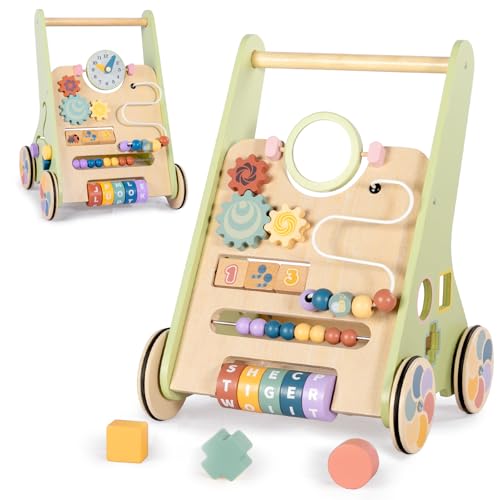
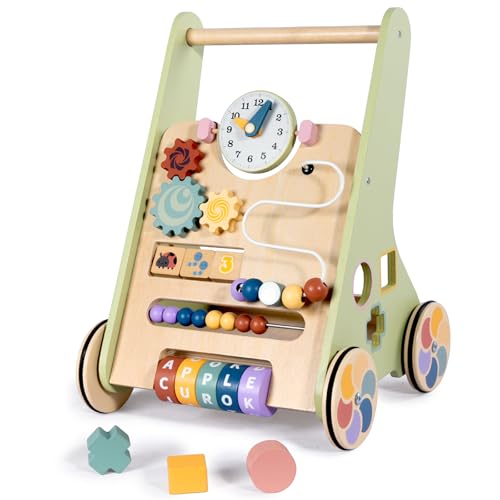
Bautia Wooden Baby Walker Push Along Toy with 10 in 1 Colourful Learning Activity Centre for Toddlers
Original price was: £41.99.£37.79Current price is: £37.79. *View On Amazon* - Push Toys
MOONTOY Baby Car Toys Push and Go Friction Powered Engineering Vehicles Toy Set of 4
Original price was: £16.99.£14.99Current price is: £14.99. *View On Amazon* - Push Toys
LOL-FUN Wooden Baby Walker with Blocks, 10in1 Activity Walker for Toddlers, Age 12 Months
Original price was: £45.58.£39.58Current price is: £39.58. *View On Amazon* - Push Toys
Hape Pepe Pull Along Puppy Wooden Pull Toy
Original price was: £22.99.£21.12Current price is: £21.12. *View On Amazon* - Push Toys
Fisher-Price Learn with Me Zebra Walker First Steps Baby Walker Push Along Toy Lights Music UK English Version GXC31
Original price was: £31.99.£27.84Current price is: £27.84. *View On Amazon* - Push Toys
ROBOTIME Baby Walker Wooden Pram Toy Push Along Walker with Under-Seat Storage Age 10 Months+
Original price was: £69.99.£59.49Current price is: £59.49. *View On Amazon* - Push Toys
MOONTOY 3-Pack Animal Press and Go Toy Cars for Toddlers
Original price was: £16.99.£12.99Current price is: £12.99. *View On Amazon* - Push Toys
VTech First Steps Baby Walker Pink
Original price was: £42.99.£36.99Current price is: £36.99. *View On Amazon* - Push Toys
Ram Lawn Bubble Mower Push Along Toy Lawnmower for Kids and Toddlers with Bubble Machine and 120 ml Soapy Solution
Original price was: £9.99.£8.49Current price is: £8.49. *View On Amazon* - Push Toys
MOONTOY Press and Go Dinosaur Toy Cars 4 Pack
Original price was: £14.99.£9.49Current price is: £9.49. *View On Amazon* - Push Toys
Quack and Flap Push Pull Along Toddler Toy for Ages 1-3 Years
Original price was: £16.99.£14.99Current price is: £14.99. *View On Amazon*








What Are Push Toys?
Push toys are toys that children move by pushing them along the floor. Many include a handle that allows a child to hold on while walking, while others are simple push along toys designed for children who are already steady on their feet.
Some push toys focus mainly on movement. Others may include shape sorters, spinning parts, sounds, lights, storage areas or pretend play features where listed.
They are often chosen for toddlers and younger children because they combine active movement with simple, enjoyable play.
What Are Push Toys Used For?
Push toys are used for walking practice, active play, imaginative games and movement around the home or garden where suitable. They can encourage children to take more steps, explore their surroundings and build confidence through repeated movement.
Some models support pretend play. Toy shopping trolleys, prams, mowers and cleaning toys can help children copy familiar everyday activities.
Activity push toys may also support hand coordination, cause and effect learning and problem solving through buttons, shapes, sounds or moving parts.
How To Choose The Right Push Toy
Start by checking the recommended age and developmental stage. A push toy for a child learning to walk should be stable, easy to hold and suitable for supervised use. A simpler push along toy may be more appropriate for a child who already walks confidently.
Next, look at the handle. It should be at a practical height and comfortable for the child to grip. A handle that is too high, low or narrow may feel awkward during movement.
Wheel design also matters. Wheels should move smoothly without making the toy feel too fast or unstable. Some products may include speed control or resistance features where listed.
Think about where the toy will be used. Indoor models should move comfortably across suitable flooring, while outdoor push toys may need more robust wheels and materials where stated.
Key Features To Compare
When comparing push toys, look at age suitability, stability, handle height, wheel type, material, weight, activity features and storage needs.
Stability is especially important for younger children. A wider base may feel more secure, while a lightweight toy may be easier to move but less steady depending on the design.
Materials can include wood, plastic, fabric or mixed construction. Wooden push toys may offer a traditional feel, while plastic models may include more interactive features and may be easier to wipe clean.
Some push toys include removable activity panels, shape sorters, blocks, sounds, lights or storage compartments where listed. These features can add play value, but they should still match the child’s age and interests.
Push Toys Compared With Baby Walkers And Ride On Toys
Push toys are moved by a child walking behind and holding the handle. They encourage active movement while allowing the child to control the direction and pace.
Seated baby walkers are different because the child sits inside a frame. These products have different safety considerations and should not be confused with push along activity walkers.
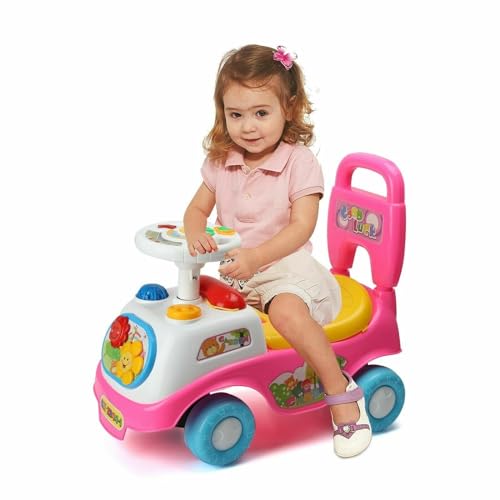
Ride on toys are designed for children to sit on and move by pushing with their feet or using pedals, depending on the product. They may suit children who are more confident with balance and movement.
A push toy may be the better choice for a child who enjoys walking and holding onto objects. A ride on toy may suit a child who prefers seated movement and has the balance needed for that type of play.
Guidance For Early Walkers Confident Toddlers And Older Children
For early walkers, choose a stable push toy with a comfortable handle and controlled wheel movement. Close adult supervision is important, especially while the child is still learning balance.
For confident toddlers, activity walkers, toy trolleys and pretend play push toys can combine movement with longer periods of imaginative play.
Older toddlers may enjoy push toys with role play themes, such as toy mowers, prams, shopping trolleys or cleaning toys where suitable.
Children who already walk well may prefer a faster moving or more imaginative toy, but age guidance and safe use should still be checked.
Use Cases By Play Style And Interest
For children who enjoy movement, a simple push along toy can encourage active indoor play and repeated walking.
For children interested in pretend play, toy shopping trolleys, prams, mowers and household themed push toys can support role play.
For children who enjoy music and lights, interactive push toys may offer buttons, sounds or movement effects where listed.
For children who like building and sorting, push toys with blocks, shape sorters or storage areas may provide additional activity.
For outdoor use, choose a product clearly listed as suitable for the intended surface and environment.
Indoor And Outdoor Push Toys
Indoor push toys are often designed for smooth household floors and may include quieter wheels or compact designs. They can be useful in playrooms, living rooms and other clear indoor areas.
Outdoor push toys may include larger wheels, sturdier materials or themed designs such as lawnmowers where listed. They should only be used on surfaces suited to the product.
A push toy designed for indoor use may not perform well on grass, gravel or uneven paths. Outdoor toys may also bring dirt indoors, so storage and cleaning should be considered.
Whichever type you choose, the play area should be clear of stairs, sharp corners, loose rugs and other hazards.
Fit Stability And Walking Comfort
A push toy should feel comfortable for the child to hold and move. The handle should allow a natural standing position without forcing the child to lean too far forwards or reach awkwardly.
The base should remain stable during normal use. If the toy tips easily, moves too quickly or feels difficult to steer, it may not be suitable for the child’s current stage.
Check whether the wheels have grip, resistance or speed adjustment where listed. Floor type can affect how fast a push toy moves, so supervision is important even when the toy appears stable.
Children should wear suitable footwear or have a safe level surface for barefoot play, depending on the setting.
Safety And Supervision
Push toys should always be used according to the listed age guidance and product instructions. Children learning to walk need close supervision, especially near steps, doorways, furniture and changes in floor level.
Do not use push toys near stairs unless a secure safety gate is in place and an adult is supervising. Keep the play area clear of toys, cables and loose objects that could cause trips.
Check the toy regularly for loose wheels, damaged handles, sharp edges or missing parts. Stop using it if any damage could affect safety.
If the toy includes batteries, lights, sounds or detachable accessories, make sure battery compartments and small parts remain secure.
Care Maintenance And Storage
Push toys should be cleaned according to the product guidance. Plastic surfaces may be suitable for wiping, while wooden toys may need gentler cleaning depending on the finish.
Keep wheels free from hair, dirt and debris so they can move properly. Check fastenings and moving parts regularly, especially if the toy is used often.
Store the push toy in a dry place away from stairs and busy walkways. Larger toys should be placed where they will not create a trip hazard when not in use.
If the toy is used outdoors, allow it to dry fully before storage and avoid leaving it exposed to poor weather unless the product is designed for outdoor storage.
Useful Accessories To Consider
Useful accessories can include play mats, toy storage, safety gates, soft play equipment and suitable toddler footwear where needed.
For pretend play push toys, compatible toy food, dolls, gardening accessories or household play items may add more play opportunities where suitable.
For activity walkers, storage boxes can help keep blocks, shapes and detachable pieces together between play sessions.
Why Buy Push Toys From YPC?
At YPC, we understand active lifestyles and the need for practical products that work in real use. Push toys can vary by age suitability, stability, handle design, wheel type, materials, activity features and intended setting, so comparing the details helps you choose with more confidence.
YPC helps you browse push toys with real family use in mind, whether you are buying for early walking, active toddler play, pretend games, birthdays or Christmas. Explore the Push Toys category to browse the available options and compare the features that matter most for movement, confidence and enjoyable play.
FAQs
What are push toys?
Push toys are toys that children move by walking behind them and pushing them along. They may include handles, wheels, activity panels, storage or pretend play features depending on the product.
Are push toys suitable for babies learning to walk?
Some push toys are designed for early walkers where listed. They should be stable, correctly sized and used with close adult supervision. Always check the recommended age and developmental guidance.
What is the difference between a push toy and a baby walker?
A push toy is moved by a child walking behind it while holding a handle. A seated baby walker supports the child inside a frame and is a different type of product with different safety considerations.
Should push toy wheels move slowly?
For early walkers, controlled wheel movement can help the toy feel more stable. Some products may include resistance or speed adjustment where listed, but suitability depends on the child and floor surface.
Can push toys be used on carpet?
Some push toys may work on carpet where suitable, while others are designed mainly for smooth floors. Check the product details and test movement carefully under supervision.
Are wooden push toys better than plastic push toys?
Neither material is automatically better. Wooden toys may offer a traditional design, while plastic toys may include more interactive features. Stability, age suitability and construction matter more than material alone.
Can push toys be used outdoors?
Only use a push toy outdoors if the product is listed as suitable for outdoor use and the surface is safe. Indoor models may not work properly on grass, gravel or uneven ground.
What should I check before buying a push toy?
Check the recommended age, stability, handle height, wheel design, floor suitability, included features, assembly needs and safety guidance.
Do push toys help children learn to walk?
Push toys can encourage movement and give children something to hold while stepping, but they do not replace supervision or normal developmental progress. The toy should match the child’s confidence and balance.
How do I keep a push toy safe to use?
Check the wheels, handle, fastenings and detachable parts regularly. Keep the play area clear, supervise use and stop using the toy if any part becomes loose or damaged.
We love Christmas so much and every year, love to decorate our Outdoor Activity Park with Christmas Trees and decorations. It's simply the best time of the year.
Click here to find out more about our Christmas Products
 Getting ready for Summer? View our Home and Garden Products

Heading outdoors this winter? Take a look at our Outdoor Clothing.