
Toy Vehicles
Toy vehicles give children a simple way to create races, journeys, rescue missions, building sites and everyday adventures through play. This category can include toy cars, trucks, buses, trains, tractors, emergency vehicles, construction vehicles, motorcycles, aircraft and other transport themed toys, depending on the products listed.
The right toy vehicle should suit the child’s age, interests, play style and available space. Some toys are compact and easy to carry, while others include moving parts, sounds, lights, tracks or remote controls where listed.
- Toy Vehicles
Thomas & Friends Diesel Motorized Toy Train with Cargo, Ages 3+ Years, HDY64
Original price was: £15.99.£11.99Current price is: £11.99. *View On Amazon* - Toy Vehicles
Giant bean Wooden Train Set 72 PCS Fire Station Theme
Original price was: £49.99.£33.99Current price is: £33.99. *View On Amazon* - Toy Vehicles
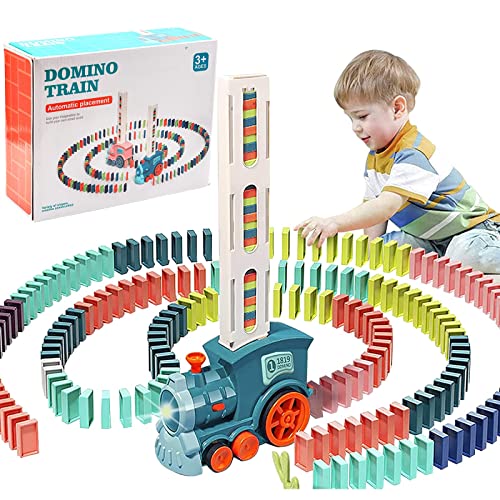
Automatic Domino Laying Electric Train Toy with 120 Domino Blocks
£13.99 *View On Amazon* - Toy Vehicles
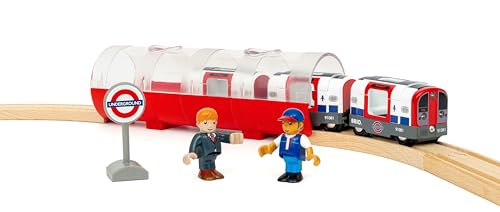
BRIO World Trains of the World London Underground Tube Toy Train Set
Original price was: £39.99.£35.99Current price is: £35.99. *View On Amazon* - Toy Vehicles
Thomas & Friends Motorized Talking Thomas Engine Toy Train HWH17
£20.90 *View On Amazon* - Toy Vehicles
LEGO DUPLO Disney Mickey & Minnie Birthday Train Toy 10941
Original price was: £29.99.£22.49Current price is: £22.49. *View On Amazon* - Toy Vehicles
Jaques of London Wooden Train Set
Original price was: £24.99.£18.99Current price is: £18.99. *View On Amazon* - Toy Vehicles
BRIO World 33884 Battery Powered Steam Locomotive Toy Train Engine
Original price was: £39.99.£36.10Current price is: £36.10. *View On Amazon* - Toy Vehicles
Kids Train Track Toy Set for 2+ Years Old
Original price was: £18.99.£16.99Current price is: £16.99. *View On Amazon* - Toy Vehicles
Battery Operated Locomotive Train Toy for Wooden Tracks
Original price was: £11.99.£9.99Current price is: £9.99. *View On Amazon*




What Are Toy Vehicles?
Toy vehicles are miniature or child sized models inspired by real or imaginary forms of transport. They may be designed for pushing, rolling, collecting, building, racing, remote controlled play or use with compatible tracks and playsets.
Products in this category may include die cast cars, plastic vehicles, wooden vehicles, pull back toys, friction powered vehicles, remote control vehicles, construction toys and themed transport sets where available.
Some are realistic and detailed, while others are brightly coloured and designed for simpler early play. Features vary widely, so it is important to check each product carefully before buying.
What Are Toy Vehicles Used For?
Toy vehicles are used for imaginative play, storytelling, collecting, racing, role play and learning about different types of transport. Children may use them to recreate road journeys, emergency situations, farm work, deliveries, building projects or fantasy adventures.
They can also support hand control and coordination through pushing, steering, connecting, loading and moving parts, depending on the toy design.
For younger children, a simple chunky vehicle may provide easy open ended play. Older children may prefer detailed models, racing sets, remote controlled toys or vehicles that work with a wider play system.
How to Choose the Right Toy Vehicle
Start with age suitability. A vehicle for a toddler should usually be easy to hold and free from unsuitable small parts. A toy for an older child may include more detailed components, controls or assembly where listed.
Next, think about the child’s interests. Some children love cars and racing, while others are drawn to tractors, trains, construction equipment, emergency vehicles or aircraft.
Consider how the toy will be used. A compact car may suit travel and quick play, while a larger truck or vehicle set may be better for a playroom. Remote controlled vehicles need enough safe space to operate and may require batteries where stated.
Also check whether the toy is a standalone product or designed to work with a particular track, road system, garage or playset where compatible.
Key Features to Compare
When comparing toy vehicles, look at age guidance, size, material, movement type, included accessories, moving parts, power requirements, durability and compatibility.
Movement style can make a big difference. Push along vehicles are simple and easy to use, while pull back or friction powered toys can add speed without batteries. Remote controlled vehicles provide more active control but may need more setup and supervision.
Moving parts such as opening doors, tipping beds, rotating cranes or working wheels can make play more engaging where included. However, more complex parts can also need more careful handling.
Scale and size are worth checking, especially for collectors or children using existing tracks and garages. Two vehicles may look similar online but may not work together if they are made to different scales.
Toy Cars Compared with Trucks Trains and Construction Vehicles
Toy cars are often compact, easy to collect and useful for racing or road based play. They can work well with garages, tracks and play mats where compatible.
Toy trucks usually offer more space for carrying, loading or tipping. They may suit children who enjoy transport, deliveries or building site play.
Toy trains can be used with tracks, stations and themed sets where compatible. They may encourage more structured layout building and route planning.
Construction vehicles, such as diggers, dump trucks and cranes, often include moving parts and work well with sand, blocks or building themed play.
The best choice depends on the type of play the child enjoys rather than one vehicle type being better than another.
Guidance for Younger Children Regular Players and Collectors
Younger children may benefit from larger, simpler toy vehicles with smooth shapes, easy rolling wheels and fewer detachable parts. Bright colours and recognisable shapes can make them easier to enjoy.
Children who regularly play with vehicles may prefer sets, garages, tracks and compatible accessories that allow them to create larger scenes.
Older children may enjoy more detailed models, racing vehicles, remote controlled toys or vehicles with realistic functions where suitable.
Collectors may focus more on brand, scale, model detail, finish and packaging condition. These factors are personal and should be checked carefully in the product details.
Use Cases by Child and Play Style
For toddlers, chunky push along vehicles can support simple movement and imaginative play where age appropriate.
For preschool children, cars, buses, farm vehicles and emergency vehicles can help create stories based on everyday life.
For school age children, racing sets, construction toys, transport playsets and remote controlled vehicles may provide more varied play.
For outdoor play, larger and more durable toy trucks or construction vehicles may be practical where the product is suitable for that use.
For travel, compact vehicles without loose accessories are usually easier to carry and less likely to create mess.
For gifts, themed sets can be useful when you know the child already enjoys a particular type of transport.
Age Suitability Supervision and Safety
Always check the age guidance and safety information listed with the product. Some toy vehicles contain small wheels, detachable parts, batteries, magnets, screws or accessories that may not be suitable for younger children.
Battery compartments should be secured properly where relevant. Batteries should be fitted, removed and stored according to the product instructions.
Remote controlled vehicles should be used in a clear area away from roads, stairs, pets, fragile items and other people. Children may need supervision depending on the toy and environment.
Check vehicles regularly for broken plastic, sharp edges, loose wheels or damaged parts. Stop using a toy if it becomes unsafe.
Size Scale and Compatibility
Toy vehicles can vary greatly in size and scale. A small collectible car may fit in a pocket, while a large truck or ride on style vehicle may need dedicated storage space.
If the toy is intended for use with a track, garage, play mat or transport set, check compatibility before buying. Not every vehicle fits every system.
Scale matters for collectors and for children who want vehicles that look consistent together. Where scale information is listed, compare it with existing toys before choosing.
Also think about the child’s hand size. Very small vehicles may be harder for younger children to control, while very large toys may be awkward to carry or store.
Powered Toy Vehicles and Battery Use
Some toy vehicles use batteries for lights, sounds, motors or remote control functions where listed. Check whether batteries are included or need to be purchased separately.
Battery powered toys may provide more interactive play, but they also need ongoing battery replacement or charging depending on the product.
Before use, read the instructions and make sure batteries are fitted correctly. Do not mix old and new batteries unless the guidance allows it.
Rechargeable vehicles should be charged only with suitable equipment and according to the product instructions. Cables and chargers should be stored safely when not in use.
Care Cleaning and Storage
Clean toy vehicles according to the product guidance. Many solid plastic toys can be wiped clean, while electronic, wooden or die cast vehicles may need more careful treatment.
Do not immerse battery powered or remote controlled vehicles in water unless the instructions say this is safe. Moisture can damage motors, electronics and battery compartments.
Store small vehicles in boxes, drawers or organiser cases to help prevent loss and damage. Larger vehicles may be easier to keep on shelves or in dedicated toy storage.
Keep compatible tracks, controllers and accessories together so the toy is easier to set up next time.
Useful Accessories to Consider
Useful accessories can include toy garages, tracks, road mats, train tracks, storage cases, traffic signs, figure sets, ramps and play tables where compatible.
For remote controlled vehicles, spare batteries or suitable charging accessories may be useful where listed.
For collections, display cases or divided storage boxes can help organise vehicles by type, scale or theme.
For larger play setups, road tape, building blocks and scenery accessories can help children create more detailed transport worlds.
Why Buy Toy Vehicles from YPC?
At YPC, we understand active lifestyles and the need for practical products that work in real use. Toy vehicles can vary by age suitability, size, material, movement, power type, detail and compatibility, so comparing the features helps you choose with more confidence.
YPC helps you browse transport themed toys with real play in mind, whether you are buying for toddlers, collectors, racing fans, construction play, travel or birthday gifts. Explore the Toy Vehicles category to browse the available options and compare the features that best match the child’s interests and play style.
FAQs
What are toy vehicles?
Toy vehicles are miniature or child sized models of cars, trucks, trains, tractors, aircraft and other types of transport. They are used for imaginative play, collecting, racing and transport themed activities.
What age are toy vehicles suitable for?
Age suitability varies by product. Check the listed guidance, especially where small parts, batteries, remote controls or detachable accessories are involved.
Are toy vehicles good for imaginative play?
Yes, toy vehicles can support storytelling and role play by helping children create journeys, races, rescues, deliveries and building site scenes.
Do toy vehicles work with all tracks and garages?
Not always. Compatibility depends on size, scale and product system. Check the listing carefully if the vehicle needs to work with an existing track, garage or playset.
Are remote controlled vehicles suitable for younger children?
Some simple remote controlled vehicles may be suitable where the age guidance supports that use. More complex or faster models may be better for older children and may need adult supervision.
Do toy vehicles need batteries?
Some toy vehicles use batteries for motors, lights, sounds or remote controls, while others are push along, pull back or friction powered. Check the product details before buying.
How should toy vehicles be cleaned?
Follow the care instructions for the product. Wipe clean toys may be easy to maintain, while wooden, die cast or electronic vehicles may need more careful cleaning.
How should toy vehicles be stored?
Store small vehicles in boxes, cases or drawers and keep accessories together. Larger vehicles may need shelf or floor storage, while remote controls and chargers should be kept safely with the matching toy.
We love Christmas so much and every year, love to decorate our Outdoor Activity Park with Christmas Trees and decorations. It's simply the best time of the year.
Click here to find out more about our Christmas Products
 Getting ready for Summer? View our Home and Garden Products

Heading outdoors this winter? Take a look at our Outdoor Clothing.