Quick Summary
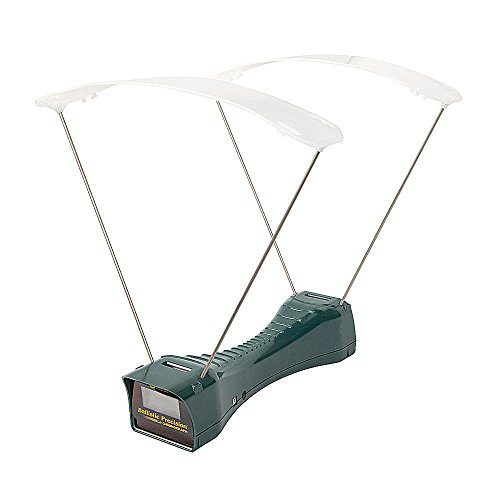
The WLDOCA Rechargeable Ballistic Chronograph is a velocity measurement device for projectiles, with kinetic energy measurement also included. It has a stated speed range of 1-2000 m/s, or 4-6500 FPS, and an energy range of 0.1-2000 J.
The unit records up to 36 sets of data and uses an infrared through-beam design with the light source integrated into the instrument. The display surface and operation buttons are both on the front.
Key Details
| Detail | Verified information and buyer relevance |
|---|---|
| Brand | WLDOCA |
| Product type | Rechargeable ballistic chronograph for velocity measurement |
| Speed range | 1-2000 m/s, or 4-6500 FPS, for checking projectile velocity within the stated range. |
| Energy range | 0.1-2000 J, for kinetic energy measurement within the stated range. |
| Data storage | Records up to 36 sets of data. |
| Tripod interface | 1/4 standard tripod interface for mounting checks. |
| Measurement tolerance | ≤1% stated tolerance. |
| Light source | Infrared through-beam type with the light source integrated into the instrument. |
What to Compare Before Buying
- Measurement range: Check whether the stated 1-2000 m/s and 0.1-2000 J ranges suit the type of projectile testing you plan to do.
- Mounting: The unit has a 1/4 standard tripod interface, so confirm your stand or support matches that fitting.
- Data needs: It stores up to 36 sets of data, which matters if you want to keep a longer series of results before clearing or transferring them.
- Operating layout: The front display and front buttons may matter if you want a straightforward viewing and control position.
- Power protection: The battery core includes overcharge, over-discharge and short-circuit protection, along with intelligent shutdown and low-battery shutdown functions.
Setup and Correct Use
The instrument is intended to start measuring after switching on, without setting or adjusting an initial test speed. For kinetic energy measurement, the measured object weight must be entered before testing.
It is an infrared through-beam type with the light source built in, so no external light source is needed. Try to avoid strong light shining directly on the sensor on the main unit.
Before You Decide
Check the 1-2000 m/s velocity range, the 0.1-2000 J energy range and the 36-set data storage against your testing needs. Confirm that the 1/4 tripod interface matches your mounting setup, and follow the supplied instructions for the exact operating steps. If strong light may fall directly on the sensor in your setup, consider whether that layout is suitable.
Product-Specific Value-Add Section
A simple way to plan use is to think first about the measurement setup rather than the reading itself. If you already have a compatible tripod or support, position the chronograph so the front display is easy to see and the sensor is not exposed to direct strong light. That makes it easier to keep the test area consistent while you work through a series of readings.