
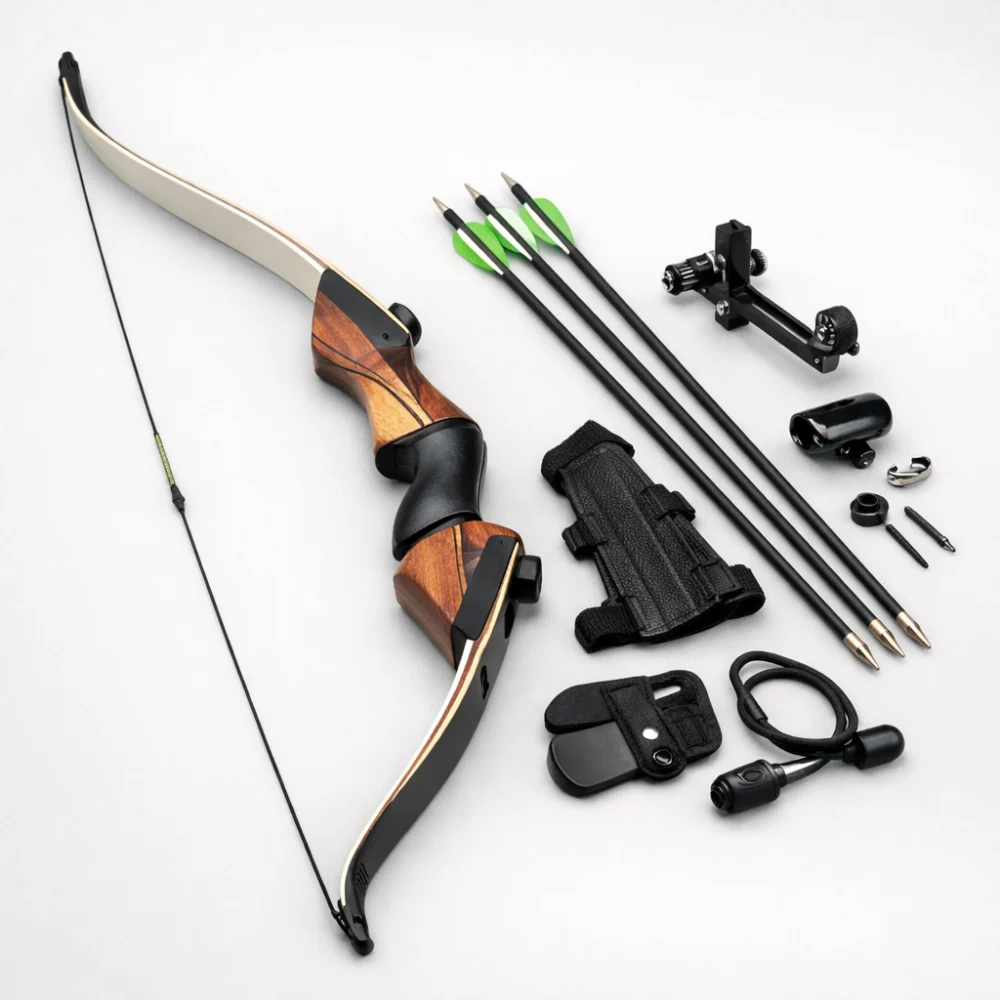
Recurve bows are a popular choice for archery because they suit a wide range of uses, from target practice to traditional-style shooting. They are also a category where small differences in build, draw weight and setup can have a big effect on comfort and usability.
If you are comparing recurve bows, the main challenge is not finding a bow with a similar name, but finding one that matches your draw, experience and intended purpose. Specifications vary by model, so always check the individual product page before buying.
This guide focuses on the choices that matter most when you are narrowing down recurve bows, without drifting into other bow types.
What should you look for in a recurve bow?
Start with fit, intended use and draw weight. A recurve bow that feels manageable and suits your style of shooting is usually a better choice than one that simply sounds more powerful. The best starting point is to compare the bow’s intended use, its size or design style, and whether its draw weight looks appropriate for your experience.
The main trade-off is between ease of control and shooting power. Heavier draw weights can be harder to hold and repeat consistently, especially for newer archers, while lighter options are generally easier to handle but may not suit every goal.
| Feature | What It Means | Why It Matters | What To Check |
|---|---|---|---|
| Draw weight | How much force is needed to draw the bowstring | It affects how easy the bow is to hold, aim and shoot consistently | Check the stated draw weight and whether it suits your current ability |
| Bow length | The overall size of the bow | It can affect handling, stability and how comfortable the bow feels | Compare the listed length with your intended use and shooting style |
| Bow type or build | Whether the bow is one-piece, takedown or a more adjustable design | It affects storage, transport and how easy the bow is to change later | Look for the build style described on the product page |
| Handedness | Which hand the bow is designed to be held and drawn with | Choosing the wrong orientation can make the bow awkward or unsuitable | Confirm left-handed, right-handed or ambidextrous suitability |
| Intended use | Whether the bow is aimed at target shooting, leisure use or a more traditional style | Different designs can feel better for different kinds of shooting | Check the product description for the intended application |
| Included components | Any arrows, string or accessories supplied with the bow | Bundles can simplify a first purchase, but contents vary a lot | Read the listing carefully to see exactly what is included |
Key decision criteria explained
Draw weight
Draw weight is one of the most important choices because it affects how demanding the bow feels in use. For many buyers, the mistake is choosing based on ambition rather than comfort. A bow that is too heavy can be tiring and harder to control, while a more manageable draw weight is often a better route to consistent shooting.
Bow length and overall feel
Longer bows may feel steadier to some shooters, while shorter bows can feel more compact and easier to move around. There is no universal answer here; the right choice depends on how you plan to shoot and how the bow feels in your hands. Focus on the product’s stated dimensions and the intended style of use.
One-piece, takedown and adjustable styles
Some recurve bows are built as a single unit, while others are takedown designs that come apart for storage or transport. Takedown bows may also be easier to adapt over time, depending on the product. If convenience matters, look closely at how the bow is described and whether any extra parts are required.
Left-handed, right-handed and ambidextrous options
Handedness matters more than many first-time buyers expect. A bow that does not match the intended hand orientation can feel awkward and may not be suitable for comfortable use. If a listing mentions ambidextrous use, still check exactly how the product is intended to be held and shot.
Which recurve bow type suits different buyers?
Within this category, the most useful differences are usually about setup style and intended use rather than dramatic changes in function.
- Traditional-style bows: These may suit buyers who want a simple, classic feel and minimal complexity.
- Takedown bows: These can suit buyers who value easier storage, transport or the ability to change components later.
- Starter-friendly bundles: These may suit buyers who want a more complete first purchase, provided the contents are clearly listed.
Whichever type you choose, check whether the bow is aimed at a beginner, a more experienced archer or a general-purpose user.
How to match the bow to your needs
| Buyer need | What to prioritise | Why it helps |
|---|---|---|
| First-time buyer | Comfortable draw weight, clear handedness and simple setup | Makes the bow easier to learn with and less likely to feel overwhelming |
| Storage or transport matters | Takedown design and clear component listing | Can make the bow easier to carry and store between uses |
| General recreational shooting | Balanced feel and a straightforward description of intended use | Helps you choose a bow that is practical without overcomplicating the decision |
| More traditional interest | Classic-looking design and clear build description | Lets you compare appearance and handling without relying on assumptions |
Common mistakes and misunderstandings
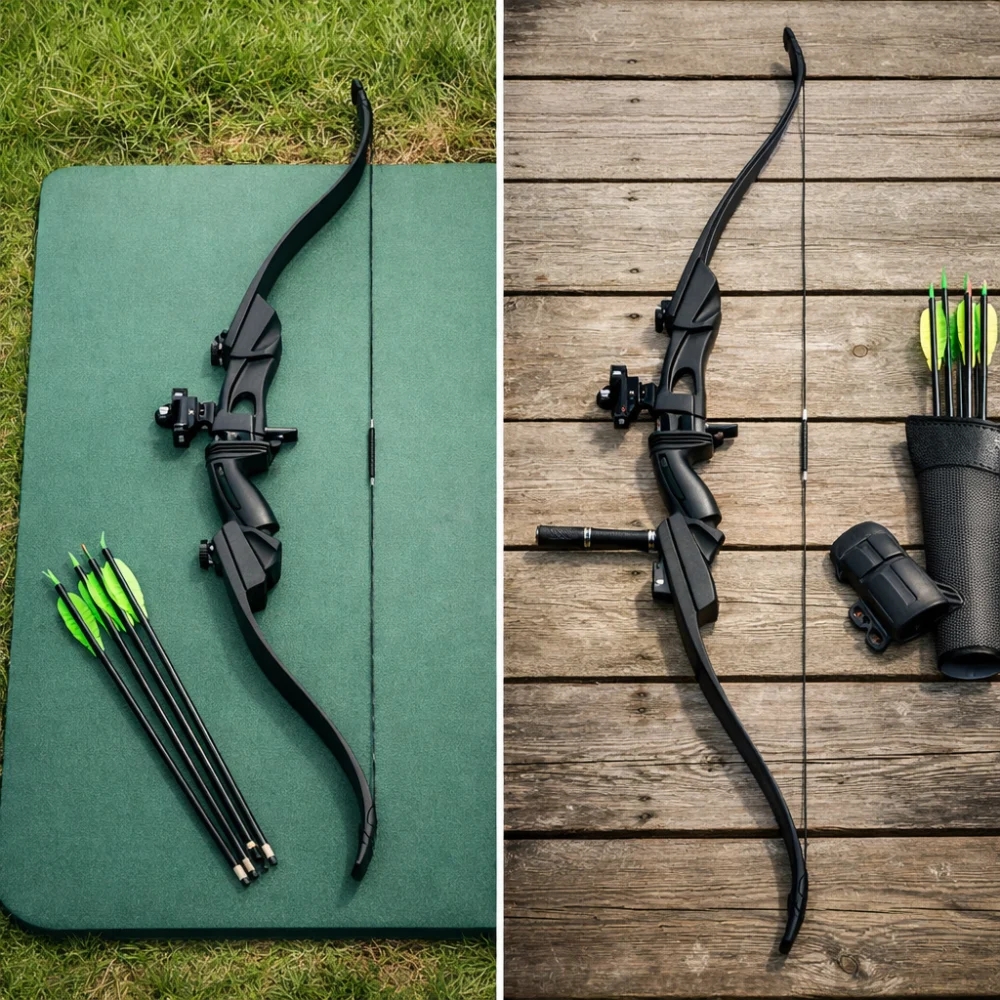
- Buying on draw weight alone: Higher numbers do not automatically mean a better bow for your needs. Comfort and control matter just as much.
- Ignoring handedness: A bow can look suitable on paper but still feel wrong if the orientation does not match the shooter.
- Assuming every bundle includes the same extras: Some listings include arrows or accessories and others do not, so read the inclusions carefully.
- Overlooking storage needs: A one-piece bow may be less convenient if you need compact storage, while a takedown design may suit that better.
Safety and suitability caveats
Recurve bows should be chosen with care for the intended user and setting. Check that the bow is appropriate for your experience, that the handedness is correct and that any included accessories are clearly identified. If you are buying for someone else, it is better to choose a bow that is easier to manage than one that appears more advanced on paper.
Do not assume that product titles alone tell the full story. Look at the individual listing for the exact configuration, contents and any stated suitability notes.
Maintenance, storage and lifespan considerations
General care can affect how long a bow stays in good condition. Store it in a dry, safe place and check what parts need care or replacement over time, especially if the product is a takedown design or includes a string and accessories. Avoid assuming that every bow includes the same maintenance needs; the product page should be your guide.
If a bow is stored or transported often, consider how easy it is to keep protected and assembled correctly. This can matter as much as the bow itself when deciding between options.
How to compare options efficiently
- Decide what you want the bow for: practice, recreation, a traditional look or a more portable setup.
- Check handedness and draw weight first, because these affect comfort most directly.
- Compare bow length, build style and any included extras.
- Weigh convenience against simplicity, especially if you are choosing between one-piece and takedown designs.
- Read the individual product page carefully before making a final choice.
Summary buyer decision checklist
- Is the bow suitable for the intended user and their experience level?
- Does the handedness match the shooter?
- Is the draw weight comfortable for the intended use?
- Does the bow length and build style suit storage and handling needs?
- Are the included items clearly listed?
- Have you checked the individual product page for the exact specification?
Frequently asked questions
What is a recurve bow used for?
Recurve bows are commonly chosen for target practice, recreational shooting and traditional-style archery. They appeal to buyers who want a straightforward bow with a classic feel. The exact use depends on the model, so it is worth checking the listing rather than relying on the category name alone.
Is a takedown recurve bow easier to own?
It can be, especially if you want easier storage or transport. A takedown bow may also be more convenient if you prefer a setup that can be separated into parts. Whether that is worthwhile depends on how you plan to store, carry and use the bow.
How important is handedness?
Very important, because it affects how naturally the bow can be held and drawn. A mismatch can make the bow uncomfortable or unsuitable. Always check whether the product is left-handed, right-handed or ambidextrous before buying.
Should a beginner choose the heaviest draw weight available?
No. A bow that is too demanding can be harder to use consistently and less enjoyable to learn with. Many buyers are better served by a manageable draw weight that supports control and repetition.
Do bundles always include arrows and accessories?
No, and that is a common misunderstanding. Some listings include a set of extras, while others may only include the bow itself or a smaller selection of items. Check the product page closely to see exactly what comes with the bow.
Can the same recurve bow suit different purposes?
Sometimes, but not always. A bow that feels comfortable for casual target shooting may not be the best fit for a buyer who wants a more traditional look or a more portable setup. Compare the stated design and intended use rather than assuming one bow does everything equally well.

