
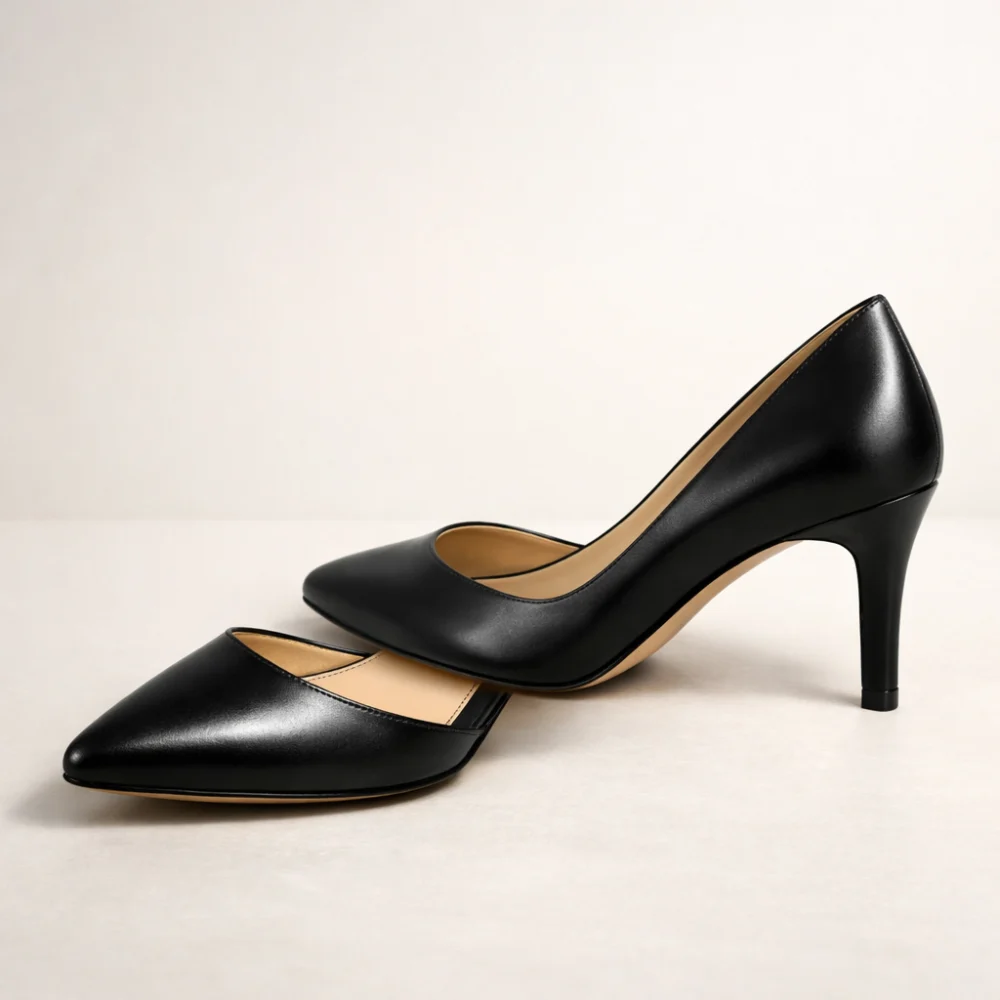
Women’s formal shoes cover a fairly broad range of smarter footwear, from court shoes and loafers to Mary Jane styles, brogues and dressier heeled designs. The right choice depends less on labels and more on how you plan to wear them, how much time you will spend standing, and whether you want something understated or more decorative.
If you are comparing options for work, events or smarter everyday wear, it helps to focus on shape, heel height, toe room, fastening and finish. Those details usually matter more than the style name alone.
What should you look for first in women’s formal shoes?
Start with comfort, occasion and fit. A shoe that looks formal but pinches, slips at the heel or feels unstable is unlikely to be worn often. For many buyers, the best starting point is to choose the style that suits the setting, then narrow it by heel height, toe shape and fastening.
Specifications vary by model, so always check the individual product page before buying. In this category, small differences in cut and shape can make a big difference to how a shoe feels once worn for a full day.
| Feature | What it means | Why it matters | What to check |
|---|---|---|---|
| Toe shape | How rounded, pointed or open the front of the shoe is | It affects the overall look and how much room the toes have | Look at the toe profile and consider whether you prefer a roomier or sharper fit |
| Heel height | Whether the shoe is flat, low, mid or higher heeled | It changes posture, stability and how long the shoes feel comfortable | Check the heel style and think about how long you will be standing or walking |
| Fastening | Lace-up, slip-on, strap or buckle design | It affects adjustability, hold and ease of putting the shoes on | Choose a fastening that suits your foot shape and how secure you want the fit to feel |
| Upper finish | The visible outer material and surface look | It changes the formality, appearance and how easily marks may show | Review the product images and description for the finish you want |
| Structure | How supportive or soft the shoe feels around the heel, sides and sole | It influences day-long comfort and how refined the shoe looks on foot | Check any fit notes, construction details and wearer guidance on the product page |
Key decision criteria explained
Heel height and stability
Heel height is one of the biggest comfort choices in formal footwear. Lower heels and flats are usually easier for longer wear, while higher styles can create a dressier look but may ask more of your balance and walking comfort. If you expect to be on your feet for long periods, a lower or blockier heel often feels more manageable than a narrow high heel.
Toe shape and room
Toe shape affects both appearance and comfort. Pointed styles can look sharper, but they may feel less forgiving if you prefer more space at the front. Rounded or almond-shaped toes may feel easier for everyday wear, especially if you want a shoe that can move between work and occasion use.
Fastening and hold
Formal shoes can be slip-on, lace-up or use a strap or buckle. Slip-ons are simple and often look clean, but they rely on the shoe being the right shape for your foot. Lace-ups and straps can offer a more adjustable feel and may be useful if you want better hold across the top of the foot.
Style finish and level of formality
The finish helps determine where the shoe fits best. A polished court shoe may suit dressier outfits, while loafers or brogues can work well when you want a smarter look that still feels practical. Think about whether the shoes need to work for office wear, events, or more varied use across the week.
Product types and variants
There is no single shape that defines women’s formal shoes, so it helps to compare the common styles by how they wear.
- Court shoes: A classic choice for smarter outfits, often chosen for a simple silhouette. They can be versatile, but the fit around the heel and toe is important.
- Loafers: A more structured slip-on style that can look polished without a heel. They suit buyers who want a smarter shoe with easier wear.
- Brogues: Usually a lace-up design with a more detailed appearance. They can suit workwear or smarter everyday looks, though they tend to feel less dressy than a plain court shoe.
- Mary Jane styles: Often include a strap across the foot, which can help with hold and add a slightly decorative look. They may suit buyers who want extra security with a formal finish.
- Dress sandals and heeled occasion styles: Useful for warmer weather or events where a lighter, more open shoe fits the outfit. They can look elegant, but may offer less coverage and support.
Choosing between them is usually about balance: the dressier the shape, the less forgiving it may be for long wear, while the more practical styles may look slightly less formal.
Which shoe suits which kind of buyer?
| Buyer need | What to prioritise | Why this helps |
|---|---|---|
| All-day office wear | Comfortable fit, moderate heel height, secure hold | These features make the shoes easier to wear for longer periods |
| Occasion or event use | Style finish, refined shape, coordinated look | The shoe may be worn for shorter periods where appearance matters more |
| Easy everyday smart wear | Low heel or flat design, simple fastening, versatile styling | This makes the shoes easier to pair with different outfits |
| More secure feel on the foot | Straps, laces or a firmer fit profile | Adjustable details can reduce slipping and improve confidence when walking |
| Broader outfit flexibility | Simple colours and classic shapes | These tend to work across more settings than highly decorative designs |
Common mistakes and misunderstandings
- Choosing by look alone: A shoe can appear formal online but still feel unsuitable if the toe box is too narrow or the heel is too high for your routine.
- Assuming all formal shoes fit the same: Court shoes, loafers and brogues can differ a lot in how they hold the foot and where they feel roomy.
- Ignoring the fastening: A slip-on style may be convenient, but if you need more hold, a strap or lace-up may be a better match.
- Overlooking the outfit context: Some formal shoes are better for office wear, while others are more suited to events or smart-casual use.
Safety and suitability caveats
Formal shoes should suit both the occasion and the amount of walking or standing you expect to do. A style that is appropriate for a seated event may not be the same one you want for a long day on your feet. If you have a preference for extra support, roomier toe shapes or lower heels, it is worth checking those details carefully before ordering.
Maintenance, storage and lifespan considerations
How you care for formal shoes can affect how they look and how long they stay presentable. Smarter finishes often benefit from gentle cleaning and careful storage, especially if they are only worn occasionally. If the shoes are likely to be used in varied weather or for longer days, it is sensible to think about how easy they will be to clean and whether they need a bit more care between wears.
It can also help to consider whether the style will be used regularly or only for special occasions. A shoe worn frequently may need a more forgiving fit and an easier finish to maintain, while a less frequently worn pair can prioritise appearance more heavily.
How to compare options efficiently
- Decide where you will wear the shoes most often.
- Choose the broad style that matches that setting.
- Compare heel height, toe shape and fastening first.
- Think about whether you need more comfort, more formality or more versatility.
- Check the individual product page for fit notes, finish and any model-specific details.
Summary buyer decision checklist
- Have you chosen a style that suits the setting?
- Does the heel height match how long you expect to wear them?
- Is the toe shape likely to feel comfortable for you?
- Do you prefer a slip-on, strap or lace-up fit?
- Will the finish work with the outfits you plan to wear?
- Have you checked the individual product page for model-specific details?
Frequently asked questions
Are women’s formal shoes only for special occasions?
No. Many formal shoe styles work for office wear, smarter day-to-day outfits and occasions as well as events. The more decorative or heeled designs are often better suited to shorter periods of wear, while simpler styles can be more versatile.
What is the most comfortable type of formal shoe?
That depends on foot shape and how you wear them, but lower heels, roomier toe shapes and secure fastenings are often easier for longer wear. A shoe that feels comfortable when standing still can still feel different after walking, so fit and purpose both matter.
Should I choose loafers or court shoes?
Choose loafers if you want a smart shoe that is often easier to wear and style for everyday use. Choose court shoes if you want a more classic formal look, especially for events or outfits that call for a dressier finish.
Do brogues count as formal shoes?
They can, depending on the design and the setting. Brogues often sit towards the smarter end of everyday footwear, and they may suit workwear or polished casual outfits more than strict occasion wear.
What matters more: heel height or toe shape?
Both matter, but heel height usually has the bigger effect on comfort over time, while toe shape affects fit at the front of the shoe. If you are unsure, start by choosing a heel height you can wear comfortably, then refine by toe shape and fastening.
How do I know if a formal shoe will suit my outfit wardrobe?
Look for a finish and silhouette that can work with more than one type of clothing. Simple colours and classic shapes usually offer more flexibility than highly decorative designs, which may be harder to pair.

