
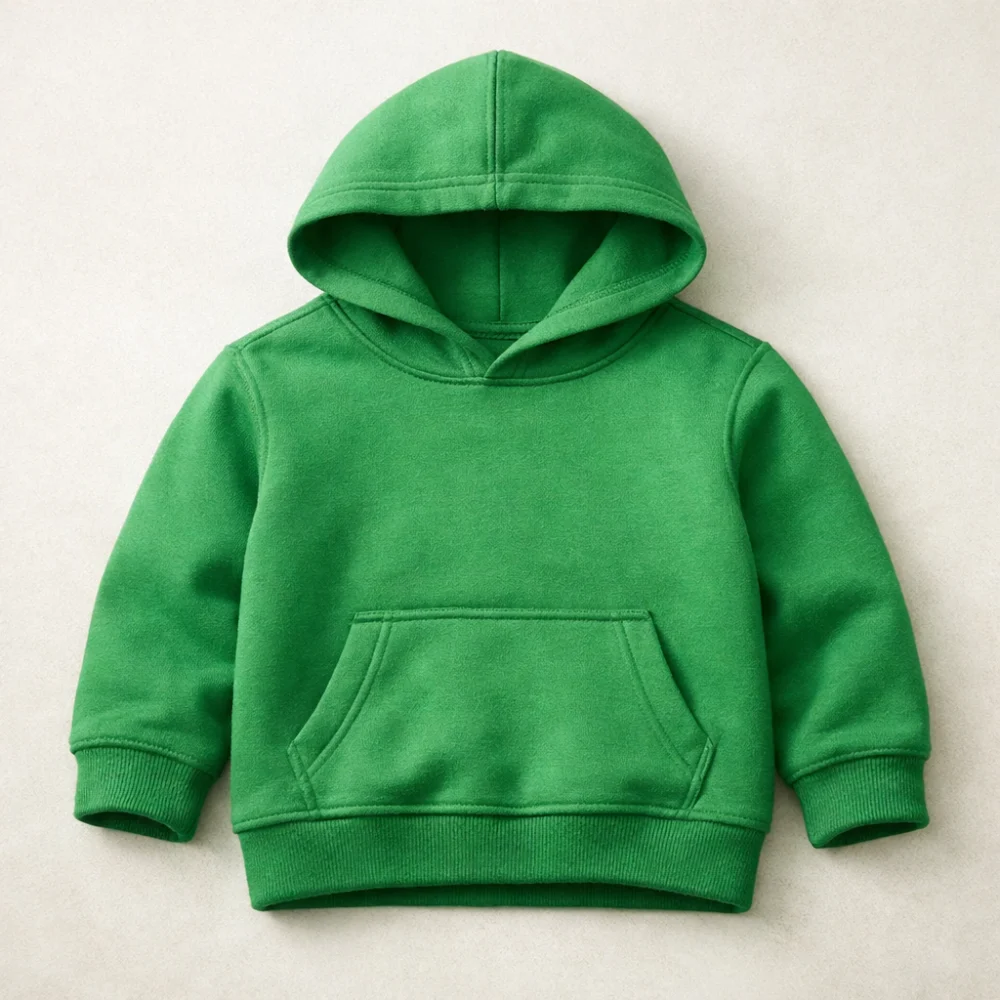
Kids hoodies are a familiar wardrobe staple for school runs, weekends, after-sport layers and relaxed everyday wear. The right choice is usually less about fashion alone and more about comfort, fit, warmth and how your child will actually wear it.
This guide helps you narrow down the options without getting lost in small differences. It focuses on the features that affect day-to-day use, so you can compare products more confidently and avoid paying for details that do not matter for your child.
If you are choosing for a growing child, think about where the hoodie will be worn most often and whether it needs to work as a light layer or a cosier top. Specifications vary by model, so always check the individual product page before buying.
What should you look for in a kids hoodie?
A good starting point is intended use. A hoodie for casual wear may simply need to feel comfortable and wash easily, while one for outdoor layering may need a shape that fits well over a base layer or under a coat. The main trade-off is usually between softness, warmth, and how bulky the hoodie feels. A slightly roomier fit can be practical for growing children, but too much extra space can feel awkward or reduce comfort.
| Feature | What it means | Why it matters | What to check |
|---|---|---|---|
| Fit | How the hoodie sits on the body | Affects comfort, movement and how well it layers | Look for the stated age or size range, plus any notes about relaxed or regular fit |
| Fabric feel | The general softness and structure of the material | Influences everyday comfort and how the hoodie drapes | Check the fabric description and whether it is brushed, fleece-lined or plain sweatshirt fabric |
| Warmth level | How much insulation the hoodie is likely to provide | Helps match the hoodie to indoor use, mild weather or extra layering | Read the product description for lining, thickness or fleece details |
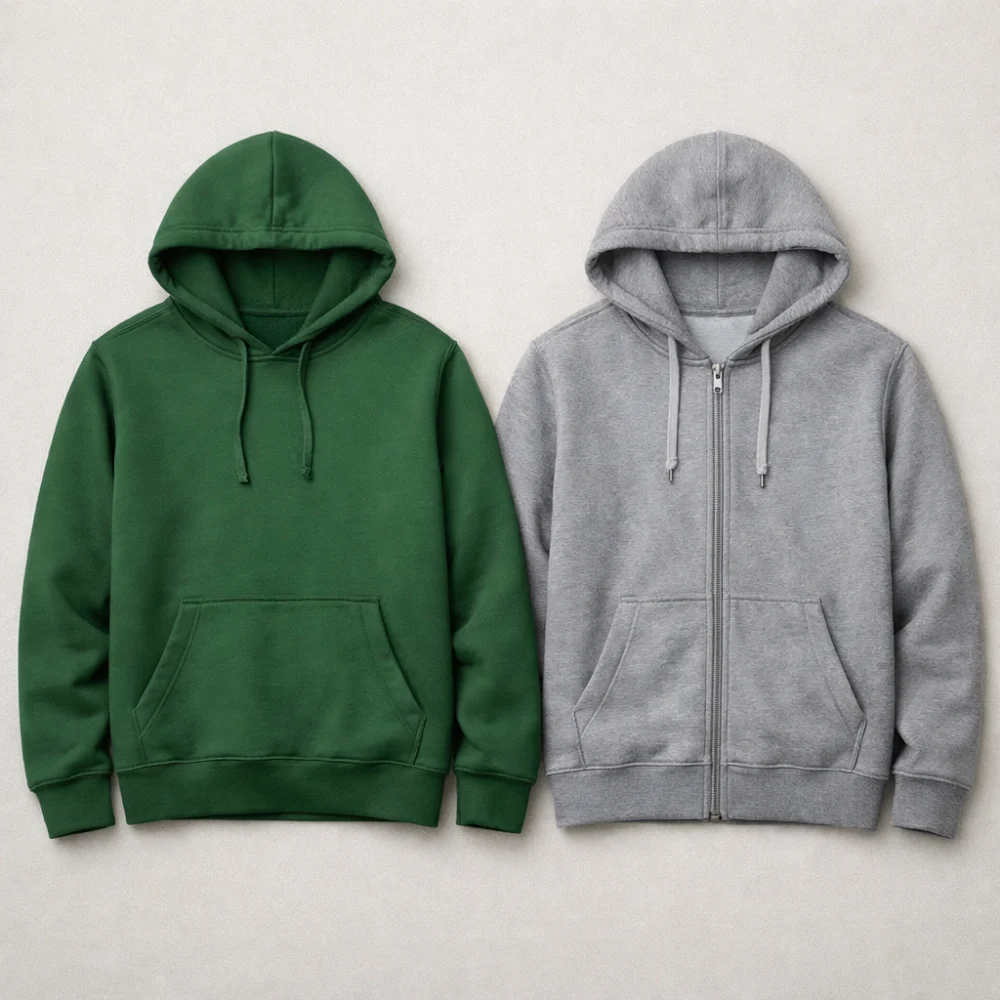
| Fastening style | Pullover or zip-up design | Changes ease of dressing and layering flexibility | Choose the style that suits the child’s routine and independence |
| Care and washing | How the hoodie is likely to be maintained | Useful for busy family life and frequent wear | Check the care label information on the product page when available |
| Design details | Features such as hood shape, pockets or cuffs | Can affect practicality and how the hoodie feels in use | Review the photos and product notes to see whether the details are simple or more feature-led |
Key factors that make the biggest difference
Fit and room to grow
Kids hoodies are often bought with a little growing room, but the amount matters. Too little room may make the hoodie feel restrictive, while too much can get in the way of comfort and layering. If the child is between sizes, compare the product information carefully and think about whether the hoodie is meant for everyday use or for wearing over other clothing.
Pullover or zip-up
Pullover hoodies tend to feel simple and cosy, with fewer moving parts. Zip-up hoodies are easier to take on and off, which can be useful for children who want more flexibility across changing temperatures. The right choice depends on independence, comfort and how often the hoodie will be layered with other clothing.
Fabric weight and feel
Some hoodies are made to feel lighter and more casual, while others are designed to feel thicker or softer. That changes how warm, structured and bulky the hoodie will seem. If a child is sensitive to texture or prefers less bulk, the fabric description and product photos are worth checking closely.
Hood, cuffs and pockets
These details are often practical rather than decorative. A well-shaped hood may sit more neatly, cuffs can help the sleeves stay in place, and pockets may add convenience for everyday wear. None of these features is automatically necessary, so focus on whether they support the way the hoodie will be used.
Types and variants you are likely to see
Within kids hoodies, the main variations are usually style and fastening rather than highly technical differences. Pullover designs suit children who want a simple layer, while zip-up versions can be easier for changing temperatures and school-day practicality. Some options are plain and understated, while others are more characterful or graphic-led, which may matter more for personal preference than performance.
There may also be differences in how cosy or structured the hoodie feels. A softer fleece-style option can feel warmer and more relaxed, while a lighter sweatshirt-style hoodie may be better for regular layering. Think about the balance between warmth, flexibility and how much bulk you want to add.
Which hoodie suits which buyer need?
| Buyer need | What to prioritise | Why |
|---|---|---|
| Everyday casual wear | Comfort, easy fit and simple care | The hoodie will likely be worn often, so practicality matters more than special features |
| Layering under a coat | Less bulk and a fit that sits neatly | A bulky hoodie can feel uncomfortable under outerwear |
| Quick changes or busy mornings | Zip-up style and straightforward design | Easy on-and-off can make a real difference for younger children |
| Warm, cosy feel | Fleece-lined or thicker-feeling fabric | Some buyers want a more snug feel for cooler days or relaxing at home |
| Growing room | Clear size information and a not-too-baggy fit | Extra room can be useful, but too much reduces comfort and neatness |
Common mistakes to avoid
- Choosing only by age label. Sizes can vary, so it is better to check the individual product page for the stated sizing information.
- Assuming thicker always means better. A thicker hoodie may feel warmer, but it can also be too bulky for layering or indoor wear.
- Ignoring the fastening style. Some children are happier with a pullover, while others need the convenience of a zip-up.
- Buying a style that looks good but does not suit the child’s routine. The most useful hoodie is one they will actually want to wear regularly.
- Forgetting about washing and repeat wear. If the hoodie will be used often, easy care can matter as much as appearance.
Safety and suitability checks
For kids clothing, the main buying question is usually comfort and suitability rather than technical performance. Check that the hoodie is appropriate for the child’s age, size and usual activities, and look closely at product images and descriptions if the child has preferences around fit, texture or fastening style. If the hoodie will be used in cooler weather, remember that it is usually a layering item rather than a substitute for a proper outer coat.
Care, storage and how hoodies tend to wear over time
Hoodies are often bought for regular use, so care is part of the buying decision. A simple design may be easier to keep in rotation, especially if it will be worn, washed and worn again frequently. If the hoodie has printed or decorative details, check the product information for any care notes that may affect how you wash and store it.
Over time, comfort and appearance can be affected by how often the hoodie is worn, how it is washed and whether it is used as a layer under other clothing. A practical choice is usually one that fits the child’s routine and is easy to keep in decent condition.
How to compare kids hoodies efficiently
- Start with the main use: casual wear, layering, warmth or easy changing.
- Choose the style: pullover for simplicity, zip-up for flexibility.
- Check the fit information carefully, especially if the child is between sizes.
- Compare fabric feel, bulk and any details that affect comfort.
- Look at care notes and make sure the hoodie suits regular use.
Summary checklist before you buy
- Does the hoodie suit the child’s main use?
- Is the fit likely to be comfortable, not just roomy?
- Would a pullover or zip-up work better?
- Is the fabric weight appropriate for the season and setting?
- Are the care needs practical for your household?
- Do the size details on the product page make sense for the child?
Frequently asked questions
Should I buy a hoodie with room to grow?
Some extra room can be useful, especially for fast-growing children, but too much can make the hoodie awkward to wear. Aim for a balance between comfort and shape rather than choosing the biggest size available. If the hoodie is for layering, a little extra space may be practical.
Are zip-up hoodies better than pullovers?
Neither style is better for everyone. Zip-up hoodies are easier to remove and adjust, while pullovers can feel simpler and more cosy. The better choice depends on the child’s routine and how independent they are with dressing.
How do I judge whether a hoodie will be warm enough?
Start with the fabric description and any mention of fleece, lining or thickness. A hoodie can be useful for mild weather or layering, but it is not always a full cold-weather outer layer. If warmth is important, think about what it will be worn with rather than relying on the hoodie alone.
What matters most if the hoodie will be worn often?
Comfort, fit and easy care usually matter most for frequent wear. A simple design that the child likes and can move in comfortably is often more practical than something with lots of extras. If it is going to be washed regularly, practical care information is worth checking.
Can a hoodie replace a coat?
Usually not. A hoodie can add warmth and comfort, but it is generally better thought of as a layer rather than a substitute for proper outerwear. For colder or wetter conditions, consider it part of a layered outfit instead.
What should I check if I am buying as a gift?
Focus on broad fit, fastening style and a design the child is likely to wear often. If you are unsure about preference, a simple, versatile hoodie is usually easier to get right than a very specific style. Checking the stated size information on the product page is especially important for gifts.

