
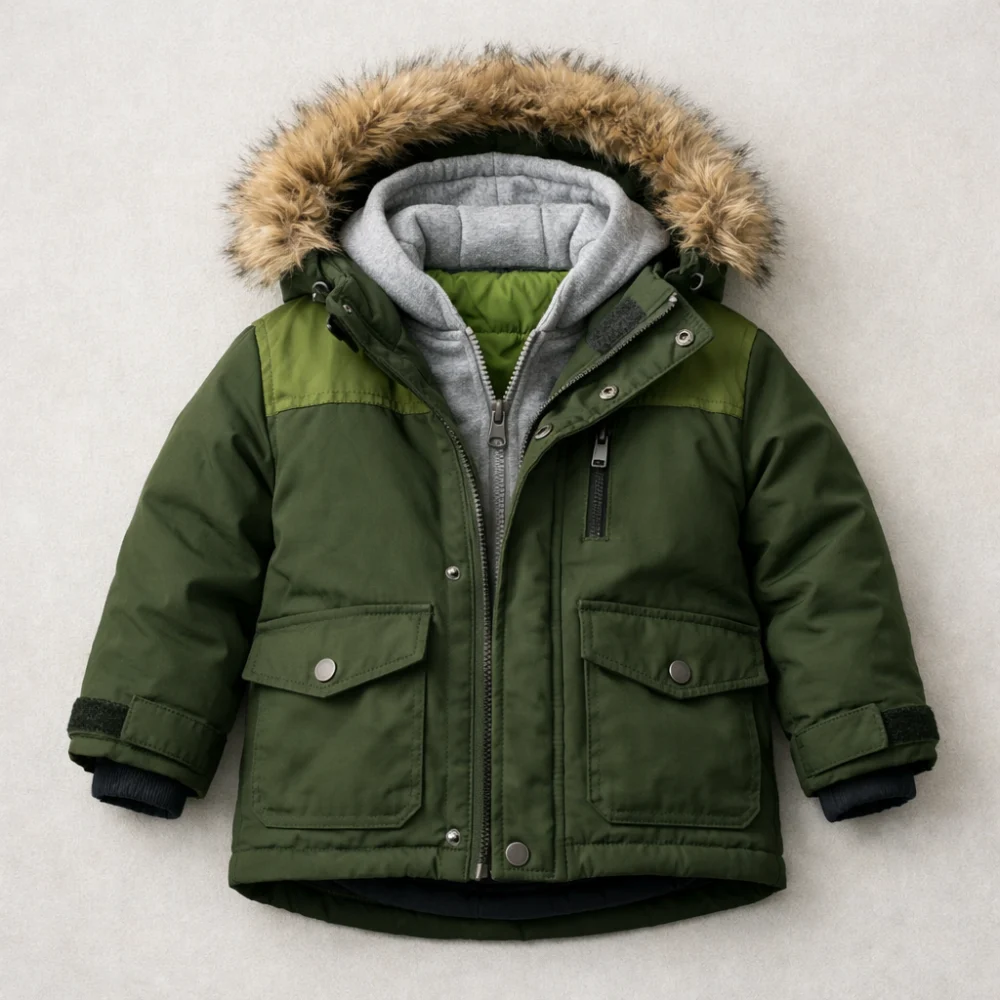
Kids parka jackets are a practical choice when a child needs a coat that feels warmer and more protective than a lightweight outer layer. They are often chosen for colder months, wet walks, school journeys and general everyday wear.
The right parka depends on how it will be used, how much warmth is needed and how much bulk a child can comfortably wear. It is worth looking closely at the hood, length, fastening, lining and outer fabric rather than assuming all parkas serve the same purpose.
Because styles vary, a parka can lean more towards warmth, shower resistance or simple everyday comfort. That makes it useful to compare the details carefully instead of choosing by appearance alone.
What should I look for in a kids parka jacket?
The best starting point is the balance between warmth, weather protection and ease of movement. A longer, more substantial parka may suit colder days and slower-paced wear, while a lighter version can be easier for school and active use. The main trade-off is that extra coverage and insulation can also mean more bulk and less flexibility.
| Feature | What It Means | Why It Matters | What To Check |
|---|---|---|---|
| Warmth | How much insulation and coverage the coat provides | Helps match the jacket to colder weather and the child’s comfort needs | Look at the lining, padding and overall thickness |
| Weather resistance | How well the outer layer copes with drizzle, wind and damp conditions | A useful coat should handle everyday outdoor use without feeling overbuilt | Check the product description for shower resistance, water resistance or waterproof wording |
| Length | How far the coat extends down the body | Longer parkas can offer more coverage and a cosier feel | Consider whether the child needs extra coverage or a shorter, easier-moving fit |
| Hood | Whether the hood is fixed or detachable, and how it sits | A hood can add practical protection in changeable weather | Check whether the hood is adjustable, detachable or trimmed in a way that affects comfort |
| Fastening | Zips, poppers, storm flaps or a combination | Good fastenings help the coat feel secure and easier to wear | Look for a closure that a child can manage and that suits the intended weather use |
| Pockets | Storage for gloves, small items or hand warmth | Useful in everyday use, especially for school and outings | Check pocket placement and whether they close securely |
| Fit and movement | How easily the coat layers over clothing and allows play | A coat that is too tight can be uncomfortable, while one that is too loose may feel awkward | Review sizing notes and consider room for a jumper underneath |
Which features matter most?
Warmth versus bulk
A parka is usually chosen for a warmer, more protective feel, but more insulation often means more weight and volume. That is useful if the jacket will be worn for waiting, walking or everyday winter use, but it may feel unnecessary for a child who is active most of the time. Think about whether the priority is cosy coverage or easier movement.
Weather protection
Not every parka is designed for the same level of wet-weather use. Some are mainly about warmth with a degree of shower resistance, while others are made to cope better with rain and wind. Specifications vary by model, so always check the individual product page before buying.
Fit and layering
Children often wear parkas over school uniform or winter layers, so the fit should leave enough room without looking oversized. A coat that is too close-fitting can restrict movement, especially in the shoulders and sleeves. A slightly roomier fit may be more versatile, provided it is not so loose that it feels awkward to wear.
Hood design
Hoods can be a practical advantage, but comfort matters as much as coverage. A hood that sits well and does not feel bulky is often easier for children to keep on. Detachable trims or detachable hoods may be useful for some families, but they are not essential for everyone.
Types and variants within the category
Kids parka jackets are usually best thought of as a style family rather than a single product type. Within that style, some versions feel more padded and winter-ready, while others are lighter and better suited to milder days.
- Heavier winter parkas: suited to colder weather and longer wear, but often bulkier.
- Everyday parkas: a balanced option for school and routine use, with less emphasis on maximum warmth.
- Shower-resistant parkas: useful when the main need is everyday protection rather than full wet-weather performance.
The useful question is not which version is generally better, but which one matches how the coat will actually be worn.
How different buyers can compare options
| Buyer need | What to prioritise | Why |
|---|---|---|
| School and everyday wear | Comfort, easy fastening, sensible fit | The coat needs to be practical for regular use and easy to put on quickly |
| Cold-weather use | More coverage, insulation and a secure hood | Extra warmth matters more when the coat will be worn for longer periods outdoors |
| Wet or changeable weather | Outer fabric with clearer weather-resistance details | Some parkas cope better with drizzle and wind than others |
| Active children | Freedom of movement and not too much bulk | A lighter-feeling coat may be easier for play and movement |
| Growing room | Fit that allows layering without being oversized | Room for a jumper is useful, but too much excess can reduce comfort |
Common mistakes to avoid
- Choosing by style only: a parka may look suitable but still be too warm, too light or too bulky for the intended use.
- Ignoring the weather description: some coats are mainly warm, while others offer more explicit protection against damp conditions.
- Buying too much room: a jacket with excessive growing space can hang awkwardly and feel less comfortable.
- Overlooking closure details: a child-friendly zip or fastening can make everyday use much easier.
- Assuming every hood behaves the same: hood shape, adjustability and bulk can affect comfort more than buyers expect.
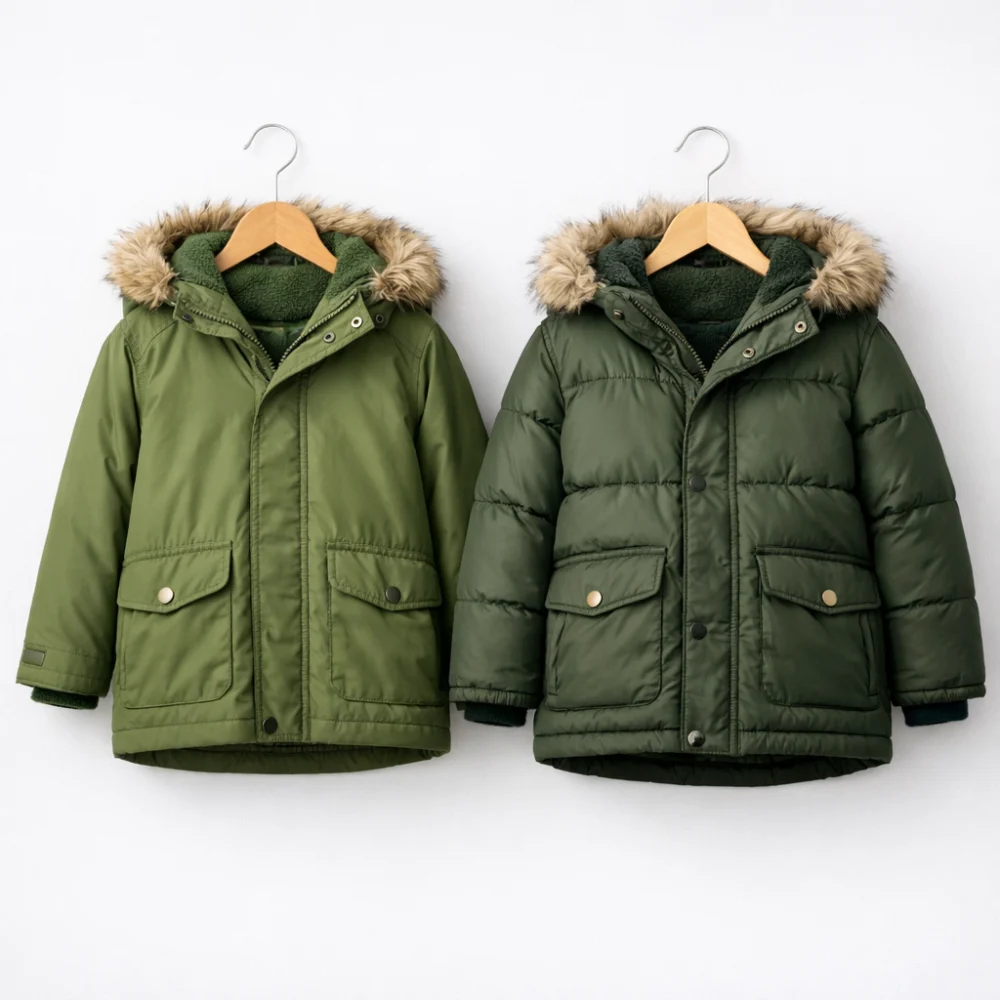
Safety and suitability checks
A kids parka jacket should suit the child’s age, size and intended use. For outdoor wear, the important point is not only warmth but also whether the jacket is comfortable enough to wear regularly and easy enough to manage without fuss.
If a coat will be worn in wetter conditions, check the product wording carefully rather than assuming any parka is fully waterproof. For children with specific needs around fit, mobility or layering, the product page is the best place to confirm details.
Care, storage and lifespan considerations
General care can affect how long a kids parka remains useful, especially if it is worn often through wet or muddy seasons. Check whether the outer fabric and lining are straightforward to clean, and think about how much drying space the coat may need after use.
Heavily insulated parkas can take longer to dry than lighter jackets, so that can matter if the coat is part of a school routine. It is also sensible to think about seasonal storage if the jacket will only be worn for part of the year.
How to compare kids parka jackets efficiently
- Start with the main use: school, cold weather, damp days or general everyday wear.
- Decide how warm you want the coat to feel and how much bulk is acceptable.
- Check the hood, fastening, length and fit details on the individual product page.
- Compare the weather-resistance wording carefully, rather than assuming all parkas perform the same way.
- Choose the option that balances comfort, coverage and practicality for the child who will wear it.
Summary buyer decision checklist
- Will the coat be worn mainly for school, outings or colder outdoor use?
- Is the level of warmth appropriate for the weather it will face?
- Does the fit allow comfortable movement and layering?
- Is the hood and fastening design practical for everyday use?
- Does the jacket’s weather resistance match what you expect from it?
- Will the coat be easy to care for and dry between wears?
Frequently asked questions
Are kids parka jackets meant for winter?
Often, yes, but not every parka is equally warm. Some are designed as cosy winter coats, while others are better described as everyday outer layers with a parka style. Check the amount of insulation and the product wording rather than relying on the name alone.
Are parkas waterproof?
Not necessarily. Some offer shower resistance or water resistance, while others are mainly focused on warmth and coverage. If wet-weather use matters to you, look for the specific description on the product page.
Should I size up for growing room?
Sometimes a little extra room helps with layering, but too much can make the coat less comfortable and less practical. A better approach is to check the fit guidance and consider what the child will wear underneath. The goal is enough space for movement, not a coat that feels oversized.
What makes a parka different from other kids jackets?
A parka usually suggests a longer, more substantial coat shape with a focus on coverage and warmth. Compared with lighter jackets, it often feels more suitable for colder weather. The exact balance still varies from model to model.
Are detachable hoods or trims useful?
They can be, especially if you want a bit more flexibility in everyday wear. Some buyers prefer the choice of removing a hood or trim, while others do not need that feature at all. It is a preference rather than a universal requirement.
What matters most for school use?
Comfort, practical fastening and a fit that works over layers are usually the main priorities. A coat that is too bulky or awkward can be less useful than one with slightly less insulation but better day-to-day ease. Think about what will be worn most often, not just the coldest day.
How can I tell whether a parka will be too heavy?
Look for clues in the overall description, such as padding, length and lining. If a child needs a coat for active use, a very substantial parka may feel unnecessary. When in doubt, compare it with the kind of jacket they already find comfortable.

