
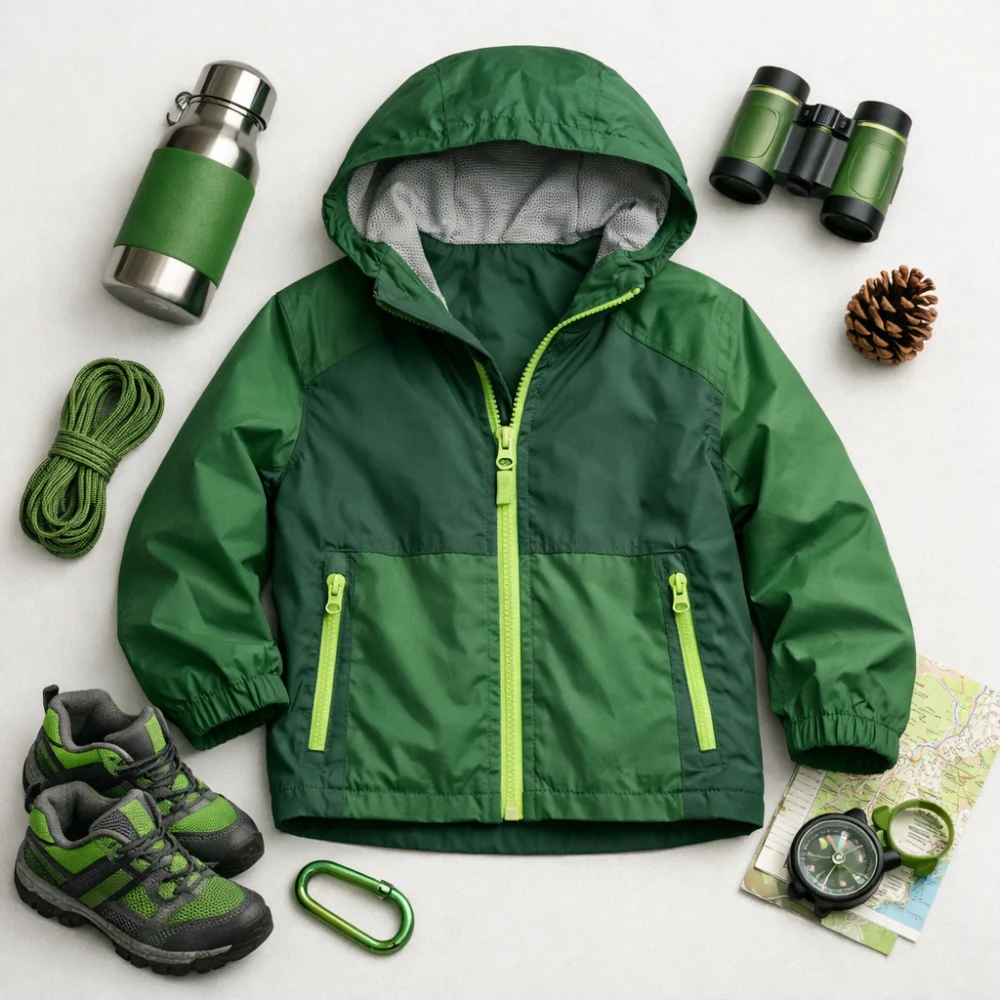
Kids windproof jackets are a practical choice for changeable weather, especially when a child needs a light outer layer rather than a heavy coat. They are designed to help cut the chill from breezy days, which can make outdoor time more comfortable without adding too much bulk.
Because children’s needs vary so much, the right jacket depends on how it will be used. A jacket for walking to school may need a different balance of warmth, coverage and ease of movement from one chosen for park visits, travel or general everyday wear.
This guide helps you compare the features that matter most, avoid common buying mistakes and narrow the choice to a jacket that fits your child’s routine.
What should you look for in a kids windproof jacket?
The best starting point is how much protection your child actually needs. A windproof jacket can be a useful everyday layer when you want something lighter than a winter coat, but the right choice still depends on fit, lining, hood design and how much layering space you want underneath. Specifications vary by model, so always check the individual product page before buying.
| Feature | What it means | Why it matters | What to check |
|---|---|---|---|
| Wind protection | How well the outer layer helps reduce draughts | Improves comfort in breezy conditions | Product description, fabric notes and any wind-resistant wording |
| Warmth level | Whether the jacket is light, lightly lined or more heavily insulated | Affects whether it works alone or as part of a layering system | Lining details, thickness and whether extra layers will fit underneath |
| Breathability | How easily heat and moisture can escape | Helps avoid overheating during active wear | Fabric description and whether the jacket is intended for active use or everyday wear |
| Fit and movement | The shape and cut of the jacket on the body | Children need room to move, climb and play | Size guidance, sleeve length, hem shape and whether the cut looks roomy or slim |
| Fastenings and hood | Zips, poppers, cuffs and hood style | These affect how easy the jacket is to wear and how much coverage it gives | Closure type, hood attachment and whether cuffs or hems help seal out draughts |
| Ease of care | How simple the jacket is to clean and maintain | Important for school wear and everyday use | Care label, washing instructions and whether the finish may need gentle treatment |
Key decision criteria explained
Wind protection versus warmth
Windproof does not automatically mean warm. Some jackets are mainly designed to block draughts, while others add lining or padding for extra comfort in colder conditions. Think about whether the jacket is for mild, breezy weather or for cooler days when a child will stay outside longer.
If you expect cold mornings, look at whether the jacket can work over a jumper or fleece. If you expect active play, a lighter option may be more comfortable than a thicker one.
Fit, movement and layering
Children usually need enough room to reach, run and bend comfortably. A jacket that is too tight can restrict movement or make layering difficult, while one that is too loose may feel awkward to wear. The aim is usually enough space for everyday movement without creating unnecessary bulk.
Check the size guidance carefully and think about what your child will wear underneath. If the jacket is for school use, a little extra room may be practical; if it is for active outdoor use, a neater fit may feel better.
Coverage and weather comfort
Details such as a hood, cuffs and hem shape can make a big difference to comfort in breezy conditions. A hood may be useful for sudden weather changes, while snug cuffs and a well-shaped hem can help reduce draughts. None of these features make a jacket fully weatherproof, but they do affect how well it handles everyday outdoor use.
Fabric and ease of care
Children’s outerwear tends to get worn often, so easy care is a real advantage. Some jackets will be simpler to clean and dry than others, and that can matter more than a small styling difference. When comparing options, check the care label and think about how much maintenance you are willing to do.
Types of kids windproof jackets
Within this category, the main differences are usually about construction rather than completely separate jacket types.
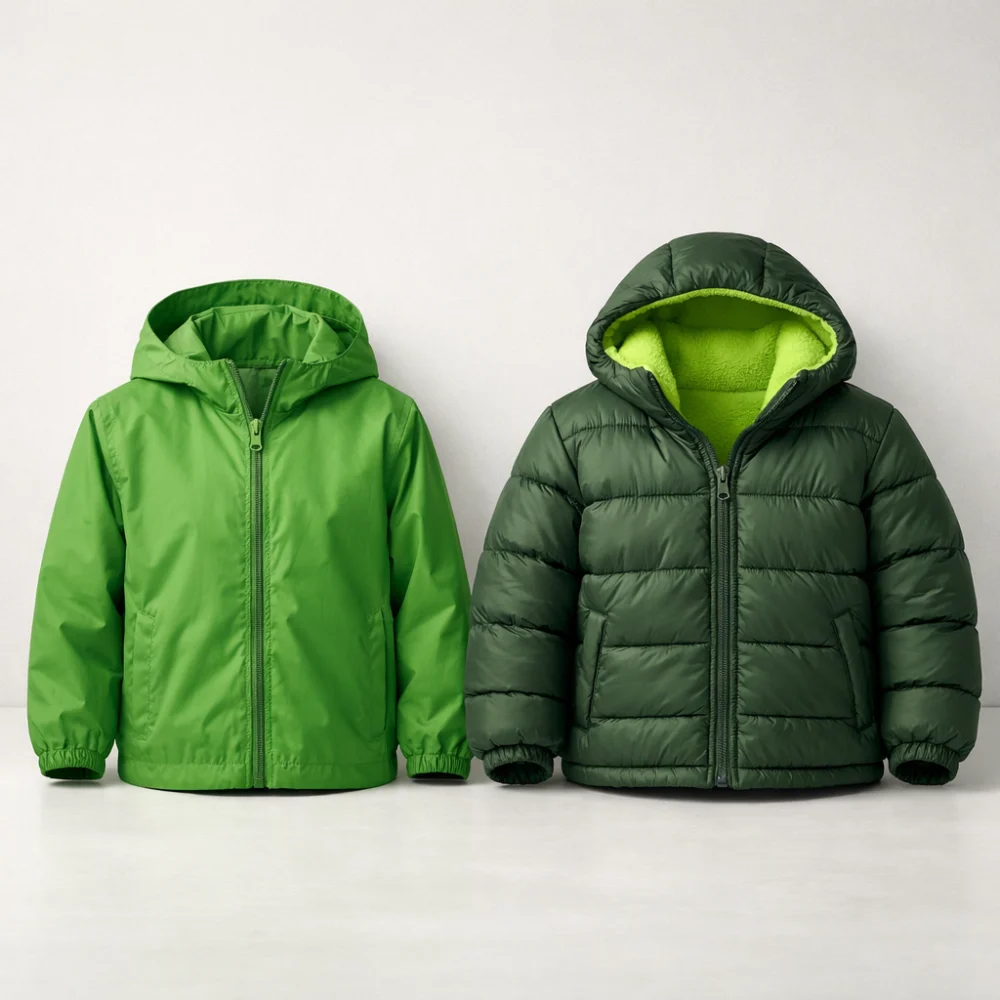
- Lightweight windproof jackets: Useful when the main goal is to block breezes without adding much weight. They suit mild weather and layering, but usually offer less warmth on their own.
- Windproof jackets with lining: These can feel more comfortable in cooler conditions and may work better for day-to-day wear. The trade-off is that they can be warmer and less packable.
- Hooded jackets: Helpful when you want a bit more coverage for changeable weather. The hood can be convenient, but it may not suit every child or every layering preference.
Which jacket suits which kind of buyer?
| Buyer need | Look for | Main trade-off |
|---|---|---|
| School or everyday wear | Easy fastening, sensible fit and straightforward care | May be less specialised for outdoor sport |
| Active play | Good movement, lighter feel and breathable construction | May offer less warmth if worn on colder days |
| Layering in cooler weather | Roomy enough fit and a lining that works over other clothing | A roomier jacket may feel less neat when worn alone |
| Occasional breezy use | Simple wind-resistant outer layer | Less insulation than a warmer coat |
| Frequent outdoor use | Balanced coverage, practical hood and easy care | Often a compromise between warmth, weight and flexibility |
Common mistakes and misunderstandings
- Choosing for warmth alone: A jacket that is too warm can be uncomfortable for active wear. Think about the child’s movement and the weather they will actually face.
- Ignoring fit over the shoulders and sleeves: A jacket may look fine at first glance but still restrict movement. Check the sizing information and consider how much layering space is needed.
- Assuming all windproof jackets are equally weather-resistant: Windproofing and water resistance are not the same thing. If damp weather matters, read the product details carefully.
- Overlooking care requirements: Some jackets are easier to wash and maintain than others. That can make a real difference for children’s clothing.
Safety and suitability caveats
When buying for children, focus on the intended use and whether the jacket is comfortable enough to wear regularly. A windproof jacket may be suitable for mild outdoor conditions, but it is not automatically a replacement for a warmer coat or a waterproof layer.
Check the product page for the details that matter to your situation, especially if the jacket will be used for school, active play or variable weather.
Maintenance, storage and everyday use
Kids’ outerwear usually lasts better when it is cleaned and stored according to the care label. Easy-care jackets are often more practical if the jacket will be worn frequently, packed into a school bag or used in changing weather.
If a jacket has a hood, lining or more structured outer fabric, it may need a little more attention when washing and drying. The main thing to check is whether the care routine fits your household, not just whether the jacket looks right.
How to compare options efficiently
- Start with the main use: school, play, travel or general everyday wear.
- Decide how much warmth you need and whether the jacket must work over layers.
- Compare fit, hood design, fastening type and ease of movement.
- Check care instructions and whether the jacket suits how often it will be worn.
- Read the individual product page for any details that vary by model.
Summary buyer decision checklist
- Will the jacket be used mainly for breezy weather, cooler days or layered wear?
- Is the fit roomy enough for movement and, if needed, extra layers?
- Does the hood, cuff and hem design suit the intended use?
- Are the fabric and care instructions practical for regular wear?
- Does the jacket offer the right balance of lightness, warmth and coverage?
Frequently asked questions
Are kids windproof jackets warm enough for winter?
Sometimes, but not always. Many windproof jackets are better viewed as outer layers for breezy or cool weather rather than as full winter coats. If winter warmth is important, check whether the jacket is lined or intended to be worn over insulating layers.
Can a windproof jacket replace a waterproof jacket?
No, not reliably. Windproofing helps with draughts, but it does not mean the jacket will keep a child dry in rain. If wet weather is a concern, look separately at waterproof clothing.
Should I buy a size up for growing room?
Some buyers do, but it depends on the jacket’s cut and intended use. Too much extra room can make sleeves awkward and reduce comfort, while a close fit may limit layering. Check the sizing guidance and think about how the jacket will be worn.
Is a hood important?
A hood can be useful for changeable weather and extra coverage, but it is not essential for everyone. Some children prefer a jacket without one, especially for everyday wear. Consider comfort, use and whether the hood is likely to be used often.
What matters most if the jacket is for school?
For school use, practical details usually matter more than specialist performance. A sensible fit, easy fastening, straightforward care and enough comfort for daily wear are all important. If the jacket will be worn often, durability and ease of washing are worth checking too.
How do I know if the jacket will be too bulky?
Look at the lining, padding and overall description of the jacket. A lighter windproof layer is usually easier to wear and pack, while a lined or padded style will feel bulkier but may be better for cooler days. The right choice depends on how much warmth you want to gain from the jacket itself.

