
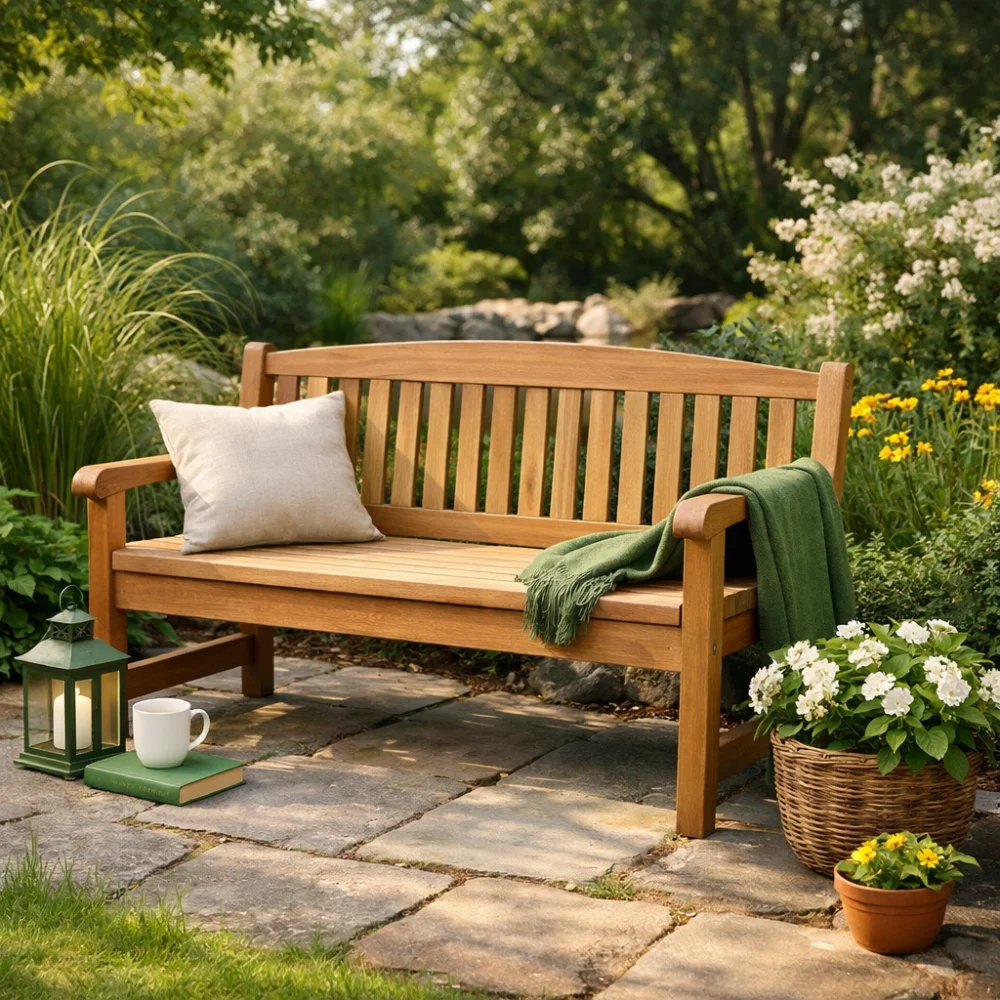
Garden benches can be a simple place to sit, a focal point in a seating area, or a practical extra seat for a patio, lawn or balcony. The right choice depends less on the name of the bench and more on how you plan to use it, where it will sit and how much maintenance you are happy with.
Because garden benches come in several styles and materials, it helps to compare them on comfort, size, durability and care rather than on appearance alone. A bench that looks ideal in a photo may still be awkward if it is too large for the space, too heavy to move, or not suited to the weather exposure where it will live.
This guide explains the main buying decisions so you can narrow the choice quickly and avoid paying for features you do not need.
What should you look for in a garden bench?
The best starting point is the space you have and the way you want to use the bench. After that, compare material, seating capacity, comfort, storage or extra features, and how much ongoing care the bench will need. A simple bench is often the easiest choice, but if you want the bench to do more than provide seating, it is worth weighing the extra trade-offs carefully.
Specifications vary by model, so always check the individual product page before buying.
| Feature | What it means | Why it matters | What to check |
|---|---|---|---|
| Size and seating capacity | How many people the bench is intended to seat and how much floor space it needs | Affects comfort, layout and whether the bench fits neatly in its intended spot | Overall dimensions, usable seating width and clearance around the bench |
| Material | The main construction such as wood, metal, plastic or mixed materials | Influences appearance, weather exposure, weight and upkeep | Material description, finish and any care guidance on the product page |
| Backrest and arms | Whether the bench offers extra support or a more minimal seat | Changes comfort, posture and the amount of visual bulk | Seat style, armrests and back height if comfort is important |
| Weight and portability | How easy the bench is to move or reposition | Important if you like to rearrange furniture or store it seasonally | Product weight, whether assembly is needed and how often you plan to move it |
| Storage or extra features | Some benches include storage or companion functions | Can add practicality, but may also increase size or complexity | Storage volume, access, ventilation and whether the extra feature suits your use |
| Maintenance | How much cleaning, treatment or seasonal care the bench may need | Impacts ownership effort over time | Cleaning guidance, finish, cushion care and any storage advice |
Key decisions that affect the right bench
Space and scale
Measure the area first. A bench needs enough room not just for the seat itself, but also for people to sit down, stand up and walk past it comfortably. In a small patio or balcony, a compact bench can feel more useful than a larger decorative piece that dominates the space.
Think about visual scale as well as physical measurements. A heavy-looking bench can overwhelm a narrow area, while a lighter design may suit a smaller or more open garden.
Seating style and comfort
Some benches are designed for relaxed sitting with a backrest and arms, while others are more minimal and suit brief use or a decorative setting. If the bench will be used often, comfort matters more than appearance alone. Consider seat depth, back support and whether you want room for two people to sit comfortably without feeling cramped.
If you expect to use cushions, check that the bench shape and dimensions make sense for them. A cushion can improve comfort, but it should not be relied on to make a badly sized bench work.
Material and upkeep
Material affects both the look and the amount of care required. Some buyers prefer the natural character of wood, while others want a lower-maintenance material that is easier to wipe clean. Metal, wood and synthetic materials each bring different trade-offs in weight, upkeep and appearance.
Do not choose on appearance alone if the bench will sit in a more exposed position. A finish that works well in a sheltered spot may need more attention in a wetter or sunnier one.
Extra features and added practicality
Some garden benches do more than provide seating. Storage benches, for example, can help reduce clutter and keep outdoor items together, but they can also be bulkier and may need more thought about access and care. Companion-style bench sets can be useful where you want a more defined seating arrangement, but they are less flexible than a simple standalone bench.
Choose extra features only if they solve a real need. Otherwise, a straightforward bench may be easier to live with.
Common bench types and what they suit
- Classic two-seater benches suit smaller spaces, shared seating and flexible placement.
- Longer benches work better where you want more seating in one piece or a stronger visual statement.
- Storage benches suit buyers who want seating plus a place to keep outdoor items together.
- Companion-style benches can suit more settled seating areas, especially where you want a coordinated layout.
- Decorative or traditional styles suit gardens where appearance is a major part of the decision, provided the proportions still work for the space.
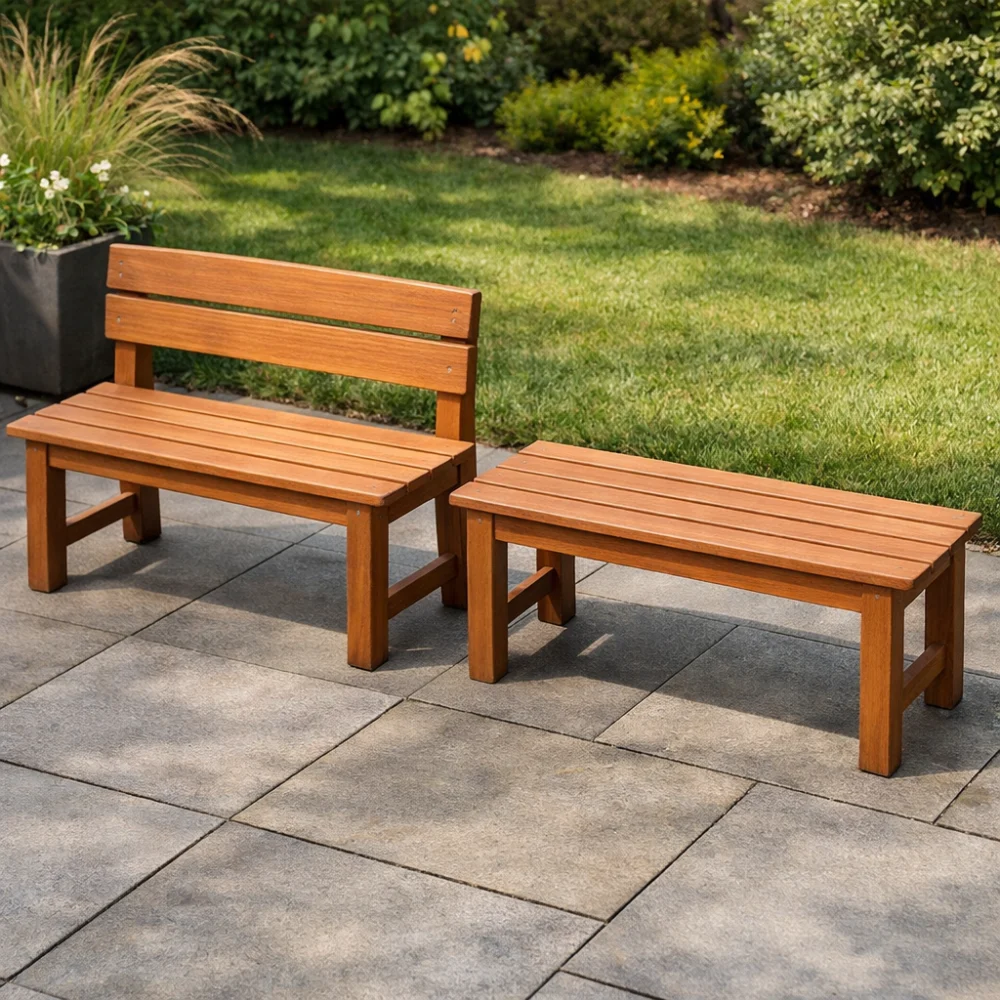
These types overlap, and product pages may describe them differently. Focus on the practical outcome you want rather than the label alone.
Which bench suits different buyers?
| Buyer need | What to prioritise | Why it helps |
|---|---|---|
| Small garden, patio or balcony | Compact dimensions, sensible seating width and a design that does not overwhelm the space | Makes the area feel usable without crowding it |
| Frequent casual seating | Comfort, back support and durable finishes | Improves everyday use and reduces regret after purchase |
| Low-maintenance ownership | Easy-clean materials and straightforward care guidance | Reduces the amount of upkeep needed through the seasons |
| Extra storage need | Bench with storage features that suit the items you want to keep nearby | Adds practicality, but only if access and capacity are suitable |
| Style-led buying | Shape, finish and overall proportion, checked against the real size | Helps the bench complement the outdoor space rather than dominate it |
Common mistakes to avoid
- Choosing by appearance only: a bench that looks good online may still be the wrong size or too formal for everyday use.
- Ignoring maintenance: some materials need more care than buyers expect, especially outdoors.
- Forgetting the surroundings: a bench should work with paths, doors, tables and planting, not just sit somewhere convenient.
- Overlooking comfort details: back support and seating width matter if the bench will be used regularly.
- Buying storage you will not use: extra features are only worthwhile when they solve a real problem.
Safety and suitability checks
For a garden bench, the main suitability questions are practical rather than technical. Check whether the bench is intended for outdoor use, whether it needs assembly, and whether the intended location is sheltered or exposed. If the bench will be used on an uneven surface, make sure its footprint and stability make sense for that spot.
If cushions or accessories are part of the plan, confirm whether they are included or need to be bought separately. It is also worth checking whether the bench is easy to move if you expect to store it away at certain times of year.
Maintenance, storage and lifespan factors
Outdoor furniture lasts better when it is kept clean and stored sensibly. A bench placed in a more exposed position may need more regular attention than one in a sheltered corner. If the material needs periodic care, think about whether you are comfortable doing that before you buy.
For benches with cushions or storage, check how those parts are cared for as well. A bench may be straightforward, but the total ownership effort can rise if the added features need separate maintenance or protection from the weather.
How to compare options efficiently
- Decide where the bench will go and how much space it can realistically use.
- Choose the type that fits the job: plain seating, storage, or a more decorative piece.
- Compare comfort, dimensions, material and upkeep, not just the image.
- Check how the bench will be used across the year, including any need to move or store it.
- Read the individual product page carefully for the exact details before buying.
Summary buyer decision checklist
- Have I measured the available space properly?
- Does the seating style suit how I will actually use the bench?
- Is the material and finish appropriate for the location?
- Do I want a simple bench or one with extra storage or features?
- Am I happy with the upkeep the bench may need?
- Will it work with the rest of the outdoor area?
Frequently asked questions
How do I choose the right size garden bench?
Start with the space where it will sit, then think about how many people you want to seat. Leave enough room around the bench for comfortable use, not just enough space for it to fit. If the area is tight, a more compact bench often feels better than a longer one.
Is a wooden garden bench more high maintenance?
It can be, depending on the finish and how exposed it is outdoors. Some buyers prefer wood for its appearance and character, while others want a lower-maintenance material. The main point is to match the care level to how much effort you are willing to put in.
Are storage benches worth choosing?
They can be useful if you genuinely need both seating and a place to keep items together. The trade-off is that they may be bulkier and can need more thought about access and care. If you only want somewhere to sit, a plain bench may be the simpler option.
Do I need armrests and a backrest?
Not always, but they can make a bench more comfortable for longer sitting. Minimal benches may look lighter and suit certain spaces better. The right choice depends on whether comfort, style or simplicity matters most to you.
Should I buy cushions with a garden bench?
Cushions can improve comfort, but they are only worthwhile if they fit the bench properly and suit the way you will use it. They may also add extra care needs. Check whether cushions are included or need to be bought separately.
What should I check on the product page before ordering?
Look for dimensions, material, seating style, assembly notes and any care guidance. If the bench has storage or other extra features, check the details carefully so you know exactly what you are getting. Specifications vary by model, so always check the individual product page before buying.

