
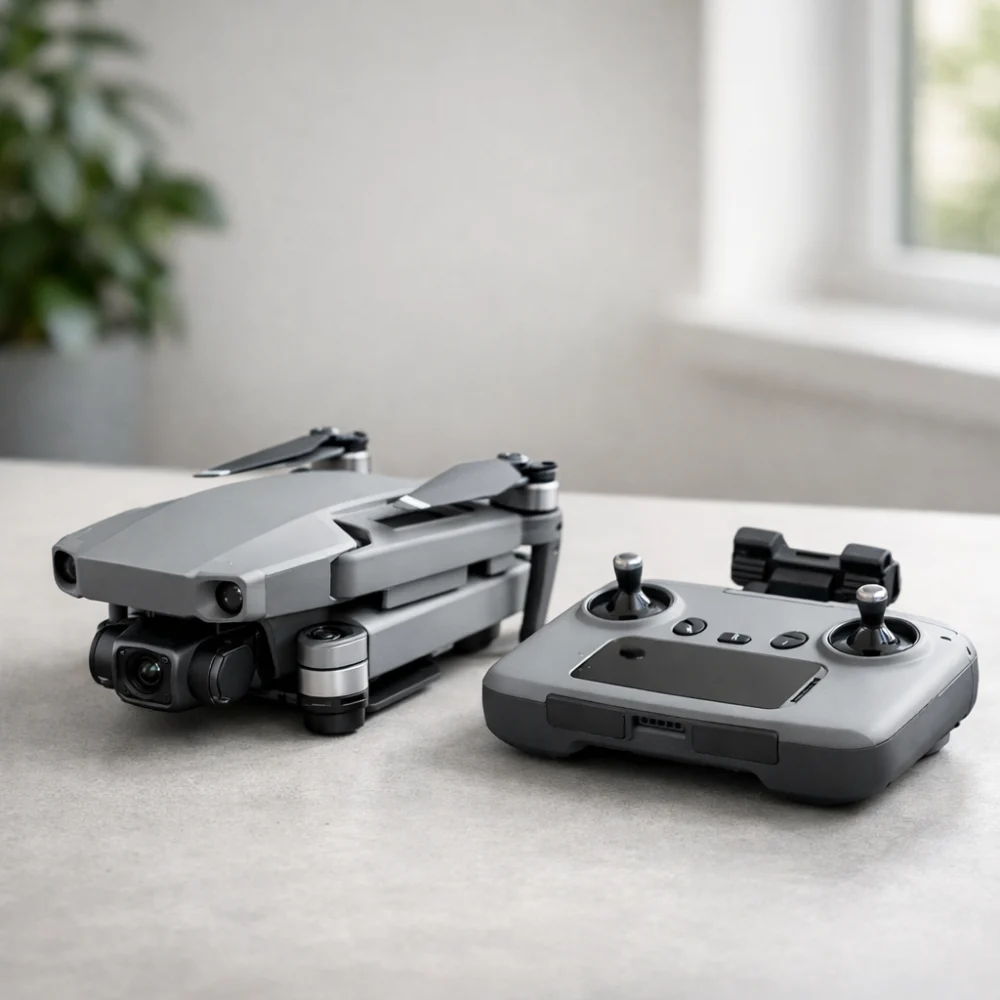
Holy Stone drones cover a wide range of needs, from first-time flying and casual camera use to more feature-rich models for buyers who want a little more control and stability. If you are comparing options in this category, the main challenge is not finding a drone, but deciding which features matter for the way you plan to fly.
This guide helps you focus on the differences that usually matter most: camera use, ease of flight, return-to-home functions, portability, and how much setup confidence you want. Specifications vary by model, so always check the individual product page before buying.
What should you look for in a Holy Stone drone?
Start with your main use case. If you want simple flying and occasional photos, a lighter, more beginner-friendly drone may be enough. If you care more about camera quality, steadier footage and smarter flight functions, look for models that emphasise GPS support, image stabilisation and longer flight time. The best starting point is usually the balance between ease of use and the features you will actually use most.
As a rule, the more camera and automation features you want, the more important it becomes to check battery count, transmission range, control app needs and whether the drone is described as suitable for beginners or more experienced users.
| Feature | What it means | Why it matters | What to check |
|---|---|---|---|
| Camera and image stabilisation | How the drone captures photos and video, and how steady that footage is likely to be | Important if you want usable aerial footage rather than just flight practice | Camera description, stabilisation type, and whether the model is aimed at casual or more serious camera use |
| Flight assistance | Features such as GPS support, auto return, follow functions and altitude holding | These can make flying simpler and reduce the amount of manual correction needed | Which assist features are listed on the product page and what the drone actually includes |
| Battery and flight time | How long the drone can fly on a charge, and whether extra batteries are included | Shorter flights can feel limiting if you want longer sessions or more practice time | Stated flight time, battery count and charging approach |
| Portability | How easy the drone is to carry and store | Useful if you plan to travel with it or keep it in a small bag | Foldable design, packed size and overall weight if provided |
| Beginner friendliness | How approachable the controls and features are for a new pilot | Helps reduce frustration when learning to fly | Mentions of beginner use, optical flow, return home or simplified control modes |
Key decision criteria explained
Camera quality and stabilisation
In this category, camera choice is often the main reason buyers upgrade from a very basic drone. What matters is not only the stated camera resolution, but also how steady the footage is likely to be in real use. A drone with more stabilisation support can be more useful for video than one that only lists a high camera figure. Check whether the product page mentions electronic or mechanical stabilisation, because those details often affect how smooth the result feels.
GPS and return features
GPS and auto return functions can make a drone easier to manage, especially if you are still building confidence. They are not a substitute for careful flying, but they can be helpful when comparing similar models. The trade-off is that a model with more flight assistance may cost more or be aimed at a slightly different type of user. Check exactly which smart features are included rather than assuming they come as standard.
Flight time and batteries
Flight time is one of the biggest practical differences between models. A short flight can be fine for occasional use, but many buyers prefer a longer session or at least a second battery so they can keep flying while one charges. Look at both the advertised flight time and whether the listing includes one battery or more, because that changes the real value of the package.
Transmission and control experience
Control range and transmission quality can affect how relaxed the drone feels to use, especially when you are trying to frame a shot or keep the drone steady at a distance. Buyers should treat range figures as one part of the picture, not the only one. The quality of the live view, app experience and controller layout may matter just as much for day-to-day use.
Weight and portability
For many buyers, convenience matters as much as features. A foldable design or lighter drone is easier to pack away and carry, which makes it more likely you will actually use it. The trade-off is that smaller drones may not feel as substantial in wind or as advanced in their camera setup. Check the overall form factor and whether the product page highlights easy transport.
Types of Holy Stone drone buyer
There is no single Holy Stone drone type that suits everyone, but the category usually breaks down into a few practical buying styles.
- Beginner-friendly drones: Good for first-time flyers who want simpler controls and a lower-pressure learning curve. Their limitation is that they may offer fewer advanced camera or flight features.
- Camera-focused drones: Better for buyers who care about aerial photos or video and want steadier footage or stronger imaging features. Their limitation is that the camera setup may be only one part of the package, so you still need to compare flight time and control support.
- Portable foldable drones: Suited to people who want something easier to store and carry. Their limitation is that compact size does not automatically mean better performance in every situation.
- Feature-rich GPS drones: Good for buyers who want more assistance and smarter flight functions. Their limitation is that extra features can add cost and complexity, so they are worth it only if you will use them.
Which type fits your needs?
| Your need | Look for | Why it helps | Main trade-off |
|---|---|---|---|
| First drone for learning | Simpler controls, beginner-friendly features, clear return functions | Makes early flights easier to manage | May have fewer advanced camera tools |
| Casual aerial photos and video | Camera focus, stabilisation support, usable live view | Helps produce footage that is more likely to be worth keeping | Higher feature sets can increase complexity |
| Short travel or outdoor use | Foldable design and easier carrying size | More practical to take out with you | Compact size may not equal stronger flight performance |
| More confidence in control | GPS support, auto return and related flight aids | Can reduce stress when flying | Needs careful checking of what is actually included |
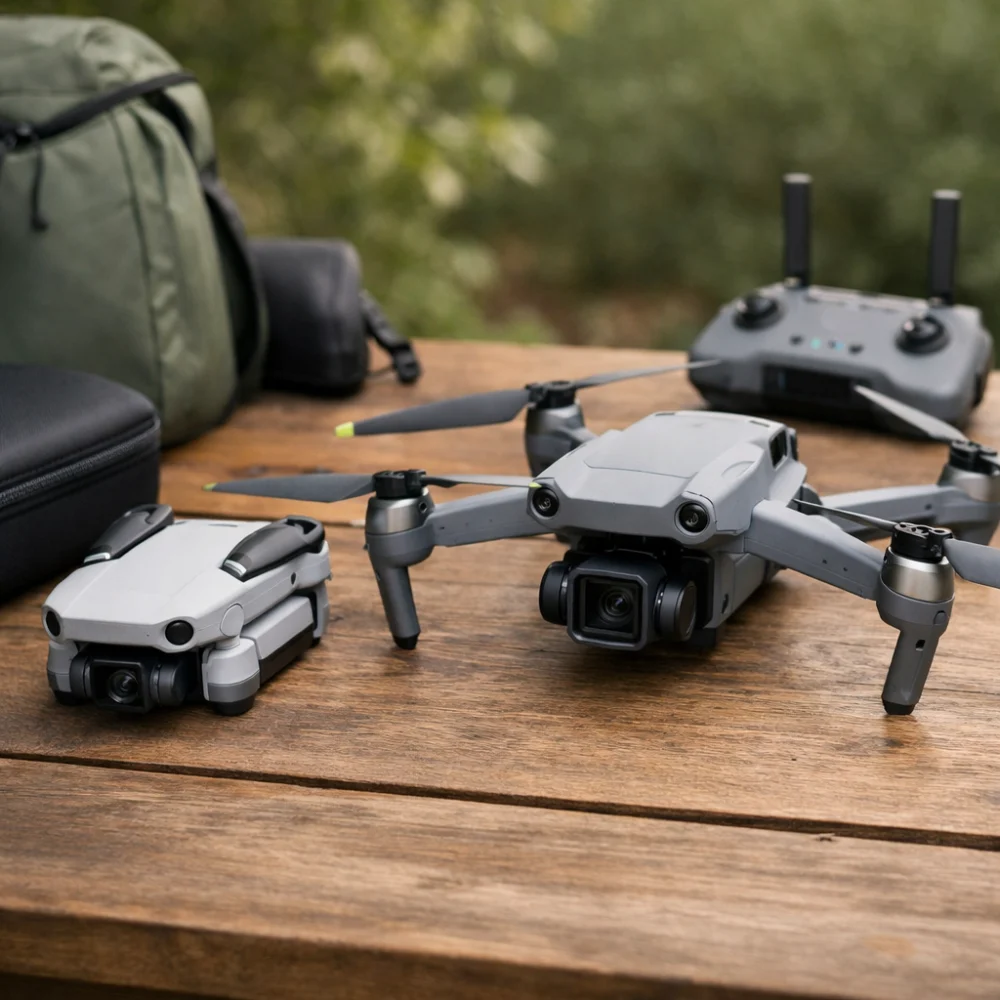
Common mistakes to avoid
- Focusing only on the camera number: A higher stated camera spec does not automatically mean better footage. Stabilisation and the overall flying experience matter too.
- Assuming flight aids are all the same: One model may include return-to-home or follow functions while another may not. Read the feature list carefully.
- Ignoring battery information: A drone with appealing features can still feel limited if the flight time is short or only one battery is included.
- Overlooking portability: If you plan to travel with the drone, size and folding design can affect how often you use it.
- Choosing for features you will not use: Extra automation is useful only if it matches your experience level and plans.
Safety and suitability caveats
Drone buying is partly about suitability, not just specifications. Consider where you expect to fly, how confident you are with controls, and whether the model description matches your intended use. Some drones are easier to learn with than others, but that does not remove the need to check the individual product information and any usage guidance supplied with the listing.
Also think about who will use the drone. A model that suits an adult hobby buyer may not be the easiest choice for someone buying a gift or for a first-time pilot. The right option is the one that matches both the user and the setting.
Maintenance, storage and ownership considerations
Like most drones, these products are easier to live with when you think about storage and charging before you buy. Folding designs may be simpler to keep safe between flights, while extra batteries can make longer sessions more practical. If the drone relies on an app or controller pairing, it is worth checking how much setup you are comfortable with before choosing.
It is also sensible to think about how often you will fly. A drone that sits unused for long periods may be less appealing than one that is easy to get out, charge and use quickly. The simpler the storage and preparation, the more likely it is that the drone becomes part of normal use rather than a one-off purchase.
How to compare options efficiently
- Decide whether you want a learning drone, a camera drone or a more feature-led option.
- Check the camera and stabilisation details if image quality matters to you.
- Compare battery information, flight time and whether extra batteries are included.
- Look at support features such as GPS, auto return and any beginner-friendly modes.
- Check portability, control style and the overall level of complexity before you commit.
Holy Stone drones buyer checklist
- Does the drone match your main use: learning, casual flying or camera use?
- Are the camera and stabilisation details clear enough for your needs?
- Do the battery and flight time figures suit how long you want to fly?
- Are the flight aids listed clearly, such as GPS or auto return?
- Is the drone easy enough to carry, store and set up?
- Have you checked the individual product page for the exact included features?
Frequently asked questions
Are Holy Stone drones good for beginners?
Many buyers look at this category because it includes approachable options as well as more feature-rich models. For beginners, the most useful features are usually simple controls, return functions and a clear product description that explains what the drone can do. Always compare the exact listing rather than assuming all models are beginner focused.
Should I choose a drone mainly by camera resolution?
Not on its own. Camera resolution is only one part of the picture, and steadiness, flight control and transmission quality can matter just as much. If you care about video, look for the whole package rather than the camera figure alone.
Why does flight time vary so much between models?
Different drones use different battery setups and power demands, so flight time can vary even within the same category. Longer figures can be appealing, but the real value often depends on whether one or more batteries are included. Check the individual product page for the actual package details.
What is the benefit of GPS in a drone?
GPS can support features such as return functions and more controlled flight behaviour, which may help with confidence and convenience. It does not make flying effort-free, but it can be a useful feature for buyers who want more assistance. Make sure the listing clearly states how GPS is used on that model.
Is a foldable drone always better?
Not necessarily. Foldable drones are often easier to carry and store, which is helpful if you plan to travel with one. However, portability is only one factor, and you should still compare camera, battery and control features before deciding.
What should I check before buying a gift drone?
Think about whether the person is likely to be a first-time flyer or already comfortable with drones. A gift buyer should favour simple, clearly described features and avoid assuming that the most advanced option is the easiest to enjoy. The product page should make it obvious what is included and how the drone is intended to be used.

