
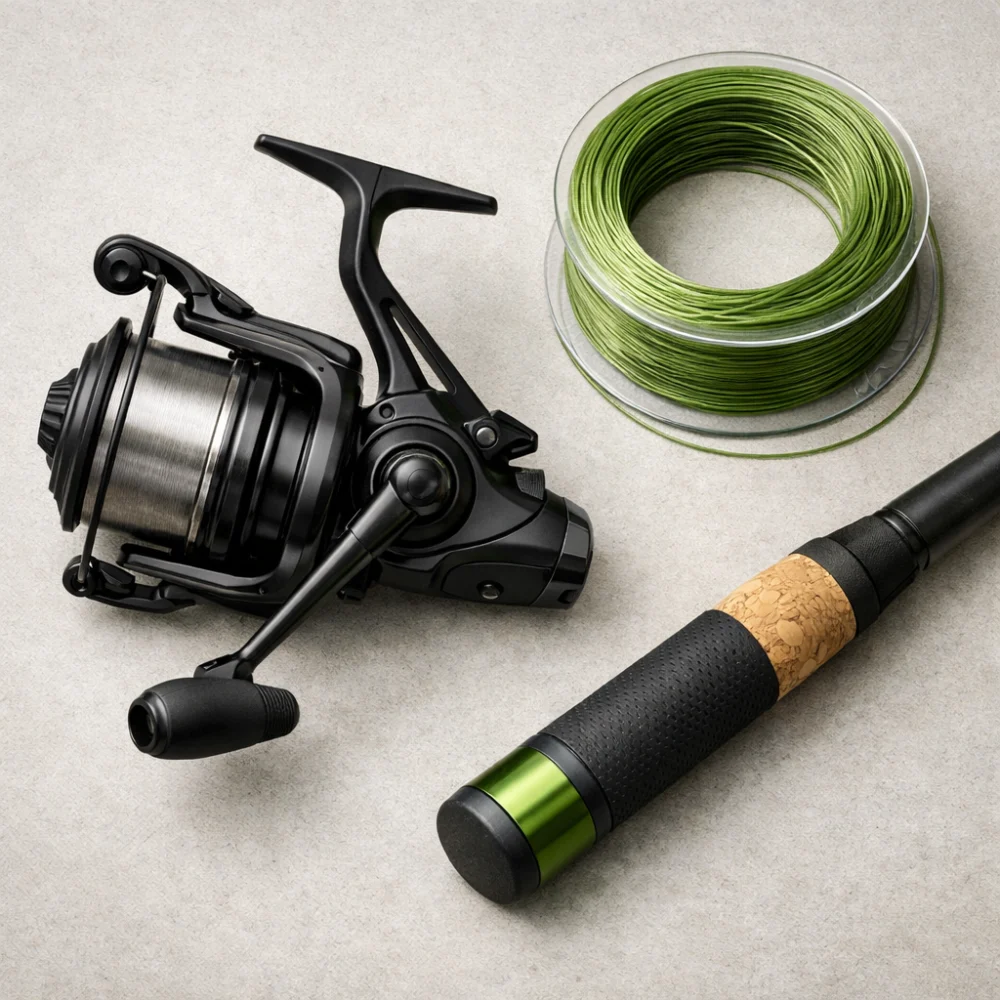
Big pit reels are a specialist type of fishing reel often chosen by anglers who want long casting performance and a large spool design. They are commonly considered for carp fishing and other situations where line management and casting distance matter, but the right choice depends on how and where you fish.
If you are comparing big pit reels for the first time, the main challenge is separating useful design features from marketing language. Spool size, gearing, retrieve feel and overall balance can affect how the reel suits your rod and fishing style.
This guide explains the main buying points in plain language so you can compare options with more confidence. It focuses on practical suitability rather than technical jargon.
What should you look for in a big pit reel?
The best starting point is to think about how you fish. A bigger spool can help with casting and line lay, but it may also make the reel feel larger or heavier in use. The most suitable reel is usually the one that fits your rod, your preferred line setup and the way you normally fish, rather than the one with the most impressive-sounding description.
Specifications vary by model, so always check the individual product page before buying.
| Feature | What it means | Why it matters | What to check |
|---|---|---|---|
| Spool design | The size and shape of the spool that holds the line | Affects casting feel, line management and how much line can be carried | Look for the spool style and whether it suits your usual casting distance |
| Reel size | The overall body and spool scale of the reel | Influences balance on the rod and comfort during a session | Check whether the reel looks proportionate to your rod setup |
| Retrieve feel | How smoothly and easily the handle turns | Can affect comfort when casting, winding in and making repeated adjustments | Read the product page for any detail that helps you judge smoothness or gearing |
| Line capacity | How much line the spool is designed to hold | Important if you need extra line for distance or specific venues | Compare the stated capacity with the line you normally use |
| Brake or drag control | The system that helps manage pressure on the line | Useful for controlling a hooked fish and tailoring the reel to your preference | Check the style of control and whether it suits your preferred way of fishing |
| Spare spool option | Whether extra spools are available or included | Helpful if you want to change line types without changing reels | Confirm what is included with the reel and what would need to be bought separately |
Key decision criteria explained
Spool size and casting style
Big pit reels are often chosen for their spool shape and line management rather than for compactness. A larger spool can help when you want to cast efficiently, but it may not be the most comfortable choice if you prefer a lighter, smaller setup. Think about whether you want a reel that feels purpose-built for distance work or one that simply adds extra line capacity.
Balance with the rod
The reel should sit comfortably on the rod without making the setup feel awkward at the handle end. This is especially important if you spend long periods holding the rod or repeatedly recasting. A reel that looks impressive in isolation may still feel wrong once fitted, so balance matters as much as size.
Line capacity and line choice
Line capacity is one of the main reasons anglers look at big pit reels. If you normally fish at shorter range, you may not need the same capacity as someone who regularly fishes at distance. Check the stated capacity against the line you plan to use, because the usable amount will depend on line type and thickness.
Control and comfort
Some anglers prefer a reel that gives a very direct, controlled feel, while others care more about smooth winding and easy adjustment. The important thing is to match the reel to the way you fish, not to chase features you will not use. If a product page highlights a particular control system, consider whether you actually need that style of operation.
Types and variants within the category
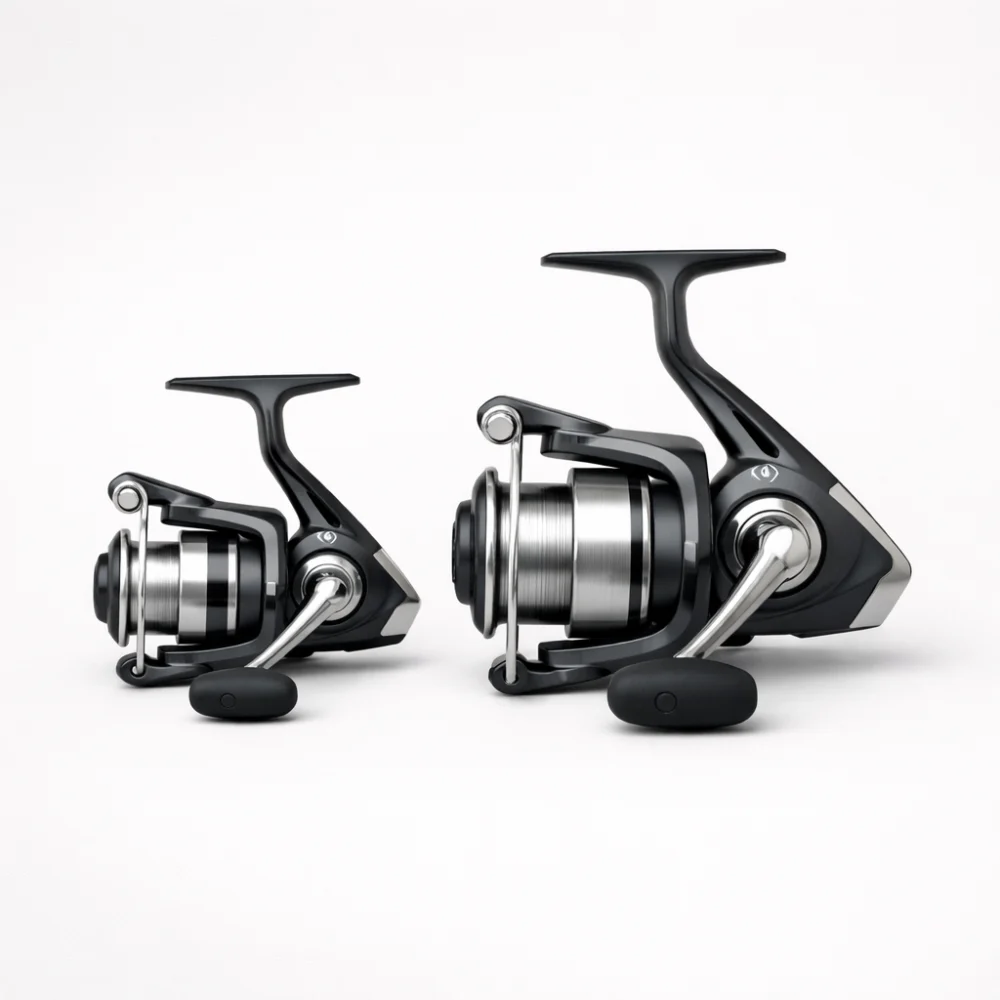
Big pit reels can vary in size, spool depth and overall style, even when they sit in the same category. Some are more compact and easier to handle, while others are aimed more clearly at distance casting or higher line capacity. The differences matter because they influence how the reel feels on the bank.
- Compact big pit reels: often better if you want a large-spool style without an oversized feel.
- Larger capacity big pit reels: may suit anglers who need more line on the spool or prefer a more substantial reel.
- Reels with spare spool options: useful if you like to switch line setups for different sessions.
Which type suits which buyer?
| Buyer need | What to prioritise | Why it matters |
|---|---|---|
| Long-range angling | Spool design, line capacity and smooth casting feel | These features affect how comfortably the reel supports distance work |
| General carp fishing | Balance, ease of use and practical line capacity | A well-balanced reel is often more useful than a very specialised one |
| Spare line setups | Spare spool availability | Lets you adapt the reel for different conditions without replacing the whole reel |
| More compact tackle preference | Smaller-feeling big pit options | Some anglers want the benefits of the category without a bulky setup |
Common mistakes and misunderstandings
- Choosing by size alone: a bigger reel is not automatically better. The right reel is the one that fits your rod, line and fishing style.
- Ignoring balance: a reel can seem suitable on paper but feel uncomfortable once mounted.
- Overlooking line needs: if your usual fishing does not need much capacity, a large spool may offer little practical benefit.
- Assuming all big pit reels feel the same: retrieve feel and control can vary, so it is worth comparing the details carefully.
Safety and suitability caveats
As with any fishing tackle, suitability depends on how and where you plan to use it. Check the reel details carefully if you are pairing it with an existing rod or line setup, and do not assume a product will suit every angling style. If a feature is important to you, confirm it on the individual product page rather than relying on the category name alone.
Maintenance, storage and lifespan considerations
Reels usually last longer when they are kept clean, dried properly after use and stored carefully. If you fish in wet or gritty conditions, it is sensible to think about how easy the reel will be to wipe down and keep in good order. Spare spools, moving parts and any line you leave on the reel can also affect how convenient it is to maintain over time.
How to compare options efficiently
- Start with the way you fish and the distance or line capacity you actually need.
- Check whether a big pit reel suits your rod and feels appropriate in size.
- Compare spool design, line capacity and control features side by side.
- Think about whether spare spools or a more compact option would be useful.
- Read the individual product page carefully before deciding.
Summary buyer decision checklist
- Does the reel suit your usual fishing range and style?
- Will the size feel balanced on your rod?
- Is the line capacity relevant to your setup?
- Do you need a spare spool option?
- Have you checked the product page for the details that matter most to you?
Frequently asked questions
What is a big pit reel used for?
A big pit reel is generally chosen for casting-focused fishing where line management and spool design matter. It is often associated with carp fishing, but the key point is whether the reel suits your method and rod setup.
Are big pit reels only for long-distance fishing?
No. Long-distance fishing is one common use, but some anglers choose big pit reels for their line capacity, spool shape or overall feel. If you do not need those advantages, a smaller reel type may be more practical.
Should I choose a bigger reel for more line capacity?
Only if that extra capacity is actually useful for your fishing. A larger reel can hold more line, but it may also feel bulkier or less comfortable than necessary.
Do spare spools matter?
They can be very useful if you like to keep different line setups ready for different venues or conditions. If you only use one line setup, they may be less important.
How do I know if a big pit reel will suit my rod?
Check the overall size and think about balance rather than focusing on the category name alone. A reel that is too large or too small can make the rod feel awkward in use.
What should I compare first when buying?
Start with spool design, line capacity and how the reel will balance on your rod. Those are usually more important than minor features when you are choosing between similar options.
Do all big pit reels feel the same when winding?
No. Smoothness, retrieve feel and control can differ between models, so it is worth comparing the product information carefully. Specifications vary by model, so always check the individual product page before buying.

