
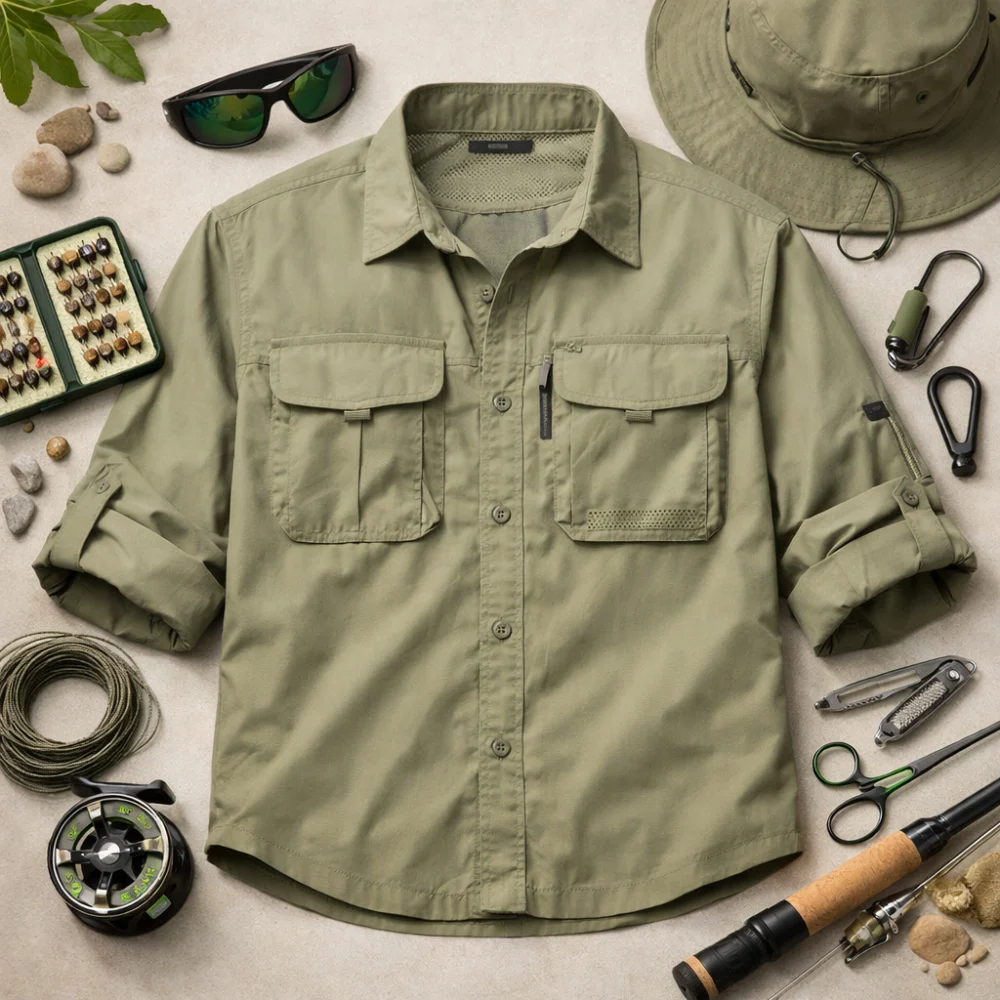
Fishing shirts are a practical layer for days outdoors, whether you want something light for warmer weather or a more covered option for breezier, brighter conditions. Buyers often compare comfort, breathability, sleeve length, fast drying fabric and pocket layout, but the right choice depends on when and how you fish.
This guide keeps the decision simple. It explains which features are worth checking, which details are mostly about preference, and how to narrow the choice without overcomplicating it.
What should you look for in a fishing shirt?
The best starting point is the conditions you normally fish in. If you spend long periods in the sun or changing weather, a shirt with more coverage and practical fabric may suit you better than a casual T-shirt. If you mainly want a comfortable layer for short sessions, a lighter, simpler option may be enough.
The biggest trade-off is usually between coverage and freedom. More coverage can help with sun, wind and general protection from the environment, while a lighter shirt may feel cooler and less bulky. Specifications vary by model, so always check the individual product page before buying.
| Feature | What it means | Why it matters | What to check |
|---|---|---|---|
| Sleeve length | Short sleeve or long sleeve coverage | Changes how much protection and comfort you get in different weather | Think about sun exposure, warmth and how much arm coverage you prefer |
| Fabric feel | How the shirt is likely to feel against the skin | Affects comfort during long sessions | Look for wording that suggests a lighter or more substantial feel |
| Breathability | How freely air may pass through the fabric | Helps with comfort when you are active or fishing in mild to warm conditions | Check the product description for moisture management or ventilation details |
| Fast drying | How quickly the shirt may dry after sweat or light rain | Useful for changeable outdoor use and travel | Read the description for quick-dry or easy-care wording |
| Pockets and storage | Built-in storage on the shirt | Helpful for small items, but adds bulk and can affect fit | Check how many pockets are included and whether they suit your use |
| Fit | How the shirt sits on the body | Affects movement, layering and comfort over a base layer | Compare the fit notes and size guidance on the product page |
Key decision criteria explained
Coverage and sleeve length
Long sleeve fishing shirts are often chosen for more coverage, while short sleeve versions are usually simpler and cooler in warmer weather. A long sleeve shirt can be useful if you want a bit more protection from sun, wind or general outdoor wear, but it may feel warmer when the temperature rises. The right option depends on whether you value coverage or ventilation more.
Fabric and comfort
Fishing shirts are often bought for all-day comfort, so the fabric matters as much as the cut. A lighter shirt may feel easier to wear on long sessions, while a more structured shirt can feel better if you want something that looks and wears more like outdoor kit. Check the product details for clues about softness, weight and ease of movement rather than assuming all fishing shirts feel the same.
Breathability and drying time
If you move around a lot, walk to your swim or face changing weather, breathability and drying time become important. A shirt that dries quickly can feel more comfortable if you get damp from drizzle or perspiration. This is also one of the areas where product wording matters, because descriptions may highlight quick-dry or moisture-related features without giving exact performance figures.
Storage and practical details
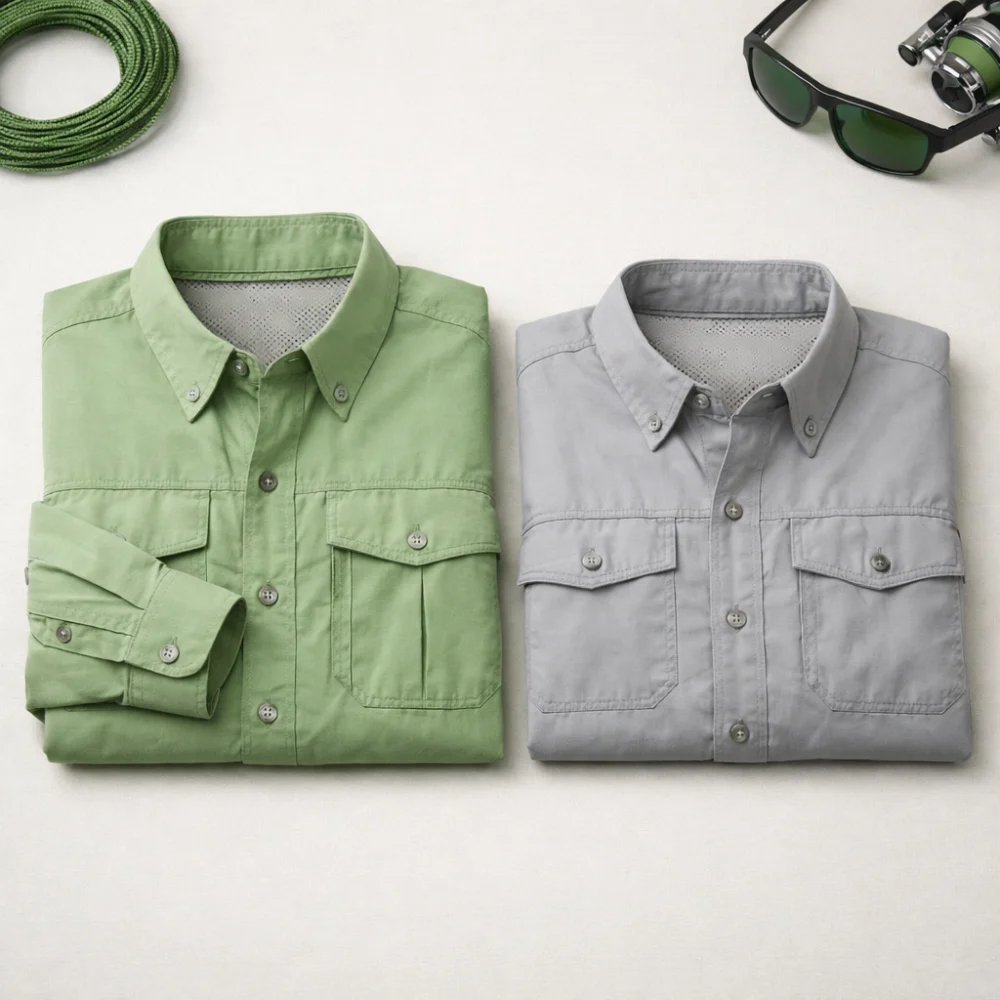
Pockets, button fastening and collar style are small details, but they can change how usable a shirt feels. Pockets may be handy, though they are not always necessary and can add bulk. A simple shirt can be easier to wear and layer, while a more detailed design may suit people who want extra convenience.
Types and variants within fishing shirts
There is usually more variation in fishing shirts than first appears. Some are closer to casual outdoor shirts, while others lean towards sun-conscious or workwear-style designs. The useful question is not which type is universally better, but which version fits your usual fishing routine.
- Short sleeve shirts: often suit warmer weather and buyers who want a lighter feel.
- Long sleeve shirts: often suit those who want more coverage or a more versatile outer layer.
- Button-front shirts: can feel more adjustable and practical for layering.
- Graphic or casual T-shirt styles: may suit relaxed use, but usually offer less practical coverage.
Which fishing shirt suits different buyers?
| Buyer need | What to prioritise | Why |
|---|---|---|
| Warm-weather angling | Lighter feel, breathability, short sleeves or easy layering | Comfort matters most when the temperature is higher |
| Long sessions outdoors | Comfort, drying time, fit and coverage | You need something easy to wear for hours at a time |
| Changeable weather | Long sleeves, layering ease and practical fabric | A shirt that works across conditions is more flexible |
| Casual or gift buying | Simple fit, easy care and an appealing style | The shirt still needs to be wearable and practical, not just themed |
Common mistakes to avoid
- Choosing by design alone: a fishing-themed look is fine, but the fabric and cut matter more for comfort.
- Ignoring sleeve length: a shirt that seems light enough in the shop may feel different once you are outdoors for several hours.
- Overlooking fit: a shirt that is too tight can be awkward for casting, layering or general movement.
- Assuming every shirt is equally practical: some are closer to casual wear, while others are built more like outdoor clothing.
Suitability and care considerations
Think about where and how you will wear the shirt, not just how it looks. A shirt that works well for summer fishing may be less useful in colder weather, and a more casual shirt may not suit every outdoor session. If you plan to wear it often, ease of washing and drying becomes part of the buying decision too.
When comparing options, check the care guidance on the product page and consider whether you want something that is easy to wash and ready to wear again quickly. That can matter as much as the appearance of the shirt.
How to compare fishing shirts efficiently
- Start with the conditions you fish in most often.
- Decide whether you want more coverage, more breathability or a balance of both.
- Compare fit, sleeve length and any practical features such as pockets or fastening.
- Check the product page for fabric and care details before deciding.
- Choose the shirt that matches your routine, not just the one that looks most appealing.
Summary buyer decision checklist
- Will you wear it mostly in warm, cool or changeable conditions?
- Do you want short sleeves, long sleeves or a style that layers easily?
- Is comfort for long sessions more important than a casual look?
- Do you need pockets or other practical details?
- Have you checked the fit guidance before buying?
- Have you looked at care instructions and general fabric details?
Frequently asked questions
Are fishing shirts different from ordinary shirts?
They can be. Some fishing shirts are mainly practical outdoor shirts with features that suit long time outside, while others are closer to casual shirts or T-shirts with a fishing theme. The most important difference is usually in how the shirt is cut, how it feels to wear and whether it suits outdoor use well.
Should I choose a long sleeve or short sleeve fishing shirt?
Long sleeve shirts usually suit buyers who want more coverage, while short sleeve shirts often feel cooler and simpler. The better choice depends on your usual weather, how much time you spend in the sun and whether you want the shirt to work as a light outer layer.
Do fishing shirts need special features?
Not always. Many buyers only need a comfortable shirt with a sensible fit and fabric that feels suitable for the conditions. Extra details like pockets or fast-drying material can be useful, but they are not essential for everyone.
How should a fishing shirt fit?
It should allow movement without feeling sloppy or restrictive. If you plan to layer it over another top, check that the fit leaves enough room for that. Product pages often give the best clue, so it is worth reading the size guidance carefully.
Are fishing shirts suitable for everyday wear?
Often yes, especially if you choose a simple design and comfortable fit. Some buyers prefer them for general outdoor use because they are practical and easy to wear. Just bear in mind that a shirt designed with fishing in mind may feel more functional than fashion-led.
What matters most if I am buying one as a gift?
Focus on fit, sleeve length and a style that is easy to wear. A safe choice is usually a versatile shirt with a straightforward look rather than something very specific to one weather condition. If you are unsure, the easiest option is often the one with the most flexible everyday use.

