
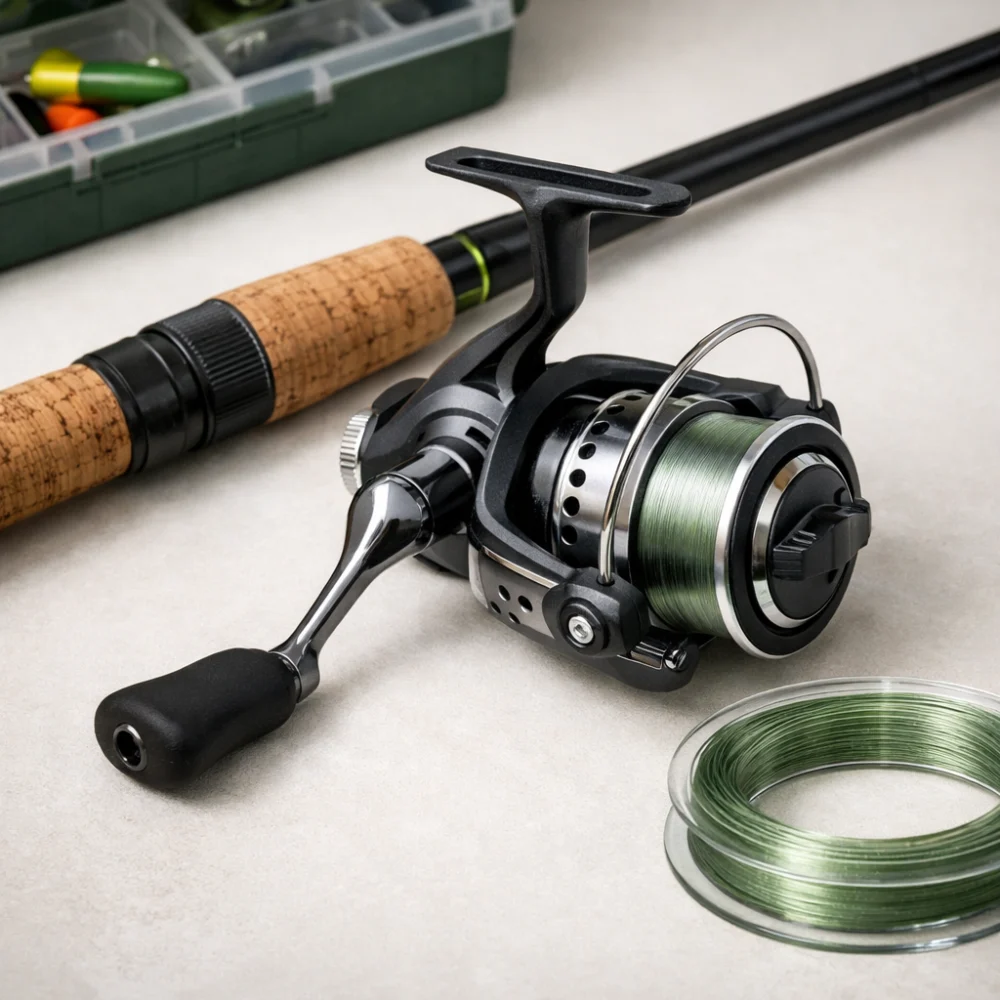
Match reels are chosen for line control, smooth presentation and the kind of fine adjustment that matters when fishing floats, lighter rigs and longer sessions. If you are comparing reels for coarse or match fishing, the main job is to find one that suits your rod, line choice and the way you like to fish.
Because many reels in this category look similar at first glance, it helps to focus on the practical details rather than the naming on the box. The right choice is usually the one that balances smoothness, spool size, retrieve rate and overall handling for your usual venue and target species.
What should you look for in a match reel?
The starting point is to think about how you fish. A match reel should feel controlled and easy to manage during repeated casting, line retrieval and fine presentation. The best choice for one angler may not suit another, because preferred rod length, line diameter and fishing style all influence what feels comfortable.
Specifications vary by model, so always check the individual product page before buying.
| Feature | What it means | Why it matters | What to check |
|---|---|---|---|
| Drag system | How the reel lets line out under pressure | A smoother, more predictable drag can help you manage hooked fish more calmly | Whether the drag adjustment suits the way you fish and how easy it is to set |
| Spool size | The size and shape of the line spool | It affects casting feel, line lay and how much line the reel can hold | Whether the spool suits your line choice and the fishing style you use |
| Retrieve rate | How much line is recovered with each handle turn | It influences speed when recasting, line pickup and general efficiency | Whether a faster or more measured retrieve feels right for your fishing |
| Weight and balance | How the reel feels on the rod | Comfort matters on longer sessions and can affect overall balance | How it pairs with your rod rather than judging the reel in isolation |
| Line setup | Whether the reel is supplied bare, pre-loaded or ready to use | It affects convenience and whether you need to spool line separately | What is included and whether the supplied line suits your needs |
Key decision criteria explained
Drag and line control
For match fishing, the drag should feel smooth enough to give you confidence when playing a fish, but not so loose that it becomes fiddly to manage. Some anglers prefer a rear drag for quick adjustment, while others value a front drag style for a different feel. The important point is not the label alone, but whether the adjustment suits the way you fish.
Spool design and line management
The spool affects more than appearance. It can influence how line comes off the reel, how neatly it lays back on, and whether it feels suited to longer casting or more controlled presentation. If you use lighter line for match work, check that the reel is intended to handle that sort of setup comfortably.
Balance with the rod
A reel that feels fine on its own may not feel right once mounted on a rod. Balance affects comfort, especially during longer sessions where the rod is held often. A well-matched reel can reduce fatigue and make the outfit feel more settled in use.
Included line and setup convenience
Some match reels are sold ready for immediate use with line already fitted, while others are supplied without it. Pre-loaded options can be convenient if you want to get started quickly, but you should still check whether the line choice suits your own fishing. If you prefer to set everything up yourself, an unspooled reel may be the better fit.
Types and variants within match reels
Within this category, the main differences usually come down to drag position, spool arrangement and whether the reel is supplied as a ready-to-use package. The underlying purpose remains similar: controlled line handling for match-style fishing.
- Rear drag reels are often chosen by anglers who want easy access to drag adjustment during fishing.
- Pre-loaded reels suit buyers who want convenience and a quicker start.
- Higher-capacity or larger spool styles may appeal to anglers who want a different line lay or casting feel, depending on their setup.
Which match reel suits which buyer?
| Buyer need | What to prioritise | Why it helps |
|---|---|---|
| Beginner buying a first reel | Straightforward setup, sensible drag and clear product information | Makes it easier to get fishing without unnecessary complexity |
| Regular match angler | Comfort, smoothness and balance with the rod | Supports repeated use and more consistent presentation |
| Angler replacing an older reel | Similar feel, familiar drag position and compatible line approach | Helps avoid a change that feels awkward on the bank |
| Buyer wanting convenience | Pre-loaded line or ready-to-use setup | Reduces preparation time before the first outing |
Common mistakes and misunderstandings
Choosing by name alone: reel labels can be helpful, but they do not tell you everything about feel or suitability. Check the actual product information instead of assuming all match reels behave the same.
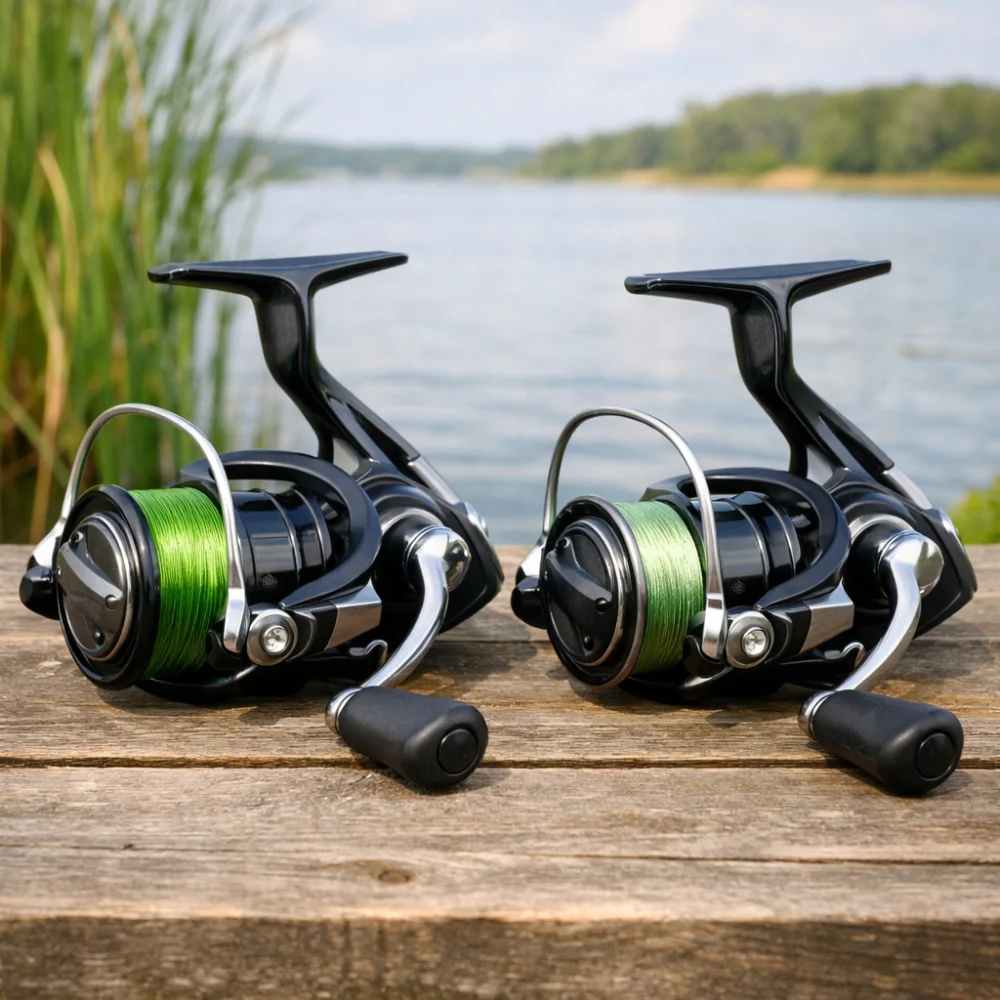
Ignoring rod balance: a reel may seem fine until it is paired with your rod. Balance matters because it affects comfort and control during a session.
Assuming pre-loaded always means ideal: included line can be convenient, but it may not be the exact line you would have chosen yourself.
Overlooking retrieve feel: a reel can have the right general specification and still feel too quick or too slow for your preference.
Maintenance, storage and lifespan considerations
General reel care matters because it can affect how smoothly the reel feels over time. Keeping the reel clean and dry after use, storing it carefully and avoiding unnecessary knocks all help preserve the feel and finish. If a reel is supplied with line, remember that line condition also affects the overall setup, so it is worth checking both reel and line regularly.
How to compare options efficiently
- Start with your fishing style and the rod you plan to use.
- Decide whether you want a rear drag, another drag arrangement or a ready-to-use setup.
- Compare spool size, retrieve feel and overall balance rather than only the product name.
- Check whether line is included and whether that suits your own preference.
- Read the individual product page carefully before choosing.
Summary buyer decision checklist
- Does the reel suit match or coarse fishing as you plan to use it?
- Is the drag style comfortable for your preference?
- Does the reel look well balanced for your rod?
- Is the spool and line setup suitable for your needs?
- Do you want a pre-loaded reel or a bare reel?
- Have you checked the individual product page for the exact specification?
Frequently asked questions
What makes a match reel different from other fishing reels?
Match reels are chosen with controlled presentation and line management in mind. They are generally aimed at anglers who want a reel that feels smooth and manageable for float and match-style fishing rather than a more specialised design for another method.
Is a rear drag always better for match fishing?
Not necessarily. Rear drag can be convenient for quick adjustment, but the best choice depends on what feels natural to you and how you fish. The important thing is smooth, predictable adjustment rather than the drag position alone.
Should I choose a pre-loaded reel?
A pre-loaded reel is useful if you want convenience and a quicker start. It can be a sensible choice for a first setup or a simple replacement, but the supplied line should still suit your own plans.
Does spool size matter much?
Yes, because it can influence casting feel, line lay and how the reel handles in use. You do not need to chase the biggest or smallest option by default; it is better to match the spool to your usual fishing setup.
Can I use a match reel for general coarse fishing?
Often, yes, if the reel suits the rod, line and style of fishing you are doing. The key is whether it feels balanced and practical for your setup rather than the category name on its own.
What should I check before buying a match reel online?
Check the drag style, spool details, whether line is included and how the reel is intended to be used. It is also worth making sure the reel feels appropriate for your rod and the kind of sessions you expect to fish.

