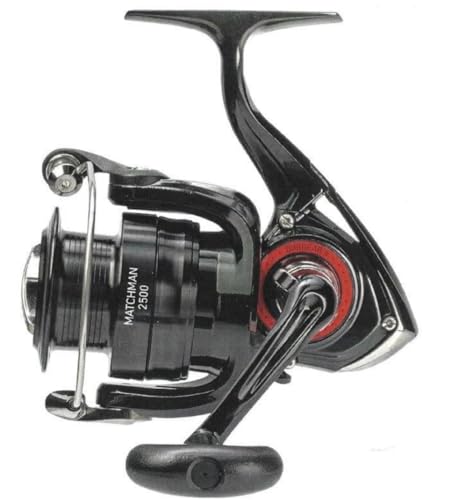
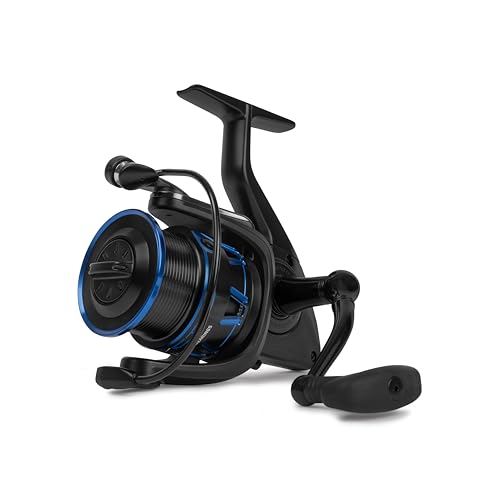
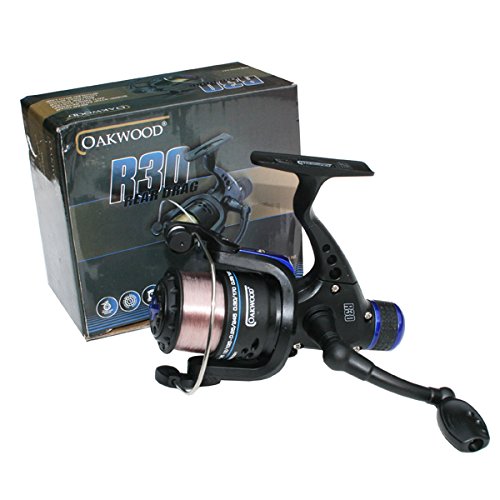
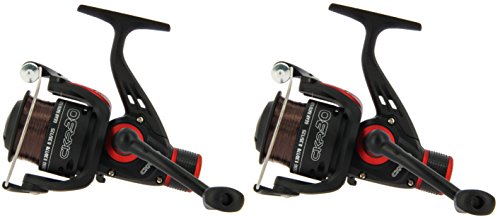
Match reels are fishing reels designed for coarse and match fishing methods where smooth line lay, accurate casting, controlled retrieve and balanced tackle all matter. They are suitable for beginners, regular coarse anglers, match anglers and anyone fishing with floats, wagglers, feeders or lighter freshwater setups.
The right match reel depends on the rod you use, the line strength, target species, casting distance, spool size, drag style, retrieve speed, handle comfort and whether the reel suits float fishing, feeder fishing, commercial fisheries, canals, lakes or rivers.
Match reels are usually fixed spool reels designed for coarse fishing and competition style angling. They are often chosen for float fishing, waggler fishing, feeder fishing and light to medium freshwater methods.
A match reel is built around control rather than brute strength. It should hold suitable line, cast smoothly, retrieve cleanly and balance well with match rods, float rods, feeder rods or light coarse rods.
Not every match reel is the same. Some are better suited to float fishing with fine line, while others may be more practical for feeder fishing, commercial fisheries or larger coarse fish.
What Are Match Reels Used For?
Match reels are used to cast floats, feeders, bombs and light rigs accurately while giving the angler good control over line and fish. They are commonly used on canals, lakes, rivers, ponds, reservoirs and commercial fisheries where coarse fishing is allowed.
They can be used for species such as roach, rudd, perch, bream, skimmers, tench, F1s and smaller to medium carp, depending on the reel, rod, line and venue.
Match reels are especially useful when casting repeatedly, feeding accurately and adjusting tactics during a session. In match fishing, small details such as line lay, drag control and retrieve speed can make a real difference to how smooth the setup feels.
How To Choose The Right Match Reel
Start by thinking about the type of fishing you do most often. A reel for light waggler fishing on a canal may need a smaller spool and finer line than a reel used for feeder fishing on a commercial lake.
Next, match the reel to your rod. A reel that is too large may make a light match rod feel unbalanced, while a reel that is too small may not hold enough line or retrieve efficiently at distance.
Line choice is also important. Match reels are often used with lighter monofilament lines, but some feeder or specialist setups may use other line types where suitable and allowed. Always check the product details and venue rules before choosing line.
Key Features To Compare
When comparing match reels, look at reel size, spool design, line capacity, drag system, retrieve rate, line lay, handle comfort, reel weight, spare spool availability and suitability for the fishing method.
A shallow spool can be useful for lighter lines because it may reduce the need for excessive backing. A deeper spool may hold more line, which can be helpful for longer casting or stronger setups depending on the method.
A smooth drag is important when using lighter hooklengths or targeting fish that make quick runs. The reel should release line steadily under pressure and feel controlled when playing fish.
Match Reels Compared With General Coarse Reels
Match reels are a type of coarse fishing reel, but they are often chosen for more controlled and method specific use. They may suit float fishing, waggler work, feeder fishing and repeated casting.
General coarse reels can cover a wide range of freshwater fishing. Some may be suitable for match methods, while others may be better for heavier ledgering, carp fishing or general purpose use.
The trade off is precision versus broad use. A match reel should feel balanced, smooth and accurate, while a general reel may be more versatile but less refined for match style fishing.
Match Reels Compared With Carp Reels
Carp reels are usually larger and designed for stronger line, heavier rigs and more powerful fish. They often have more line capacity and may be used with alarms, rod pods and specimen tackle.
Match reels are usually lighter and more suited to coarse fishing methods where presentation, casting accuracy and balance are important. They are not normally the best choice for heavy carp fishing or large water specimen work.
If you fish commercial venues with smaller carp or F1s, a suitable match reel may be practical. If you target larger carp with heavy rigs, a dedicated carp reel is usually more appropriate.
Match Reels For Float And Waggler Fishing
Float and waggler fishing often needs a reel that casts smoothly, manages lighter line well and retrieves without creating unnecessary twist or slack.
A match reel for waggler fishing should balance with the rod and hold the right line for the distance and fish being targeted. Smooth line release can help with accurate casting, while controlled retrieve helps keep the rig tidy.
For close range float fishing, a smaller reel may feel more balanced. For distance waggler work, a larger spool or faster retrieve may be more useful, depending on the setup.
Match Reels For Feeder Fishing
Feeder fishing can place more pressure on a reel because feeders are cast repeatedly and may be used at distance. A match reel for feeder fishing should match the rod rating, feeder weight, line and target fish.
Line capacity and retrieve rate can matter when fishing at range. A comfortable handle is also useful because feeder fishing often involves frequent recasting.
Drag control is important when using hooklengths or targeting hard fighting fish on commercial fisheries. The reel should work smoothly with the rod and line rather than overpowering the setup.
Front Drag, Rear Drag And Fighting Drag Reels
Some match reels use front drag systems, where the drag is adjusted from the front of the spool. These can offer direct drag control depending on the reel design.
Rear drag reels allow adjustment from the back of the reel. Some anglers like them because they can be easy to reach during play, depending on personal preference.
Some reels may include a fighting drag or quick adjustment feature where listed. This can help make small drag changes while playing fish, but the most important thing is still smooth, reliable control.
Beginner, Regular Angler And Experienced Angler Guidance
Beginners should look for a match reel that is simple, balanced and suitable for the rod and line they plan to use. A straightforward fixed spool reel for float or light feeder fishing can be a practical starting point.
Regular anglers may want reels for different methods. One reel might be used for waggler fishing, another for feeder fishing and another for commercial fishery work.
Experienced match anglers often compare line lay, spool shape, drag smoothness, retrieve speed, reel weight and spare spool options. Small differences can matter during long sessions or competitive fishing.
Reel Size, Spool Design And Line Capacity
Reel size should match the rod and fishing method. Smaller reels can suit light float work, while larger match reels may suit distance waggler or feeder fishing.
Spool design affects line handling and casting. A suitable spool can help line come off smoothly and lay evenly when retrieved.
Line capacity should match the line you plan to use. Too much unnecessary depth may require backing, while too little capacity can limit casting distance or line choice.
Drag Control And Playing Fish
A smooth drag is important in match fishing because anglers often use lighter hooklengths and smaller hooks. Sudden pressure can lead to hook pulls or line breakage if the drag is too tight.
The drag should be set to match the line, hooklength, rod and target fish. It should allow controlled line release when needed without feeling loose or unpredictable.
Always test the drag before fishing. This is especially important when targeting carp, tench or bream on lighter match tackle.
Retrieve Speed And Handle Comfort
Retrieve speed affects how quickly line is recovered. A faster retrieve can be useful when fishing at distance, recasting regularly or picking up slack line quickly.
Handle comfort matters more than many anglers expect. Match and feeder fishing can involve frequent casting and winding, so a comfortable handle can make a session feel smoother.
The reel should feel easy to use for several hours. If it feels heavy, awkward or poorly balanced, it may not be the right match for the rod.
Line Choice For Match Reels
Match reels are commonly used with monofilament line, especially for float and feeder fishing. The strength and diameter should match the method, hooklengths, target fish and venue.
For fine presentation, lighter line can be useful. For feeder fishing, larger fish or snaggy water, stronger line may be needed.
Always check venue rules. Some fisheries may set guidance or restrictions around line, hooks, feeders and fishing methods.
Rod Compatibility And Balanced Setups
A match reel should balance well with the rod. Match rods, float rods and feeder rods all feel different, so reel size and weight should be chosen carefully.
A light rod with an oversized reel can feel clumsy. A heavier feeder rod with a reel that is too small may feel underpowered or lack line capacity.
The full setup should include suitable line, floats, feeders, hooks, hooklengths, landing net and fish care equipment. A balanced setup is easier to cast, control and enjoy.
Match Reels For Canals, Lakes, Rivers And Commercial Fisheries
Canal fishing often involves lighter lines, smaller hooks and careful presentation. A smooth, compact match reel can be useful for this kind of fishing.
Lake and stillwater fishing may involve wagglers, feeders, bombs or method style approaches where allowed. Reel size should match distance, bait, wind and target species.
River fishing may need more line control, suitable drag and enough strength for flow and stronger fish. Commercial fisheries may involve carp and F1s, so drag smoothness and balanced line choice become especially important.
Venue Rules And Responsible Match Fishing
Always check venue rules before match fishing or coarse fishing. Rules may cover bait, keepnets, hooks, line strength, feeder types, barbless hooks, fish handling and competition conduct.
Use tackle that suits the fish and water. Light tackle can be effective, but it should not be so light that fish cannot be landed safely.
Take old line, hook packets, feeder waste and tackle packaging home with you. Responsible fishing keeps venues safe, tidy and enjoyable for other anglers.
Care, Cleaning And Maintenance
Match reels should be kept clean, dry and checked regularly. Mud, bait, ground bait, rain and grit can affect the spool, line roller, handle and drag.
After fishing, wipe the reel down and remove visible dirt. Check the line lay, spool edge, bail arm and drag before storing it.
Use reel lubricants and cleaners only where suitable and according to the product and reel guidance. Too much or unsuitable lubricant can cause problems.
Useful Accessories To Consider
Useful accessories for match reels include monofilament line, spare spools, reel cases, line spoolers, line cutters, feeder rods, float rods, floats, feeders, hooklength boxes and tackle boxes.
Landing nets, disgorgers, forceps, bait tubs, towels and fish care equipment are also useful for coarse and match fishing.
The best match setup is one where the reel, rod, line, rig and accessories all suit the same method and venue.
Why Buy Match Reels From YPC?
At YPC, we understand active lifestyles and the need for practical products that work in real use. Match reels should be chosen carefully because balance, line lay, drag control, spool size and rod compatibility all affect how well the setup performs.
Browse the Match Reels category at YPC to compare available options, check the details that suit your fishing method and choose reels that match the waters and species you plan to target.
Match Reels FAQs
What is a match reel?
A match reel is usually a fixed spool reel designed for coarse and match fishing methods. It is often used for float fishing, waggler fishing and feeder fishing.
It should be balanced with the rod, line and target species.
Are match reels suitable for beginners?
Yes, match reels can be suitable for beginners. A simple match reel paired with a suitable float or feeder rod can be a good starting point for coarse fishing.
Beginners should choose a reel that is easy to use and suits the waters they fish most often.
What are match reels used for?
Match reels are used for coarse fishing methods such as float fishing, waggler fishing, feeder fishing and light ledgering. They help cast rigs, retrieve line and play fish under control.
They are commonly used on canals, lakes, rivers and commercial fisheries.
What is the difference between a match reel and a carp reel?
A match reel is usually lighter and designed for presentation, accuracy and controlled coarse fishing. A carp reel is usually larger and built for stronger line, heavier rigs and larger fish.
For commercial carp or F1s, some match reels may be suitable. For specimen carp fishing, a carp reel is usually better.
What is the difference between a match reel and a feeder reel?
The terms can overlap. Some match reels are suitable for feeder fishing, while feeder reels may be designed specifically for casting feeders and retrieving from distance.
Check reel size, line capacity, retrieve rate and rod compatibility before choosing.
What size match reel do I need?
The right size depends on the rod, line, method and casting distance. Smaller reels may suit light float fishing, while larger reels may suit feeder or distance waggler work.
The reel should balance well with the rod and hold enough suitable line.
What line should I use on a match reel?
Monofilament is commonly used on match reels for float and feeder fishing. The strength and diameter should match the hooklength, target fish and venue.
Check venue rules and choose line that is suitable for the method.
Can I use braid on a match reel?
Braid may be used in some feeder or specialist setups where suitable and allowed, but it is not always appropriate for general match fishing. Some venues restrict braid.
Always check product suitability and fishery rules before using braid.
What is a shallow spool on a match reel?
A shallow spool holds less line than a deep spool and can be useful with lighter lines because it may reduce the need for backing.
It can be practical for match and float fishing where very deep line capacity is not needed.
Do match reels need spare spools?
Spare spools can be useful because they allow you to carry different line strengths or line types for different methods. This can be helpful if you switch between float fishing and feeder fishing.
Check whether spare spools are included or available before buying.
Is front drag or rear drag better for match fishing?
Neither is automatically better. Front drag reels can feel direct, while rear drag reels may be easier for some anglers to adjust during play.
Choose the drag style that feels comfortable and gives smooth control.
What is fighting drag on a match reel?
A fighting drag is a feature on some reels that allows quick drag adjustment during a fight. It can help when fish suddenly run or change direction.
Features vary by product, so check the reel details before buying.
Are match reels good for float fishing?
Yes, match reels are often very good for float fishing. They can help with smooth casting, line control and balanced presentation.
Choose a reel size that suits the float rod, line and casting distance.
Are match reels good for feeder fishing?
Some match reels are suitable for feeder fishing, especially light and medium feeder methods. For heavier feeders or longer distances, choose a reel with enough line capacity and retrieve power.
Always match the reel to the feeder rod and casting weight.
Can I use a match reel on a commercial fishery?
Yes, match reels are commonly used on commercial fisheries for F1s, bream, tench and smaller to medium carp. The line, hooklength and drag should suit the fish being targeted.
Check fishery rules before fishing.
Can I use a match reel on rivers?
Yes, match reels can be used on rivers for float, waggler and feeder fishing. The setup should suit the flow, target species and casting distance.
For trotting, some anglers may also consider centre pin reels depending on preference.
How do I clean a match reel?
Wipe the reel after use, remove mud, bait and moisture, then let it dry before storage. Check the spool, bail arm, handle, line roller and drag.
Use reel cleaners or lubricants only where suitable and according to product and reel guidance.
How should I store match reels?
Store match reels clean and dry in a reel case, tackle bag or safe storage area. Avoid leaving them damp or loose with heavy tackle.
Check the line and drag before the next session.
What accessories are useful with match reels?
Useful accessories include suitable line, spare spools, reel cases, line cutters, hooklength boxes, floats, feeders, tackle boxes, forceps and disgorgers.
A landing net and fish care equipment are also useful for responsible coarse fishing.
What should I check before buying a match reel?
Check reel size, line capacity, spool design, drag style, retrieve rate, handle comfort, reel weight, spare spool options and compatibility with your rod and fishing method.
The right match reel should suit your rod, line, venue and the species you plan to target.
Heading outdoors this winter? Take a look at our Outdoor Clothing.
Manage Consent
To provide the best experiences, we use technologies like cookies to store and/or access device information. Consenting to these technologies will allow us to process data such as browsing behaviour or unique IDs on this site. Not consenting or withdrawing consent, may adversely affect certain features and functions.
Functional
Always active
The technical storage or access is strictly necessary for the legitimate purpose of enabling the use of a specific service explicitly requested by the subscriber or user, or for the sole purpose of carrying out the transmission of a communication over an electronic communications network.
Preferences
The technical storage or access is necessary for the legitimate purpose of storing preferences that are not requested by the subscriber or user.
Statistics
The technical storage or access that is used exclusively for statistical purposes.The technical storage or access that is used exclusively for anonymous statistical purposes. Without a subpoena, voluntary compliance on the part of your Internet Service Provider, or additional records from a third party, information stored or retrieved for this purpose alone cannot usually be used to identify you.
Marketing
The technical storage or access is required to create user profiles to send advertising, or to track the user on a website or across several websites for similar marketing purposes.