
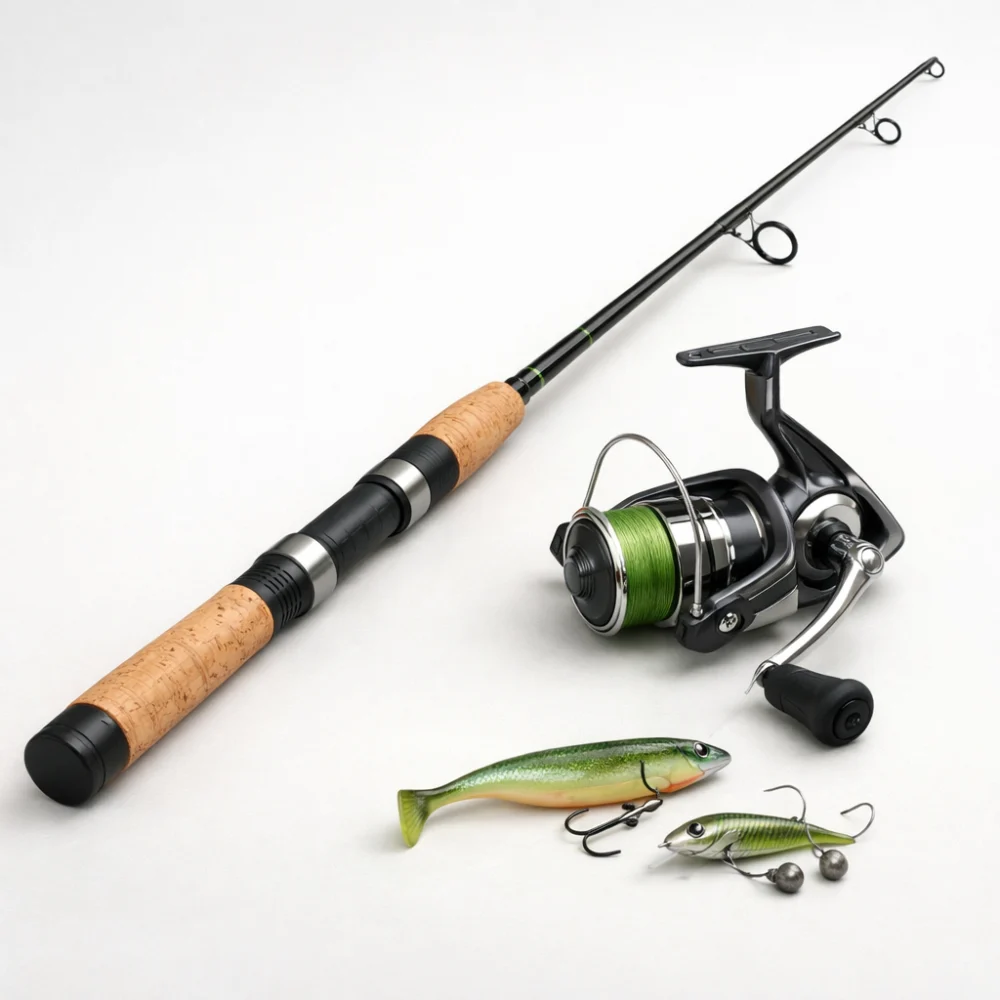
Spinning rods are a broad category, so the right choice depends less on the label and more on how you plan to fish. Some are aimed at lighter lure fishing, while others suit heavier lures, saltwater use or more powerful species.
If you are replacing a rod or buying your first one, the main job is to match the rod to the line, lure weight and waters you actually fish. That usually gives a better result than focusing on one headline feature.
Specifications vary by model, so always check the individual product page before buying.
What should you look for in a spinning rod?
Start with the fishing you expect to do most often. The most useful rod is usually the one that matches your lure weight, target species, casting distance and the size of waters you fish. A lighter rod can feel more responsive for smaller lures, while a stronger rod can handle heavier presentations and more demanding conditions. The trade-off is simple: more power usually means less finesse, and more finesse usually means less brute strength.
| Feature | What it means | Why it matters | What to check |
|---|---|---|---|
| Rod power | How much load the rod is designed to handle | Helps match the rod to the size of lures and the likely strain on the rod | Look at the rod’s stated lure or casting range on the product page |
| Rod length | The overall length of the rod | Affects casting feel, control and how easy the rod is to move in tight spaces | Choose a length suited to your fishing environment and transport needs |
| Action | Where and how the rod bends under load | Influences casting feel, lure control and how the rod responds when playing fish | Check whether the action is described as fast, moderate or similar |
| Build and material | The rod’s construction and blank design | Can affect sensitivity, weight and general handling | Read the product description carefully, especially where materials are varied by model |
| Handle and grip | The section you hold during casting and retrieving | Comfort matters if you fish for longer sessions | Look for handle style and grip material that suit your preference |
| Sections | Whether the rod is one piece, two piece or travel style | Impacts storage, transport and sometimes feel | Check packed length and assembly style if you travel or have limited storage space |
Key decision criteria explained
Lure weight and power
The lure weight range is one of the most important checks on a spinning rod. If you fish below the intended range, the rod may feel underloaded and awkward to cast. If you exceed it, the rod may feel overstrained and less controlled. The safest buying habit is to buy around the lures you actually use most often, not the heaviest lure you might ever try.
Length and fishing location
Rod length affects both casting and handling. Longer rods can help in some open-water situations, while shorter rods may be easier around bankside cover, from a boat or when you want a more compact setup. Think about where you fish, how much room you have to cast and whether you need to carry the rod often.
Action and feel
Action is often misunderstood because it is not the same as power. A fast-action rod may feel more responsive for lure work, while a more moderate action can feel smoother under load. Neither is universally better; the choice depends on whether you value crisp lure control or a more forgiving bend.
Material and sensitivity
Materials and blank design can influence how much feel you get through the rod. That can matter when you want to detect subtle takes or keep close control of a lure. It is sensible to compare the product description carefully, because rod families and versions can vary within the same brand range.
Handle style
Handle design affects comfort more than many first-time buyers expect. A rod that feels good in the hand can be easier to use throughout a session, especially if you cast often. Pay attention to grip shape and whether the handle feels suitable for your style of fishing and the kind of reel you plan to pair with it.
Common spinning rod types and variants
Within spinning rods, the main differences usually come from intended use rather than a completely separate product type. Lighter rods tend to suit finesse-style lure fishing and smaller waters. Medium-power rods are often the flexible middle ground for general lure work. Heavier spinning rods are more suited to larger lures, stronger currents or situations where more backbone is useful.
You may also see rods described by environment or use, such as freshwater, saltwater, lure fishing or offshore-style spinning. These labels are helpful, but they do not remove the need to check the actual lure range, length and construction details on the product page.
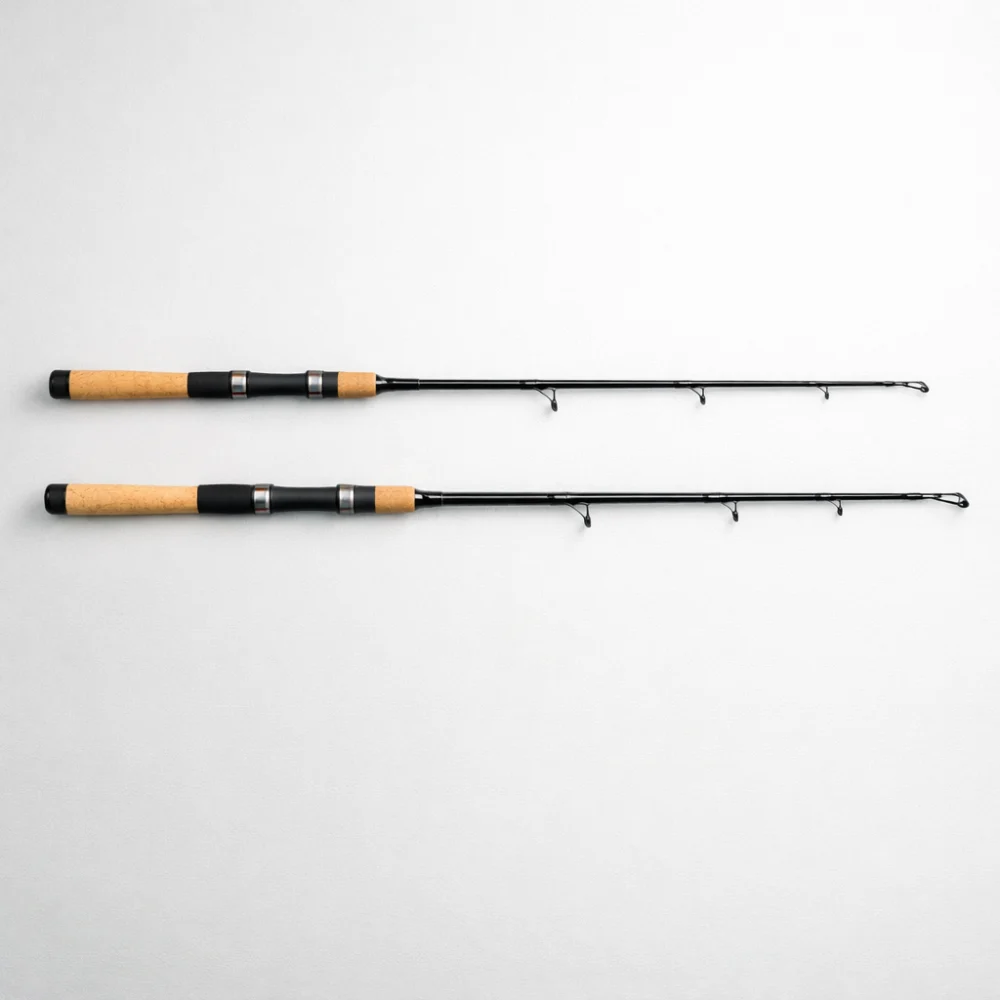
Which spinning rod suits which buyer?
| Buyer need | Useful rod characteristics | Why this helps |
|---|---|---|
| Beginner choosing a first spinning rod | Balanced length, straightforward lure range, comfortable handle | Makes the rod easier to learn with and less likely to feel specialised |
| Lure angler fishing small to medium waters | Responsive action, lighter to medium power | Helps with control and feedback when working lures |
| Angler targeting stronger fish or heavier lures | More power, suitable casting range, sturdier build | Provides more control under load and with larger presentations |
| Buyer with limited storage or transport space | Two-piece or travel-friendly design | Can be easier to store and carry without giving up the spinning-rod format |
| Comfort-focused buyer | Handle that feels secure, sensible overall weight, balanced setup | Helps reduce fatigue during longer sessions |
Common mistakes to avoid
- Choosing by length alone: a long rod is not automatically better; it still needs to match the water, lure weight and space you fish in.
- Ignoring the lure range: this is one of the clearest ways to narrow the choice, and it matters more than broad marketing language.
- Mixing up action and power: a rod can be powerful without feeling the same as another rod with a similar action description.
- Overlooking transport needs: if you travel or have limited storage, packed length and sectioning are important practical checks.
- Buying for occasional use only: if you fish in very different conditions, a rod that covers too much can be a compromise rather than a true fit.
Safety and suitability notes
Spinning rods are mainly about suitability rather than complicated setup, but it is still worth checking the individual product information carefully. Make sure the rod is appropriate for the waters, species and lure sizes you plan to use. If you are buying for someone else, avoid assuming that a more powerful rod is always better; the right choice depends on how they actually fish.
Care, storage and ownership
General care is simple, but it helps the rod last well. After use, especially in damp or salty conditions, wipe down the rod and let it dry before storing it. Keep sections, guides and handle surfaces clean, and store the rod in a way that avoids knocks and pressure on the blank. If the rod is a multi-piece design, make sure it is fully dry before packing it away.
How to compare spinning rods efficiently
- Decide where and how you fish most often.
- Choose the rod length and sectioning that suit your storage and transport needs.
- Check the lure or casting range first, then compare action and general feel.
- Look at handle comfort and overall balance for longer sessions.
- Read the individual product page closely before deciding.
Summary buying checklist
- Does the rod suit the waters you fish most often?
- Is the lure or casting range appropriate for your usual lures?
- Is the length practical for your casting style and transport needs?
- Does the action sound suitable for the feel you want?
- Is the handle style comfortable for longer use?
- Does the sectioning or packed length fit your storage space?
- Have you checked the individual product page for the exact specifications?
Frequently asked questions
What is a spinning rod used for?
A spinning rod is used for lure fishing and similar techniques where you cast and retrieve repeatedly. The exact use depends on the rod’s power, action and lure range. Some are suited to lighter, more finesse-style fishing, while others are built for heavier presentations.
How do I choose the right spinning rod length?
Start with where you fish. Longer rods can be useful in more open areas, while shorter rods can be easier to handle in tighter spaces or when transport matters. There is usually a balance between casting reach and everyday convenience.
What does rod action mean?
Action describes how the rod bends when loaded. A faster action often feels more responsive, while a more moderate action may feel smoother and more forgiving. It is a feel-based choice as much as a technical one.
Should I buy a light or heavy spinning rod?
Choose according to the lures and conditions you expect most often. Light rods are generally better for smaller lures and finer control, while heavier rods suit larger lures or more demanding situations. The best choice is the one that matches your normal fishing rather than occasional edge cases.
Is a two-piece spinning rod as good as a one-piece rod?
It depends on what matters more to you. Two-piece rods are often easier to store and carry, while one-piece rods may appeal if you want a simpler structure. The practical difference is often about convenience and handling rather than one being universally better.
What should I check before buying a spinning rod online?
Check the lure or casting range, length, action, sectioning and overall design notes on the product page. If you are matching the rod to existing tackle, make sure the rod suits the reel and fishing style you already use. Specifications vary by model, so always check the individual product page before buying.

