
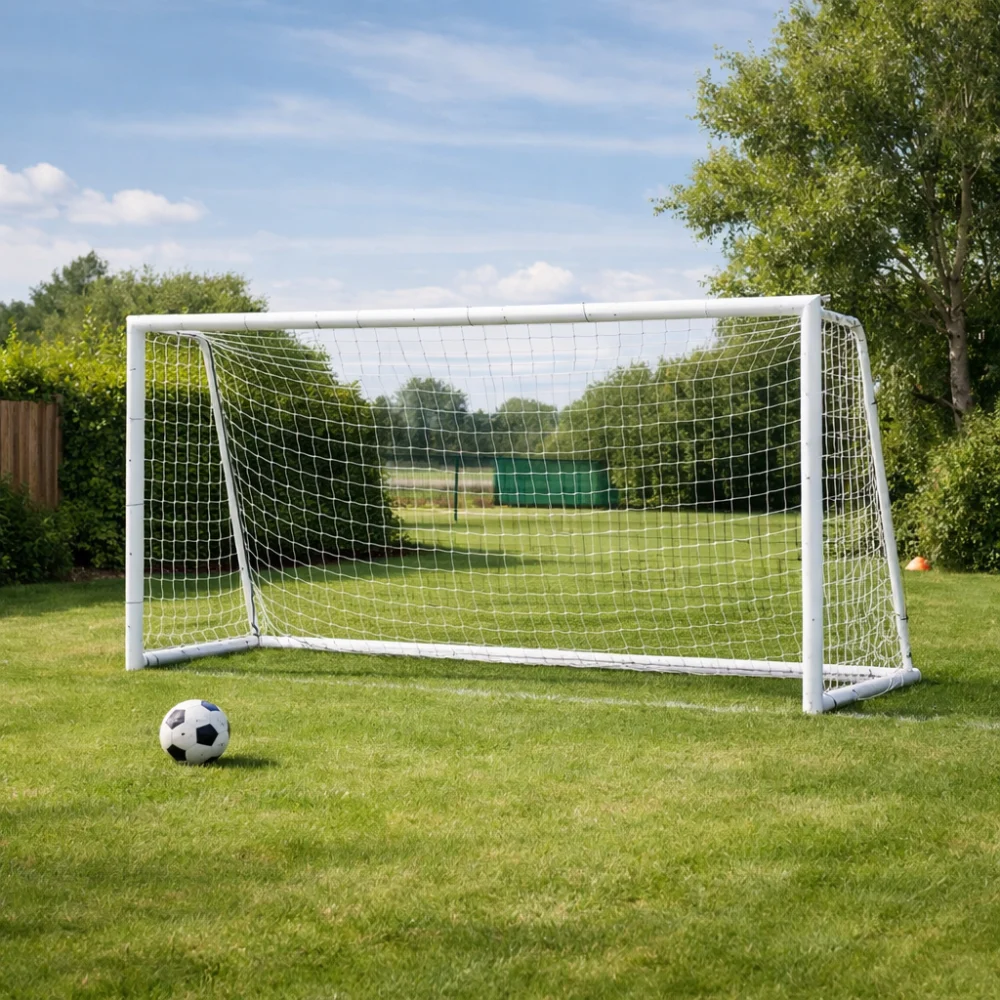
Buying a football goal is mostly about matching the goal to where it will be used and who will be using it. A small garden goal, a larger training goal and a more permanent match-style option can all serve different needs.
The right choice is usually less about choosing the biggest frame and more about balancing space, portability, stability and how often it will be used. If you are buying for children, casual family play or practice sessions, it helps to compare the type of goal rather than focusing on one feature alone.
What should you look for in a football goal?
Start with the space you have, then decide whether you want something easy to move or something that stays in place for regular use. The main trade-off is usually between convenience and solidity: lighter, more portable goals are easier to shift and store, while larger or more substantial goals may feel better suited to frequent play. Specifications vary by model, so always check the individual product page before buying.
| Feature | What It Means | Why It Matters | What To Check |
|---|---|---|---|
| Size | The overall width and height of the goal. | It needs to suit the available space and the players using it. | Measure the area first and compare the stated dimensions carefully. |
| Portability | How easy the goal is to move, store or take to another location. | Useful if the goal will be shared between garden use, practice and storage. | Look for carry-friendly designs and consider the packed size where given. |
| Stability | How securely the goal stands during use. | A more stable goal is generally better for repeated shooting and active play. | Check how the frame is supported and whether it is intended for freestanding use. |
| Material and frame type | The main structure and construction of the goal. | This affects weight, handling and the feel of the goal in use. | Review the product description for the frame style and intended setting. |
| Net and target features | Whether the goal includes a net, target zones or practice aids. | These extras can make training more engaging, but they are not essential for every buyer. | Check what is included and whether extras suit practice or casual play. |
Key decision criteria explained
Where the goal will be used
Garden space, driveway practice and larger training areas all suggest different priorities. In a smaller space, compact size and easy storage usually matter more than having the biggest frame available. If the goal will stay in one place, a larger and more substantial style may be worth considering.
Who will be using it
For younger players, a smaller goal is often more practical because it better suits the scale of the space and the style of play. Older children, teens or adults may want a larger target area for training or match-style practice. Think about the height and width that make sense for the users, not just the label on the box.
How often it will be used
Occasional family use places different demands on a goal from regular training. More frequent use may justify paying more attention to frame strength, net durability and how well the goal can cope with repeated setup and takedown. If it will only come out now and again, ease of assembly and storage may matter more.
Storage and moving it around
Some buyers want a goal that can be put away after play, while others prefer one that can remain assembled for convenience. Portable goals are useful for shared gardens or multi-use spaces, but they may need to be moved more carefully between uses. Heavier goals can feel more settled, yet they may be less convenient if you need to store them often.
Product types and variants
There are a few common ways football goals differ within the category:
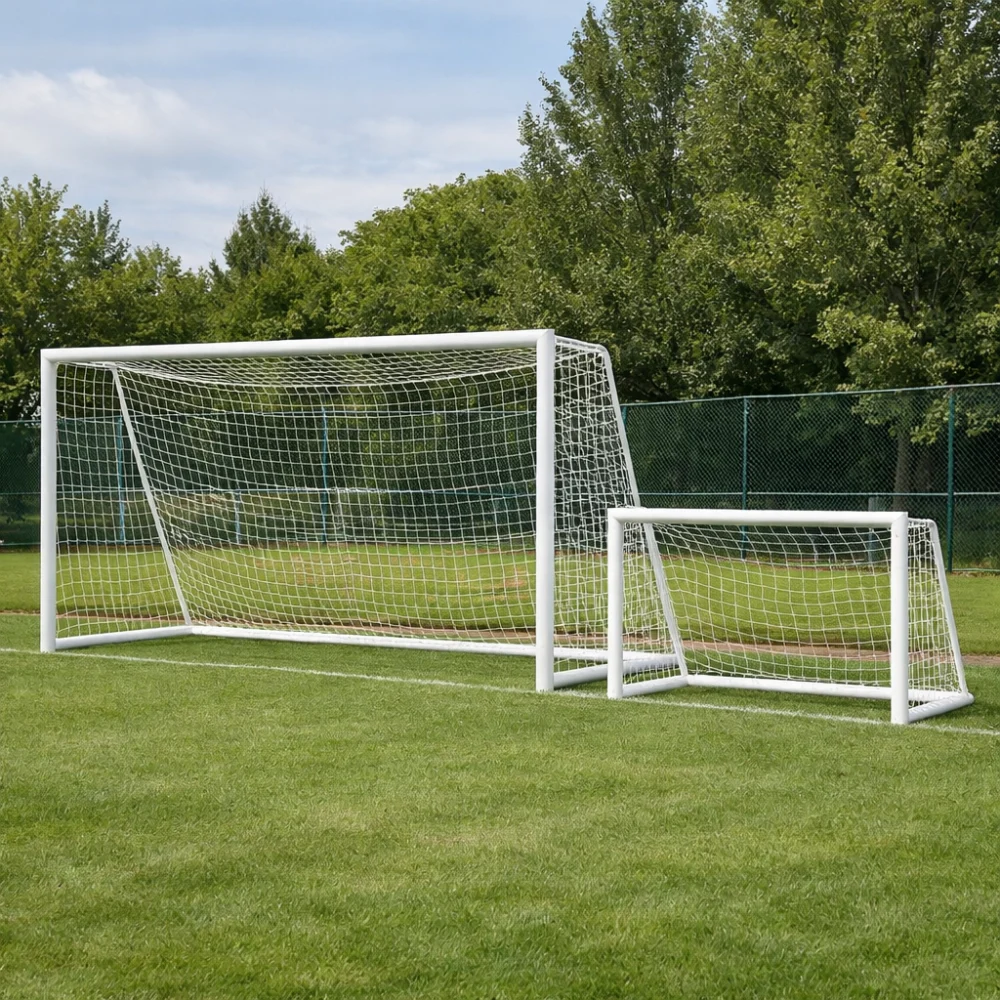
- Compact or mini goals suit smaller spaces, younger players and casual kickabout use.
- Training-style goals are often chosen for practice sessions where a larger target helps with shooting drills.
- Pop-up or portable goals are useful when easy setup and storage matter most.
- More substantial freestanding goals are better suited to regular use where a firmer presence is preferred.
The main limitation is that no single style does everything equally well. A highly portable goal is usually easier to live with day to day, but it may not feel as solid as a more permanent option.
Which football goal suits different buyers?
| Buyer need | What usually matters most | Helpful goal characteristics |
|---|---|---|
| Family garden play | Convenience, safe use of space and easy storage. | Compact size, manageable weight and simple setup. |
| Children’s practice | Appropriate scale and easy repetition. | Smaller or medium-sized goal with clear target area. |
| Regular shooting practice | A larger target and a more settled feel. | More substantial frame and suitable overall dimensions. |
| Shared or temporary spaces | Being able to move and store it without hassle. | Portable construction and straightforward assembly. |
Common mistakes and misunderstandings
- Choosing by size alone. Bigger is not always better if the goal is awkward to store or too large for the space.
- Ignoring how it will be used. A casual family goal and a practice goal do not need the same features.
- Overlooking storage needs. If the goal must be moved regularly, portability becomes an important part of the decision.
- Assuming extras are essential. Target zones, carry bags and other additions can be useful, but they are only worth it if they match your use.
Safety and suitability caveats
Check that the goal is suitable for the area where it will be used and that there is enough room around it for play. If it will be used by children, make sure the size and construction are appropriate for the intended age group and setting. Also consider whether the goal is meant for freestanding use or whether it depends on a particular setup method.
Maintenance, storage and lifespan considerations
General care can affect how useful a football goal remains over time. Nets, frames and connectors may need basic cleaning after outdoor use, and goals that are stored away between sessions should be kept somewhere dry and tidy where possible. If the product includes assembly parts or extras, it is worth checking what will need to be kept together so the goal remains easy to use later.
How to compare options efficiently
- Decide where the goal will go and how much space you can spare.
- Choose the type of goal that suits the users and the style of play.
- Compare the size, portability and stability of the short-listed options.
- Check what is included, especially if you want a target, net or carry bag.
- Read the individual product page carefully before buying.
Summary buyer decision checklist
- Have you measured the space available?
- Does the goal suit the players who will use it?
- Is portability or a more settled frame more important?
- Does the goal type match casual play or regular practice?
- Have you checked what is included with the product?
Frequently asked questions
What size football goal should I buy for a garden?
The best size depends on the available space and the ages of the players. A smaller goal is usually easier to fit into a garden without making the area feel crowded. Measure carefully before deciding, and leave enough clear space for safe play.
Are pop-up football goals suitable for regular use?
They can be useful when quick setup and storage matter, especially for casual practice. For repeated, more intensive use, some buyers prefer a more substantial goal. The right choice depends on whether convenience or a firmer feel matters more to you.
Do I need a goal with a target sheet or practice zones?
Not necessarily. Target features can help make training more focused, but they are mainly useful if you want structured shooting practice. If the goal is for general play, a simple net may be enough.
What matters more: frame type or net design?
Both matter, but in different ways. The frame affects how stable and practical the goal feels, while the net affects how the goal performs during use and how easy it is to see the target area. Check both rather than focusing on only one part.
How important is portability?
It matters most if the goal needs to be moved often or stored after each session. If it will stay in one place, portability may be less important than stability or size. Think about how the goal will actually fit into your routine.
Can one football goal suit both children and adults?
Sometimes, but not always comfortably. A goal that works well for children may feel too small for older players, while a larger goal may be unnecessary for younger users. It is usually better to choose based on the main users rather than trying to cover every possibility.

