
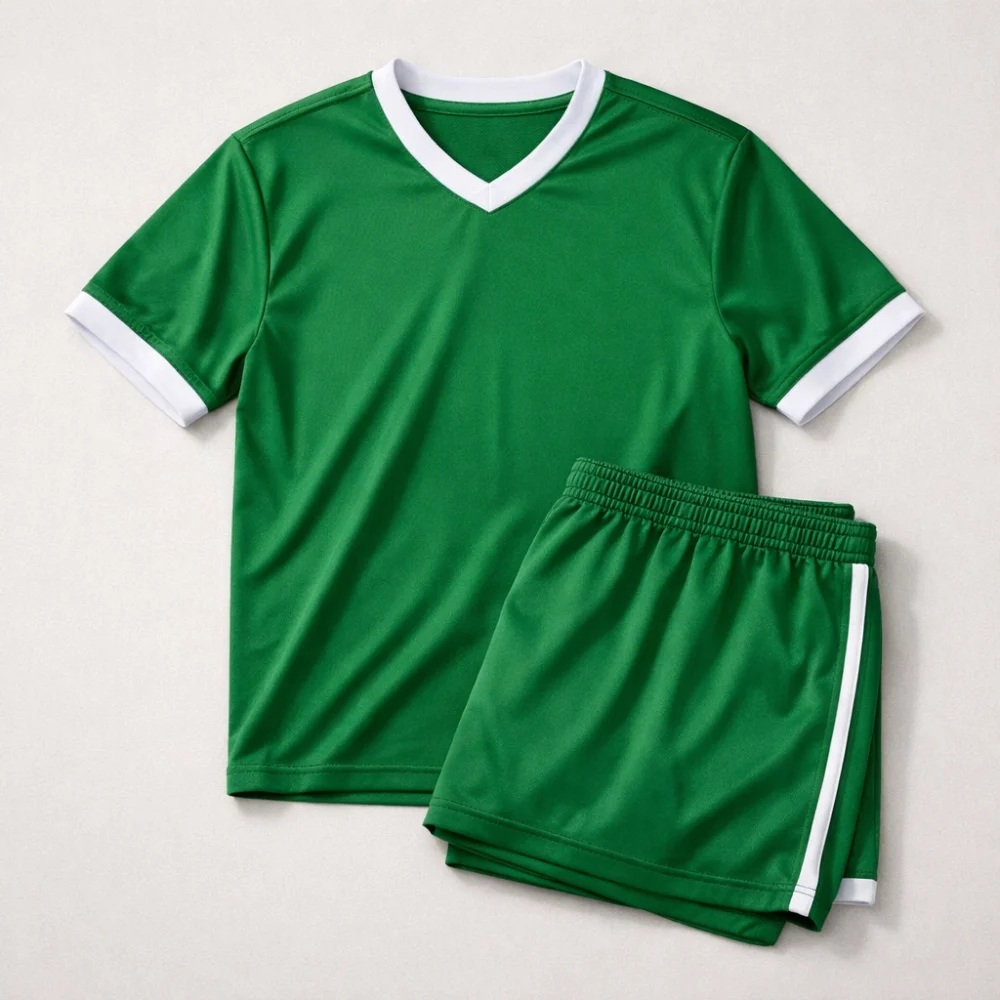
Football jerseys are bought for a few different reasons: match wear, training, team presentation, casual support or as part of a kit set. That means the right choice is not just about colour or team style, but also about comfort, fit and how the jersey will be used.
If you are comparing options for a player, a gift or a personalised kit, it helps to separate the look you want from the practical details you need. Specifications vary by model, so always check the individual product page before buying.
What should you look for in a football jersey?
The best starting point is how the jersey will be worn. A match or training jersey should feel comfortable through movement and suit regular use, while a casual or replica-style jersey may be chosen more for appearance and everyday wear. Fit, fabric feel and whether the product is sold as a single shirt or a full set are usually the most useful checks.
The main trade-off is often between style, comfort and convenience. A more fitted jersey may look closer to on-pitch wear, while a roomier cut can be easier for everyday use or for growing children. If you need a matching outfit, check whether shorts and socks are included rather than assuming they are.
| Feature | What it means | Why it matters | What to check |
|---|---|---|---|
| Fit | How close or relaxed the jersey sits on the body | Affects comfort, movement and how the shirt layers with other kit | Look for the size guidance, intended age group and whether the cut is described as slim, regular or relaxed |
| Use case | Match wear, training, casual wear or a kit set | Helps you choose the right balance of performance and presentation | Check the product description and whether it is a standalone jersey or part of a set |
| Personalisation | Name, number or custom detail options | Useful for team identity, gifts and organised football use | Check whether personalisation is included, optional or unavailable |
| Fabric feel | The overall comfort and drape of the shirt | Influences how easy it feels to wear for longer periods | Read the product page for the stated material description and any comfort notes |
| Complete kit or shirt only | Whether you are buying just the top or a wider football outfit | Prevents buying the wrong item for training or presentation | Confirm if shorts, socks or other items are part of the listing |
Key decision criteria explained
Fit and sizing
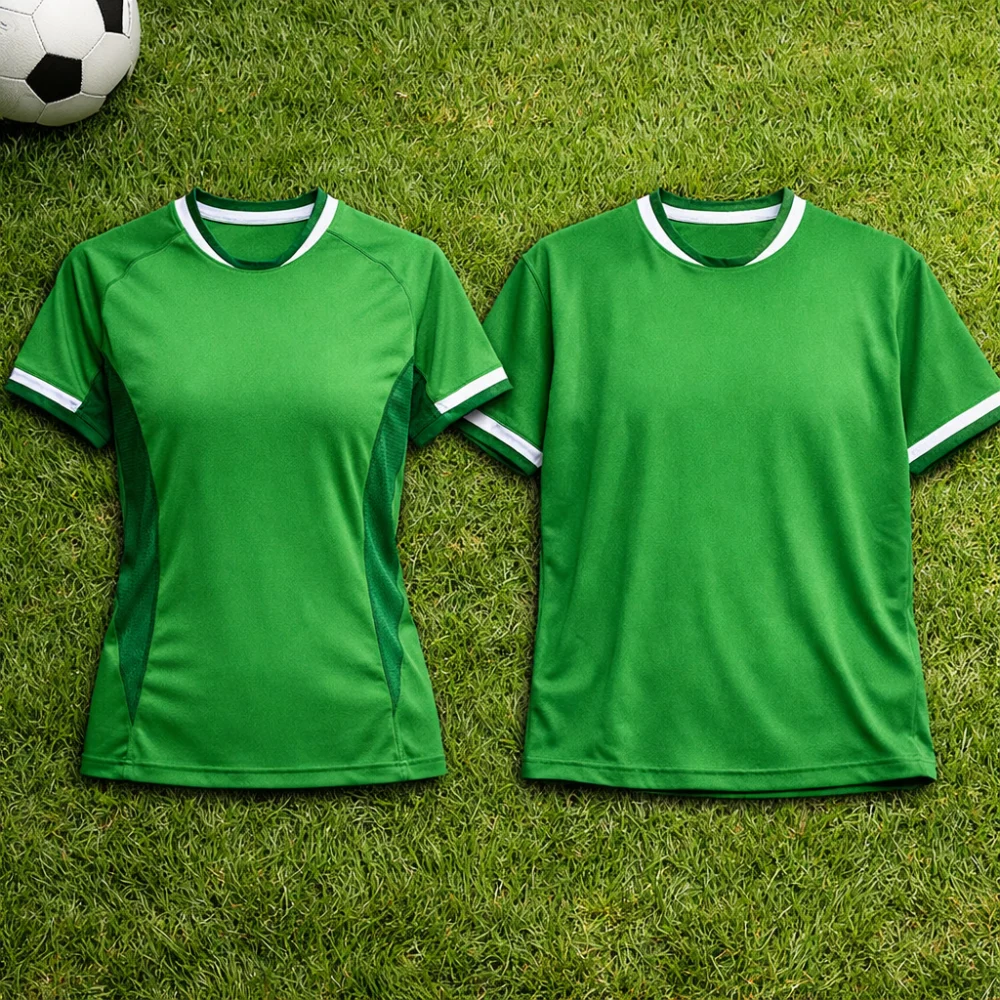
Football jerseys can be bought for children, adults or unisex wear, and sizing expectations may differ between styles. A jersey for active use should allow free movement without feeling too loose, while a casual shirt may be chosen more for appearance. If the jersey is for a child, it is worth checking whether the fit is intended for regular wear or whether a little extra room has been built in.
Single shirt or full kit
Some buyers only need a jersey, while others want a coordinated football kit. This matters because a shirt alone may be the right answer for training or supporting a team, but a set can be more practical if you want a matched look or are buying for organised football use. Do not assume that socks or shorts are included unless the listing says so.
Personalisation
Custom names, numbers or team details can be useful for clubs, gifts and family purchases. The main thing to check is whether personalisation is part of the product, offered as an option or not available at all. If you want a specific name or number, make sure the product page explains how that information is entered and whether any restrictions apply.
Everyday comfort
For many buyers, comfort is more important than technical detail. A jersey that feels easy to wear, easy to move in and suitable for the intended use is usually the safest choice when you are unsure. If the product is for regular wear rather than one-off use, that practical feel matters more than appearance alone.
Product types and variants
Within football jerseys, the most useful distinctions are usually between match-style shirts, training tops, casual supporter-style shirts and personalised kit sets. Match-style and training-style options are designed with activity in mind, while casual versions are often chosen for everyday comfort or display. Kit sets can suit buyers who want a coordinated outfit rather than a single shirt.
There may also be differences between adult and junior options, as well as between plain, team-style and customisable designs. The right variant depends on who will wear it and how often it will be used. If the jersey is for a team or a gift, personalisation and size choice may matter more than the exact style category.
Which jersey suits which buyer?
| Buyer need | What usually matters most | Why that choice helps |
|---|---|---|
| Child or junior wearer | Size, comfort and easy movement | Makes the shirt more suitable for play and regular wear |
| Team or club purchase | Consistency, personalisation and matching items | Helps the group look coordinated and avoids mismatched kit |
| Gift buyer | Popular style, flexible fit and clear sizing information | Reduces the chance of choosing the wrong size or an unsuitable version |
| Training use | Comfort and practical wearability | Supports repeated use without overcomplicating the choice |
| Casual wear | Appearance and everyday comfort | Helps the jersey work outside football as well as during it |
Common mistakes to avoid
- Assuming a jersey means a full kit. Some listings are only for the shirt, so check whether shorts and socks are included.
- Ignoring the fit description. A jersey that suits active wear may feel different from one chosen mainly for casual use.
- Overlooking personalisation details. If you want a name or number, confirm that the listing supports it before you buy.
- Choosing by appearance alone. A good-looking shirt may still be the wrong choice if the size, cut or included items do not suit the wearer.
Safety and suitability caveats
Football jerseys are generally straightforward clothing items, but it is still worth checking the intended age group, size guidance and the exact contents of the listing. If the jersey is for organised sport, make sure it is suitable for the level of wear you expect and that it works with the rest of the kit you plan to use. For custom items, confirm the details carefully before ordering because personalised products are often more specific than standard clothing.
Maintenance, storage and lifespan considerations
Most football jerseys are chosen with ease of care in mind, but the care approach can still vary by model. Check the product page for any washing or handling guidance if the jersey will be worn often or personalised. Storing it flat or neatly folded helps it stay ready to wear, especially if it is part of a full kit set.
How to compare options efficiently
- Decide whether you need a single jersey, a personalised item or a full kit.
- Check who will wear it and confirm the size or age range.
- Compare comfort, fit and whether the style suits match use or casual wear.
- Look for any included extras and confirm what is not included.
- Read the product page carefully for personalisation details and model-specific information.
Summary buyer decision checklist
- Have you confirmed whether you need a shirt only or a full kit?
- Does the fit suit the wearer and the intended use?
- Are size and age guidance clear enough for a confident choice?
- If personalisation matters, is it actually offered on the product page?
- Do you know what is included in the listing and what is separate?
- Does the jersey suit match use, training or casual wear?
Frequently asked questions
Is a football jersey the same as a football shirt?
In buying terms, the two phrases are often used very similarly. What matters most is the listing itself, because it will tell you whether the item is a standalone shirt, part of a kit or a customisable product.
How do I know if I am buying a full kit?
Check the product title and description for the included items. If shorts or socks are part of the set, they should be stated clearly; if not, assume you are buying the jersey only.
Are personalised football jerseys suitable as gifts?
They can be, especially when you know the recipient’s size and preferred style. The main point to check is whether the personalisation details can be entered exactly as needed before ordering.
Should I choose a jersey for sport or for casual wear?
That depends on how it will be used most often. A jersey intended for sport should prioritise comfortable movement and regular wear, while a casual choice may focus more on appearance and everyday comfort.
What is the most important thing to check before ordering?
Size and the exact contents of the listing are usually the most important checks. After that, look at whether the jersey suits the wearer’s use, whether it can be personalised and whether the style feels appropriate.
Do adult and junior jerseys need to be approached differently?
Yes, because the fit and size guidance may differ. Junior purchases often need extra attention to age range, while adult choices usually depend more on intended fit and style preference.
How can I avoid buying the wrong football jersey?
Start with the intended use, then confirm fit, contents and any custom details. That simple order helps you avoid choosing a shirt that looks right but does not suit the wearer or the occasion.

