
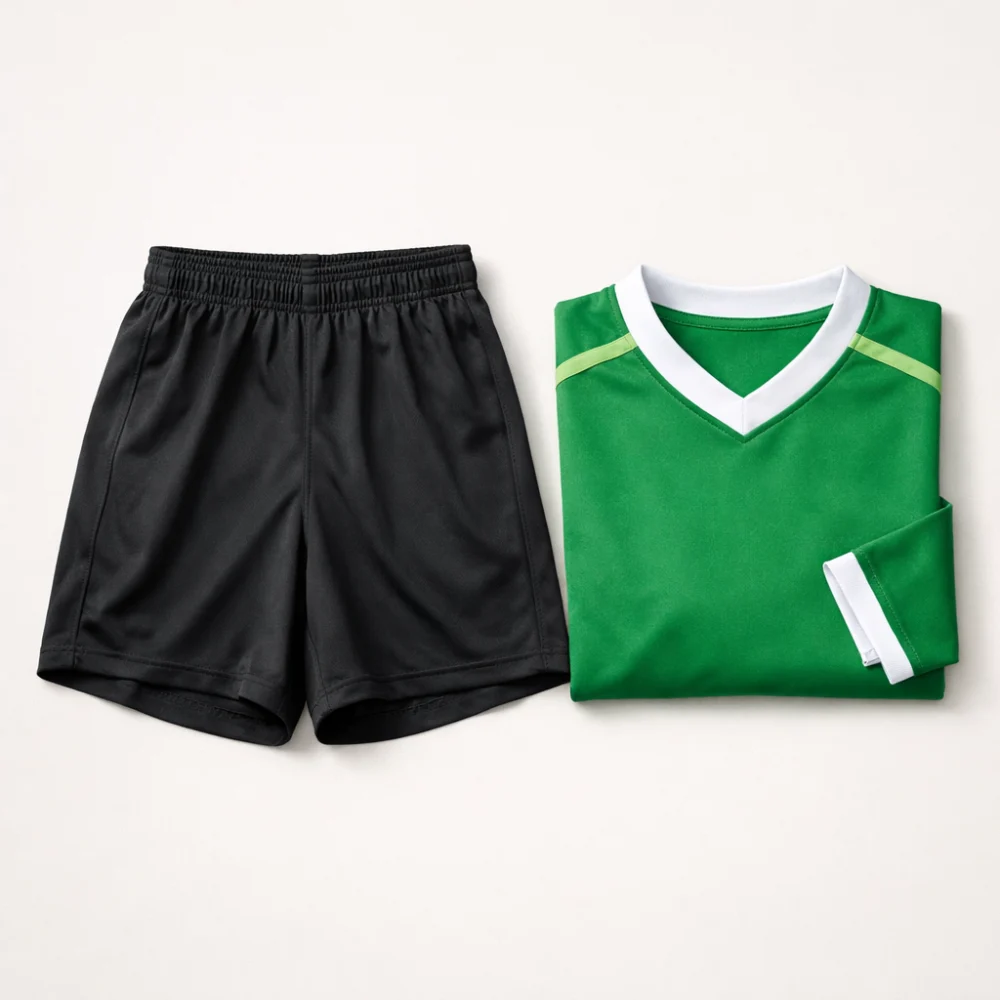
Football shorts look simple, but the right pair can make a noticeable difference to comfort and ease of movement. Buyers usually want a sensible balance of fit, breathability, durability and freedom to run, turn and stretch.
This guide helps you compare the features that matter without getting distracted by details that are less important at category level. It is especially useful if you are choosing for yourself, replacing a worn pair or buying for a young player who needs a comfortable everyday option.
If you are mostly deciding between similar-looking pairs, start with fit and intended use. A good starting point is a style that leaves enough room for movement without feeling loose or heavy, then check the waistband, fabric feel and how the shorts are intended to be worn.
What should you look for in football shorts?
The main choice is usually between comfort, movement and the kind of finish you prefer. Some buyers want a lighter, simpler short for training and frequent use, while others want something that feels a little more structured for matches or team wear. Specifications vary by model, so always check the individual product page before buying.
| Feature | What it means | Why it matters | What to check |
|---|---|---|---|
| Fit | How close or relaxed the shorts sit on the body | Fit affects comfort, movement and how secure the shorts feel during play | Waist fit, leg room and whether the cut suits the intended wearer |
| Fabric feel | The general weight and texture of the material | It influences comfort, ease of wear and how suitable the shorts feel for repeated use | Product description, fabric notes and whether the feel sounds light or more structured |
| Waistband | The section that holds the shorts in place | A better waistband can improve comfort and reduce the need for constant adjustment | Whether it is elasticated, adjustable or sized for a secure fit |
| Length and cut | How long the shorts are and how they are shaped | This affects freedom of movement and personal preference | Described length, rise and any comments about athletic or relaxed shaping |
| Use case | Whether the shorts are aimed at training, match wear or general sport | The intended use helps you judge whether the design matches your needs | Any product notes about training, team wear or casual sports use |
Key decision criteria explained
Fit and movement
Football shorts should allow you to move freely without feeling restrictive when you sprint, twist or change direction. If you prefer a cleaner look, a neater fit may appeal, but a tighter cut can feel less forgiving. If comfort is your priority, a slightly more relaxed shape may be easier to wear for longer sessions.
Waist comfort
The waistband matters more than many shoppers expect, because it affects security and day-to-day comfort. A waistband that sits well can reduce distraction during play, while one that feels too tight or too loose can make the shorts less enjoyable to wear. Check whether the product page describes the waistband as elasticated or adjustable, and consider who will be wearing them.
Fabric and feel
Different shorts can feel noticeably different even when they look similar. Some are chosen for a lighter, sport-focused feel, while others may feel a little more substantial. If the shorts will be worn often, the feel of the fabric is worth paying attention to because comfort can matter more than appearance once training starts.
Intended use
Some football shorts are better suited to regular training, while others are aimed more at teamwear or general sports use. The best choice depends on how often they will be worn and whether the main priority is comfort, smart presentation or everyday practicality. If in doubt, focus on the product description and any wording about training or match use.
Types and variants within football shorts
There is usually less variation in football shorts than in some other sports categories, but a few broad differences still help buyers narrow the choice.
- Training shorts: Often chosen for repeated sessions and general comfort. They are a sensible option if you want a straightforward everyday pair.
- Team-style shorts: Useful when a more coordinated sports look matters. They may suit club use or buyers who prefer a classic football appearance.
- Kids’ shorts: Designed for younger wearers and often selected for comfort and ease of movement. Size and waistband comfort are especially important here.
These categories are broad rather than fixed. The same product can sometimes suit more than one use, so the product page details matter more than the label alone.
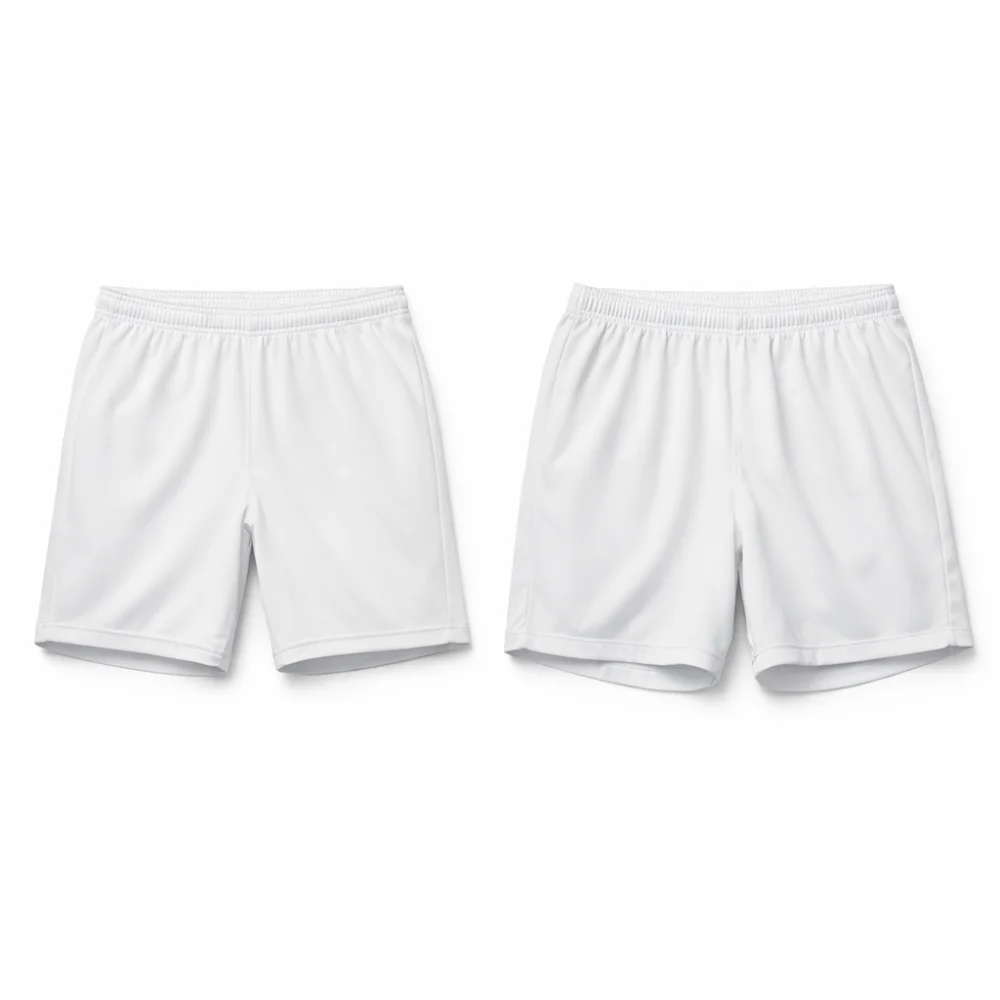
How different buyers can compare options
| Buyer need | What matters most | Good sign to look for |
|---|---|---|
| Regular player | Comfort, movement and easy wear | A fit that feels secure without restricting motion |
| Training-focused buyer | Practical comfort for repeated use | Simple design and a fabric feel that sounds suitable for sport |
| Team or club use | Consistent look and straightforward styling | Clean design and wording that suggests teamwear or football use |
| Parent buying for a child | Comfort, easy fit and simplicity | Clear sizing information and a waistband that looks manageable |
| Casual sports wearer | Comfort and versatility | A pair that sounds easy to wear beyond football alone |
Common mistakes and misunderstandings
- Choosing by appearance alone: A similar-looking pair can feel very different once worn. Fit and waistband comfort usually matter more than colour or branding.
- Ignoring intended use: A short that looks sporty is not always the best choice for regular training. Check whether the product is positioned for sport, teamwear or general casual use.
- Overlooking sizing details: Shorts that are too tight or too loose are frustrating in play. Use the product page information carefully rather than assuming all football shorts fit the same way.
- Focusing only on fabric names: A material label does not always tell you how the shorts will feel in practice. Look at the overall product description and fit notes together.
Safety and suitability considerations
Football shorts are a low-risk clothing purchase, but suitability still matters. Think about the wearer’s size, comfort preference and the conditions they will be used in. If the shorts are for a team, school activity or a young player, it is worth checking that the style is practical and easy to wear for the intended setting.
Maintenance, storage and wear
Most football shorts are chosen for simple care and regular washing, but the exact needs can vary by model. If they will be worn often, consider how easy they are to launder and whether the fabric description suggests a practical everyday option. Store them as you would other sportswear, and think about whether you are buying one pair for occasional use or several for weekly rotation.
How to compare options efficiently
- Decide who the shorts are for and how they will be used most often.
- Compare fit, waistband comfort and general cut first.
- Check the fabric feel and whether the shorts are described for training, teamwear or general sport.
- Look for any details that suggest the shorts will suit frequent wear or a more casual use.
- Read the individual product page carefully before deciding.
Summary buyer decision checklist
- Is the fit likely to suit the intended wearer?
- Does the waistband sound comfortable and secure?
- Are the shorts suitable for training, match wear or casual use?
- Does the fabric feel seem appropriate for regular sport?
- Are size details clear enough to compare properly?
- Will the style suit the level of movement and comfort needed?
Frequently asked questions
What makes football shorts different from regular shorts?
Football shorts are generally chosen with sport in mind, so the cut, waistband and overall feel are designed to support movement. Regular shorts may still be comfortable, but they are not always as suitable for running, turning and repeated play. The main difference is usually practicality rather than appearance.
Should I choose a tighter or looser fit?
That depends on how you like your sportswear to feel. A closer fit can feel neater, while a looser fit may give more room and comfort. If you are unsure, focus on comfort and movement rather than style alone.
Are football shorts suitable for training and matches?
Many are suitable for both, but not every short is positioned the same way. Some are better for frequent training, while others are more about teamwear appearance. Check the product description to see which use it seems to suit best.
What should I check if I am buying for a child?
Prioritise comfort, easy fit and clear sizing information. A waistband that sits well and a cut that allows movement are especially useful. If possible, check the product page carefully for guidance on the intended age or size range.
Does the fabric type matter a lot?
It matters because fabric affects feel, comfort and how the shorts may suit regular wear. A lighter or more structured fabric can change how the shorts feel in use, even if the shorts look similar. It is worth reading the product description rather than relying on appearance alone.
How do I avoid buying the wrong size?
Use the product page sizing information and compare it carefully with the wearer’s needs. Do not assume that every football short fits the same way. If the fit seems important, look for any wording that helps you judge whether the cut is generous, close or standard.

