
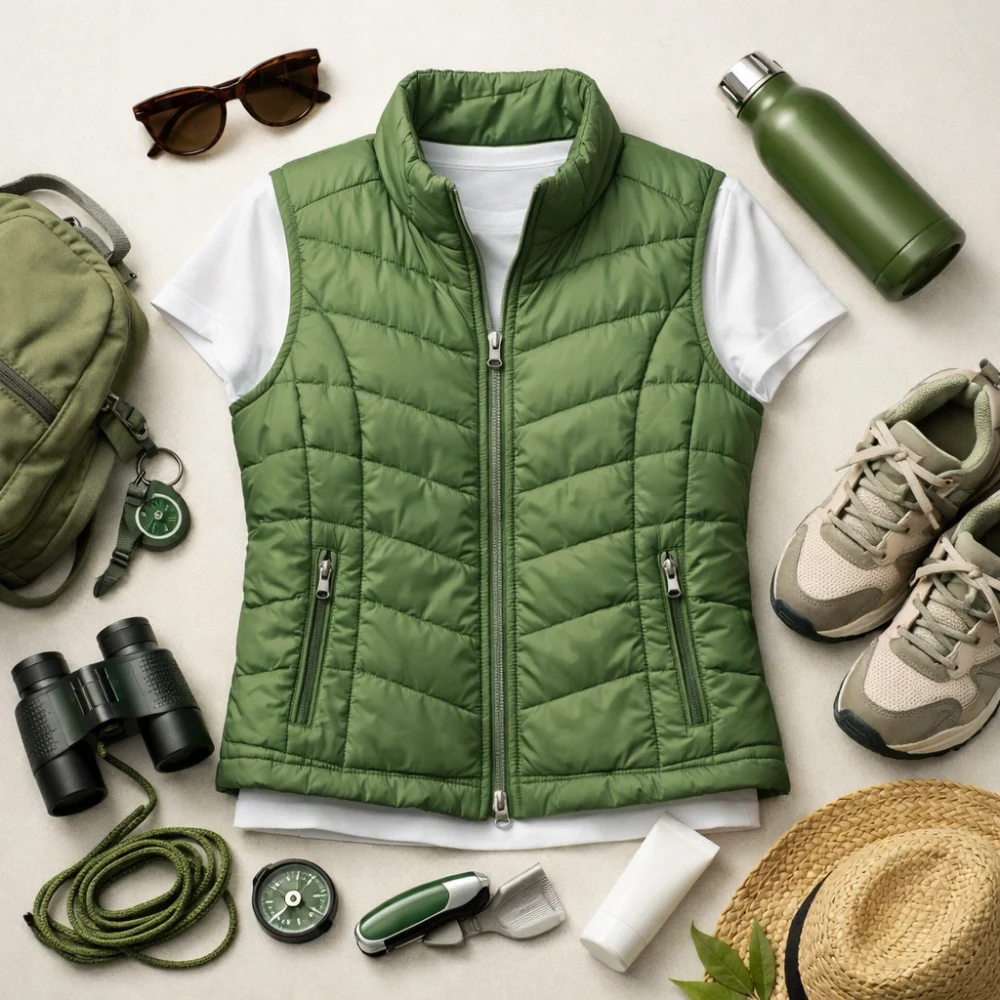
Women’s summer gilets are a simple way to add a light layer without the bulk of sleeves. They can be useful for changeable weather, outdoor walks, travel and everyday layering when you want a bit more comfort across the body while keeping your arms free.
The main buying decision is usually not about finding the “warmest” option, but about choosing the right balance of weight, breathability, wind resistance and ease of layering. A gilet that feels ideal over a T-shirt may be less comfortable over a thicker top, so it helps to think about how and when you will wear it.
This guide focuses on the practical differences that matter before you buy, rather than on style alone. Specifications vary by model, so always check the individual product page before buying.
What should you look for in a women’s summer gilet?
Start with the type of use you have in mind. For some buyers, a summer gilet is mainly an extra layer for cooler mornings and evenings; for others, it is a lightweight piece for walking, gardening, travel or casual wear. The best choice depends on how much warmth you want, how much movement you need and whether you prefer a more fitted or relaxed layer.
The most useful trade-off is between insulation and breathability. A more padded or insulated gilet may feel cosier, but it can be too warm for active use. A lighter bodywarmer is easier to wear for longer periods, but it may offer less warmth in windy conditions.
| Feature | What it means | Why it matters | What to check |
|---|---|---|---|
| Insulation level | How much warmth the gilet is designed to add | Helps you match the layer to cooler mornings, evenings or breezy days | Look for wording that suggests fleece, padded or lightweight construction |
| Outer material | The fabric used on the outside of the gilet | Affects comfort, feel and how suitable it is for different weather | Check whether it is described as soft, quilted, softshell or water resistant |
| Fit and length | How close it sits to the body and where it falls | Changes how easily it layers over other clothing and how much coverage it gives | Review size guidance, cut and whether it is regular, cropped or longline |
| Fastening | How the gilet closes at the front | Influences comfort, venting and how easy it is to adjust while wearing | Check for zip or other closure details on the product page |
| Pockets and extras | Additional practical details | Useful for carrying small items or adding convenience outdoors | Confirm pocket placement, hood details or similar features if they matter to you |
| Intended use | The setting the gilet is designed around | Helps you avoid choosing a style that looks right but feels wrong in use | See whether the description points to casual wear, walking, cycling or outdoor layering |
Key decision criteria explained
Warmth versus lightness
Summer gilets vary from very light layering pieces to more insulated bodywarmers. If you want something to wear over a T-shirt or thin top, a lighter option is often easier to live with. If you tend to feel the cold or want extra comfort in the evening, a more substantial design may suit you better.
Breathability and movement
A sleeveless layer is often chosen because it keeps the core covered without restricting the arms. That makes it useful for walking, travelling and everyday wear. If you expect to be active, look for a design that seems easy to move in rather than one that prioritises bulk or heavy insulation.
Fabric feel and weather resistance
Some gilets are made to feel soft and casual, while others lean towards a more technical or outdoor finish. A water-resistant or softshell-style outer can be helpful in changeable weather, but it is not the same thing as full waterproof protection. Check the description carefully if you need the gilet to cope with drizzle or wind rather than just dry conditions.
Fit, layering and length
Fit affects both comfort and appearance. A closer fit can sit neatly over a base layer, while a looser cut may feel more forgiving over knitwear. Length also matters: cropped, regular and longline styles create different looks and levels of coverage, so it is worth checking where the hem is likely to sit on your body.
Common gilet types and who they may suit
Within this category, the most common differences are in construction rather than in purpose. That makes it easier to compare by feel and intended use.
- Fleece gilets tend to feel soft and comfortable for everyday layering. They suit relaxed wear and cooler conditions, but they may be less wind-resistant than more structured options.
- Quilted or padded gilets usually give a more insulated feel. They can suit people who want a bit more warmth, although they may feel heavier or less breathable.
- Softshell-style bodywarmers often appeal to buyers who want a more outdoor-focused layer. They may feel more structured and practical, but not everyone wants that look for casual use.
- Longline gilets can offer more coverage and a different silhouette. They may suit those who prefer extra length, while shorter styles can feel easier to move in.
How different buyers can narrow the choice
| Buyer need | What to prioritise | Why it helps |
|---|---|---|
| Everyday casual wear | Comfort, easy layering, a flattering fit | Makes the gilet simple to wear with ordinary outfits |
| Walking or light outdoor use | Breathability, weather resistance, practical fastenings | Helps the layer feel useful rather than bulky |
| Travel and packing convenience | Lightness and easy layering | Reduces the chance of carrying something unwieldy |
| Chilly mornings and evenings | More insulation and a closer fit around the core | Adds comfort without needing full sleeves |
| Style-led layering | Shape, length and finish | Helps the gilet work with the rest of the outfit |
Common mistakes to avoid
- Choosing by looks alone: a gilet can suit the outfit but still feel too warm, too thin or awkward to layer.
- Ignoring fit over other clothing: a piece that works over a vest may feel tight over a jumper or sweatshirt.
- Assuming all summer gilets are the same: lightweight, fleece, padded and softshell styles can feel very different in use.
- Overlooking practical details: pockets, fastening style and length can make a bigger difference than expected in everyday wear.
Safety and suitability caveats
Use the product description to judge whether a gilet suits your intended setting. A summer gilet is usually best treated as a layering piece, not as a substitute for a proper weatherproof outer layer when conditions are wet or cold. If you need specific protection from wind or rain, check the individual product page carefully rather than assuming from the category name alone.
Maintenance and storage considerations
Care needs vary depending on the material and construction, so it is sensible to check the garment care label or product details before buying. Lightweight layers are usually easier to store and pack than bulkier insulated styles, which can matter if you plan to travel with them or keep them in a bag. If you expect frequent use, think about how easy the fabric will be to clean and how much shaping or bulk you are happy to keep in your wardrobe.
How to compare options efficiently
- Decide when you will wear it most: everyday, walking, travel or outdoor layering.
- Choose the general type that fits that use: fleece, padded, quilted or softshell-style.
- Compare the features that affect comfort most: fit, length, weight and fastening.
- Check practical extras such as pockets or weather resistance only if they matter to you.
- Read the individual product page carefully before buying, especially where specifications vary.
Summary buyer decision checklist
- Will you wear it mainly for casual use or for outdoor activity?
- Do you want light layering or a warmer bodywarmer feel?
- Will you wear it over thin tops, or also over thicker layers?
- Do you prefer a close fit, a relaxed fit or a longer shape?
- Are pockets, fastening style or weather resistance important to you?
- Have you checked the individual product page for the exact details?
Frequently asked questions
What is the difference between a gilet and a bodywarmer?
In everyday shopping, the terms are often used in a very similar way. A bodywarmer can sometimes sound a little more practical or insulated, while gilet may be used more broadly for lighter, style-led layering. The exact meaning depends on the product description, so it is worth checking the details rather than relying on the name alone.
Are summer gilets warm enough for evenings?
They can be, if you want a modest extra layer rather than heavy warmth. This depends on the material, fit and how exposed you are to wind. If you tend to feel cold easily, a more insulated option may be more suitable than a very light layer.
Can I wear a gilet over a jumper?
Often yes, but the fit matters. A gilet that looks fine over a T-shirt may feel too snug over a thicker top, so check sizing and consider how you plan to layer it. A slightly roomier cut is usually more flexible for this kind of wear.
Is a water-resistant gilet the same as a waterproof one?
No. Water-resistant designs can help with light moisture or brief drizzle, but they are not the same as full waterproof outerwear. If you expect regular rain, look carefully at the product description and do not assume any gilet will keep you dry in all conditions.
What length is most useful?
That depends on your shape, your outfit and the amount of coverage you prefer. Shorter styles can feel easy to move in, while longline designs may give a more covered feel. The best choice is the one that works with the layers you already wear.
How do I decide between fleece and quilted styles?
Think about whether softness or structure matters more to you. Fleece tends to feel relaxed and comfortable, while quilted styles often feel more outerwear-like and a little more insulated. The right choice is usually the one that fits your normal activities and layering habits.

