
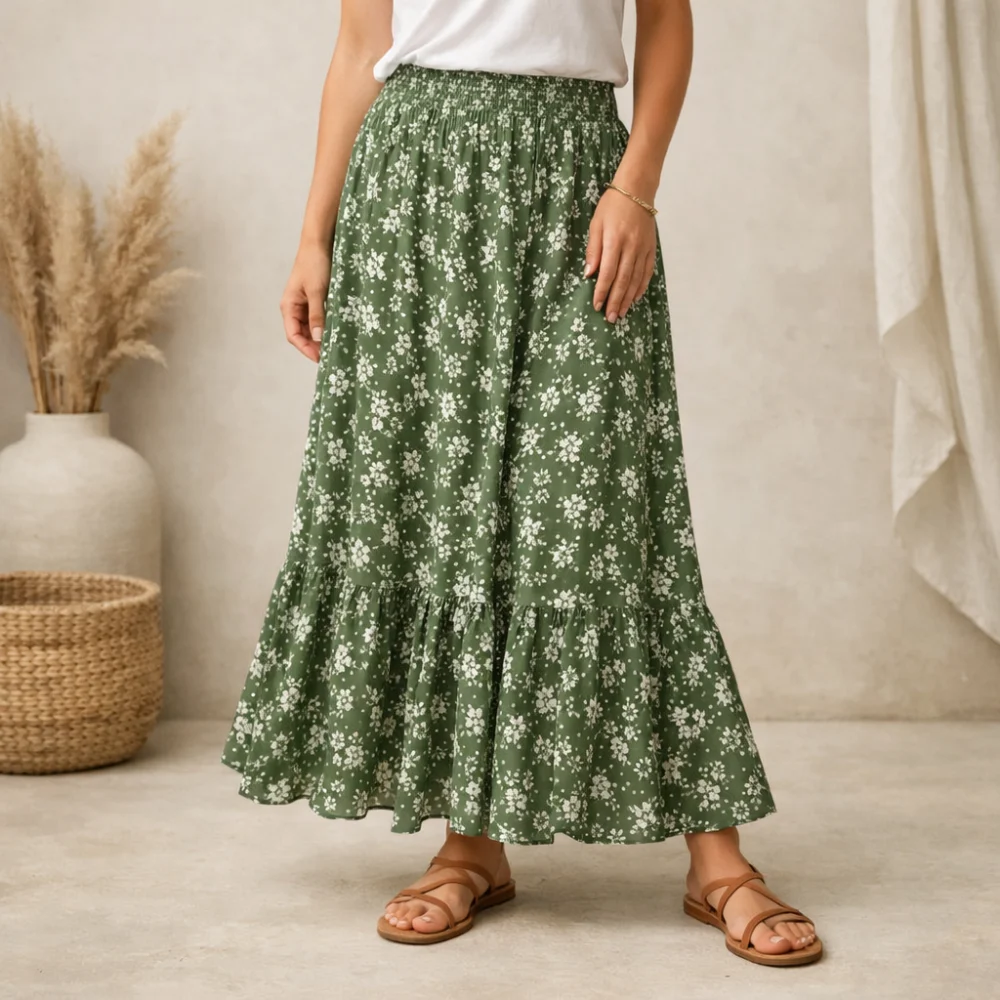
Women’s summer maxi skirts are a flexible choice for warm-weather dressing, from relaxed everyday outfits to smarter holiday and occasion looks. The main buying decision is not just style; it is how the skirt will feel in hot weather, how it will move when you walk, and whether it suits the tops and footwear you already own.
Because maxi skirts can vary a lot in fabric, cut, waistband style and lining, it helps to compare the details rather than relying on the word “maxi” alone. A skirt that looks similar in photos may wear very differently depending on drape, fullness and length.
This guide focuses on the practical choices that matter before you buy, so you can narrow down the options with confidence.
What should you look for in a summer maxi skirt?
The best starting point is fit and fabric. For summer wear, many buyers want something that feels light, moves well and suits their planned use, whether that is casual days out, travel or a slightly dressier outfit. The biggest trade-off is usually between ease of wear and structure: a softer, floatier skirt may feel cooler and more relaxed, while a more shaped design may look neater but feel less breezy.
Specifications vary by model, so always check the individual product page before buying.
| Feature | What it means | Why it matters | What to check |
|---|---|---|---|
| Fabric | The material the skirt is made from | Affects breathability, drape and comfort in warm weather | Look for the listed fabric type and any lining information |
| Waistband | How the skirt fastens or stretches at the waist | Affects comfort, fit and ease of dressing | Check whether it is elasticated, fixed or adjustable |
| Length | How long the skirt falls on the body | Changes mobility, coverage and the overall look | Compare the length description with your preferred wearing height |
| Shape | The skirt’s silhouette, such as straight, flared or tiered | Influences movement, volume and how formal it looks | Read the shape description and study product photos carefully |
| Lining and opacity | Whether the skirt has a lining and how sheer it may be | Important for comfort, modesty and confidence in bright light | Check the product page for lining details and fabric thickness notes |
| Care | How the skirt needs to be cleaned and stored | Affects convenience over a season of regular wear | Look for washing guidance and any fabric-care notes |
Key decision criteria explained
Fabric and feel
Fabric is one of the most important factors for a summer skirt because it affects breathability, movement and how the skirt hangs. Lightweight fabrics often feel cooler and drape softly, while denser fabrics may hold their shape more firmly. The best choice depends on whether you want an airy, casual feel or a more polished silhouette.
Waist style and comfort
Maxi skirts often use elasticated waists, fitted waistbands or adjustable details. Elastic can be forgiving and easy to wear, while a more structured waistband may give a tidier finish. Think about how you plan to wear the skirt throughout the day, especially if you want something comfortable for sitting, walking or travel.
Length and proportion
A maxi skirt is usually chosen for its longer line, but the practical length still matters. Buyers often find that hem position changes the whole feel of the outfit, especially if they are petite, tall or planning to wear flat sandals rather than heels. If you are unsure, compare the listed length with skirts you already own.
Volume and silhouette
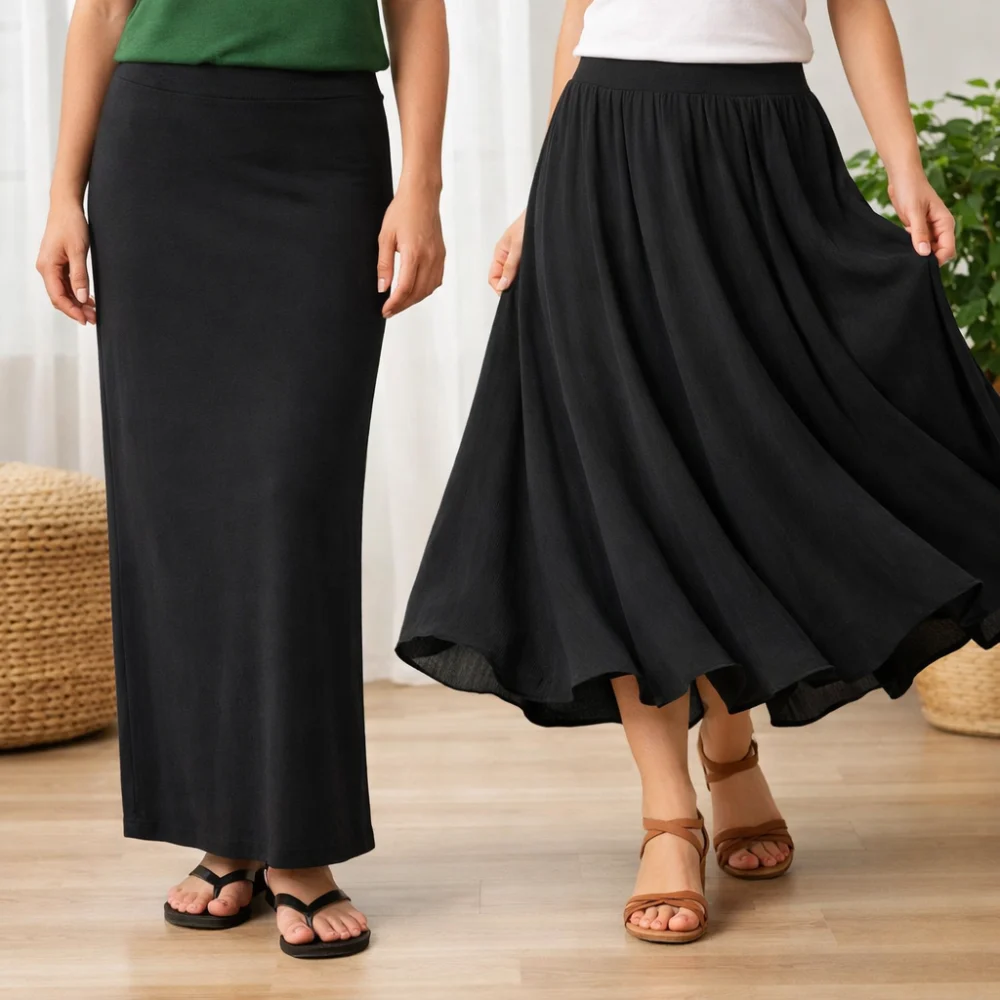
Some maxi skirts are straight and streamlined, while others are fuller, tiered or more flared. A fuller skirt can create movement and a softer look, but it may feel less neat in strong wind or when packed for travel. A slimmer shape may be easier to style with a tucked-in top or fitted layer.
Lining and coverage
For summer wear, lining can make a skirt feel more reassuring and easier to style. It may also change how breathable the skirt feels, so there is a balance between coverage and coolness. If you want a lighter finish, check whether the skirt is lined, unlined or described as semi-sheer.
Product types and variants
Within women’s summer maxi skirts, the main differences are usually in styling rather than entirely separate product types. Common variations include simple plain skirts, printed or boho-style designs, pleated looks, tiered skirts and more occasion-ready styles with a smoother finish.
- Elastic-waist maxi skirts: Often the easiest choice for comfort and quick dressing.
- Flared or A-line maxi skirts: Offer more movement and a more flowing shape.
- Pleated maxi skirts: Can give a neater, more structured look but may need a little more care.
- Tiered or boho-style maxi skirts: Suit relaxed outfits and can create extra volume.
Which skirt suits which kind of buyer?
| Buyer need | Likely priority | What to favour |
|---|---|---|
| Everyday comfort | Easy wear and a forgiving fit | Elasticated waist, soft drape and straightforward styling |
| Holiday packing | Versatility and low-fuss wear | Lightweight fabric, easy coordination and simple care notes |
| Dressier outfit | Cleaner finish and stronger shape | More structured waistband, neater silhouette and lining where helpful |
| Hot-weather wear | Cooler feel and airflow | Lightweight fabric and a cut that does not feel too full or heavy |
| Modest coverage | More coverage and confidence | Longer length, suitable lining and opacity details |
Common mistakes and misunderstandings
- Assuming all maxi skirts fit the same way. Waist style, fullness and fabric can change the fit a lot, so it is worth checking each listing individually.
- Ignoring lining and opacity. A skirt that looks similar in photos may be more sheer than expected in bright light.
- Focusing only on print or colour. Style matters, but the fabric and cut will affect how often you actually wear the skirt.
- Forgetting footwear and styling. A hem length that works with sandals may feel different with trainers or wedges.
Safety and suitability caveats
For a summer maxi skirt, the main suitability checks are practical rather than technical. Make sure the length, waistband and fabric suit the way you plan to move, sit and travel, and check any opacity or lining notes if you want more coverage. If the product is intended for a specific occasion or layered outfit, confirm that it fits your needs rather than assuming the photos tell the whole story.
Maintenance, storage and lifespan considerations
Care needs can vary a lot between fabrics, so check the cleaning instructions before you buy if low-maintenance care matters to you. Light summer skirts are often easy to store, but delicate fabrics, pleats or linings may need a little more attention to avoid creasing. If you want something for frequent wear, look for a fabric and finish that match the amount of care you are willing to give it.
How to compare options efficiently
- Start with your main use, such as everyday wear, travel or a dressier outfit.
- Compare fabric, waistband and length first, because these affect comfort most.
- Check the silhouette and lining to see how the skirt is likely to look and feel in practice.
- Review the care guidance if you want an easy, low-maintenance option.
- Read the individual product page carefully before deciding.
Summary buyer decision checklist
- Does the fabric suit warm weather and your comfort preference?
- Is the waistband style likely to feel comfortable for long wear?
- Does the length suit your height and the shoes you plan to wear?
- Is the silhouette the kind of shape you want, from simple to fuller?
- Does the listing mention lining or opacity in a way that suits you?
- Are the care instructions practical for how often you will wear it?
Frequently asked questions
Are summer maxi skirts comfortable in hot weather?
They can be, but comfort depends on the fabric, fit and amount of volume. Lightweight, breathable designs usually feel easier to wear than heavy or very layered ones. It is worth checking whether the skirt is lined, as that can affect how cool it feels.
What is the difference between a maxi skirt and a midi skirt?
A maxi skirt is longer and usually reaches near the ankles, while a midi skirt is shorter and falls somewhere between the knee and ankle. The practical difference is how much coverage and movement you want. If you prefer a longer line or more coverage, a maxi skirt is usually the better starting point.
Should I choose an elasticated waist?
If comfort and ease of wear are priorities, an elasticated waist is often a sensible option. It can also make sizing feel more forgiving for casual wear. If you want a sharper, more structured look, a fixed waistband may be more suitable.
Do all maxi skirts need lining?
No, but lining can improve coverage and confidence, especially in lighter colours or thinner fabrics. The trade-off is that lining can add a little more structure or warmth. If coverage matters to you, check the product page carefully rather than assuming from photos alone.
How do I know if the length will suit me?
Look at the listed length and compare it with skirts or dresses you already own. Body height, waistband position and footwear can all change where the hem falls. If you are between lengths in other clothing, paying close attention to the measurements is especially helpful.
What style is easiest to wear with different tops?
A simple A-line or softly flared maxi skirt is often the easiest to pair with everyday tops. It usually works well with fitted or tucked-in styles and can be dressed up or down. Very full or highly detailed skirts can still be versatile, but they may ask more from the rest of the outfit.

