
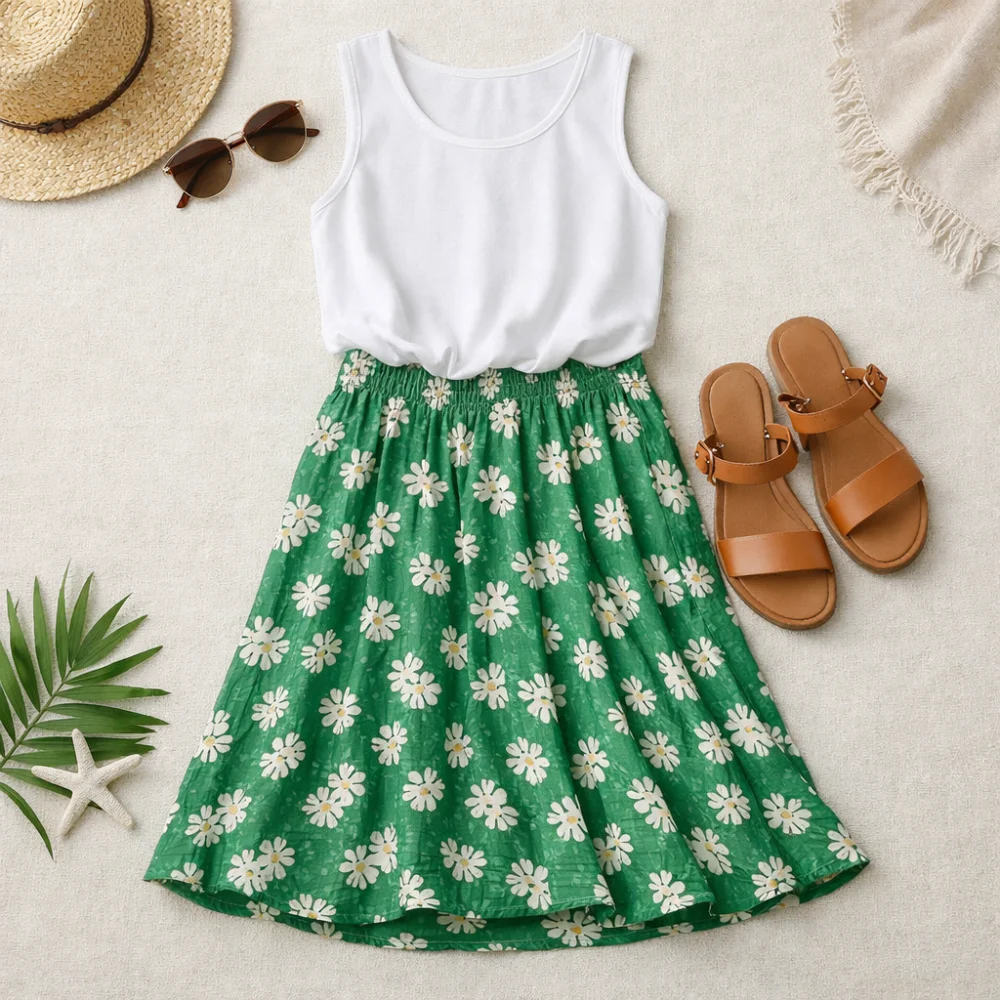
Women’s summer midi skirts are a versatile warm-weather option for buyers who want more coverage than a mini skirt and less length than a maxi. They can work for everyday wear, holidays and relaxed outdoor plans, but the right choice depends on how you want the skirt to fit, move and feel in heat.
This guide focuses on the buying decisions that matter most: length, fabric feel, waist style, shape and ease of movement. It is designed to help you compare options quickly without turning the choice into guesswork.
What should you look for in a women’s summer midi skirt?
The best starting point is to balance comfort, coverage and fit. A midi skirt can be easy to wear in summer, but the details matter: some are looser and breezier, while others sit closer to the body or feel more structured. Think first about where you plan to wear it, then check the fabric, waist and silhouette that best suit that use.
Specifications vary by model, so always check the individual product page before buying.
| Feature | What it means | Why it matters | What to check |
|---|---|---|---|
| Length | Where the hem falls on the leg | Affects coverage, airflow and how formal the skirt feels | Look for whether it sits below the knee or nearer mid-calf |
| Waist style | Elasticated, fixed, tie or other waistband construction | Changes comfort, adjustability and how secure the fit feels | Check how the waist closes and whether it is likely to feel relaxed or shaped |
| Fabric feel | The material and how it hangs | Influences breathability, drape and ease of care | Read the fabric description and note whether it is light, structured or stretchy |
| Shape | The overall silhouette, such as straight, A-line or tiered | Shapes movement and how the skirt sits over the hips and legs | Compare the cut with your preferred level of room and drape |
| Coverage | How much leg is covered when standing and moving | Important for comfort, modesty and practical everyday wear | Consider slit placement, fullness and how the skirt may move in a breeze |
| Ease of wear | How simple the skirt is to put on and live in | Useful for travel, quick outfit changes and all-day comfort | Check for stretch, pockets, lining and whether the waist is forgiving |
Key decision criteria explained
Length and proportion
Midis are defined by a longer hemline, but the exact length can vary enough to change the whole feel of the skirt. A slightly shorter midi may feel lighter and easier to walk in, while a longer midi gives more coverage and often reads a little dressier. Think about your height, footwear and the occasions you want to wear it for, because the same skirt can look quite different depending on those factors.
Fabric and summer comfort
For summer, the main question is not just how the skirt looks, but how it feels in warm weather. Lighter fabrics and less cling usually feel easier for daytime wear, while heavier or more structured fabrics may hold their shape better. If you prefer a skirt that drapes softly, check the fabric description carefully rather than relying on the product name alone.
Waistband and fit
The waistband often decides whether a skirt feels relaxed enough for regular use. Elasticated waists can be forgiving and easy to wear, while fixed waistbands may give a neater outline but need a more precise fit. Tie details and adjustable features can help, but the overall comfort still depends on how the waistband sits on your body.
Silhouette and movement
Some midi skirts have an A-line shape that allows more room around the legs, while others are straighter or more body-skimming. More fullness can make walking easier and improve airflow, but a closer fit may give a sharper outline. Choose the shape that matches how you want the skirt to move, not just how it looks on the hanger.
Common types and variants
Within women’s summer midi skirts, the main differences are usually in shape and wearability rather than in highly technical features. A plain or simple midi skirt tends to be the easiest to style, while a tiered or fuller version can feel more relaxed and airy. Print-led skirts add visual interest, but they also make the overall look less neutral, so they suit buyers who want the skirt to be the focus of the outfit.
Some midi skirts are designed to feel more fitted, which can suit a neater silhouette but may be less forgiving for all-day comfort. Others are looser through the body and easier for warm weather, though they may feel less structured. The right choice depends on whether you value shape, ease or a balance of both.
Which skirt suits which buyer?
| Buyer need | What to prioritise | Why it helps |
|---|---|---|
| All-day comfort | Relaxed waist, easy fit, breathable-feeling fabric | Helps the skirt feel wearable for longer periods |
| More coverage | Longer hem, fuller shape, less cling | Gives a more modest feel and often more practical movement |
| Travel or packing | Simple shape, easy-care fabric, versatile colour or print | Makes the skirt easier to combine with different outfits |
| Dressier everyday wear | Cleaner silhouette, neater waistband, smoother drape | Helps the skirt work for occasions beyond casual wear |
| Hot-weather wear | Light feel, easier movement, less restrictive fit | Improves comfort when temperatures rise |
Common mistakes to avoid
- Choosing by print alone. A skirt can look appealing but still feel wrong if the length or fit does not suit you.
- Assuming all midi lengths are the same. The hem position can make a noticeable difference to comfort and styling.
- Ignoring the waistband. A style that looks good can still be awkward if the waist is too rigid or not adjustable enough.
- Overlooking fabric description. Two skirts with similar photos can behave very differently in heat, movement and drape.
- Forgetting footwear. The same midi length can work differently with sandals, trainers or dressier shoes.
Safety and suitability caveats
This is a clothing category, so the main checks are about comfort, fit and intended use rather than technical safety. If you need a skirt for a specific setting, consider whether the length, opacity and movement suit that environment. For practical buying, it is worth checking how the skirt is intended to fit and whether it is likely to feel comfortable for sitting, walking or travelling.
Maintenance, storage and lifespan considerations
Summer skirts are usually easier to manage when you choose a fabric and construction that suit your routine. If you prefer low-effort care, look for straightforward washing guidance and fabrics that are less likely to need special handling. Store the skirt so it does not crease unnecessarily, and consider how often you expect to wear it when deciding between a more casual or a more polished finish.
How to compare options efficiently
- Start with the occasion: everyday wear, holiday use, travel or smarter casual outfits.
- Choose the length and shape that feel right for your height and preferred coverage.
- Compare the waistband and fabric description for comfort and ease of wear.
- Check whether the skirt is likely to move freely and feel suitable in warm weather.
- Read the individual product page carefully before deciding.
Summary buyer decision checklist
- Does the midi length suit your height and coverage preference?
- Is the waistband likely to feel comfortable for your use?
- Does the shape give enough room for walking and sitting?
- Does the fabric description suggest a feel you would be happy wearing in summer?
- Will the style work with the footwear and tops you already own?
- Have you checked the individual product page for the details that matter most to you?
Frequently asked questions
What is the main advantage of a midi skirt for summer?
A midi skirt gives more coverage than a short skirt while still feeling lighter than many longer styles. That makes it a practical middle ground for buyers who want comfort without going fully to a maxi length. The exact feel still depends on the fabric and cut.
Are elasticated waistbands better for summer skirts?
They can be, especially if you want a relaxed fit and easier all-day wear. An elasticated waist is often more forgiving than a fixed waistband, but it may not give the same structured look. The right choice depends on whether comfort or a neater finish matters more to you.
How do I know if a midi skirt will be too long or too short?
Check where the product page indicates the hem is intended to sit, then think about your height and the shoes you plan to wear with it. A skirt that looks mid-calf on one person may sit differently on another. If the listing gives fit guidance, use that as part of your comparison.
What should I prioritise if I want a skirt for hot weather?
Focus on the overall feel rather than just the pattern or colour. A lighter, less restrictive style is usually easier to wear in heat, especially if it allows movement and does not cling. Fabric description and silhouette are the most useful details to compare.
Can a midi skirt work for smarter outfits as well as casual wear?
Yes, depending on the cut and finish. A cleaner silhouette and neater waistband can make a midi skirt feel more polished, while a tiered or very relaxed style may read more casual. Consider what tops and shoes you already own, because those will affect the final look as much as the skirt itself.
What is the easiest way to narrow down choices?
Start with three questions: how much coverage you want, how fitted you want the waist and how casual or polished the skirt should look. Once those are clear, the remaining differences are usually easier to judge. Specifications vary by model, so always check the individual product page before buying.

