
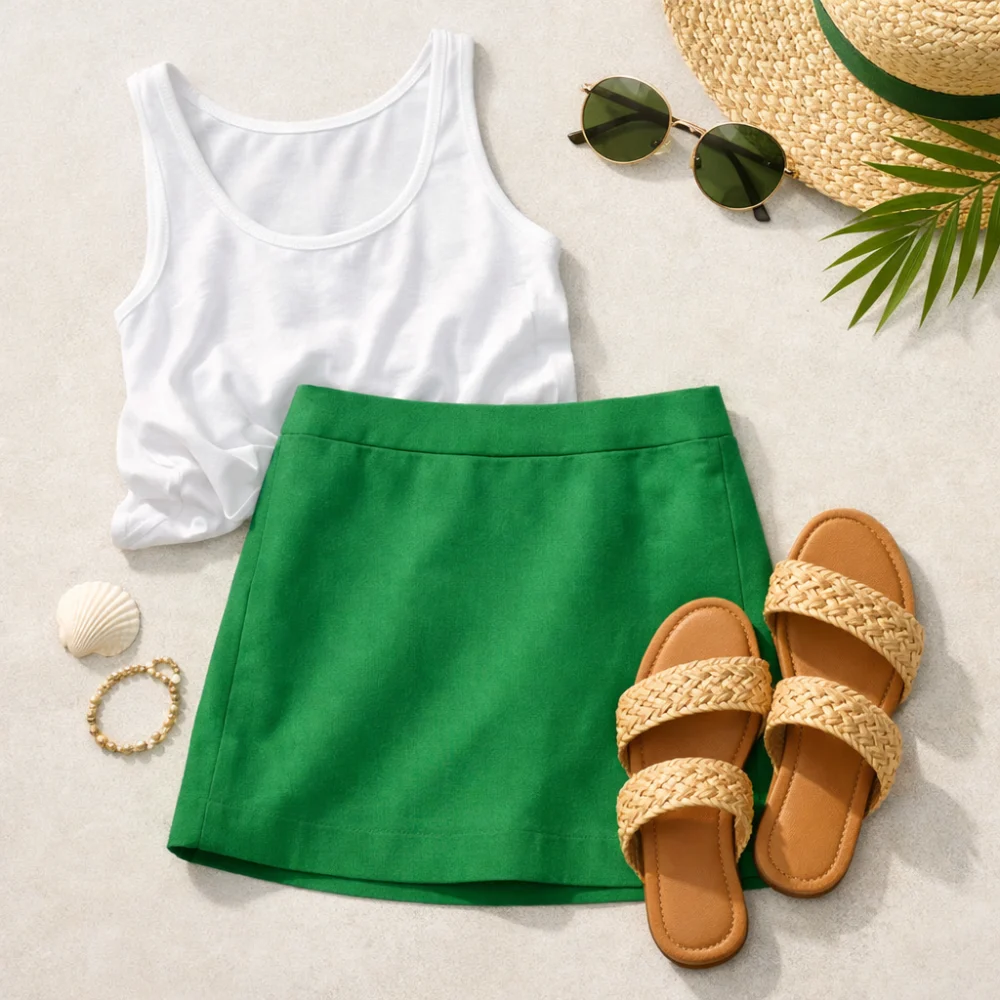
Women’s summer mini skirts cover a wide range of looks, from simple everyday styles to dressier options for evenings out. The right choice depends less on the name of the skirt and more on how you want it to fit, feel and move in warm weather.
If you are comparing short skirts for casual wear, holidays or social occasions, it helps to look past the colour and print first. Waist style, fabric feel, lining, length and ease of movement usually matter more day to day than small styling details.
This guide is for shoppers who want a practical way to narrow down the options without guessing. It focuses on the features that are easiest to compare and the trade-offs that often matter most.
What should you look for in a women’s summer mini skirt?
The best starting point is how and where you plan to wear it. A skirt for relaxed daytime use may prioritise comfort and easy styling, while one for evenings or dressier occasions may place more weight on shape and finish. The main trade-off is usually between a lighter, more relaxed feel and a more structured look.
Specifications vary by model, so always check the individual product page before buying.
| Feature | What It Means | Why It Matters | What To Check |
|---|---|---|---|
| Waist style | Elasticated, fixed, drawstring or other waistband construction | Affects comfort, fit and how easy the skirt is to wear for long periods | Whether the waistband suits your preferred fit and whether it is likely to feel secure |
| Length | How short the skirt sits on the leg | Changes coverage, confidence and suitability for different settings | Product images, length notes and how the skirt looks on the body |
| Fabric feel | The material and how it is likely to drape or hold shape | Influences comfort in warm weather and the overall look | Material description and any notes on texture, lining or stretch |
| Shape | A-line, fitted, pleated, wrap-style or similar silhouette | Determines how the skirt sits and how much movement it allows | Whether the shape suits your body shape and styling preference |
| Lining and opacity | Whether the skirt has an inner layer or opaque finish | Important for comfort, modesty and confidence in bright light | Product description and photos taken in clear light |
| Fastening | Zip, pull-on, button or wrap fastening | Affects ease of dressing and how adjustable the fit feels | How the fastening works and whether it suits your routine |
Key decision criteria
Fit and waistband comfort
Mini skirts can feel very different depending on the waistband. A pull-on or elasticated style is often easier for casual wear, while a fixed waistband may feel neater and more structured. If you expect to wear the skirt for longer periods, check whether the product page mentions stretch, adjustability or a relaxed fit.
Length and coverage
“Mini” can still mean different things across styles. Some skirts are cut short and neat, while others are designed with a little more coverage. Think about how much movement you want and whether you will be sitting, walking or travelling in it often.
Fabric choice
Fabric affects both comfort and appearance. Light, easy-draping materials can feel cooler in summer, but they may behave differently from more structured fabrics. A more structured skirt can hold its shape better, while a softer fabric may feel more relaxed and casual.
Shape and styling
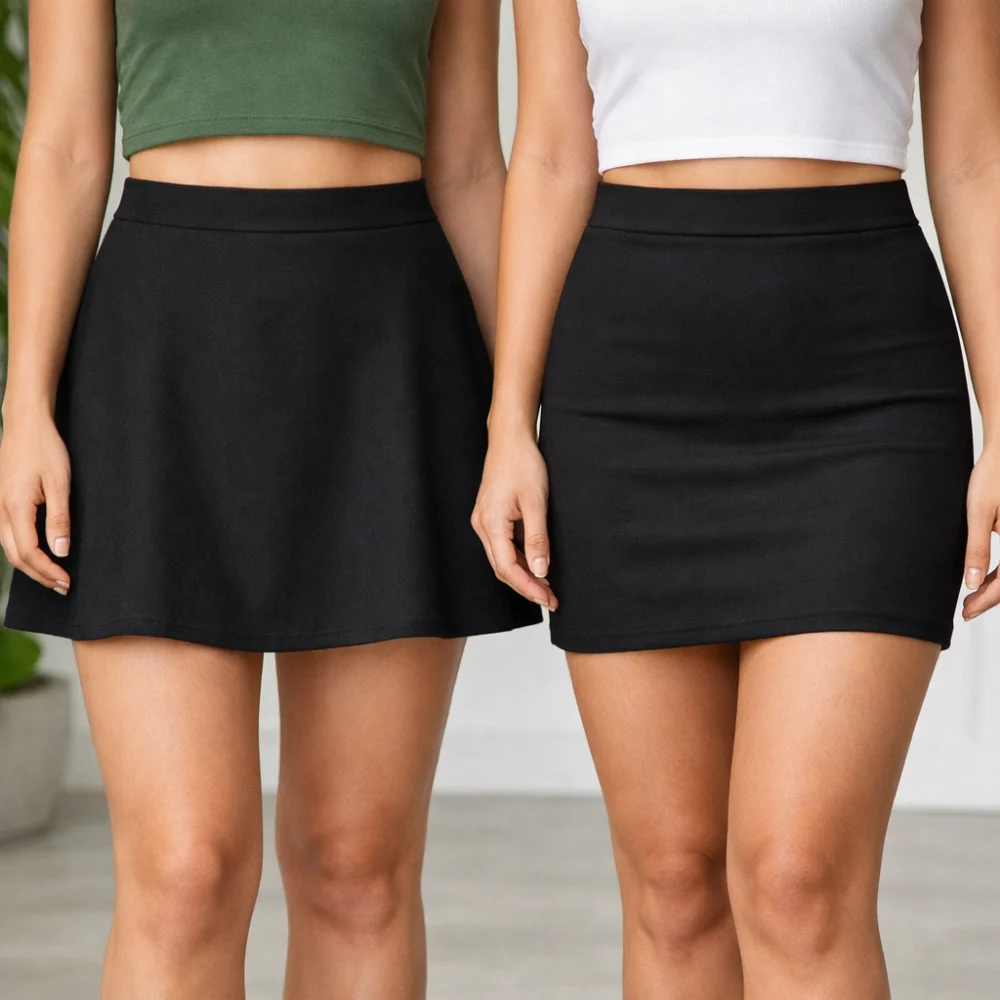
Skater, A-line, wrap and fitted styles each create a different look. A-line shapes often feel easy to wear and move in, while a fitted cut can give a more streamlined silhouette. Choose the shape that matches how you want the skirt to sit, rather than focusing only on trends.
Details that change how wearable it feels
Features such as pockets, pleats, ruffles, layered construction and drawstring details can change both comfort and appearance. These are useful to consider, but they should support your main need rather than distract from it. A decorative detail may be attractive, but it can also add volume or affect how the skirt layers with other clothing.
Common types and variants
Within this category, you are likely to see a mix of casual and dressier mini skirts. Simple plain designs can be easier to style and may suit everyday wear. Printed, pleated, ruched or layered styles often create a more noticeable look and may suit social or evening outfits.
Skorts may also appear in this category and are worth considering if you want the appearance of a skirt with added practicality. They can be a useful option when you want a bit more coverage or ease of movement, but they will feel different from a true skirt. If you are deciding between styles, focus on comfort and intended use rather than the name alone.
Which type suits which buyer?
| Buyer need | Features to prioritise | Why it helps |
|---|---|---|
| Everyday casual wear | Comfortable waistband, easy fabric, simple shape | Makes the skirt easier to wear for longer periods and with more outfits |
| Holiday or warm-weather packing | Lightweight feel, easy styling, versatile colour or print | Helps you build several outfits from one item |
| Dressier evenings | Cleaner finish, more structured shape, considered details | Creates a more polished look without needing complicated styling |
| Practical movement and comfort | Relaxed fit, secure waistband, skort-style option if preferred | Can feel easier to wear when you are walking, sitting or being active |
| Simple wardrobe building | Neutral colour, easy-to-match silhouette, minimal decoration | Usually gives more outfit combinations and fewer styling decisions |
Common mistakes and misunderstandings
- Assuming all mini skirts fit the same way. Short skirts vary a lot in length, rise and waistband comfort, so the shape and fit description matter.
- Focusing only on the print or colour. A style may look appealing online but feel less comfortable if the fabric or waistband does not suit your needs.
- Ignoring lining and opacity. This can affect confidence and wearability, especially in strong daylight.
- Choosing a look without thinking about movement. A fitted style and a relaxed style can suit different activities even if they look similar in photos.
- Overlooking care needs. Some fabrics are easier to maintain than others, so it is worth checking how the skirt should be cleaned and stored.
Safety and suitability caveats
Because mini skirts are short, it is sensible to think about the setting where you will wear them and how much coverage you want. A skirt that feels suitable for casual daytime use may not feel right for every occasion, and comfort can change depending on fabric, fit and movement.
Check the product page for the details that matter most to you, especially length, fastening and whether there is any lining or inner short. If you are unsure about fit, compare the description and images carefully rather than relying on the style name alone.
Maintenance, storage and lifespan considerations
General care can make a difference to how long a skirt keeps its shape and appearance. Follow the care guidance on the product page, especially where fabrics are delicate, textured or decorated. Simple storage on a hanger or folded neatly can help avoid creasing, but the best method depends on the material.
If the skirt has embellishment, pleats or a more structured finish, it may need a little more care than a plain casual style. That is another reason to check the individual listing before buying.
How to compare options efficiently
- Start with the occasion: casual, holiday, evening or mixed wear.
- Decide how much coverage and movement you want from the length and shape.
- Compare waist style, fabric and lining before looking at decorative details.
- Check whether the skirt sounds relaxed, structured or somewhere in between.
- Read the individual product page for care notes and any fit information.
Summary buyer decision checklist
- Does the length suit your comfort and intended use?
- Is the waistband likely to feel secure and comfortable?
- Does the fabric match the weather and the look you want?
- Is the shape practical for how you plan to move and sit?
- Do you need lining, extra coverage or a skort-style alternative?
- Will the care instructions suit your routine?
Frequently asked questions
How short is a mini skirt supposed to be?
There is no single fixed length, so the term is used for skirts that sit above the knee and are designed to look short. The exact length varies by model, so product photos and description details are the safest way to judge it.
Are mini skirts comfortable for summer?
They can be, especially if the fabric is light and the waistband is comfortable. The main things to check are breathability, fit and whether the skirt feels secure when you walk or sit.
What is the difference between a skirt and a skort?
A skirt is a single outer garment, while a skort has an attached short underneath or integrated short-like construction. A skort can suit buyers who want extra coverage or ease of movement, but it gives a different feel from a standard mini skirt.
Which fabric is best for everyday wear?
That depends on how you want the skirt to feel and look. Softer, lighter fabrics can be easier for relaxed summer wear, while more structured fabrics may hold shape better and look neater.
Should I choose a fitted or A-line style?
If you want ease of movement and a softer silhouette, an A-line style is often a simple starting point. If you prefer a neater outline, a fitted style may suit you better, provided the waistband and length feel comfortable.
What details are most worth checking before buying online?
Focus on length, waistband style, lining, shape and care guidance. Those details usually tell you more about comfort and wearability than the decorative features do.

