
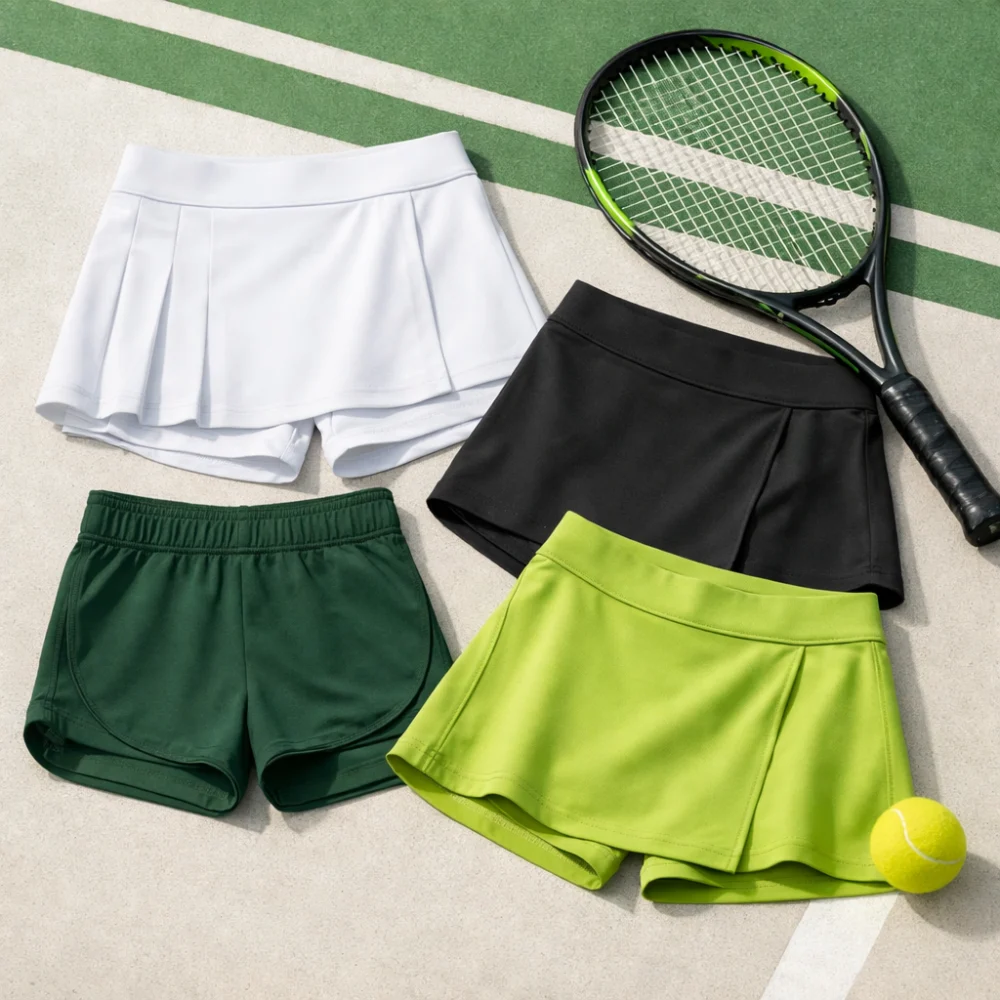
Women’s tennis shorts and skorts are chosen for movement, comfort and confidence on court. Some buyers want the simplest, lightest option for warm sessions, while others care more about coverage, pockets or a more skirt-like look.
This guide focuses on the practical differences that affect everyday play. It is for shoppers comparing styles for club matches, practice sessions and general racket-sport wear, rather than looking for fashion pieces first.
What matters most when choosing tennis shorts or skorts?
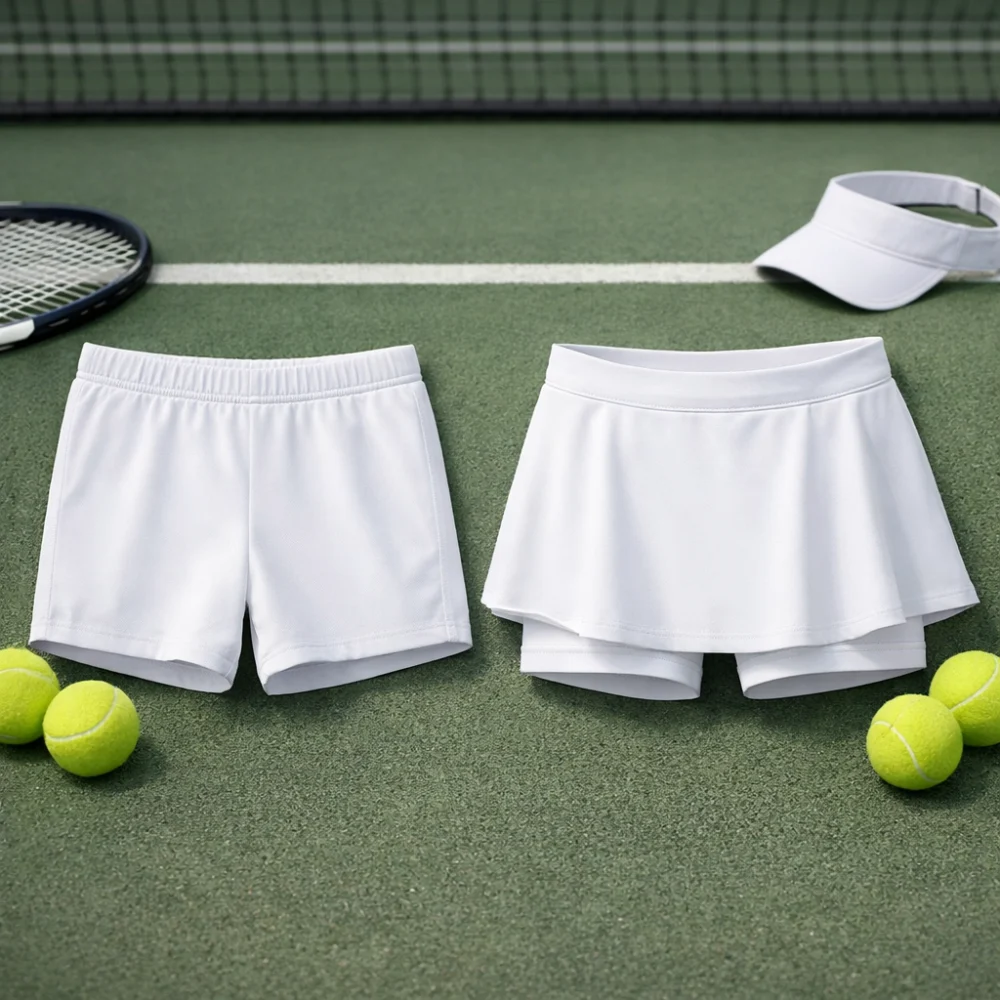
The best starting point is how you want the garment to feel and function during play. A skort gives the look of a skirt with built-in shorts underneath, while tennis shorts are more direct and usually feel simpler. The most useful trade-off is between coverage and freedom of movement: more coverage may feel reassuring, but a lighter or shorter cut can feel less noticeable when running and changing direction.
Specifications vary by model, so always check the individual product page before buying.
| Feature | What it means | Why it matters | What to check |
|---|---|---|---|
| Style | Shorts or skort construction | Changes look, coverage and how you move | Whether you want a plain short or a skirt with built-in shorts |
| Fit | How the garment sits at the waist, hips and leg opening | Affects comfort and whether it stays in place | Waist style, rise and any mention of stretch or shaping |
| Coverage | How much of the leg is covered | Influences confidence and suitability for your preferred level of coverage | Length description, skort overlay and short lining details |
| Pockets | Storage space for balls or small items | Useful for match play and training | Number, position and whether pockets are described as usable in motion |
| Fabric feel | The general comfort and flexibility of the material | Can affect ease of movement and how hot the garment feels | Any fabric description, stretch indication and care notes |
| Waist design | Elastic, wide, high-rise or shaped waistband | Can improve comfort and stability | How the waistband is described and whether it suits your preferred fit |
| Use case | Training, matches or casual court wear | Different buyers value performance and appearance differently | Whether the product is positioned as tennis-specific or general sportswear |
Key decision criteria explained
Shorts versus skorts
Tennis shorts are usually the simplest option if you want direct freedom of movement and a straightforward fit. Skorts suit buyers who prefer the look of a skirt but still want the practicality of built-in shorts underneath. If you move between tennis and other sports, a skort can feel more versatile from a style point of view, while shorts may feel easier to wear and wash.
Fit and waistband comfort
Fit matters because even small changes in waist height or leg opening can affect comfort during serving, sprinting and lunging. A secure waistband helps the garment stay put without constant adjustment, but a very tight fit can feel restrictive. Look for clues about stretch, rise and shaping rather than assuming that one size category will suit every body shape.
Coverage and confidence
Some players prefer shorter and lighter garments, while others want more coverage around the thigh or a fuller overlay on a skort. Neither is universally better. The key is choosing the amount of coverage that lets you focus on play rather than thinking about the garment.
Pockets and carrying essentials
Pockets are helpful if you regularly carry balls or small essentials between points. The practical question is not just whether pockets exist, but whether they are placed and shaped in a way that feels useful when moving. A pocket can be present yet still feel awkward if it is shallow or sits where it interferes with play.
Fabric and breathability
Tennis wear often needs to cope with repeated movement and changing conditions. A lighter-feeling fabric may suit warmer sessions, while a slightly more structured material may appeal if you want a more held-in feel. Because product pages do not always describe fabric performance in the same way, focus on the stated material details and any care guidance given for the individual item.
Types and variants you are likely to see
- Plain tennis shorts: A practical choice for buyers who want a simple sports short with minimal extra detail.
- Skorts with built-in shorts: Good for players who want additional coverage while keeping a skirt-like appearance.
- High-waisted styles: May suit buyers who prefer a more secure feel at the waist.
- Pocketed designs: Useful if carrying balls or small items is part of your routine.
The main limitation is that these types can overlap. A product labelled one way may still have features commonly associated with another, so the product page matters more than the label alone.
Which option suits which buyer?
| Buyer need | Likely priority | What to look for |
|---|---|---|
| Regular club player | Comfort over a whole match and easy movement | Stable waistband, reliable fit and fabric that sounds suitable for active wear |
| Player who wants extra coverage | Confidence and a skirt-like look | Skort construction, overlay length and built-in shorts |
| Training-focused buyer | Practicality and ease of wear | Straightforward design, useful pockets and low-fuss care notes |
| Buyer who carries balls or small items | Convenient storage | Clearly described pockets and a fit that does not pull when loaded |
| Style-conscious shopper | Appearance alongside function | Waist shape, silhouette and how the skort or short is described |
Common mistakes and misunderstandings
- Choosing by look only: A skort may look appealing, but the fit and waistband are what decide comfort during play.
- Assuming all pockets are equally useful: Pocket presence does not guarantee practical storage while moving.
- Ignoring length and rise: Small differences can change how secure and comfortable a garment feels.
- Overlooking fabric notes: Material details can affect how the item feels, washes and wears over time.
- Expecting one size or style to suit every body shape: Fit varies, so the product page is the place to confirm the most relevant details.
Safety and suitability considerations
For this category, the main buying concern is suitability rather than risk. Make sure the garment gives you the movement, coverage and comfort you want for tennis, and check the individual listing if you have particular fit preferences or mobility needs. If you are buying for another person, it is usually safer to prioritise simple, adjustable-feeling styles over anything overly specialised.
Care, storage and long-term use
Sports clothing is usually easier to live with when it is simple to wash and quick to put back into rotation. Check care guidance on the product page if you want low-maintenance clothing, especially if you play often. A garment that keeps its shape and comfort after repeated wear will usually feel like better value than one that needs constant attention.
How to compare options efficiently
- Decide whether you want shorts or a skort.
- Check the fit details that matter most to you, especially the waistband and coverage.
- Compare pocket usefulness if you carry balls or small items.
- Look at the fabric and care information for comfort and maintenance clues.
- Choose the option whose trade-offs match how you actually play, not just how it looks.
Summary buyer decision checklist
- Do I want shorts or a skort?
- Is the level of coverage right for me?
- Does the waistband sound comfortable and secure?
- Are the pockets genuinely useful for my needs?
- Does the fabric description suit how and where I play?
- Have I checked the individual product page for the details that matter most?
Frequently asked questions
Are tennis skorts practical for regular play?
Yes, many players choose skorts because they combine a skirt-like look with built-in shorts. They can be a good middle ground if you want coverage without losing practicality. The main thing to check is how the overlay and inner shorts are described, as that affects comfort and movement.
Do tennis shorts need pockets?
Not necessarily, but pockets can be useful if you carry balls or small items between points. Some buyers prefer a cleaner, simpler short with no extra bulk. If pockets matter to you, check whether they are described as usable rather than just decorative.
Is a high-waisted style better?
High-waisted styles suit some buyers because they can feel more secure and held in. Others may prefer a different rise for comfort or freedom around the waist. It is a preference rather than a universal upgrade.
What is the main difference between tennis shorts and general sports shorts?
Tennis-specific designs are often chosen with court movement in mind, so details like fit, coverage and pocket placement may be more relevant to racket sport use. General sports shorts can still work well, but the product page should tell you whether the design is intended for tennis or broader training use.
How do I choose between a short fit and a more covered fit?
Think about what will let you concentrate most easily during play. If you prefer to feel less exposed, a skort or a longer cut may be more comfortable. If you want minimal feel and easy movement, a simpler short may be the better starting point.
What should I check if I am buying online?
Focus on the waist style, coverage, pockets and any fabric or care notes on the product page. Those are the details most likely to affect comfort and day-to-day use. Specifications vary by model, so always check the individual product page before buying.

