
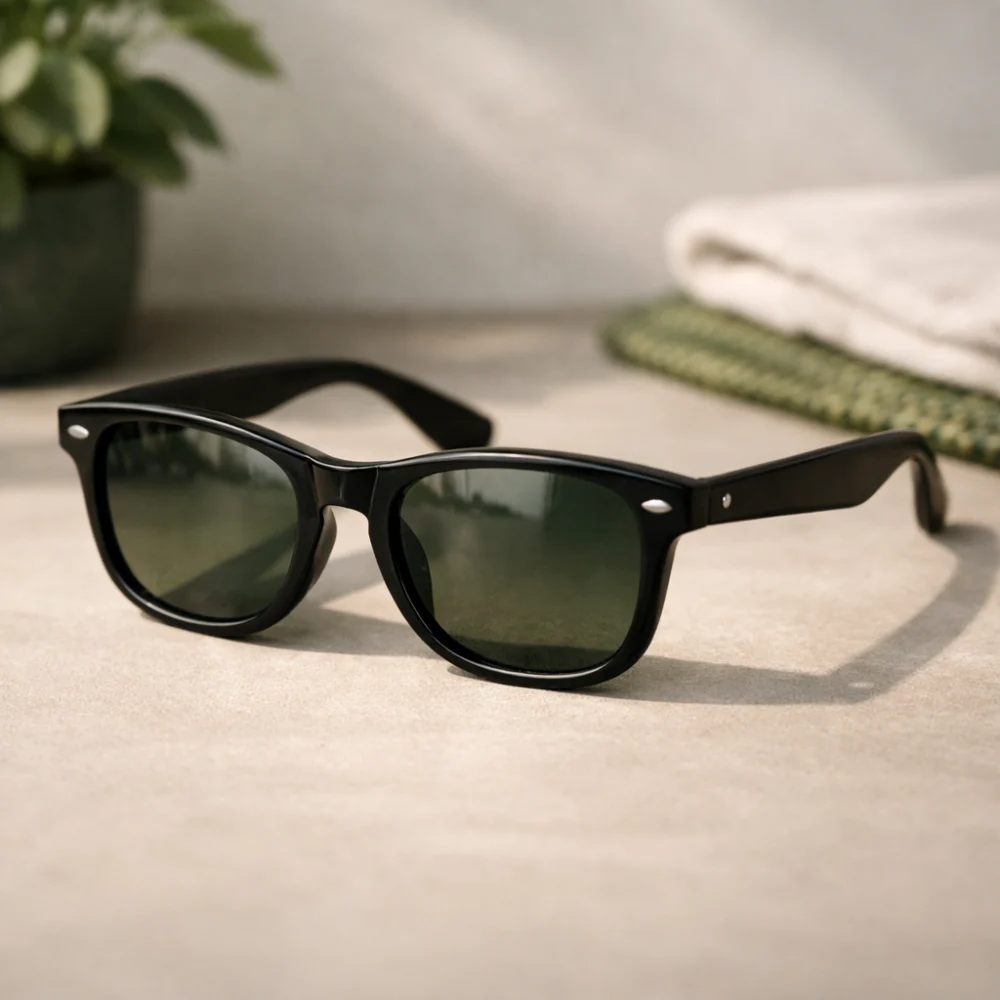
Sunglasses in the £20 to £40 range usually sit in a practical middle ground: more choice than the cheapest end, but still a budget-aware purchase. For many buyers, the main job is finding a pair that fits well, feels comfortable to wear and suits the way they will actually use them.
This guide helps you compare the features that matter most without getting distracted by styling details that do not change day-to-day usefulness. It is especially helpful if you are choosing for commuting, driving, casual wear, holidays or as a straightforward replacement pair.
Because product details vary from one model to another, it is worth checking the individual listing carefully. Specifications vary by model, so always check the individual product page before buying.
What should you look for first?
Start with fit and lens type, then decide whether you want a lighter everyday pair, a more wrapped style for active use or a fashion-led shape that still feels comfortable. In this price range, the best choice is often the one that matches your face shape, wearing habits and expectations rather than the one with the most features.
The main trade-off is usually between style, comfort and specialist performance. A pair that looks sharp may not suit prolonged wear, while a more practical frame may be less distinctive but easier to live with.
| Feature | What it means | Why it matters | What to check |
|---|---|---|---|
| Fit | How the frame sits on your nose, ears and around the temples | A poor fit can feel distracting or slip during wear | Frame width, bridge shape and overall proportions |
| Lens type | The kind of lens finish or treatment used | It affects the look and how the sunglasses feel in different settings | Product description and any lens notes on the listing |
| Frame material | The material used for the frame and arms | It influences comfort, weight and how sturdy the pair may feel | Material description and whether the frame feels suited to regular use |
| Style shape | The outline of the frame, such as round, square or wraparound | Different shapes suit different faces and activities | Face shape preference and intended use |
| Coverage | How much of the eye area the frame and lenses cover | More coverage can feel more practical for brighter conditions or active wear | Lens size, wrap and how closely the frame follows the face |
| Everyday durability | How well the pair is likely to cope with regular handling | Useful if the sunglasses will live in a bag or be used often | Frame description, hinge style and general build cues |
Key decision criteria
Fit and comfort
Comfort is usually the most important factor for sunglasses in this bracket. If the frame pinches, slides or presses behind the ears, it is less likely to become your regular pair. Look for a frame shape that matches your face width and a bridge that sits naturally without constant adjustment.
Lens choice and day-to-day use
Lens wording can be easy to overthink, but for most buyers the practical question is simple: will the lenses suit the conditions you use sunglasses in most often? A more shaded or reflective-looking lens may suit bright outdoor use, while a simpler everyday lens may be enough for general wear. Avoid assuming that a lens description alone tells you everything about performance.
Frame material and feel
Different frame materials can change the weight, feel and flexibility of sunglasses. A lighter-feeling frame may be more comfortable for longer wear, while a firmer-feeling frame may appeal if you want something that feels more substantial. If you plan to keep the pair in a bag or use them often, a frame that seems robust in the product description is worth a closer look.
Style versus practicality
Some sunglasses are chosen mainly for how they look, while others are chosen mainly for everyday usefulness. The best balance depends on whether you need one pair for mixed use or a more style-led pair for occasional wear. A very fashion-forward shape may be less versatile, but it can still be the right choice if it suits your wardrobe and you will wear it often.
Common types and variants
There is usually more variation in shape and styling than in the basic purpose of the sunglasses. Within this price band, you are often choosing between everyday casual frames, sportier wraparound styles and more fashion-led designs. Each has its place, but each also comes with a trade-off.
- Everyday casual frames: useful if you want something easy to wear with different outfits, though they may not feel specialised for active use.
- Wraparound or sport-leaning frames: may suit walking, cycling or other outdoor activity, but they can feel more noticeable on the face.
- Fashion-led frames: can be a good choice if appearance is a priority, though fit and coverage still need checking.
Which sunglasses suit different buyers?
| Buyer need | What to prioritise | Why it helps |
|---|---|---|
| Everyday wear | Comfort, simple styling and easy fit | These are the sunglasses most likely to get regular use |
| Active outdoor use | Secure fit, more coverage and a frame that stays put | Helps the sunglasses feel more stable during movement |
| Driving or commuting | Comfort over long periods and a shape that does not distract | Makes them easier to wear throughout the day |
| Gift buying | Neutral styling and a widely wearable shape | Reduces the risk of choosing something too specific |
| Style-first purchase | Frame shape, colour and overall look | Appearance matters most when the pair will be worn as part of an outfit |
Common mistakes and misunderstandings
Choosing on looks alone. A frame that looks good in photos may still sit awkwardly or feel too narrow. Fit is worth checking before style details.
Assuming all lens descriptions mean the same thing. Product wording can vary, so it is better to read the listing carefully than to rely on a familiar term alone.
Overlooking how often the pair will be used. A holiday-only pair can be chosen differently from a pair you will wear most days. More frequent use usually means comfort matters more.
Buying a very distinctive shape for a first pair. A more neutral frame is often easier if you are unsure what suits you, while bolder styles are better once you know your preferences.
Safety and suitability caveats
Check that the sunglasses suit the setting you plan to use them in, especially if you want them for driving, sport or long periods outdoors. If you are comparing pairs for a child or for a specific activity, read the product details carefully rather than assuming that one general-purpose pair will fit every need. For anything safety-related, the individual product page is the place to confirm the exact details that apply.
Maintenance, storage and lifespan considerations
Even in this price range, a little care can make sunglasses more pleasant to keep and use. Keep them in a case or pouch when not in use if possible, avoid putting them down lens-first and wipe them gently with a suitable cloth rather than rough fabric. If you expect to carry them daily, think about whether the frame looks easy to protect and simple to store.
How to compare options efficiently
- Decide where you will wear them most often: daily use, travel, driving or active outdoor wear.
- Shortlist the frame shapes that are likely to suit your face and comfort preferences.
- Check the product page for lens, frame and fit details that match your needs.
- Compare the trade-off between style and practicality before deciding.
- Choose the pair that seems most likely to be worn often, not just the one that looks most striking.
Summary buyer decision checklist
- Does the frame shape suit how you plan to wear the sunglasses?
- Will the fit be comfortable enough for regular use?
- Is the lens description appropriate for your typical conditions?
- Does the style work with the clothes and settings you actually use?
- Does the product page answer any questions about materials or construction?
- Is this a pair you will be happy to wear often, not just occasionally?
Frequently asked questions
Are sunglasses in the £20 to £40 range good for everyday use?
They can be, provided the fit is comfortable and the style suits how you plan to wear them. Many buyers find this price range useful because it offers a sensible balance between affordability and choice.
What matters more: lens wording or frame fit?
For most people, frame fit comes first. A pair that sits comfortably is more likely to get used regularly, while lens details matter most once you have ruled in a suitable shape and size.
Should I choose a neutral style or a statement style?
That depends on how often you expect to wear them and whether they need to work with many outfits. Neutral styles are usually easier for everyday use, while statement styles suit buyers who already know what they like.
Is a more wrapped frame always better for outdoor use?
Not always. Wraparound styles can feel more secure for active wear, but they are not necessary for everyone and may feel too specific if you want a general-purpose pair.
What should I check if I am buying sunglasses as a gift?
Look for a shape that is easy to wear, a fairly neutral design and enough information on fit to avoid obvious sizing issues. If you are unsure, a versatile frame is often a safer choice than a very bold one.
How do I know if a pair will suit my face?
Use the frame shape, width cues and overall proportions as your guide. If you already know which styles tend to suit you, use that as the starting point; otherwise, choose a shape that looks balanced and not overly narrow or oversized.
Do I need to pay more for sunglasses I will wear often?
Not necessarily, but repeated use makes comfort and fit more important. In practice, it is usually better to spend on a pair you will keep wearing than on one that looks appealing but stays unused.

