
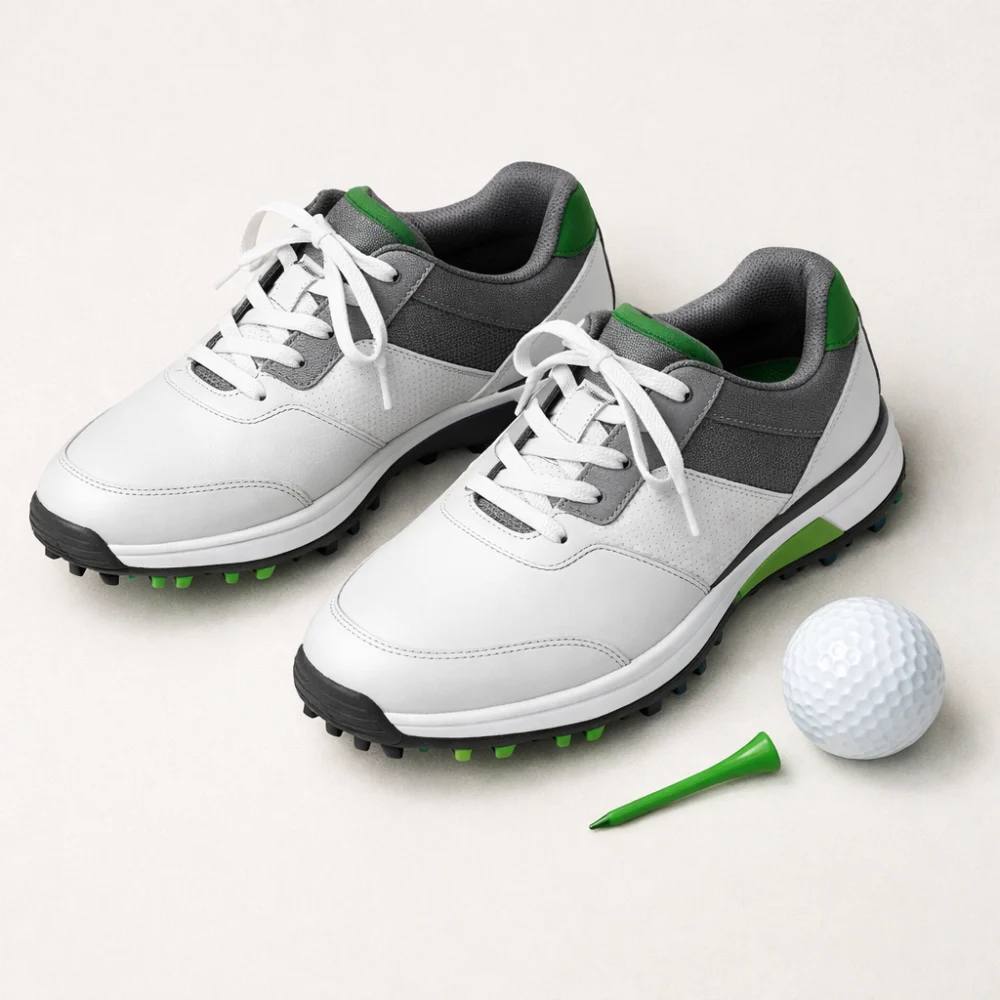
Men’s golf shoes are chosen for comfort, grip and how well they suit the way you play. Some golfers want a traditional spiked feel, while others prefer the easier everyday comfort of spikeless styles.
The right pair depends less on the name of the shoe and more on how it fits, how much support you want and whether you are often playing in wet conditions. Specifications vary by model, so always check the individual product page before buying.
If you are comparing several pairs, it helps to start with course conditions, then move on to fit and traction. That usually narrows the choice faster than looking at appearance alone.
What should you look for in men’s golf shoes?
Start with comfort, fit and traction, then decide whether you need waterproofing and which type of sole suits your game. A shoe that feels fine standing still may still be unsuitable if it slips, rubs or feels too rigid once you start walking the course. The main trade-off is usually between a softer, more casual feel and a more structured shoe designed to stay stable through the swing.
Quick comparison of the main buying factors
| Feature | What it means | Why it matters | What to check |
|---|---|---|---|
| Fit | How the shoe sits around the heel, toe and midfoot | Good fit affects comfort, stability and whether the shoe distracts you during a round | Check sizing guidance, width notes and whether the shape suits your foot |
| Traction | The way the outsole grips turf | Grip can influence confidence on wet grass and on uneven lies | Compare spiked and spikeless designs and look for the style you prefer |
| Water resistance | How well the shoe copes with damp grass and light rain | Useful if you play early, late or in changeable weather | Look for the waterproofing description on the individual product page |
| Support | How structured the shoe feels through the sole and upper | May matter if you walk often or want a more stable feel | Check for comments about cushioning, support or a firmer build |
| Comfort | The overall wearing feel over a round | Comfort matters if you walk long distances or play regularly | Consider padding, flexibility and whether the shoe is likely to need break-in time |
| Style | The visible design and overall look | Style is personal, but it can affect how versatile the shoe feels off the course | Choose a look that suits your clothing and whether you want a more sporty or classic appearance |
Key decision criteria explained
Fit and sizing
Fit is one of the most important checks because golf shoes are worn for several hours at a time. A shoe that is too tight can cause rubbing, while one that is too loose can feel unstable. If you often struggle with standard footwear, pay attention to any width information or fit notes on the product page.
Traction and sole type
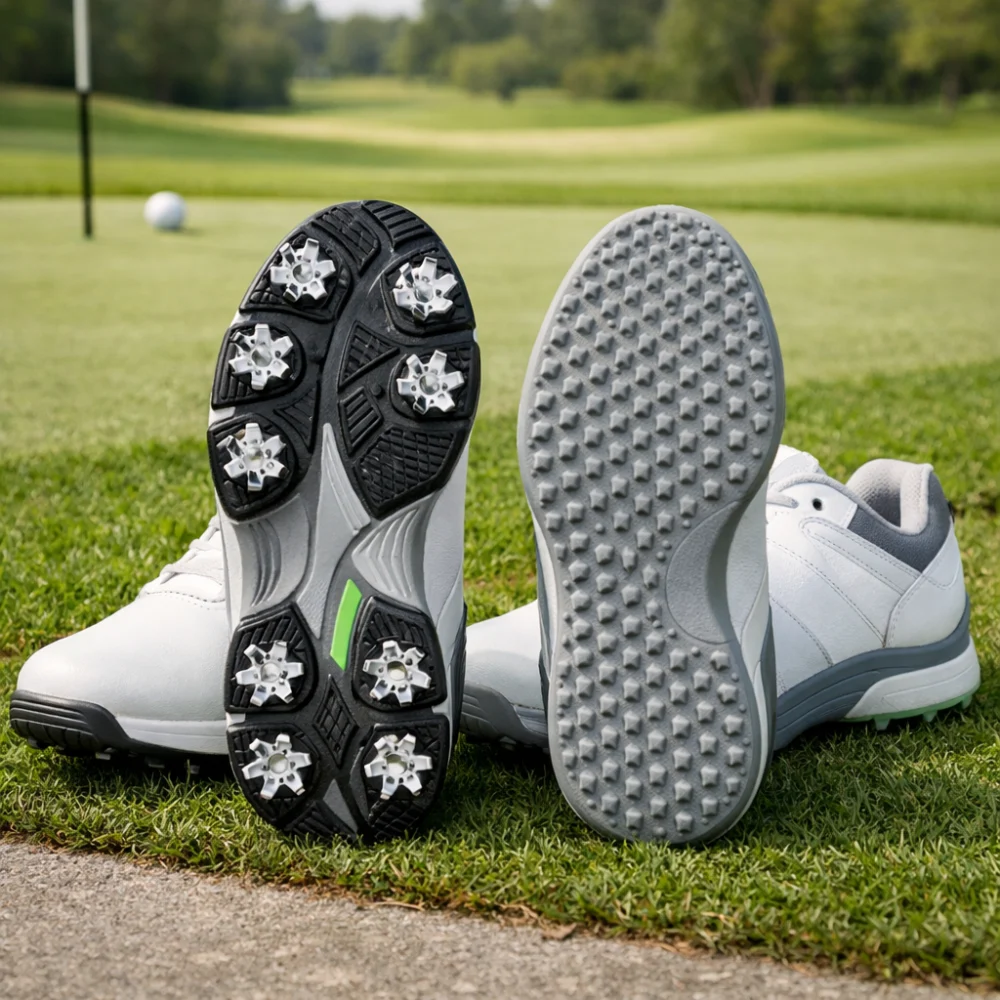
Golf shoes are commonly bought either as spiked or spikeless styles. Spiked shoes are often chosen for a more traditional level of grip, while spikeless shoes can feel more versatile and may be easier to wear away from the course. The trade-off is usually grip versus everyday flexibility, so think about where and how often you will wear them.
Waterproofing and weather use
For golfers who play in damp conditions, waterproofing can be a practical priority. It is worth checking exactly how the product describes weather protection, because terms can vary. A shoe that is fine for dry rounds may not be the best choice if you regularly play on wet ground or in light rain.
Support and walking comfort
Some golfers walk most rounds, while others spend less time on foot. If you walk the course often, look closely at cushioning, heel hold and how structured the shoe appears. More support can help comfort, but it may also make the shoe feel less flexible straight away.
Material and feel
The upper material affects how the shoe feels, breathes and moves with your foot. Softer materials may feel more forgiving, while firmer constructions may feel more secure. The best choice depends on whether you value immediate comfort, a more locked-in feel or a balance of both.
Types and variants within this category
Spiked golf shoes
These suit buyers who want a more traditional golf feel and a firmer connection to the turf. They may be a sensible option for wetter conditions or for golfers who prefer a more anchored sensation. The main limitation is that they can feel less casual for wear away from the course.
Spikeless golf shoes
These are often chosen for convenience and versatility. They can feel closer to a trainer in everyday use, which appeals to many golfers who want one pair that is easy to move in. The trade-off is that the grip feel may be different from a spiked design.
Waterproof or weather-focused styles
These are useful for golfers who regularly play in changeable conditions. They are worth considering if dry feet are a priority, especially in shoulder seasons or on dewy mornings. As with any category, check the individual product page carefully because protection claims vary by model.
Which type suits different buyers?
| Buyer need | Features to prioritise | Main reason |
|---|---|---|
| Regular walker | Comfort, cushioning, secure heel hold | Walking comfort matters over the full round |
| Wet-weather golfer | Waterproofing, dependable traction, secure fit | Helps cope with damp fairways and changeable conditions |
| Occasional player | Simple fit, easy comfort, versatile styling | May want a shoe that feels straightforward and not overly specialised |
| Buyer wanting one pair for on and off course use | Spikeless design, comfortable sole, understated look | Useful if you prefer a more casual overall feel |
| Player who values a traditional golf setup | Spiked traction, structured support | May suit those who prefer a firmer, more familiar golf shoe feel |
Common mistakes to avoid
- Choosing by looks alone. A shoe can look right and still feel wrong if the fit or sole type is unsuitable.
- Ignoring where you play. Wet, muddy or early-morning rounds place different demands on a shoe from dry summer rounds.
- Assuming all waterproof claims mean the same thing. Check the wording on the product page rather than treating every description as identical.
- Overlooking walking comfort. If you usually walk the course, comfort matters as much as traction.
- Forgetting about versatility. Some shoes are better suited to the course only, while others are easier to wear more casually.
Suitability and buying caveats
Men’s golf shoes should be chosen for the conditions you actually play in, not for a single feature in isolation. A waterproof shoe is not automatically the most comfortable, and a spikeless shoe is not automatically the best for every course. The best check is always the combination of fit, traction and the product description for the exact model you are considering.
Maintenance, storage and lifespan considerations
Basic care can help golf shoes stay comfortable for longer. After wet rounds, allow them to dry naturally and avoid storing them while damp. It is also sensible to keep an eye on sole wear, especially if you play often, because grip and comfort can change as the shoe ages. The exact upkeep depends on the materials used, so review the product information for any specific care notes.
How to compare options efficiently
- Decide whether you need a more traditional golf feel or a more versatile everyday style.
- Check the fit information first, especially if you know you need extra room or a snugger hold.
- Compare traction and weather suitability for the conditions you play in most often.
- Look at comfort features if you walk the course or play frequently.
- Read the individual product page carefully before you choose.
Summary buyer decision checklist
- Have I chosen between spiked and spikeless based on how I play?
- Does the fit look suitable for my foot shape and usual size?
- Is the shoe appropriate for the weather conditions I often face?
- Will it be comfortable enough for the time I spend walking or standing?
- Does the style suit whether I want a course-only shoe or a more versatile option?
Frequently asked questions
Are spiked golf shoes better than spikeless ones?
Neither is always better. Spiked shoes may suit golfers who want a more traditional traction feel, while spikeless shoes often appeal to buyers who want versatility and easier wear away from the course. The right choice depends on where you play and what kind of feel you prefer.
Do I need waterproof golf shoes?
Not always, but they can be useful if you play in wet grass, damp mornings or changeable weather. If you mainly play in dry conditions, waterproofing may be less important than comfort or fit. Consider the conditions you face most often rather than buying for the rare exception.
Should golf shoes feel tight at first?
They should feel secure, but not painfully tight. A little firmness is normal in some styles, yet rubbing or pressure points are a sign to reconsider the size or shape. Comfort matters immediately because golf shoes are worn for extended periods.
Can I wear golf shoes off the course?
Some spikeless styles are easier to wear away from the course than traditional spiked shoes. Even so, they are still designed primarily for golf, so everyday comfort and appearance will vary by model. Check the outsole design and overall style if versatility matters to you.
What matters more: cushioning or traction?
That depends on how you use them. If you walk a lot, cushioning and support may matter most; if you play in wet conditions or want a firmer golf feel, traction may take priority. Try to balance both rather than focusing on only one feature.
How do I choose the right size online?
Use your usual shoe size as a starting point, then read any fit notes carefully. If the product page mentions width, shape or a snug fit, treat that information as important. Specifications vary by model, so always check the individual product page before buying.

