
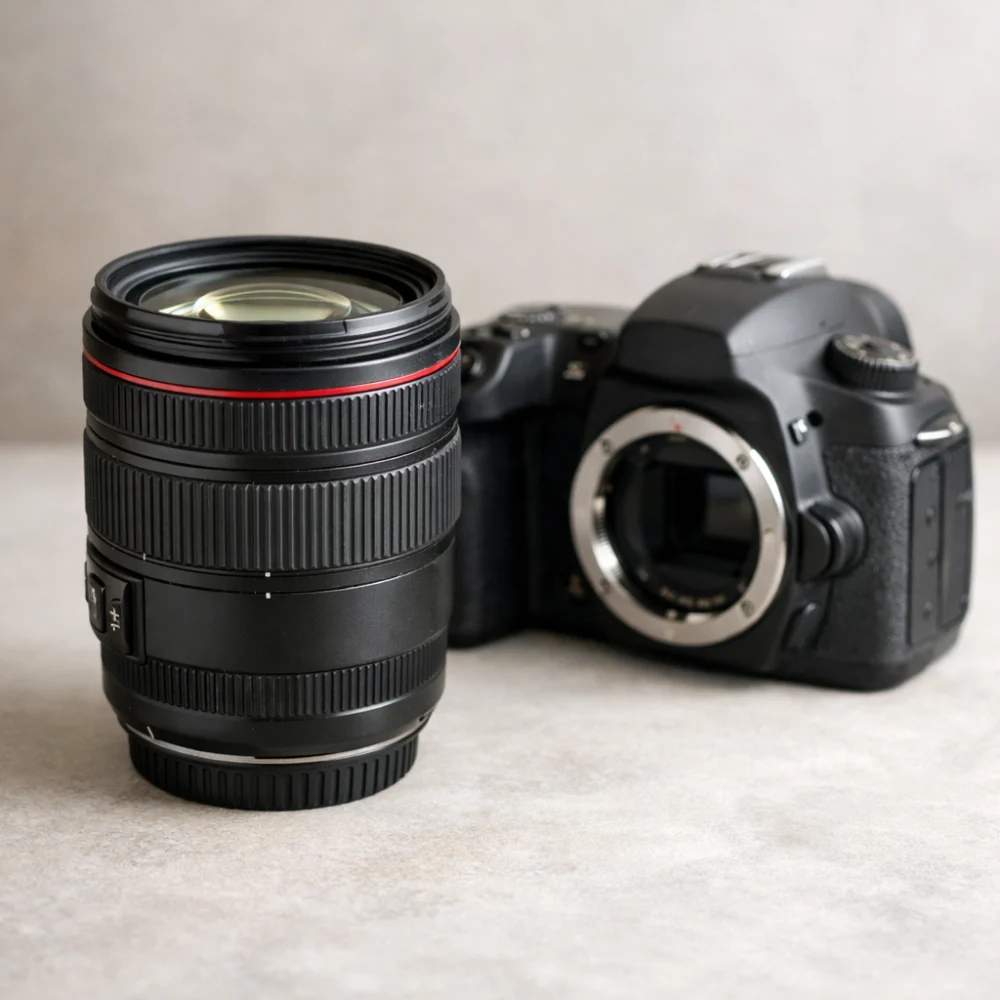
Choosing a Canon camera lens is mostly about matching the lens to your camera body and the way you like to shoot. The right choice can make a big difference to framing, low-light performance and how easy a lens is to carry.
This guide focuses on the buying decisions that matter before you compare individual product pages. It is especially useful if you are replacing a lens, building your first kit or looking for a more suitable lens for travel, portraits, wildlife or everyday use.
Canon lens ranges include different mounts and different styles of lens, so it helps to narrow the choice early. Specifications vary by model, so always check the individual product page before buying.
What should you look for in a Canon camera lens?
The best starting point is compatibility with your camera mount, then the focal length that suits your subject, and finally the aperture and stabilisation features that affect usability. A wide-aperture prime may suit low light and background blur, while a zoom lens can be more flexible when you do not want to change lenses often. The main trade-off is usually between reach, brightness, size and cost.
| Feature | What it means | Why it matters | What to check |
|---|---|---|---|
| Mount compatibility | The lens mount and camera system it is designed for | It determines whether the lens will fit and communicate properly with your camera | Check the exact Canon mount on both the lens and your camera body |
| Focal length | How wide or zoomed-in the lens view is | It affects framing, subject distance and the kind of photography the lens suits | Look at the stated focal length or zoom range and think about how you shoot |
| Maximum aperture | How much light the lens can gather | It influences low-light use and depth of field | Compare the f-number and decide whether brightness or flexibility matters more |
| Stabilisation | Built-in optical image stabilisation on some lenses | It can help reduce blur from camera shake in some situations | Check whether stabilisation is included and whether your camera also has it |
| Lens type | Prime or zoom, plus specialist styles such as telephoto or pancake | It changes how you work and how portable the lens feels | Choose based on whether you value flexibility, compactness or a fixed perspective |
Key decision criteria explained
Mount and system fit
Start with the mount, because a lens only makes sense if it suits your Canon camera body. Some buyers are shopping within one Canon system, while others are comparing lenses for a different body they already own. Check the product page carefully so you do not rely on the lens family name alone.
Focal length and field of view
Focal length is one of the biggest influences on how a lens feels to use. Shorter focal lengths suit wider scenes and closer subjects in frame, while longer focal lengths help you frame distant subjects more tightly. Zoom lenses offer flexibility, but a prime lens can be simpler if you know you want one view and one style of shooting.
Aperture and low-light use
A wider aperture can help when light is limited and may also give shallower depth of field, which many buyers want for portraits or subject isolation. The trade-off is often size, weight or price. If you are comparing lenses for indoor use, evening shooting or portraits, this is one of the most important details to read closely.
Image stabilisation
Stabilisation can be helpful for hand-held photography, especially at longer focal lengths or in lower light. It is not a substitute for every shooting situation, but it can make a practical difference to how easy a lens is to use. Check whether the lens includes stabilisation and do not assume every Canon lens does.
Size, weight and handling
Two lenses with similar focal ranges can feel very different in everyday use. A compact lens is easier to carry and may be better for travel or casual photography, while a larger lens can be more specialised. If you often carry your camera for long periods, handling may matter almost as much as optical features.
Common Canon lens types and who they suit
- Prime lenses: These have a fixed focal length and often appeal to buyers who want a simpler, compact lens for portraits, everyday use or low-light shooting.
- Zoom lenses: These cover a range of focal lengths and suit people who want flexibility without swapping lenses as often.
- Wide-angle lenses: These suit landscapes, interiors and scenes where you want more of the subject in frame.
- Telephoto lenses: These are useful when you need reach for sport, wildlife or distant subjects, but they are often larger and more demanding to carry.
- Compact or pancake-style lenses: These can be a good fit when portability matters more than having a very broad feature set.
Which lens suits which kind of buyer?
| Buyer need | What usually helps | Why | What to compare |
|---|---|---|---|
| Everyday and family use | A versatile zoom or a practical prime | It keeps the setup simple and useful for different subjects | Focal range, size and ease of carrying |
| Travel photography | Compact size and useful zoom flexibility | Portability matters when you are carrying gear all day | Weight, length and whether the zoom range covers your usual scenes |
| Portraits | A lens with a wider aperture | It can help with subject separation and indoor use | Aperture, focal length and working distance |
| Wildlife or sport | A telephoto lens with enough reach | It helps frame distant subjects more tightly | Focal length, stabilisation and handling |
| First lens upgrade | A lens that solves a specific gap | It is usually better to buy for a clear need than for general novelty | What your current lens cannot do well enough |
Common mistakes and misunderstandings
Buying by lens name alone. Canon lens families can be similar enough to confuse buyers, so always confirm the exact mount and intended camera system.
Choosing reach without thinking about use. A long zoom may sound attractive, but it can be bulkier than you want if you mainly take casual photos.
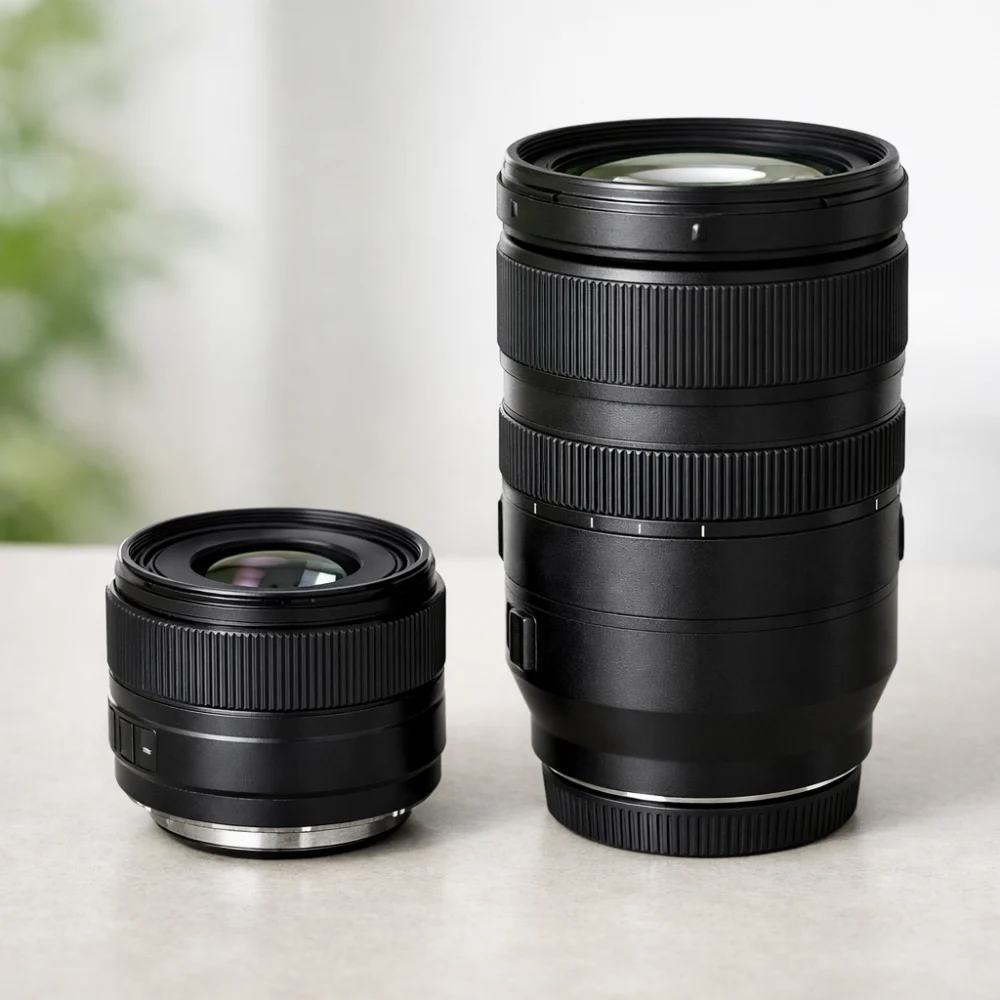
Assuming a faster aperture is always the better choice. It can be useful, but it may also mean a larger or more expensive lens.
Ignoring size and weight. A lens that looks ideal on paper may be less appealing if you plan to carry it often.
Expecting one lens to suit every situation. Many buyers end up preferring more than one lens for different jobs.
Safety and suitability caveats
Lens choice is mainly about suitability rather than risk, but it still pays to check the details carefully. Make sure the lens is intended for your exact Canon camera body, and check whether any crop-sensor or full-frame considerations apply to your setup. If a lens is intended for a particular shooting style, that does not mean it will suit every use case.
Maintenance, storage and long-term ownership
A lens is a long-term purchase, so think about how you will store and carry it. Keep in mind whether the lens includes a front and rear cap, whether you may want a filter, and whether the size makes it easy to pack safely. Basic care matters too: clean the lens gently, keep it protected from dust and moisture when not in use, and store it where it will not be knocked about.
How to compare Canon camera lenses efficiently
- Decide what you want the lens to do most often.
- Check mount compatibility with your Canon camera body.
- Compare focal length or zoom range against your subject matter.
- Weigh aperture, stabilisation, size and portability together rather than in isolation.
- Read the individual product page carefully before you buy.
Summary buyer decision checklist
- Does the lens match your Canon camera mount?
- Is the focal length or zoom range suited to your subject?
- Is the aperture bright enough for the way you shoot?
- Do you need image stabilisation?
- Will the size and weight suit how often you carry it?
- Does the lens type fit your main use, such as travel, portraits or wildlife?
- Have you checked the individual product page for the exact specification?
Frequently asked questions
How do I know whether a Canon lens will fit my camera?
Check the lens mount and compare it with the mount on your camera body. Do not rely on the brand name alone, because compatibility depends on the exact system. The individual product page should make this clear.
Should I buy a prime lens or a zoom lens?
A prime lens is often simpler and may suit buyers who want a compact setup or a wider aperture. A zoom lens is usually more flexible if you want to frame different subjects without changing lenses. The better choice depends on whether convenience or a fixed, consistent view matters more to you.
Is a wider aperture always better?
Not always. A wider aperture can help in lower light and give shallower depth of field, but it may also come with more bulk or a higher cost. For many buyers, the right aperture is the one that fits the way they actually shoot.
Do I need image stabilisation?
It can be helpful, especially if you shoot hand-held or use longer focal lengths. It is not essential for every buyer, and some people may prefer a lens that is smaller or simpler instead. Check whether your camera body already has stabilisation features that affect the choice.
What is the main difference between wide-angle and telephoto lenses?
Wide-angle lenses show more of the scene and are often used for landscapes or interiors. Telephoto lenses narrow the field of view so you can frame distant subjects more closely. They solve different problems, so choose based on what you photograph most often.
How important is lens size and weight?
Very important if you plan to carry the lens often. A lens that stays at home because it feels cumbersome is rarely good value in practice. If portability matters, compare the physical size alongside the optical features.
Should I buy one lens for everything?
That can work for some people, especially if you want convenience and simple kit management. However, one lens usually involves a compromise somewhere, such as reach, brightness or portability. Many buyers find it better to choose for their most common use first.

