
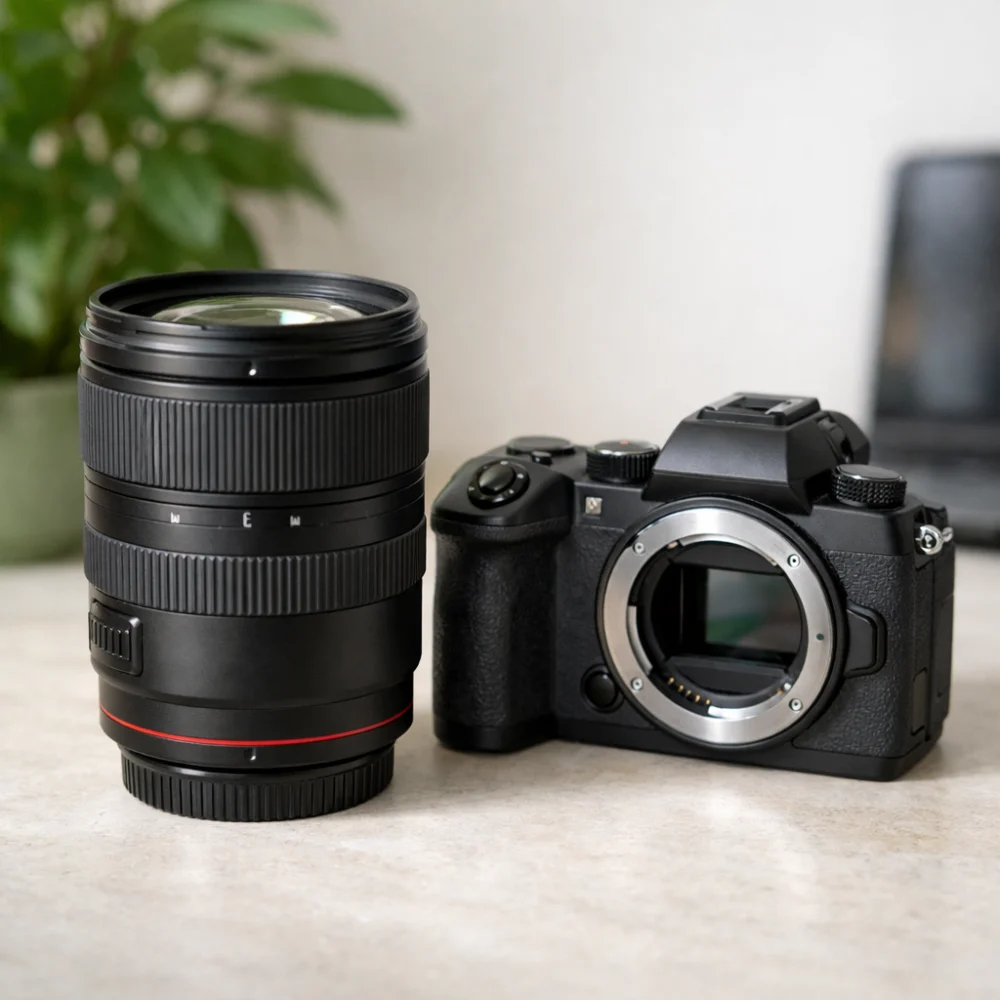
Viltrox lenses appeal to buyers who want to match a lens to a specific camera mount and use case without overcomplicating the decision. The main challenge is not simply choosing a focal length, but making sure the lens suits your camera system, the kind of subjects you shoot and how much flexibility you want.
Some buyers are looking for a first prime lens, others want a brighter everyday option, and some are comparing lens choices for travel, portraits or wider scenes. Because the details vary by model, the safest way to shop is to focus on compatibility and intended use first, then compare the individual product page carefully.
Specifications vary by model, so always check the individual product page before buying.
What should you look for first in a Viltrox lens?
Start with mount compatibility, then think about focal length and aperture. If the lens does not suit your camera mount, it is not the right choice, no matter how attractive the other features look. After that, decide whether you want a wider view, a more natural everyday perspective or a tighter portrait look.
The main trade-off is usually between flexibility and a more specialised shooting style. A lens that suits one subject well may be less convenient for another, so it helps to buy for the kind of photography you actually do most often.
| Feature | What It Means | Why It Matters | What To Check |
|---|---|---|---|
| Mount compatibility | The camera system the lens is designed to fit | It determines whether the lens can be mounted and used on your camera | Check the exact mount listed on the product page |
| Focal length | How wide or tight the lens view feels | It affects framing, working distance and the kinds of subjects that feel comfortable to shoot | Compare whether the lens is wide-angle, standard or portrait-oriented |
| Aperture | How much light the lens is designed to let in | It can influence low-light use and how much background blur you may be able to achieve | Look at the stated aperture and consider how bright you need the lens to be |
| Autofocus or manual focus | How the lens focuses | It affects speed, convenience and the way you work in different shooting situations | Check whether the lens is autofocus, and whether that suits your style |
| Sensor coverage | Whether the lens is intended for APS-C or full-frame use | It affects the field of view you get on your camera body | Match the lens type to your camera format |
| Lens purpose | The kind of photography the lens is aimed at | It helps you decide whether the lens is a general-use option or a more specialised tool | Read the product page description for the intended use |
Key decision criteria explained
Camera mount
The mount is the first filter for any lens purchase. A lens needs to suit your camera body’s mount type, so check this before looking at anything else. This is especially important if you are replacing a lens or comparing options across different camera systems.
Focal length and framing
Focal length affects how much of the scene you capture and how close subjects appear. Wider focal lengths can be useful when you want more of the environment in frame, while longer focal lengths are often chosen when you want subjects to fill more of the image. Think about whether you want a lens for scenes, everyday shooting or more subject-focused work.
Aperture and light gathering
A brighter aperture can be helpful when light is limited or when you want more control over background blur. That said, a brighter lens may not be the most convenient choice for every buyer, especially if compactness or budget matters more. Compare the stated aperture against your typical shooting conditions rather than treating a wider aperture as automatically better.
Autofocus or manual focus
Autofocus is generally easier for quick, flexible shooting, while manual focus may suit buyers who prefer a slower, more deliberate approach. If you photograph moving subjects, autofocus may be more relevant than for static subjects or controlled shooting. Check the individual product page for the focus type rather than assuming every lens in the range works the same way.
APS-C and full-frame use
Some lenses are designed around APS-C cameras, while others may be used in different sensor formats depending on the specific model. This affects how the lens behaves on your camera and what field of view you can expect. Specifications vary by model, so always check the individual product page before buying.
Common Viltrox lens types and variants
Within this category, the most useful distinctions for buyers are usually based on focal length, aperture and camera mount rather than on a long list of styling differences.
- Wide-angle lenses can suit interiors, landscapes and broader scenes, but they are less suited to isolating distant subjects.
- Standard lenses are often chosen for everyday use because they feel balanced and familiar, but they may not give the dramatic field of view some buyers want.
- Portrait-style lenses can be useful when you want a tighter perspective, though they may feel more specialised for general walk-around use.
- Autofocus primes appeal to buyers who want a straightforward lens with a fixed focal length, but they give less framing flexibility than a zoom.
If you are trying to keep the decision simple, start by deciding whether you want a wider view, a normal view or a tighter portrait look. That single choice usually removes much of the confusion.
Which type suits which buyer?
| Buyer need | What to prioritise | Why | Main trade-off |
|---|---|---|---|
| First lens for a compatible camera | Clear mount match, versatile focal length, straightforward autofocus | These features keep the choice practical and easier to live with | You may give up some speciality performance |
| Travel or everyday shooting | Balanced focal length and manageable size | You are likely to carry it more often if it feels convenient | Less extreme wide-angle or telephoto reach |
| Portrait-style shooting | Tighter focal length and an aperture that suits your style | It can help frame people more naturally | May be less flexible for general scenes |
| Wider scenes and interiors | Wider focal length and a mount that matches your body | It gives more room in the frame | Foreground subjects can feel smaller or less isolated |
| Upgrade from a kit lens | Better match for your preferred subjects and shooting habits | It is easier to justify the upgrade if it solves a real limitation | Not every upgrade improves every type of photography |
Common mistakes and misunderstandings
- Choosing by focal length alone. A lens can look appealing on paper but still be wrong if the mount or sensor format does not suit your camera.
- Assuming all autofocus lenses feel the same. Autofocus is useful, but the rest of the lens design still affects how practical it is for your subjects.
- Thinking a brighter aperture fixes every problem. It can help in low light, but it does not automatically make a lens the right size, weight or style for your needs.
- Ignoring your main subject. A lens that works well for portraits may not be the most sensible choice for landscapes or general travel use.
Safety and suitability caveats
Camera lenses are generally low-risk products, but suitability still matters. Check that the lens matches your camera mount and format, and read the product page carefully if you use an adapter or a less common body. If you are buying for a specific purpose, make sure the lens type genuinely suits that job rather than relying on the name alone.
Maintenance, storage and lifespan considerations
Lenses usually benefit from simple, careful handling: keep caps on when not in use, store them in a dry place and avoid dirt on the front element or mount. If you shoot outdoors often, think about how easy the lens will be to pack, carry and clean after use. It is also worth checking whether you are comfortable with the lens’s size and handling, because that affects how likely you are to use it regularly.
How to compare options efficiently
- Confirm your camera mount and sensor format.
- Decide the main subject or shooting style you want the lens for.
- Compare focal length, aperture and focus type on the product pages.
- Consider whether the lens is a general-purpose choice or a more specialised one.
- Choose the option whose trade-offs fit your actual use, not just the most eye-catching specification.
Summary buyer decision checklist
- Does the lens match your camera mount?
- Is the focal length right for the subjects you shoot most often?
- Does the aperture suit your light and background-blur needs?
- Do you want autofocus or manual focus?
- Is the lens intended for your sensor format?
- Will the lens feel practical to carry and use regularly?
Frequently asked questions
Are Viltrox lenses suitable for beginners?
They can be, especially if you are clear about your camera mount and the kind of photography you want to do. A straightforward prime lens can be easier to understand than a more complicated option, but only if the focal length suits your subjects.
Should I choose a brighter aperture if I am unsure?
Not automatically. A brighter aperture can be useful, but it should be balanced against your need for size, budget and overall versatility. The best choice depends on how and where you actually shoot.
What is the biggest compatibility check?
The mount is the most important starting point, followed by whether the lens is meant for your camera’s sensor format. A good-looking lens is not useful if it does not match the body you already own.
Do I need autofocus?
Not always. Autofocus is helpful for convenience and speed, but manual focus can still make sense for some subjects and working styles. Choose the focus method that fits how you prefer to shoot.
How do I know whether I need a wide or standard lens?
Think about your usual framing. If you often want more of the scene in one shot, a wider lens may suit you; if you prefer a more natural, all-round perspective, a standard lens may be easier to live with.
Is one Viltrox lens type better than another?
No single type suits everyone. The right choice depends on what you shoot, how much flexibility you want and how important size, aperture and autofocus are to you.
Should I compare the product page carefully even if the title looks right?
Yes. Titles can be similar, but the exact mount, format, aperture and focus type still matter. The product page is the safest place to confirm the details that affect your decision.

