
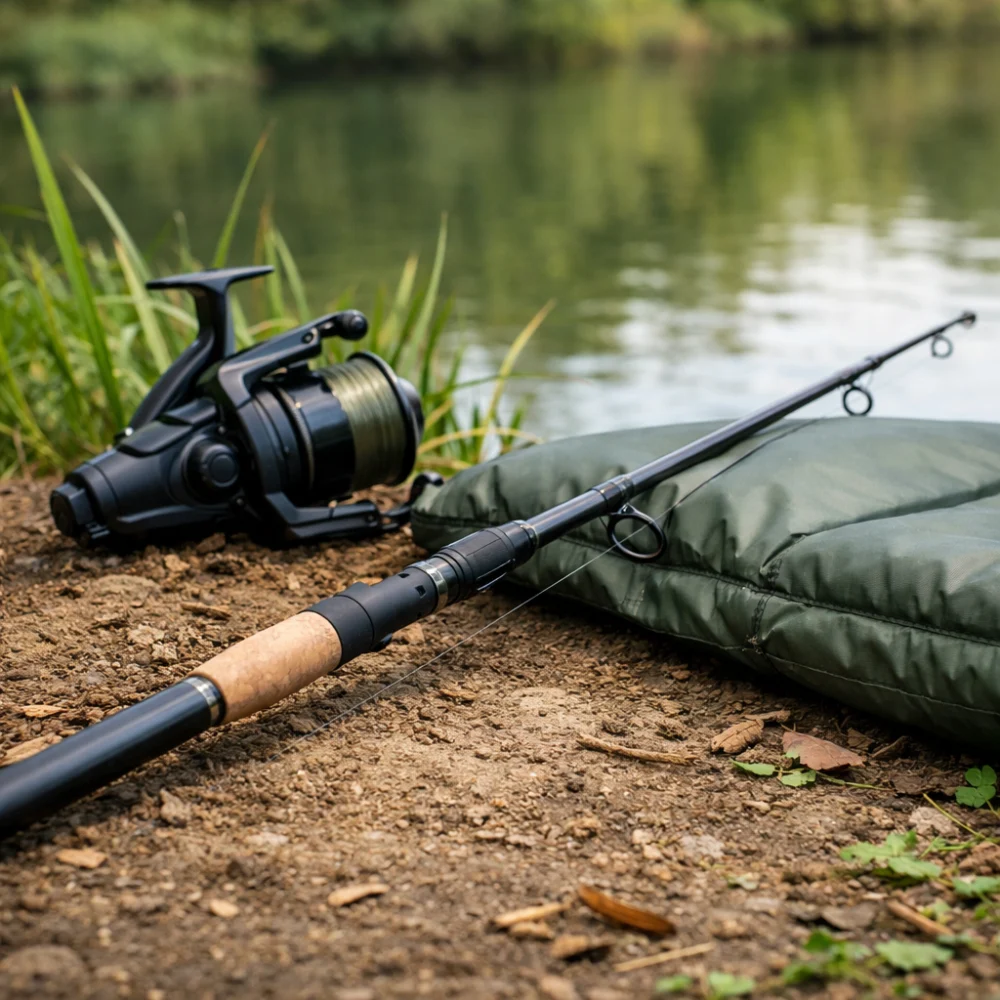
Carp rods are designed for anglers who want a rod suited to casting bait and playing larger fish with control. If you are comparing options, the main decision is usually not about one rod being universally better, but about finding the right balance of length, power, casting style and comfort for your fishing.
This guide keeps the choice practical. It covers the features that are most likely to affect how a rod feels on the bank, what kind of fishing it suits and what to check before buying.
What should you look for in a carp rod?
The best starting point is to match the rod to your fishing situation and your own casting comfort. A longer or more powerful rod may suit bigger waters and longer casts, while a more moderate option can feel easier to handle in tighter swims or when you want a simpler setup. Specifications vary by model, so always check the individual product page before buying.
| Feature | What it means | Why it matters | What to check |
|---|---|---|---|
| Length | The overall size of the rod. | Affects casting leverage, line control and how easy the rod is to manage around bankside cover. | Choose a length that suits your venue, transport needs and casting space. |
| Test curve or power rating | An indication of how much load the rod is designed to handle. | Helps you judge whether the rod feels light and forgiving or stronger and more demanding. | Check the rating on the product page and compare it with the type of fishing you plan to do. |
| Action | How the rod bends under pressure. | Influences casting feel, bite indication and the way the rod cushions a fish. | Look for wording that suggests a faster or more progressive action if the listing explains it. |
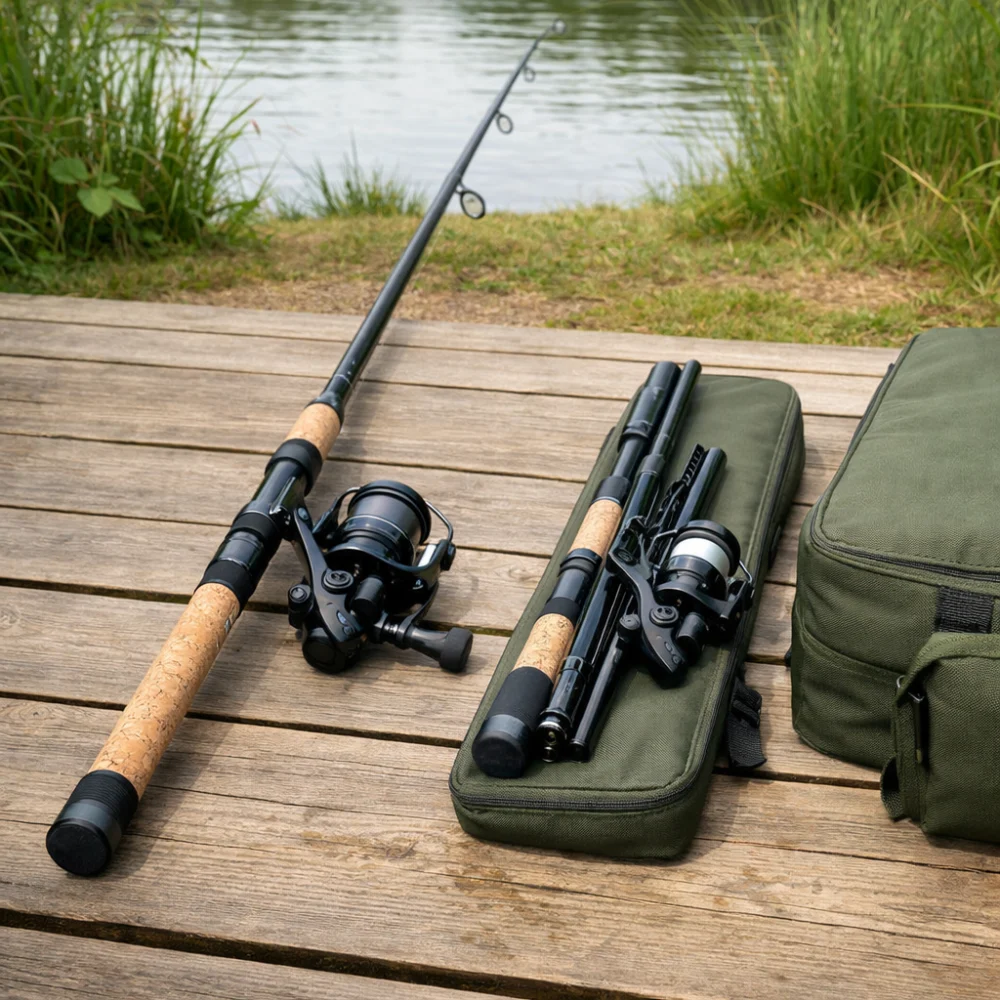
| Sections and packdown | Whether the rod breaks down into two or more sections, and how long it is when packed away. | Important for storage, transport and whether the rod is easy to carry to venues. | Check the packed length if you travel light or have limited car space. |
| Handle and grip | The material and shape of the handle area. | Affects comfort, control and how secure the rod feels during use. | Choose a handle style you find comfortable to hold for extended sessions. |
| Guides and build quality | The rod rings, blank finish and general construction. | Can influence durability, smooth line flow and overall feel. | Inspect product photos and descriptions for build details and finish information. |
Key buying criteria explained
Length
Length is one of the easiest features to understand, but it affects more than casting distance. A longer rod can give extra leverage and line control, while a shorter rod can feel more manageable in awkward swims or close surroundings. Think about where you fish most often, not just the furthest cast you imagine making.
Power and test curve
For carp rods, power is about how much resistance the rod is designed to work with. A more powerful rod can help when casting heavier rigs or fishing more demanding venues, but it may feel less forgiving for a newcomer. A lower or moderate rating can be easier to live with if you want a more comfortable all-round setup.
Action and feel
Action affects how the rod bends and recovers. Some anglers like a quicker feel for casting, while others prefer a more progressive bend that gives a softer playing action. The right choice depends on whether you value casting response, fish-playing comfort or a compromise between the two.
Transport and storage
If you travel to waters by car, public transport or on foot, packed length and sectioning can matter as much as on-the-bank performance. A rod that stores easily is often more practical for regular use, especially if you keep your tackle in a smaller space.
Common carp rod types and variants
There are a few broad carp rod styles that buyers often compare. Some are aimed at general carp fishing and offer a balanced all-round feel. Others are shaped more towards stronger casting demands or more specialist use. The important point is to choose the type that fits your regular venues and your preferred style of fishing rather than chasing a rod that sounds the most powerful on paper.
- All-round carp rods: Suitable if you want one rod type to cover mixed venue conditions and varied sessions.
- Longer or more powerful rods: May suit anglers who need extra casting reach or more control in open water.
- More compact rods: Useful when space is limited, access is awkward or you prefer easier handling.
Which carp rod suits which buyer?
| Buyer need | What to prioritise | What to avoid overlooking |
|---|---|---|
| Beginner | Comfortable handling, sensible all-round length and clear product information. | Rod power that is more demanding than you need for your first setup. |
| Regular club or day-session angler | Balanced action, practical packed length and a rod suited to your usual venues. | Choosing only by appearance rather than by how the rod will actually be used. |
| Angler fishing larger venues | Enough length and power for the distances and conditions you face. | Assuming a stronger rod will always feel better for every session. |
| Buyer with limited storage space | Packed length, sectioning and easy transport. | Overlooking how the rod fits in the car, house or tackle storage area. |
Common mistakes to avoid
- Choosing by length alone: Length matters, but so do power, action and how the rod feels in use.
- Assuming more power is always better: A stronger rod is not automatically more suitable if you fish smaller waters or want a calmer playing action.
- Ignoring transport needs: A rod that is awkward to carry or store can become a nuisance quickly.
- Not checking the full product page: Small wording differences can matter, especially when models vary within the same category.
Suitability and care considerations
Carp rods are chosen mainly for suitability, not for complicated setup. The key caveat is to check that the rod matches the sort of fishing you actually do, because a good-sounding specification may still feel wrong in practice. Also think about basic care: keeping the rod clean, dry and stored safely helps protect the finish and the guides over time.
Specifications vary by model, so always check the individual product page before buying.
How to compare carp rods efficiently
- Start with your main fishing venue and how far you normally need to cast.
- Decide whether you want a more forgiving all-round rod or something firmer and more specialised.
- Compare length, power, action and packed size side by side.
- Check comfort details such as handle style and overall handling from the product description and images.
- Read the individual product page carefully before deciding.
Carp rod buyer checklist
- Does the rod suit the waters and distances you fish most often?
- Is the power or test curve appropriate for your style of fishing?
- Does the action sound like the feel you want?
- Will the packed length and sectioning work for transport and storage?
- Have you checked the individual product page for any model-specific details?
Frequently asked questions
What is a carp rod used for?
A carp rod is intended for carp fishing, where casting control and the ability to play larger fish matter. It is designed to help with typical carp fishing tasks rather than to be a general rod for every style of angling. The right model depends on the venue and the kind of session you usually fish.
How do I choose the right length?
Choose the length that fits your venue and your casting space. Longer rods can offer more leverage, while shorter ones may be easier to manage in tight swims or when you travel with limited space. Think about practical handling as well as distance.
What does test curve or power mean?
It is a way of showing how much load the rod is designed to handle. In simple terms, it helps you compare a lighter, more forgiving rod with a stronger, firmer option. The exact interpretation can vary, so check the individual listing carefully.
Do I need a specialist rod or an all-round one?
Many buyers are best served by an all-round carp rod if they fish mixed venues or are still narrowing down their preferences. A specialist rod can make sense when you know your fishing style and conditions well. The main trade-off is flexibility versus a more focused feel.
Is a longer rod always better for casting?
Not necessarily. Longer rods can help with leverage, but they can also feel less convenient in close quarters or during long sessions when ease of use matters. The best choice is the one that suits your fishing environment and your handling comfort.
What should I check before buying online?
Check the length, power rating, action description, packed size and any model-specific notes on the product page. It also helps to look at the product photos to understand the handle and overall build. If any detail is unclear, compare it with another listing rather than guessing.

