
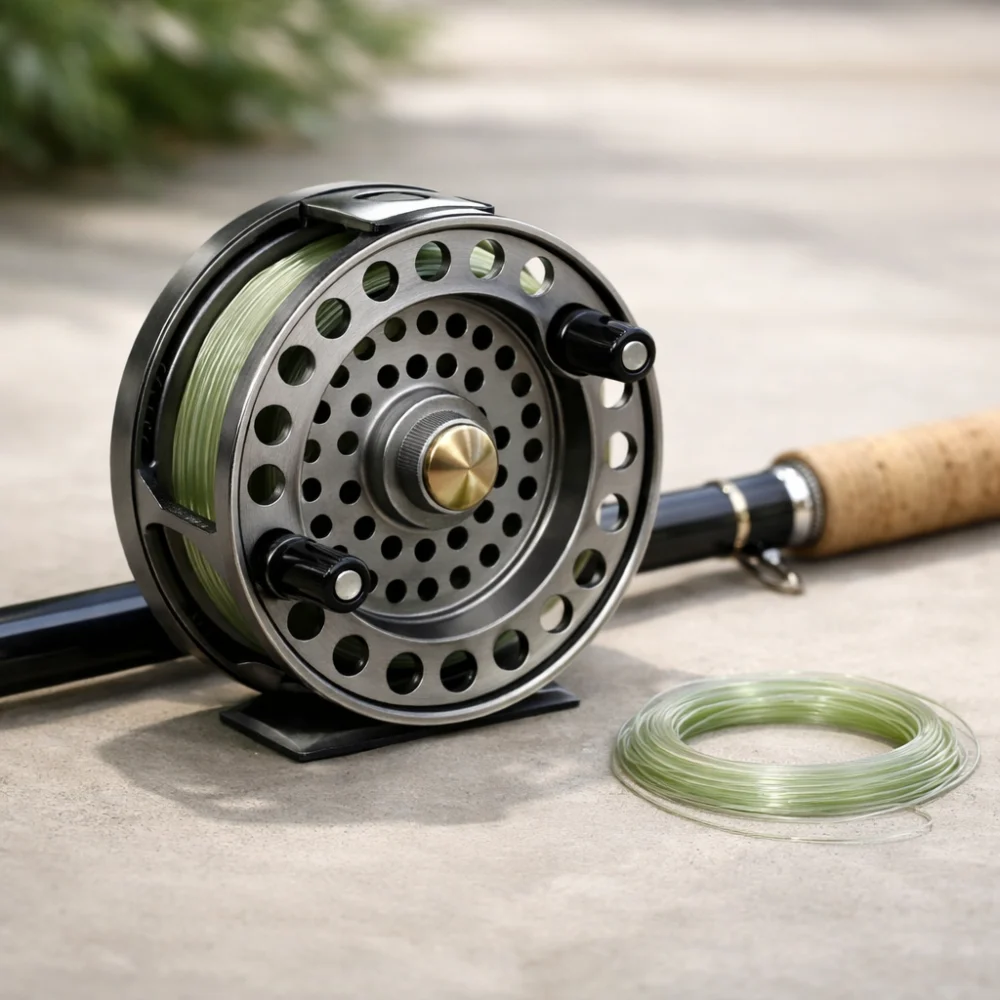
Centre pin fishing reels appeal to anglers who want a simple, traditional style of reel for float fishing and trotting. They are chosen as much for how they feel to use as for the way they perform on the water.
If you are comparing centre pins for the first time, the main decision is less about one universal “best” reel and more about how the reel balances free-spool feel, line control and comfort in the hand. Specifications vary by model, so always check the individual product page before buying.
This guide focuses on the practical choices that matter most: size, build, handle style, retrieve feel and whether the reel suits your preferred fishing method.
What should you look for in a centre pin fishing reel?
The best starting point is to match the reel to your usual fishing style and the level of control you want over the line. A centre pin is valued for smooth rotation and direct feel, but that does not mean every model will suit every float setup or every angler. The right choice usually comes down to comfort, line handling and how much control you want when trotting or presenting a float.
| Feature | What it means | Why it matters | What to check |
|---|---|---|---|
| Reel diameter | The overall size of the reel body and spool | Affects how the reel feels in the hand and how much line control you get | Look at the stated dimensions and consider whether you prefer a compact or larger feel |
| Rotation feel | How freely and smoothly the spool turns | This influences line release and the control you have while trotting | Check the product description for smoothness cues and user-facing wording about free rotation |
| Handle style | The shape and position of the handle or handles | Changes comfort, grip and how easily you can turn the reel | Consider whether you want a simple grip or a handle layout that feels easier to control |
| Construction material | The materials used for the body and spool | Affects feel, appearance and perceived durability | Check whether the model is described as metal, aluminium or machined construction |
| Retrieve direction | Whether the reel is designed for left-hand or right-hand use, or can be changed | Important for comfort and natural line handling | Confirm the stated hand orientation or whether it is reversible |
| Intended use | How the reel is positioned for float fishing or trotting | Helps you avoid choosing a reel that feels awkward for your usual approach | Read the category text and product page carefully for the way the reel is presented |
Key decision criteria explained
Size and balance
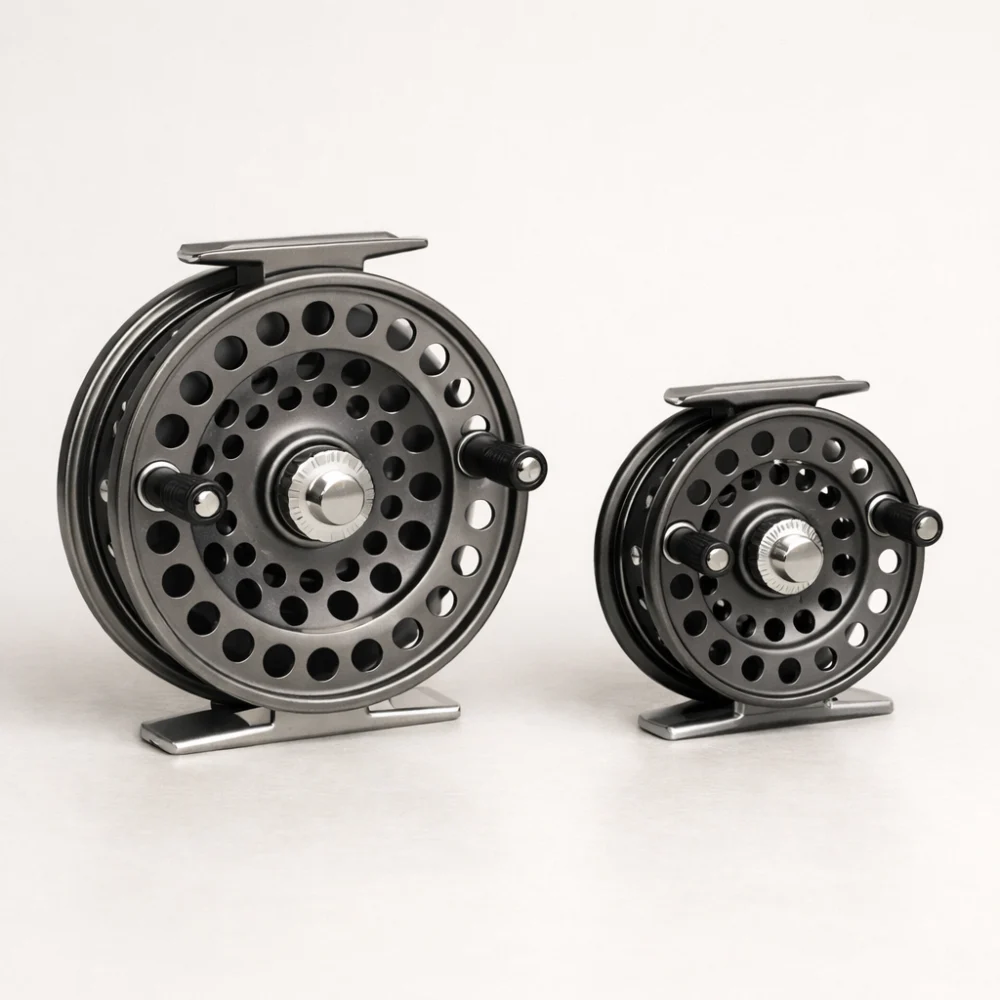
Centre pin reels are often chosen to feel balanced and comfortable on a float rod. A smaller reel may feel neat and light in the hand, while a larger reel can feel more substantial and may suit anglers who prefer a bigger grip area. Think about how the reel will feel during a long session, not just how it looks in a photo.
Free-spool feel and control
The main attraction of a centre pin is the direct control it gives over line release. That makes smooth rotation important, but the right amount of “free” feel is personal rather than fixed. Some anglers like a very easy-turning reel, while others prefer a little more resistance and a more deliberate feel.
Handle and retrieve comfort
Handles matter more than many buyers expect. If you hold the rod and reel for extended periods, the handle shape and whether the reel suits your preferred hand can make a noticeable difference to comfort. Check the product page for orientation and look closely at images if the handle layout is important to you.
Materials and build style
Build materials affect the character of the reel as well as its appearance. Metal and aluminium models are often chosen for a solid, traditional feel, but the exact result depends on the design and manufacturing approach. Treat material descriptions as one part of the decision, not the whole story.
Types and variants within the category
Centre pin reels are a fairly focused category, but there are still a few common variations to compare.
- Traditional-style centre pins: Suited to anglers who want the classic trotting feel and simple direct control.
- Machined aluminium or metal models: Often chosen for a more refined build feel and a sturdier impression in the hand.
- Left-hand or reversible options: Useful if you have a clear retrieve preference or want more flexibility.
The main limitation is that centre pins are specialised reels. They are generally chosen for particular float-fishing approaches rather than as a general-purpose reel for every style of fishing.
Which centre pin reel suits different buyers?
| Buyer need | What to prioritise | Why it helps |
|---|---|---|
| Beginner to centre pin fishing | Straightforward design, clear hand orientation, comfortable size | Makes the first reel easier to adapt to and less awkward to use |
| Angler focused on float control | Smooth rotation and a feel that supports careful line release | Helps with line presentation and controlled trotting |
| Buyer replacing an older reel | Similar size and retrieve orientation to the reel already in use | Reduces the chance of ending up with a reel that feels unfamiliar |
| Gift buyer | General versatility, clear product information and an appearance likely to suit the recipient | Helps avoid choosing a reel with the wrong orientation or feel |
Common mistakes and misunderstandings
- Choosing only by appearance: A reel can look right in a photo but still feel too large, too small or awkward to hold. Always check the dimensions and orientation.
- Assuming all centre pins feel the same: The free-spool feel and handling can vary by model, so it is worth comparing the description carefully.
- Ignoring retrieve direction: Hand preference is one of the easiest details to overlook and one of the most annoying to get wrong.
- Using a centre pin as a general all-round reel: These reels are specialised, so make sure your fishing style matches the way the reel is intended to be used.
Safety and suitability caveats
Centre pin reels are not complicated products, but suitability still matters. Check that the reel matches your intended fishing method, rod setup and preferred hand use before buying. Do not rely on broad product wording alone if you need a specific orientation or a particular feel.
Maintenance, storage and lifespan considerations
General care for a centre pin reel is usually about keeping it clean, dry and stored safely after use. If a model uses more metal parts or a more open design, it may benefit from careful wiping down after fishing and sensible storage away from knocks and moisture. Long-term condition often depends as much on care and storage as on the initial build.
How to compare options efficiently
- Start with your main use: float fishing, trotting or another centre pin-friendly style.
- Confirm the reel size and overall feel seem right for your rod and hand.
- Check the retrieve orientation and handle layout.
- Compare the description of smoothness, build style and materials.
- Read the individual product page for any model-specific details before deciding.
Summary buyer decision checklist
- Does the reel suit your usual fishing style?
- Is the size comfortable for your hand and rod setup?
- Have you checked the retrieve direction or reversibility?
- Does the build material and construction style match your preference?
- Does the product description give enough detail for your needs?
Frequently asked questions
What is a centre pin fishing reel used for?
Centre pin reels are most closely associated with float fishing and trotting, where direct control over line release matters. They are chosen by anglers who want a traditional style of reel with a simple, tactile feel.
Are centre pin reels suitable for beginners?
They can be, especially if the beginner wants to learn a more hands-on style of float fishing. The important thing is choosing a model with a comfortable size and the right hand orientation so it feels natural to use.
Does a larger centre pin reel always perform better?
Not necessarily. A larger reel may feel different in the hand and can suit some anglers better, but the best choice depends on comfort, balance and the way you fish rather than size alone.
Should I choose left-hand or right-hand retrieve?
Choose the orientation that feels most natural for your rod hand and line control style. If you already have a preference, matching it usually makes the reel easier to use from the start.
What makes one centre pin reel different from another?
Common differences include size, handle style, materials, retrieve orientation and how smooth the reel feels in use. Those details can change the feel of the reel even when the category name is the same.
What should I check before ordering one?
Check the dimensions, hand orientation, description of the build and the way the reel is presented for its intended use. If you are unsure, compare the individual product page with your preferred fishing setup.

