
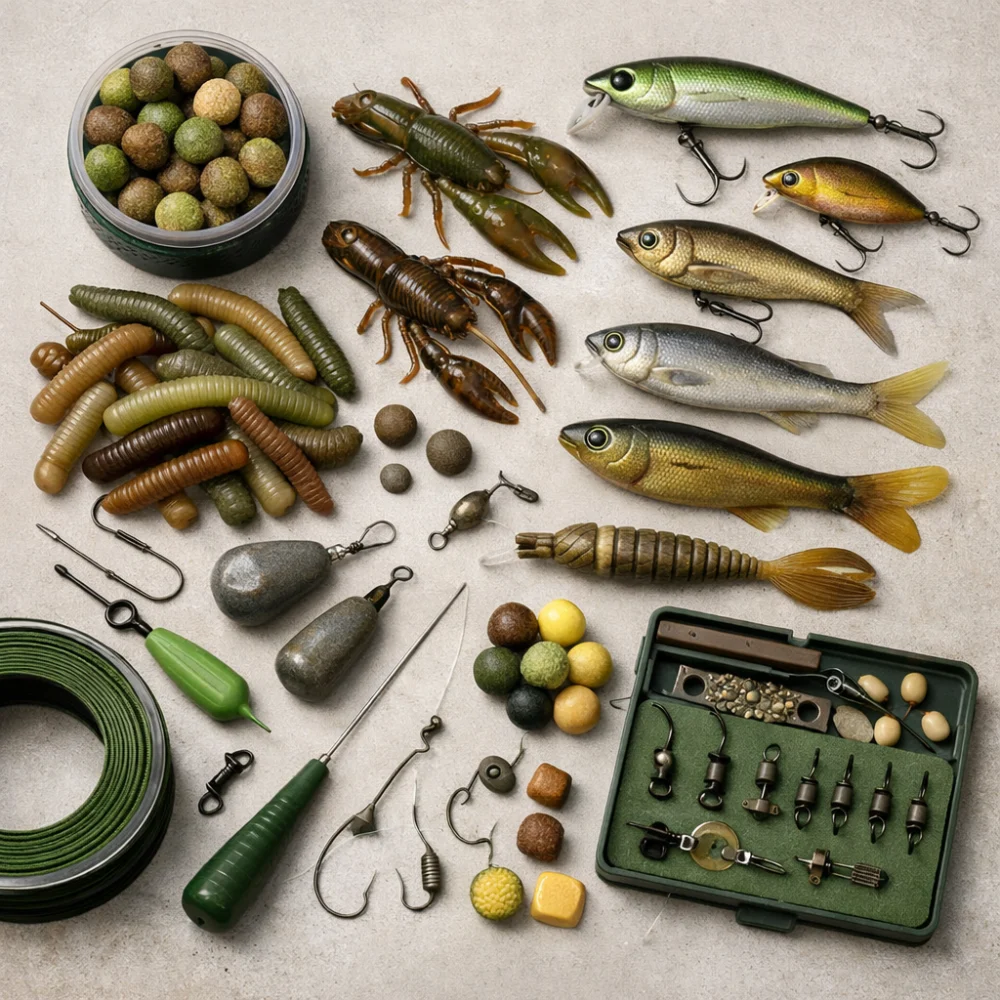
Artificial bait can be a practical choice when you want a reusable option that is easy to carry, simple to sort and available in many shapes. The right choice depends less on the label and more on how you fish, what species you are targeting and how you want the bait to behave in the water.
Some artificial bait is designed to imitate natural food items such as worms, maggots, corn or shrimp. Other options are shaped more like general lure bodies, with the aim of creating movement, colour or scent that helps attract fish. Because the category covers a wide range of styles, it helps to compare the form, softness, buoyancy and intended use rather than choosing only by appearance.
What should you look for in artificial bait?
The best starting point is to match the bait to your fishing method and the species you expect to encounter. A bait that looks convincing in the pack may still be the wrong choice if it floats when you need it to sink, is too small for your rig or does not suit the water conditions you fish most often. Specifications vary by model, so always check the individual product page before buying.
In practice, the main trade-off is usually between realism, handling and versatility. More realistic bait can be useful for presentation, while simpler shapes may be easier to rig or reuse. The most suitable option is the one that fits your approach without making the setup awkward.
| Feature | What it means | Why it matters | What to check |
|---|---|---|---|
| Shape | Whether the bait imitates a worm, maggot, corn, shrimp or a more generic lure body | Shape affects presentation and how naturally the bait looks in the water | Look for a shape that suits your target species and rig |
| Size | The physical size of each bait piece or lure body | Size affects hook-up potential, bait visibility and how subtle or bold the presentation appears | Check the dimensions or quantity description on the product page |
| Softness | How flexible the material feels | Soft bait can move more naturally, but firmer bait may be easier to handle | Consider whether you want more lifelike movement or easier threading and storage |
| Buoyancy | Whether the bait floats, sinks or behaves neutrally | Buoyancy changes how the bait sits near the hook and how it presents over the swim | Check whether the product is described as pop-up, sinking or floating |
| Attraction | Any added scent, flavour or visual emphasis | Extra attraction can help, but it is not a substitute for the right size and presentation | Look for clear product wording rather than assuming a scent will suit every situation |
| Pack size | The number of pieces included | A larger pack may suit frequent use or testing different rigs | Compare pack quantity with how often you fish and how quickly you use bait |
Key decision criteria
Target species and fishing style
Different fish and methods call for different bait behaviour. A coarse-fishing setup may benefit from small imitation pieces, while some lure fishing situations suit soft bodies that create movement on the retrieve. The important point is not simply what the bait resembles, but whether it supports the way you present it.
Realism versus convenience
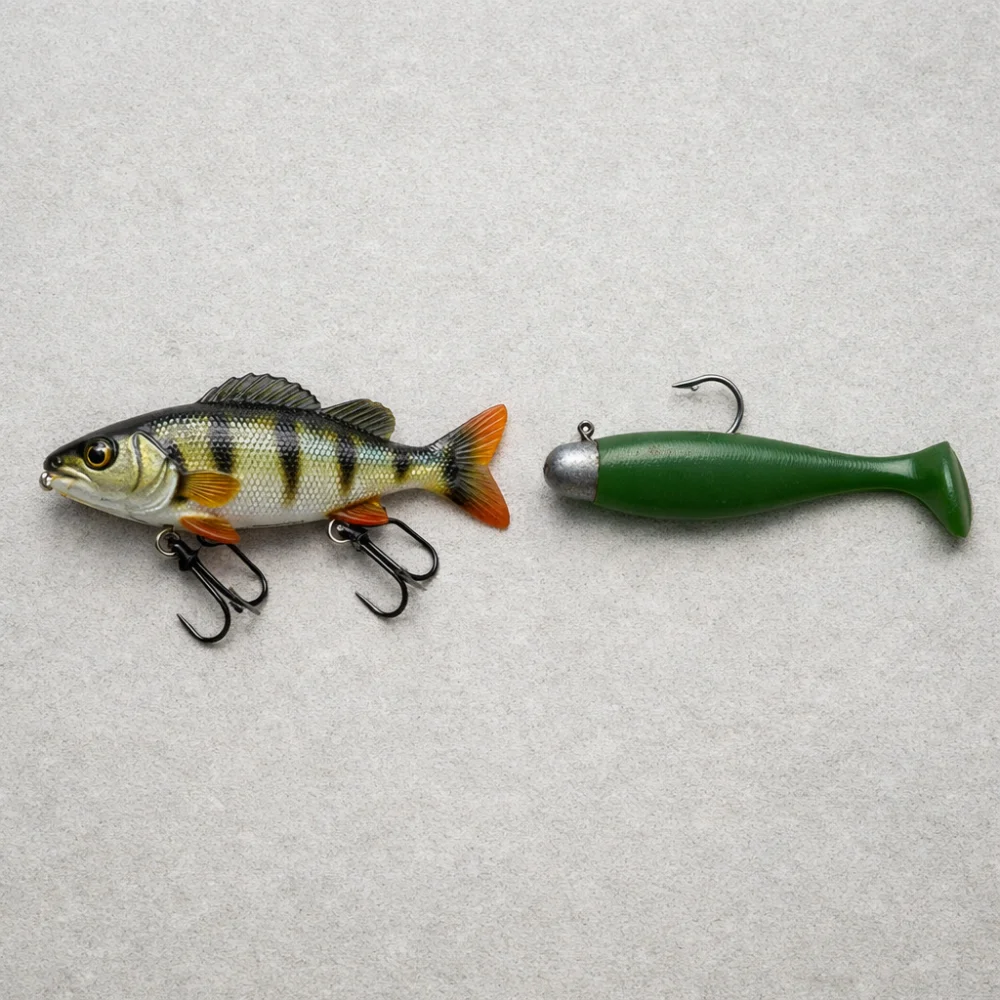
Some artificial bait is made to look close to the natural food source it imitates. That can be helpful when you want a subtle presentation, but it may take longer to rig neatly or may require more care in storage. Simpler styles can be easier to use repeatedly, especially if you want a quick option for different sessions.
Texture and handling
Texture affects how easy the bait is to mount, reuse and keep in good condition. Softer pieces may move well but can be fiddlier to handle, while firmer versions may be tidier in the tackle box. If you often change rigs or fish for long sessions, handling can matter as much as appearance.
Colour and visibility
Colour can influence how visible the bait is in clear water, coloured water or low light, but it should be treated as one factor rather than the whole decision. It is usually more useful to choose a colour that complements the rest of your setup than to assume one shade will work everywhere.
Buoyancy and position
Whether a bait floats, sinks or sits in between can change how it behaves around the hook. This matters if you want the bait to hover, settle naturally or stand out from the bottom. If the product page does not make the buoyancy clear, check the wording carefully before you buy.
Types and variants within artificial bait
Artificial bait in this category can cover several broad styles. Imitation food shapes such as maggots, worms, corn and shrimp are usually chosen for their natural look and familiar presentation. More generic soft lures are often selected for movement and versatility, especially when you want to adapt the same style to different rigs.
Mixed kits are another common option. These may suit beginners or anglers who want to try several shapes before settling on a favourite, but the trade-off is that no single item may be the perfect fit for a specific session. If you already know the bait shape you prefer, a more focused pack can be easier to use.
Which artificial bait suits different buyers?
| Buyer need | What to prioritise | Why |
|---|---|---|
| Beginner angler | Simple shapes, clear description and easy handling | It is easier to learn when the bait is straightforward to rig and recognise |
| Frequent session angler | Pack quantity, storage convenience and repeat usability | Regular use makes practicality and value more important |
| Angler trying a new presentation | Variety pack or a bait style that differs from what you already use | Testing a new style can help you compare how fish respond |
| Gift buyer | Broadly useful shapes and a clear product description | A flexible option is safer when you do not know the recipient’s exact setup |
| Targeted species angler | Size and shape that suit the intended species | Species-specific presentation is often more important than extra features |
Common mistakes and misunderstandings
- Choosing by appearance alone: A convincing shape does not guarantee a good match for your rig or species. Check how the bait is meant to be used.
- Ignoring buoyancy: A floating bait and a sinking bait behave very differently. Make sure the product description matches the presentation you need.
- Buying too much variety at once: A large mixed kit can be useful, but it may be harder to learn what actually works. Starting with a narrower choice can make comparison easier.
- Assuming scent solves everything: Added flavour or aroma may help, but it does not replace good placement, size and presentation.
- Overlooking storage needs: Some bait styles keep better than others once opened or used. Think about how you will carry and organise it between trips.
Safety and suitability caveats
Artificial bait should be chosen with the intended fishing method in mind, including local rules, species expectations and any rig constraints you already use. If you are fishing in mixed conditions or for different species, check whether the product is suitable for the water and presentation you have in mind. Avoid assuming that any artificial bait will work equally well in every setup.
Maintenance, storage and lifespan
Care is usually simple, but it still affects value. Keep bait clean, dry or sealed as appropriate to the product, and store it so it does not deform, dry out or pick up dirt from tackle boxes and bags. If a bait relies on scent, flavour or a soft material, its condition can matter over time, so it is worth checking the storage advice on the individual listing.
How to compare options efficiently
- Decide what you want the bait to do in the water: imitate a natural food item, add movement or provide a quick general-purpose option.
- Choose the broad type that matches your fishing style and target species.
- Compare the most relevant characteristics: shape, size, softness, buoyancy and pack size.
- Weigh the trade-offs between realism, ease of use and repeatability.
- Check the individual product page for the details that matter before you buy.
Summary buyer decision checklist
- Does the bait suit your target species and method?
- Is the shape appropriate for the presentation you want?
- Have you checked size, buoyancy and any added attraction?
- Will the pack size suit how often you fish?
- Is it easy to store, carry and rig for your usual sessions?
- Have you checked the product page for any model-specific details?
Frequently asked questions
What is artificial bait used for?
Artificial bait is used to imitate food items or create an attractive presentation without relying on natural bait. It can help with convenience, repeat use and carrying a smaller tackle setup. The exact purpose depends on the style, from imitation worms and maggots to softer lure bodies.
Is artificial bait better than natural bait?
Not necessarily. Artificial bait can be cleaner to carry, easier to sort and more reusable, while natural bait may suit certain situations better. The better choice depends on how you fish, what you are targeting and how you want the bait to behave.
How do I choose the right size?
Start with the size that fits your hook, rig and intended species. A bait that is too large can look awkward, while one that is too small may not give the presentation you want. It is usually safer to match the bait size to your normal setup rather than choosing by looks alone.
Do I need scented artificial bait?
Not always. Scent or flavour can be useful, but it should be treated as one feature rather than the main reason to buy. If you are unsure, focus first on shape, size and buoyancy.
Are mixed artificial bait kits a good idea?
They can be useful if you are new to the category or want to experiment with several styles. The trade-off is that you may get more variety than you actually need. If you already know your preferred bait shape, a more focused option can be simpler.
How should artificial bait be stored?
Store it according to the material and any guidance on the product page, keeping it clean and protected from damage or contamination. Good storage helps preserve the bait’s shape and handling qualities. If the product includes scent or soft material, sealing it properly can matter more.
Can artificial bait be reused?
Often, yes, but that depends on the material and how it has been used. Reusability is one of the reasons many anglers choose artificial bait, although softer items may wear faster than firmer ones. Check the product details if reuse is important to you.

