
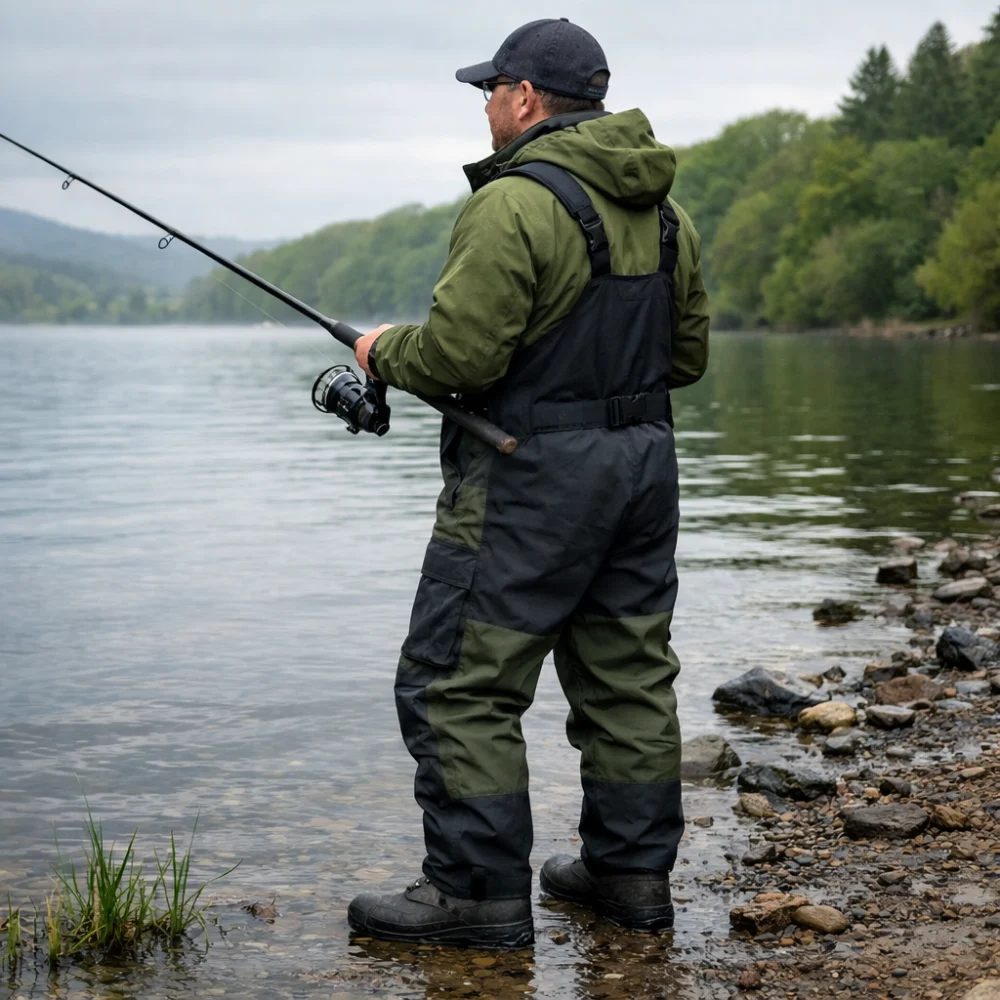
Fishing bibs and salopettes are a practical outer layer for anglers who want more coverage than ordinary waterproof trousers. They are commonly chosen for wet, cold or windy sessions, but the right pair depends on how you fish, how much movement you need and how much layering you plan to wear underneath.
Some buyers want simple splash protection for short trips, while others need a more enclosed design for long sea or coarse fishing sessions. The main decision is usually not just waterproofing, but the balance between protection, comfort, breathability and ease of movement.
If you are comparing options for the first time, it helps to focus on fit, coverage and the conditions you expect to face rather than on the category name alone. Specifications vary by model, so always check the individual product page before buying.
What should you look for in fishing bibs and salopettes?
The best starting point is the fishing environment. A heavier, more protective design may suit exposed, wet conditions, while a lighter option may be easier to wear for active sessions or milder weather. The useful trade-off is usually between weather protection and comfort: more coverage can mean less ventilation and a bulkier feel.
Think about how often you kneel, sit, cast or move around the bank or boat. A good fit should let you layer underneath without feeling restrictive, while still staying secure enough to keep out spray and drizzle where that matters.
| Feature | What it means | Why it matters | What to check |
|---|---|---|---|
| Coverage | How much of the torso and legs are protected | Affects how much splash, rain and wind exposure you can manage | Check the cut, chest height and whether the design suits your intended fishing style |
| Fit and adjustability | How well the garment sits on your body and over layers | Impacts comfort, freedom to move and how secure the fit feels | Look for adjustable straps, waist adjustment and enough room for base layers |
| Weather protection | The level of shielding from rain, spray and wind | Important for wet banks, exposed coastlines and colder sessions | Review the product description for the intended conditions and any waterproof or windproof wording |
| Breathability | How easily moisture from inside can escape | Helps reduce clamminess during longer or more active sessions | Check whether the item is described as breathable and consider your activity level |
| Warmth and layering | How suitable the garment is for wearing over insulating layers | Useful in colder weather and for long sits still | Consider the cut, lining and how much space you need underneath |
| Practical details | Useful extras such as pockets, ankle adjustments or reinforced areas | Can improve convenience and comfort without changing the core purpose | Decide which details you will actually use rather than assuming more features are always better |
Key decision criteria explained
Coverage and intended use
Bibs and salopettes sit higher than ordinary waterproof trousers, so they are often chosen when you want extra protection around the midsection. That can be helpful when you are seated for long periods or when spray and drizzle are likely. The limitation is that more coverage can feel warmer and less airy, so think about whether you need that extra protection all day or only in specific conditions.
Fit over layers
Fishing clothing often needs to work over base layers, midlayers or thermal wear. A garment that is too tight can restrict movement, while one that is too loose may feel awkward or let in draughts. If you expect to layer up, check adjustability and whether the cut looks suitable for your build and the season you plan to use it in.
Weather and season
Some buyers need a simple barrier against showers, while others are shopping for prolonged wet or cold conditions. The right choice depends on whether your priority is keeping dry, staying comfortable during movement, or maintaining warmth during long, stationary sessions. Because product descriptions can vary, it is worth reading the full wording carefully rather than assuming every bib or salopette is built for the same level of exposure.
Comfort during movement
Anglers move differently depending on the method and location. Bank fishing, boat fishing and sea fishing can all place different demands on the garment. Look for a design that will let you crouch, sit, kneel and cast without constant adjustment, because comfort usually matters more than a long list of details you may never use.
Types and variants within the category
Within this category, the main differences usually come from the intended conditions and the overall construction rather than from radically different product types. Some options are aimed at lighter-weather or more active use, while others are designed to give a more robust layer for tougher conditions. The exact balance varies, so the safest approach is to compare how enclosed, flexible and weather-focused each product appears to be.
You may also see bib and brace or salopette wording used in product titles. In practice, shoppers usually care less about the label and more about the cut, fit and intended use. If a product is described as workwear-style as well as fishing clothing, check whether that design suits the comfort and movement you want for angling.
Which features matter most for different buyers?
| Buyer need | What tends to matter most | What to lean towards |
|---|---|---|
| Cold-weather angling | Coverage, layering room and comfort over longer sessions | A more enclosing fit with space for insulation underneath |
| Wet, exposed conditions | Protection from rain, spray and wind | A design with stronger weather protection and secure coverage |
| Active moving around | Mobility and breathability | A lighter-feeling, less restrictive option |
| Occasional use | Ease of wear and straightforward value | A simple design with the features you will actually use |
| Long sessions | Comfort, fit and practicality | Adjustability, reliable coverage and details that reduce irritation |
Common mistakes and misunderstandings
- Choosing on waterproofing alone. Protection matters, but fit, breathability and how you move are just as important for comfort.
- Assuming more coverage is always better. Extra coverage can be useful in wet conditions, but it may be too warm or bulky for milder weather.
- Ignoring layering needs. A good fit should work over the clothing you actually wear fishing, not just over a T-shirt.
- Overlooking practical details. Small features can matter if you fish often, but avoid paying for details you will not use.
- Not checking the intended use. Some products are aimed more at protection from the elements, while others prioritise general workwear-style durability.
Safety and suitability caveats
Fishing bibs and salopettes are about comfort and weather protection, not guaranteed safety. Make sure the garment suits the conditions you expect, especially if you fish in wet, cold or exposed places. Also check that the fit allows you to move safely and comfortably when carrying tackle, walking on uneven ground or boarding a boat.
Maintenance, storage and lifespan considerations
General care can affect how long fishing clothing remains comfortable and useful. Dirt, salt and wet storage can shorten the useful life of outdoor garments, so it is sensible to follow the care guidance on the individual product page and keep the item dry between trips where possible. If a design uses more technical materials or coatings, it may need more careful cleaning than simple workwear-style clothing.
Before buying, think about how often you will wear it and how much upkeep you are willing to do. A more technical option may give you better weather performance, but only if you are happy to look after it properly.
How to compare options efficiently
- Start with where and how you fish most often: bank, boat, sea or mixed use.
- Decide how much coverage and weather protection you actually need.
- Compare fit, adjustability and room for layering before looking at extras.
- Check whether breathability or warmth is the more important trade-off for your sessions.
- Read the product page carefully for the features that matter to you, then ignore the ones that do not.
Summary buyer decision checklist
- Does the coverage suit your fishing conditions?
- Will it fit comfortably over your usual layers?
- Is the balance of protection and breathability right for your sessions?
- Do the practical details match how you actually fish?
- Is the intended use clear enough for your needs?
- Have you checked the individual product page for the exact specifications?
Frequently asked questions
What is the difference between bibs and salopettes?
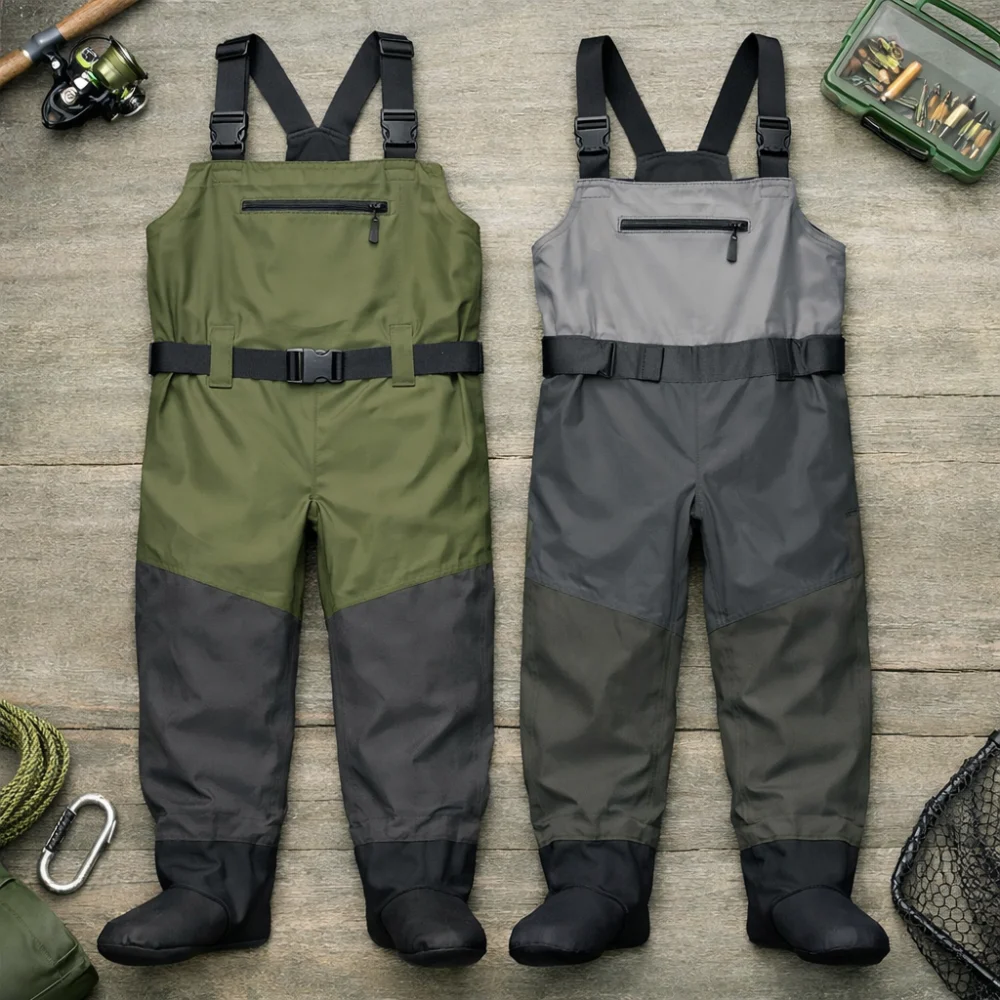
In this category, the terms are often used for similar over-trouser styles with chest coverage and shoulder straps. The practical difference for shoppers is usually in fit, construction and intended use rather than in a strict category boundary. Focus on the product description and images to see how enclosed and adjustable the design is.
Are fishing bibs and salopettes only for cold weather?
No. They are often chosen for cold or wet conditions, but some anglers also want them for protection in windy or changeable weather. The main question is whether the added coverage and layering room suit your sessions, even when the temperature is not especially low.
Should I choose a tighter or looser fit?
Most buyers benefit from a fit that allows comfortable movement and room for base layers without feeling baggy. A very tight fit can restrict bending and crouching, while an overly loose one can feel awkward and less secure. Check the product information for guidance on cut and adjustability.
Do I need breathable fishing bibs and salopettes?
Breathability is useful if you walk, cast or stay active for long periods, because it can help reduce that damp, clammy feeling inside the garment. If you spend long sessions seated in colder conditions, other factors such as coverage and warmth may matter more. The right balance depends on how you fish.
What details are worth paying extra attention to?
Fit, adjustability, coverage and the intended conditions usually matter more than small decorative details. Practical touches such as pocket layout or ankle adjustment can be helpful if they suit your routine, but they should not outweigh the basics. Specifications vary by model, so always check the individual product page before buying.
Can I use them for other outdoor activities?
Some anglers also use this style for other wet or messy outdoor work, but that depends on the individual design. A product aimed at fishing may still be comfortable for general outdoor use, yet it is worth checking whether the cut and materials match the other activity you have in mind.

