
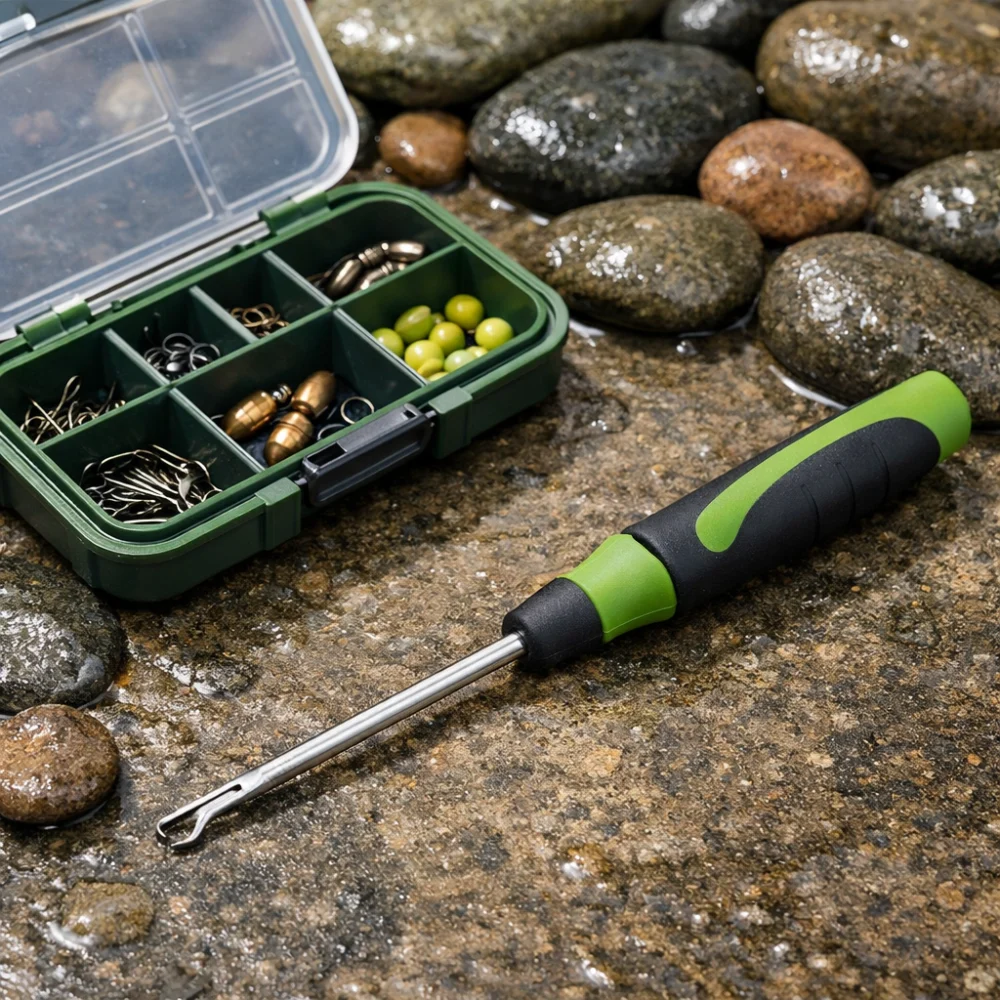
Fishing unhooking tools help you remove hooks more cleanly and with less handling than using fingers alone. They are useful for anglers who want a simple way to deal with deeply set hooks, awkward hook positions or small fish where precision matters.
The right choice depends on the kind of fishing you do, the size of hooks you use and how much reach or grip you need. Some tools are designed for fast hook removal, while others are better for controlled handling when space is tight.
If you are comparing this category for the first time, it helps to think about access, control and comfort rather than one “best” style. A compact tool may be easier to carry, but a longer or more specialised design can make hook removal easier in certain situations.
What should you look for in a fishing unhooking tool?
The most useful starting point is to match the tool to your usual fishing setup and the kind of hook removal you expect to do. For most buyers, the main trade-off is between reach and precision: longer tools can keep your hands further from the fish, while shorter tools may feel easier to control. Specifications vary by model, so always check the individual product page before buying.
| Feature | What it means | Why it matters | What to check |
|---|---|---|---|
| Tool style | The general design, such as forceps, pliers or a disgorger-style tool | Different styles suit different hook sizes and levels of access | Whether the shape suits the hooks and fish you usually handle |
| Reach | How far the tool lets you work from the fish’s mouth | Helpful when hooks are awkward to reach or when you want less hand contact | Overall length and whether that feels practical for your fishing |
| Grip and control | How securely the tool can hold or guide the hook | Affects how confidently you can remove a hook without slipping | Handle design, jaw shape and whether the tool looks easy to use with wet hands |
| Portability | How easy the tool is to carry and keep ready | Useful if you travel light or want something clipped into a tackle system | Size, weight and whether it will fit your usual carry method |
| Material and finish | The basic construction and surface treatment | Can influence corrosion resistance and everyday durability | Whether the product page mentions suitable use for your fishing environment |
| Cleaning and storage | How easy it is to rinse, dry and put away after use | Simple care helps the tool stay usable and comfortable to handle | Whether the design appears straightforward to clean and store |
Key decision criteria explained
Type of tool
Fishing unhooking tools are not all the same. Some are closer to forceps or pliers, which can give a secure grip and controlled movement, while others are more like disgorgers or hook removers that are designed to help guide the hook out. The right type depends on the hooks you use and how much dexterity you want when working close to the fish.
Size and reach
Longer tools can be easier when you want a bit more distance from the hook, while shorter tools may feel quicker and more precise. A compact tool can be easier to store, but it may be less convenient if you often deal with larger fish or deeper mouths. Think about the situations you face most often rather than choosing the longest tool by default.
Grip, jaws and contact points
The way the tool holds or contacts the hook affects how steady it feels in use. A secure grip can make removal more controlled, especially when hands are wet or cold. Look at the shape of the tip or jaws and consider whether they seem suited to the hook styles you normally use.
Handling comfort
If you fish regularly, comfort matters more than it may first appear. A tool that feels awkward in the hand can make a simple task slower and less precise. Consider whether the handle shape and overall balance look suitable for repeated use, especially if you expect to use it in cold or damp conditions.
Material and corrosion resistance
Fishing tools may be used around water, bait and wet tackle, so durability is important. Material choice can affect how well the tool stands up to repeated use and storage after a session. If you fish in saltwater or in wet conditions, it is worth checking the product details carefully and not assuming every tool is equally resistant.
Types and variants within this category
The main variations in this category usually come from shape and handling style rather than from dramatic differences in function. That makes it easier to narrow the choice once you know how you fish.
- Forceps-style tools are often chosen for more controlled handling and can be useful when you want a familiar, precise feel.
- Plier-style tools may suit buyers who want a more general-purpose grip and a tool that can feel sturdy in the hand.
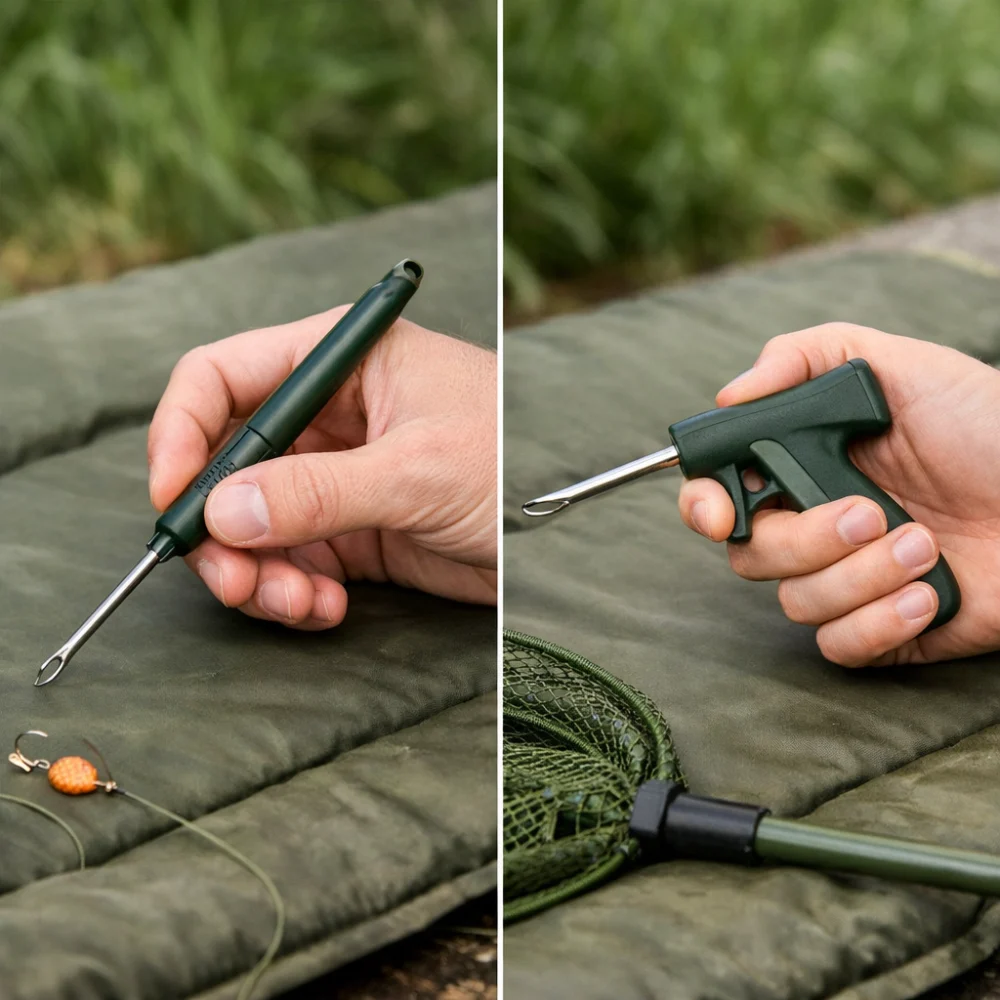
- Disgorger-style tools are designed around guiding the hook out and can be appealing when you want a straightforward removal tool.
- Compact multi-piece sets can suit anglers who want spares or different sizes, but they may be less about one perfect tool and more about flexibility.
Because category listings can include a range of formats, it is sensible to compare the shape and intended use rather than relying on the product title alone.
Which type suits which buyer?
| Buyer need | What to prioritise | Why it helps |
|---|---|---|
| Occasional angler | Simple design, easy storage, straightforward use | Keeps the choice uncomplicated and practical |
| Regular coarse angler | Control, comfortable handling and a shape that suits routine hook removal | Supports repeated use without feeling awkward |
| Angler who wants less hand contact | Reach and a tool that allows more distance from the fish | Helps when you want a more measured approach to removal |
| Buyer replacing a lost tool | Familiar shape and similar handling to the one they already use | Makes the replacement easier to adapt to |
| Gift buyer | General-purpose design and clear practicality | Reduces the risk of choosing something too specialised |
Common mistakes and misunderstandings
- Choosing by appearance alone. A neat-looking tool is not always the most suitable. It is better to start with your fishing style and the hooks you use most often.
- Assuming one tool suits every situation. Some designs are more controlled, while others are better for reach or speed. Matching the tool to the task usually gives a better result.
- Ignoring comfort. A tool that feels fine in the product image may be less pleasant when used repeatedly. Handle shape and size can matter more than buyers expect.
- Overlooking care needs. Even simple tools benefit from cleaning and drying after use. That is especially relevant if the tool is regularly exposed to moisture.
Safety and suitability caveats
Choose a tool that suits the fish, hook type and fishing conditions you actually expect to encounter. If a product page does not make the intended use clear, do not assume it will suit every species or every hook size. For any tool used around fish mouths and sharp hooks, a controlled, appropriate design is more important than a compact or decorative one.
Maintenance, storage and lifespan considerations
Most fishing unhooking tools are easiest to keep in good condition when they are rinsed, dried and stored away after use. That basic routine helps reduce the effects of moisture and general wear. If a tool has moving parts, grips or a shaped tip, check that those elements look easy to keep clean and ready for the next session.
It is also worth thinking about how you will carry the tool between sessions. A design that is quick to stow and easy to find in your tackle setup can be more useful in practice than a more elaborate option.
How to compare options efficiently
- Start with the kind of fishing you do and the hooks you most often need to remove.
- Narrow the choice to the tool shape that seems most practical for your use.
- Compare reach, grip, handling comfort and portability.
- Check the product page for material notes and any stated suitability limits.
- Choose the simplest option that fits your usual needs rather than overcomplicating the decision.
Summary buyer decision checklist
- Does the tool shape suit the hooks and fish you usually handle?
- Is the length or reach practical for your use?
- Does it look easy to grip and control with wet hands?
- Will it be comfortable to carry and store?
- Are the material and care details suitable for your fishing environment?
- Does the product page give enough information to confirm it is the right type?
Frequently asked questions
What is a fishing unhooking tool used for?
It is used to help remove hooks more cleanly and with better control than using fingers alone. The exact style can vary, but the aim is usually the same: to make hook removal easier and more precise.
Are forceps, pliers and disgorgers the same thing?
No. They can all help with hook removal, but they work differently and feel different in use. Forceps and plier-style tools often give more gripping control, while disgorgers are shaped more for guiding the hook out.
Which is better for small hooks?
That depends on how much control you want and how accessible the hook is. A slimmer, more precise tool may be easier for smaller hooks, but you should still check the individual product page for the intended use and shape.
Do I need a long tool?
Not always. Longer tools can be useful when you want more reach, but a shorter design may be easier to control and store. The right length depends on your fishing setup and what feels practical in your hand.
Can one tool suit both freshwater and saltwater use?
Sometimes, but you should check the product page rather than assume. Water exposure and storage conditions vary, so the material and finish matter when you want a tool that will hold up well over time.
What should I check before buying a replacement?
Try to compare the shape, size and handling feel of your current tool with the new one. If the old tool worked well, a similar replacement is often the simplest choice. That keeps the learning curve low and reduces guesswork.
Are sets better than single tools?
Sets can be useful if you want options or spares, but they are not automatically better. A single well-chosen tool may be simpler if you only need one clear role from it. Look at whether the set adds real value for your use.

