
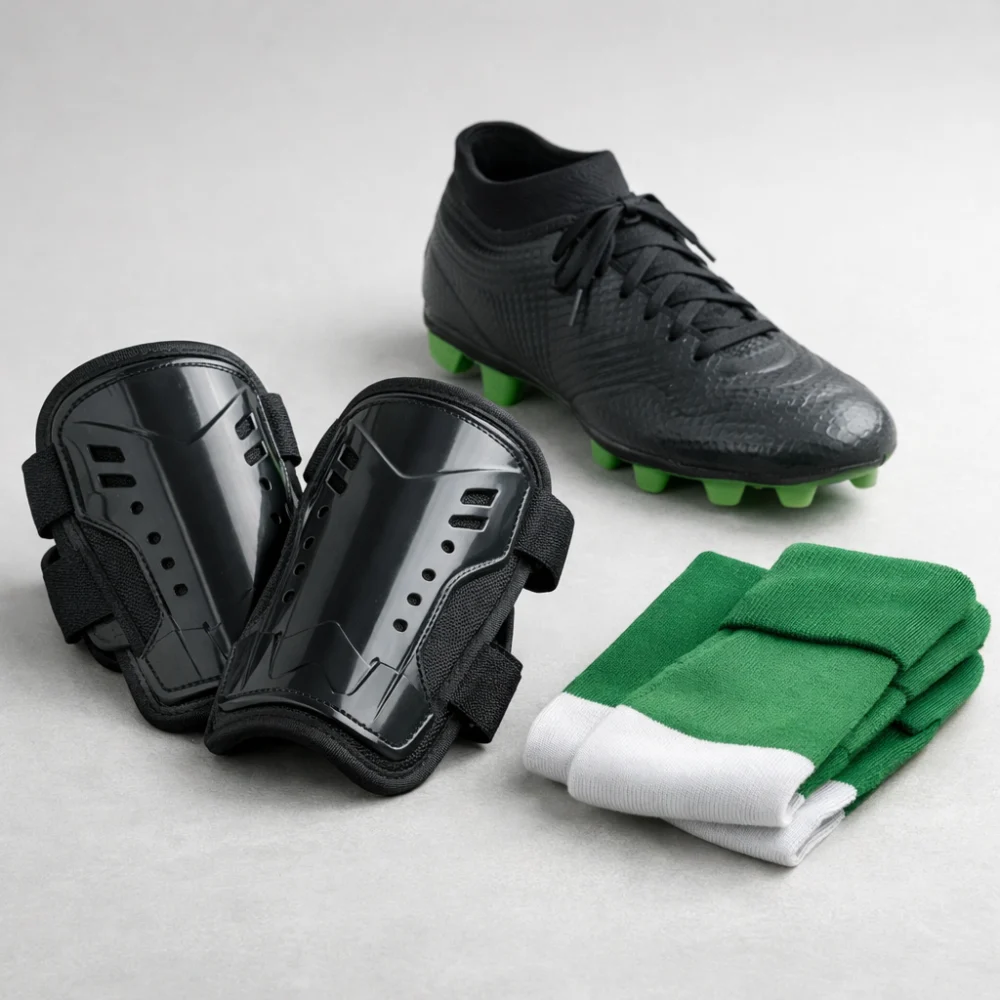
Football shin pads are a simple piece of kit, but the right choice depends on how you play and what feels comfortable in your socks and boots. Some buyers want a low-profile pad that is easy to wear for training and casual games, while others prefer more coverage and a more secure fit.
This guide focuses on the buying decisions that matter most: size, shape, fastening style and how the pad sits against the leg. It is designed to help you compare options without overcomplicating a straightforward purchase.
What should you look for in football shin pads?
The best starting point is fit. A shin pad should sit comfortably over the shin, stay in place during movement and not feel distracting when you run, turn or strike the ball. After fit, look at the level of coverage you want and how the pad is held in place, because those two factors often affect comfort more than anything else.
The main trade-off is usually between protection and simplicity. Larger pads may give more coverage, but they can feel bulkier. Smaller or lighter designs can be easier to wear, but may offer less surface coverage. Specifications vary by model, so always check the individual product page before buying.
| Feature | What it means | Why it matters | What to check |
|---|---|---|---|
| Size | The overall pad size and how much of the shin it covers | Affects comfort, coverage and whether the pad feels bulky | Product size guidance, age or leg-size guidance if shown, and how it is meant to sit on the leg |
| Shape | The contour and profile of the pad | Influences how well it follows the leg and how noticeable it feels | Whether the shape is described as slim, contoured or full coverage |
| Retention method | How the pad stays in place | Affects convenience and how secure it feels during play | Whether it uses sleeves, straps or another fastening approach |
| Coverage level | How much of the shin and surrounding area is protected | Helps match the pad to your comfort and protection preferences | Pad dimensions, coverage description and whether ankle coverage is included |
| Comfort features | Any design details meant to improve wearability | Can reduce rubbing and make the pad easier to forget about in use | Padding feel, sleeve style and whether the product is intended for long sessions or light use |
Key decision criteria
Fit and sizing
Fit is the most important factor because a shin pad that shifts around can be annoying, while one that is too large can feel restrictive. Look for guidance on size ranges and how the pad is intended to be worn with socks or sleeves. If the product page gives age, height or leg-length guidance, use that as a starting point rather than assuming all pads fit the same way.
Coverage and protection preference
Different buyers value different levels of coverage. A player who wants a discreet feel may prefer a smaller pad, while someone who wants more wraparound coverage may choose a larger design. The key is to balance the amount of coverage with how natural the pad feels when you move.
Retention and comfort
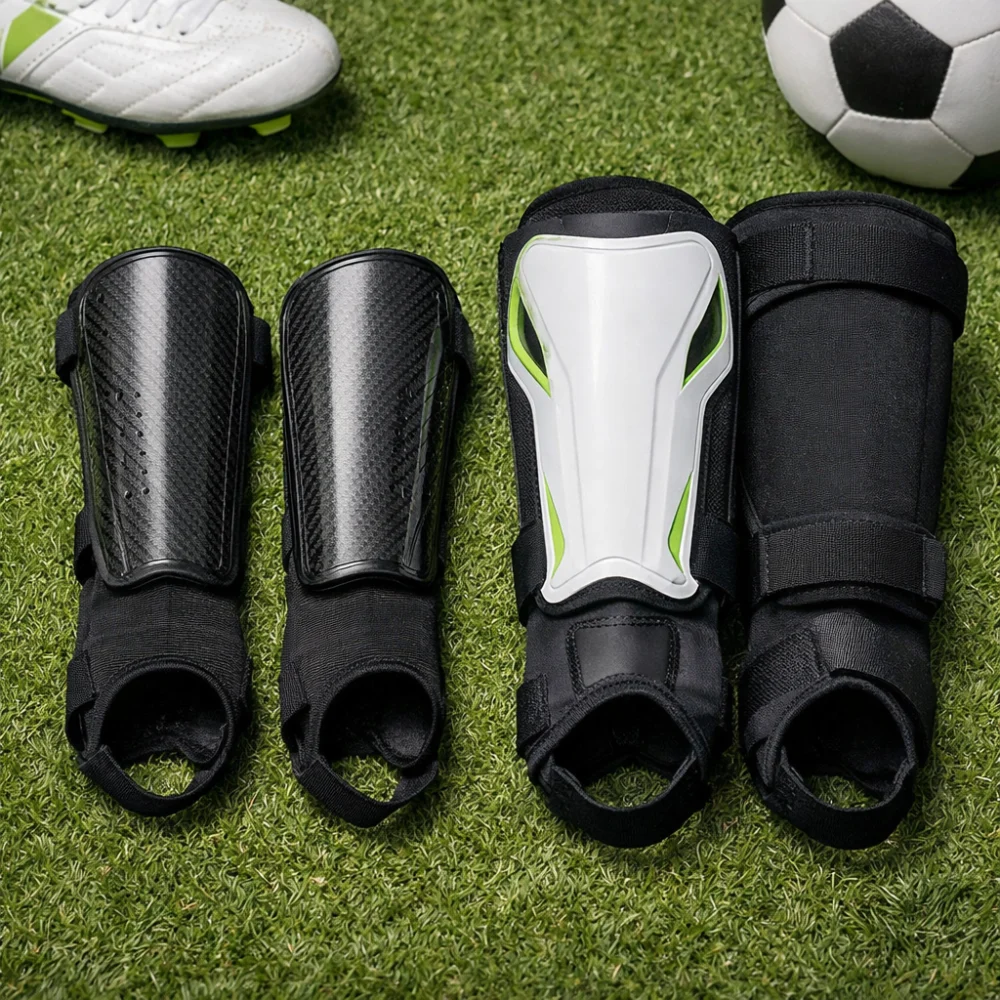
Some shin pads are kept in place with sleeves, while others use straps or a more traditional insert-and-hold approach. Sleeves can feel neat and convenient, while straps may offer more adjustability. Think about which option is easiest for the person wearing them, especially for younger players or anyone who dislikes kit that moves during play.
Boot and sock compatibility
Shin pads need to fit comfortably with your football socks and boots. A pad that is fine on its own may still feel awkward once worn as part of a full kit. If you already know you prefer a slimmer pad, that can make it easier to keep the fit tidy inside your socks.
Types and variants
Within football shin pads, the main differences are usually about shape, size and how they are worn.
- Compact or low-profile pads: Suited to players who want a lighter feel and less bulk.
- Larger coverage pads: Better for buyers who want more surface coverage and do not mind extra volume.
- Sleeve-style pads: Useful if you want a more integrated fit and quicker setup.
- Strap or traditional pads: Helpful if adjustability matters more than a streamlined feel.
There is no single right type for every player. The most suitable version depends on how much coverage you want and whether comfort, convenience or adjustability matters most.
Which shin pads suit different buyers?
| Buyer need | What to prioritise | Why |
|---|---|---|
| Beginner or casual player | Simple fit, comfortable shape, easy retention | Makes the pads easy to wear without adding fuss |
| Player who dislikes bulky kit | Slim profile and lower-weight feel | Helps the pads feel less noticeable during movement |
| Buyer wanting more coverage | Larger pad area and secure placement | Supports a more covered feel, though often with more bulk |
| Gift buyer | Clear size guidance and a forgiving fit style | Reduces the chance of choosing something awkward to wear |
| Younger player | Comfort, secure hold and straightforward fitting | Helps the pad stay in place and feel comfortable during play |
Common mistakes and misunderstandings
- Choosing by appearance alone: A pad may look right but still feel too bulky or too small once worn.
- Ignoring the fastening style: A comfortable pad can still be frustrating if it slips or feels fiddly to put on.
- Assuming one size suits everyone: Fit varies by model, so it is worth checking the product information carefully.
- Overlooking how it fits with socks and boots: The full kit matters, not just the pad on its own.
Safety and suitability
Shin pads are bought for football use, but they should still feel comfortable enough for the player to move naturally. Check whether the pad size and wear style suit the intended user, especially if you are buying for a child or replacing an older pair. If a product page gives any fit guidance, treat that as more useful than a general assumption based on the title alone.
Maintenance, storage and lifespan considerations
Shin pads are usually straightforward to look after, but keeping them clean and dry helps them stay pleasant to wear. If the design includes a sleeve or fabric component, that part may need a little more care than a hard shell alone. Store them somewhere dry so they are ready to use and do not pick up unnecessary odours or wear from being left in a kit bag.
How to compare options efficiently
- Decide who the pads are for and how they will be used.
- Choose the type of fit you prefer: slim, more covered, sleeve-style or strap-style.
- Compare size guidance and coverage details on the product page.
- Check how the pad is meant to stay in place and whether that suits the wearer.
- Look for any notes about comfort, ankle coverage or fit with socks and boots.
Summary buyer decision checklist
- Have you checked the size guidance for the intended wearer?
- Does the pad shape suit the comfort level you want?
- Is the fastening or sleeve style something the wearer will actually use happily?
- Does the coverage level match the way they play?
- Will it sit comfortably with football socks and boots?
- Have you reviewed the individual product page for any model-specific details?
Frequently asked questions
How do I know what size shin pads to buy?
Start with the sizing guidance on the individual product page. If a product gives leg-size, age or fit guidance, use that as the most relevant reference rather than relying on the title alone. A good fit should feel secure without being awkward or oversized.
Are sleeve-style shin pads better than strap-style pads?
Neither is automatically better. Sleeve-style pads often feel neat and convenient, while strap-style pads can give more adjustability. The better choice depends on whether you value a streamlined feel or a more adjustable fit.
Do larger shin pads always offer better protection?
Larger pads usually provide more coverage, but that does not mean they are the right choice for everyone. More coverage can also mean more bulk. The most suitable option is the one that balances coverage with comfort for the wearer.
Can shin pads be worn comfortably with football socks?
Yes, but fit matters. Some pads are designed to sit more neatly under socks than others, and slimmer designs can feel easier to pair with kit. It is worth checking the product details if you want a tidy, low-bulk feel.
Should I buy shin pads for a child using the same approach as for an adult?
The basics are the same, but fit and comfort matter even more. Look for clear size guidance and a secure wearing style that the child can manage confidently. A simple, comfortable design is often easier to live with than a more complicated one.
What should I check on the product page before buying?
Check the size guidance, the type of retention, any coverage notes and whether the design is described as slim, contoured or more protective. Those details usually tell you more than the product title alone.

