
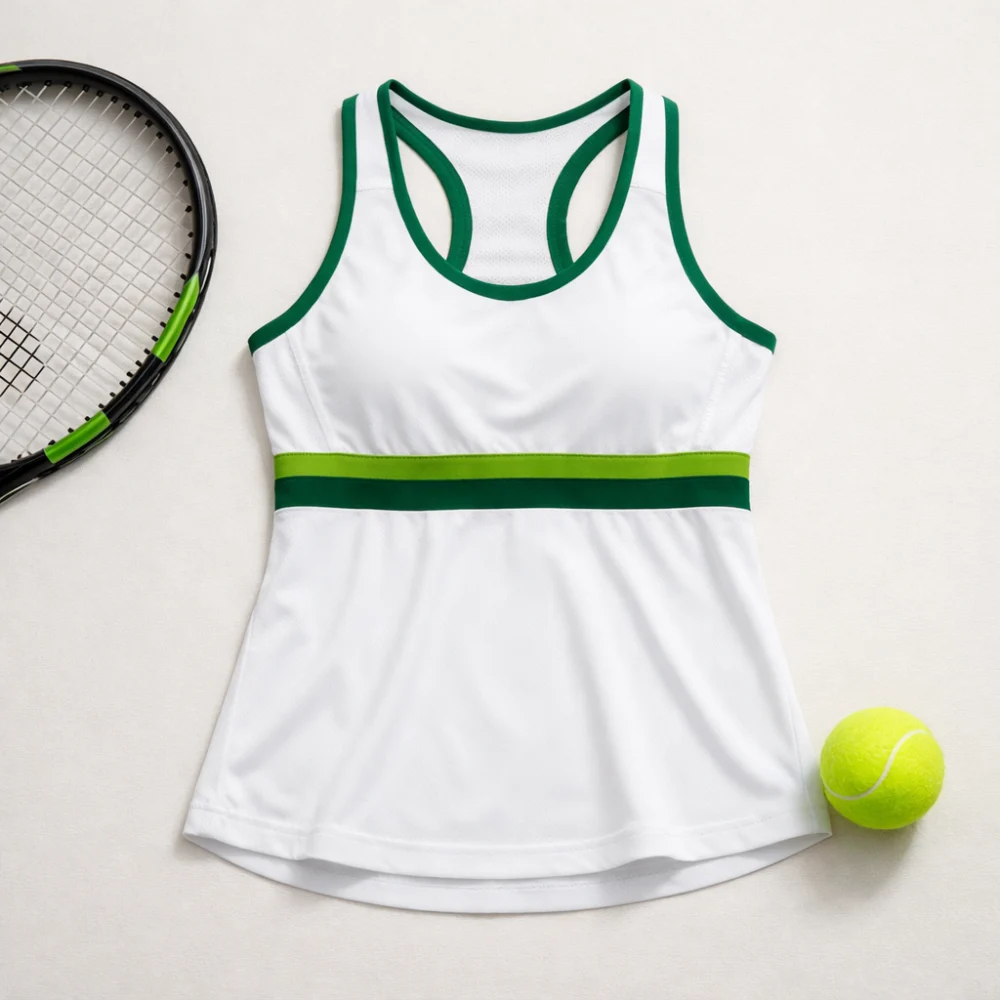
Choosing a women’s tennis top is mainly about balancing comfort, movement and match-day practicality. Some players want a light, close-fitting top for fast movement, while others prefer a looser feel or a little extra coverage.
The right choice depends on how you play, how warm you run on court and whether you want a top for matches, practice or general training. It also helps to think about how the top will layer with a skirt, shorts or a jacket between sessions.
What should you look for in a women’s tennis top?
The best starting point is to decide how much movement, coverage and breathability you want. A good tennis top should let you swing freely without feeling restrictive, while also feeling comfortable through warm rallies and longer sessions. The main trade-off is usually between a closer athletic fit, which can feel tidy and streamlined, and a looser fit, which may feel more relaxed. Specifications vary by model, so always check the individual product page before buying.
| Feature | What it means | Why it matters | What to check |
|---|---|---|---|
| Fit | How close the top sits to the body | Affects movement, comfort and how the top layers with other tennis clothing | Look for descriptions such as fitted, regular or relaxed, and consider how you like to move on court |
| Sleeve style | Sleeveless, short sleeve or long sleeve coverage | Changes shoulder freedom, warmth and overall feel | Think about your climate, court time and whether you prefer more or less arm coverage |
| Fabric feel | The way the material handles moisture, stretch and softness | Helps the top feel comfortable during repeated movement and longer matches | Check product wording for lightweight, quick-dry or stretch-focused materials |
| Neckline and opening | Design around the collar, zip or front opening | Can affect comfort, ventilation and ease of putting on | Choose the style that feels least restrictive around the neck and upper chest |
| Length and coverage | How much of the torso the top covers | Important for confidence, layering and personal preference | Check whether the cut is cropped, standard or extended in length |
| Layering use | How well the top works with jackets or other tennis clothing | Useful for warm-ups, cool-downs and changing weather | Consider whether you want something that works alone or as part of a layered outfit |
Key decision criteria explained
Fit and freedom of movement
Tennis involves reaching, rotating and repeated overhead motion, so the cut of the top matters. A top that is too tight can feel distracting, while one that is too loose may move more than you want. If you are unsure, think about whether you prefer a closer silhouette for match play or a roomier shape for training and everyday wear.
Fabric and comfort
Comfort is often the difference between a top you keep wearing and one that stays in the drawer. Many buyers look for light, breathable or quick-drying fabrics because they help the top feel better during active sessions. If you play in warmer conditions or expect longer rallies, this factor becomes more important than decorative details.
Coverage and sleeve choice
Sleeveless tops can offer a very free feel at the shoulders, while short sleeves may suit players who prefer a bit more coverage. Long-sleeve options are less common for peak heat but can be useful for cooler sessions or layered outfits. The key is to match the sleeve style to when and where you will actually wear it.
Neckline, zip and opening style
The neckline affects both comfort and how easy the top is to wear. A higher neckline may feel more secure to some buyers, while a zip or open collar can add flexibility around temperature and fit. If you find necklines irritating, check the product photos and description carefully before buying.
Common women’s tennis top styles
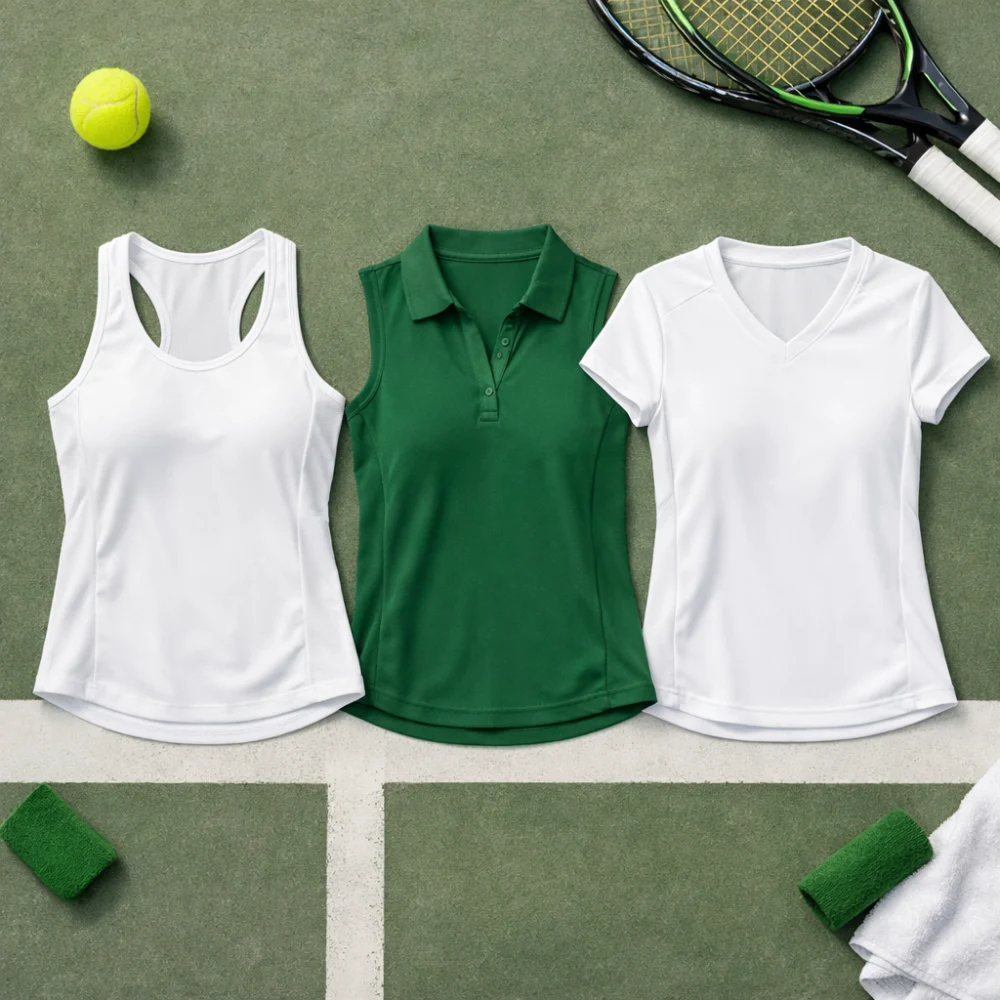
Within this category, you are most likely to see a few broad styles rather than completely different product types. Polo-style tops can feel a little more traditional and structured, while crew neck or T-shirt-style tops are simple and versatile. Sleeveless tanks and racerback styles often prioritise shoulder freedom, which many players like for active sessions, while long-sleeve sports tops suit cooler conditions or extra coverage preferences.
Each style has a trade-off. More coverage may feel slightly warmer, while a lighter or more open design may feel less structured. The best option is the one that fits your usual playing conditions rather than the one that looks most like a tournament outfit.
What matters most for different buyers?
| Buyer need | What to prioritise | Why it helps |
|---|---|---|
| Regular match player | Movement, comfort and a fit that stays comfortable through long sessions | Helps the top feel reliable during repeated play |
| Casual or beginner player | Simple fit, easy comfort and versatile styling | Makes the buying choice easier and reduces the risk of choosing something too specific |
| Warm-weather player | Lightweight feel, breathability and minimal restriction | Helps the top feel easier to wear in hot conditions |
| Cooler-weather player | More coverage and layering potential | Supports comfort before and after play |
| Buyer wanting one top for tennis and training | Versatile shape and neutral styling | Makes it easier to wear the top beyond the court |
Common mistakes and misunderstandings
- Choosing by appearance alone. A top can look right and still feel wrong if the fit or fabric is not suitable for playing.
- Ignoring sleeve and neckline comfort. Small design details can make a noticeable difference once you start serving and reaching.
- Assuming all sports tops feel the same on court. Tennis movement and layering needs can make one style work better than another.
- Overlooking climate and session length. The top that feels fine for a short practice may not feel as comfortable in a longer match or warmer weather.
Safety and suitability caveats
For tennis tops, the main concern is practical suitability rather than technical complexity. Check that the top feels comfortable for your normal range of movement and that it suits the conditions you usually play in. If you have particular preferences around coverage, neck shape or layering, those are worth checking on the individual product page before buying.
Maintenance, storage and wear considerations
Tennis tops are usually chosen for regular washing and repeated use, so easy care is often part of the decision. Consider whether you want a top that can be washed and reused often without feeling high-maintenance. If you play frequently, it can also help to have more than one top in rotation so you are not relying on a single item between sessions.
How to compare options efficiently
- Start with how you will use the top most often: match play, practice or general training.
- Decide on the level of coverage you prefer, including sleeve style and neckline.
- Compare fit and fabric feel, since these affect comfort more than small style details.
- Check whether the top is easy to layer and whether the length suits your preference.
- Read the individual product page carefully before deciding.
Summary buyer decision checklist
- Does the fit suit the way you like to move on court?
- Is the sleeve style right for your climate and comfort preference?
- Does the fabric sound suitable for active use?
- Is the neckline comfortable for you?
- Will the top work with your usual tennis outfits and layers?
- Does it suit your main use: matches, practice or casual wear?
Frequently asked questions
What is the difference between a tennis top and an ordinary sports top?
A tennis top is usually chosen with court movement in mind, so fit, comfort and layering matter more than general everyday styling. Many sports tops can work for tennis, but the best choice is the one that feels comfortable through serving, reaching and repeated movement.
Should I choose a fitted or looser tennis top?
That depends on your preference and how you like clothing to feel while you play. Fitted tops can feel streamlined and tidy, while looser tops may feel more relaxed. Neither is automatically better; the key is whether the cut stays comfortable during play.
Is sleeveless or short sleeve better for tennis?
Neither is universally better. Sleeveless tops can give more shoulder freedom, while short sleeves may suit players who want a little more coverage. The right answer usually depends on your comfort, the weather and how you like to dress for court sessions.
Do I need a tennis top with special fabric?
You do not need a specific fabric label, but it helps to look for words that suggest lightweight comfort or easy movement. If the product page mentions breathability, stretch or quick-dry qualities, that may be useful for active play. Always check the individual listing because features vary by model.
Can I use the same top for tennis and gym workouts?
Yes, if the fit and feel suit both activities. A simple, comfortable sports top can be versatile, but some tennis-specific cuts may feel better for court movement than for other training styles. Choosing a more neutral design can make one top easier to use across different activities.
What should I check if I am buying as a gift?
Focus on the recipient’s usual size, preferred fit and whether they tend to wear sleeveless, short sleeve or longer styles. If you are unsure, a versatile design is often easier to choose than something very specific. It also helps to think about the climate they usually play in.

