
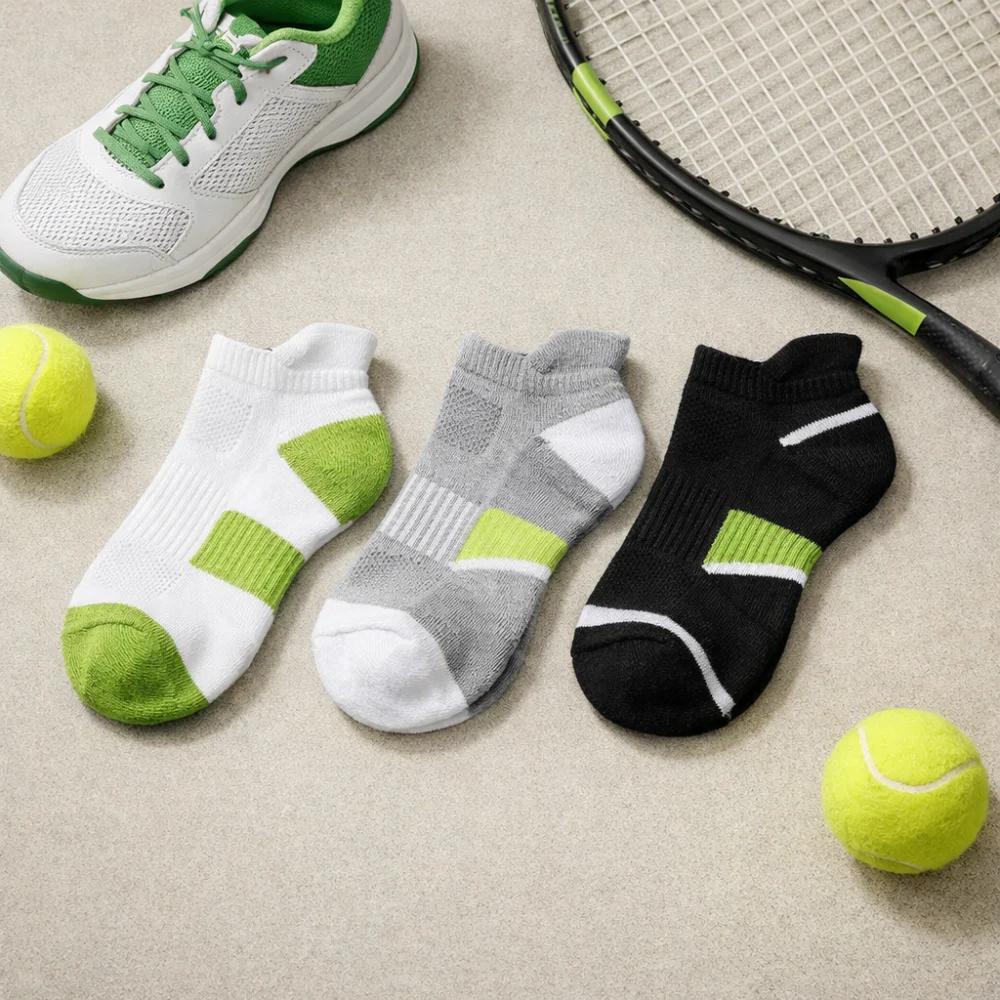
Choosing tennis socks is mostly about comfort, fit and how well they suit the way you play. The right pair can help reduce slipping inside the shoe, manage moisture more effectively and feel more secure during longer rallies or practice sessions.
For women’s tennis socks, the main decision is usually not about appearance but about length, cushioning, fabric feel and how snugly the sock stays in place. If you are replacing worn-out sports socks, buying for regular club play or looking for a more comfortable option than everyday socks, it helps to compare the features that affect feel most.
Specifications vary by model, so always check the individual product page before buying.
What should you look for in women’s tennis socks?
Start with fit, then think about the level of cushioning and the sock length you prefer. The best starting point is the pair that feels secure in your usual tennis shoes without bunching, slipping or feeling too tight around the ankle or calf. From there, compare fabric blend, thickness and any comfort-focused features such as reinforced areas or added stretch.
The main trade-off is usually between a softer, more cushioned feel and a lighter, slimmer feel. Heavier cushioning can feel more comfortable for some players, but it may also feel warmer or bulkier. Lighter socks can feel less intrusive, but they may not offer the same underfoot comfort on longer sessions.
| Feature | What it means | Why it matters | What to check |
|---|---|---|---|
| Fit | How closely the sock follows your foot and ankle shape | A poor fit can bunch, slide or feel distracting in play | Look for the size range and whether the sock is described as snug, stretchy or supportive |
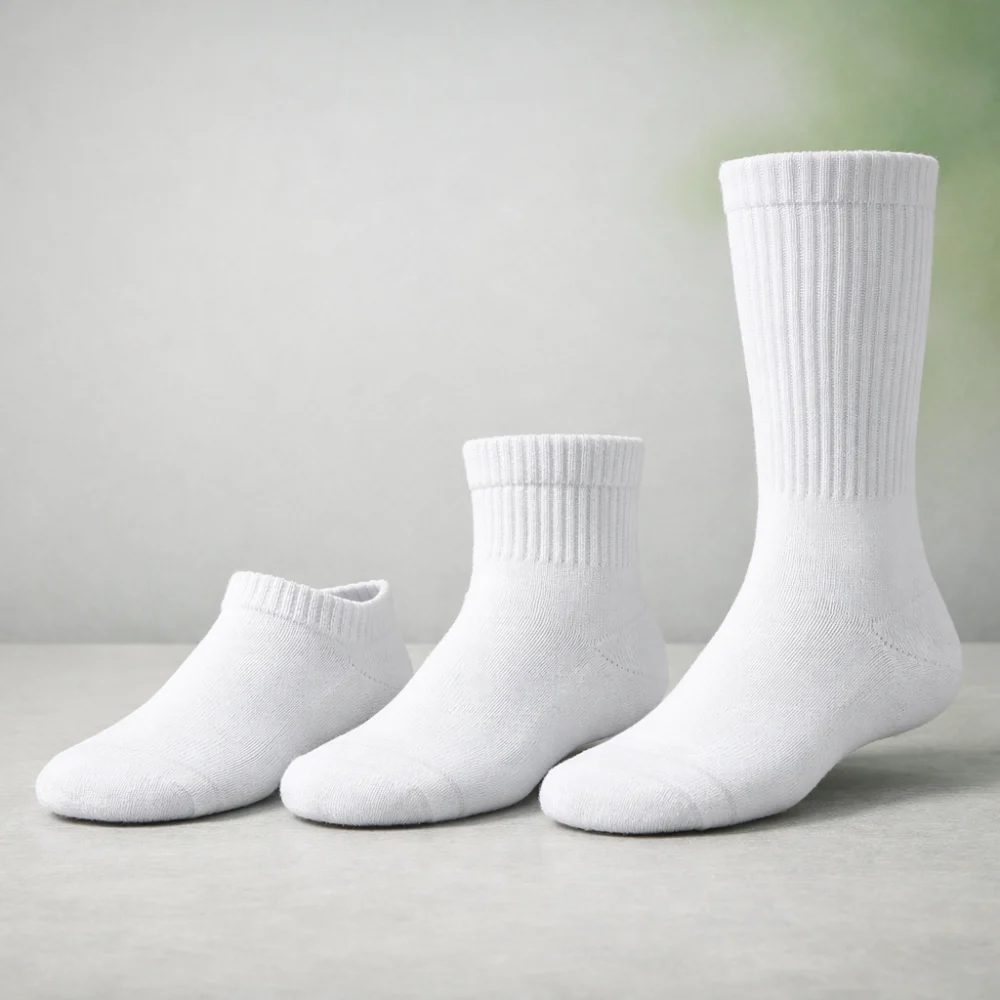
| Length | Ankle, trainer, quarter or crew height | Length affects coverage, feel and how much of the leg is protected by the sock | Choose a height that matches your comfort preference and shoe style |
| Cushioning | How much padding is built into the sock | More cushioning can feel softer; less cushioning can feel lighter | Check whether the sock is described as cushioned, lightly cushioned or low-profile |
| Fabric feel | The blend and texture of the material against the skin | Different fabrics can feel cooler, softer or more structured | Review the material description on the product page |
| Support features | Details such as arch support or reinforced zones | These can improve hold or durability for some players | Only rely on features that are clearly stated for that exact model |
Key decision criteria explained
Fit and hold
A tennis sock should stay in place when you move quickly, stop suddenly and change direction. If the sock feels loose, it may bunch under the foot or slide at the heel; if it feels too tight, it may become uncomfortable over a full session. Look for clear sizing information and consider how the sock is meant to fit rather than choosing only by appearance.
Cushioning and thickness
Cushioning changes the feel more than many buyers expect. A thicker sock may be preferred by players who want a softer step or a bit more comfort inside stiffer shoes. A thinner sock may suit someone who likes a closer feel and less bulk. Neither is automatically better, so it helps to match the sock to your shoes and how long you usually play.
Length and coverage
Women’s tennis socks may sit below the ankle, around the ankle or higher up the leg. Shorter socks can feel lighter and less noticeable, while longer socks can offer more coverage and may stay positioned more predictably for some players. The right choice often depends on personal comfort, shoe collar height and whether you prefer a more minimal or more traditional sports-sock look.
Material and breathability
The material mix affects comfort, warmth and how the sock feels during repeated movement. Some buyers prioritise a softer feel, while others prefer a more technical sports feel. If you play indoors, outdoors or in warmer conditions, breathability may matter as much as cushioning. Check the material description carefully rather than assuming all sports socks behave the same way.
Durability details
Reinforced heels, toes or other stress areas can be useful if you play often or put socks through a lot of wear. These details are not always visible from the product name, so read the product information before buying. If you want socks for frequent training, durability can matter as much as softness.
Common styles and variants
Within this category, the most useful distinctions are usually length and cushioning rather than dramatic style differences. Ankle and trainer-length socks tend to feel more discreet, while quarter and crew styles give more coverage. Some pairs are designed to feel more cushioned and comfort-focused, while others aim for a slimmer, lighter feel.
You may also see multipacks, which are often chosen for convenience when you want enough pairs for regular play and washing. Multipacks can be practical, but it is still worth checking that the fit and feel suit you before assuming every pair in the pack will feel the same.
Which socks suit different buyers?
| Buyer need | What to prioritise | Why |
|---|---|---|
| Frequent club player | Secure fit, durable construction, comfort over longer sessions | Regular use makes hold and wear resistance more important |
| Casual or occasional player | Comfortable feel, simple sizing, easy replacement | Comfort and value often matter more than specialist features |
| Buyer replacing everyday socks | Better sport-specific fit and less slipping | Tennis movement is more demanding than casual walking |
| Player who prefers a lighter feel | Lower-profile cushioning and slimmer construction | Reduces bulk inside the shoe |
| Player who wants more underfoot comfort | Extra cushioning and a secure, stable fit | Can feel softer during longer sessions |
Common mistakes to avoid
- Choosing by colour alone: the most important differences are fit, thickness and length, not appearance.
- Assuming all sports socks feel the same: tennis socks can vary a lot in cushioning and hold.
- Ignoring shoe fit: a sock that is too bulky or too thin can change how your tennis shoes feel.
- Overlooking the size range: if the sock is too loose or too tight, comfort drops quickly.
- Buying a multipack without checking details: convenience is useful, but the listed construction still matters.
Safety and suitability caveats
These are comfort and performance accessories rather than protective equipment. If you have specific foot sensitivity, circulation concerns or skin irritation issues, check the materials and fit carefully before buying. For most shoppers, the key question is simply whether the sock works well with your shoes, your usual match length and your comfort preferences.
Care, storage and how long they tend to last
Tennis socks usually get the most wear at the heel, toe and sole, so regular washing and sensible rotation between pairs can help them last longer. Follow the care information on the individual product page or label where available, especially if the sock uses a more delicate fabric mix. Storing them clean and dry is usually enough for everyday ownership.
How to compare options efficiently
- Decide whether you want a lighter feel or more cushioning.
- Choose the sock length that suits your shoes and comfort preference.
- Check the fit information and size range carefully.
- Read the material and construction details for clues about breathability and durability.
- Compare the individual product pages before deciding.
Buyer checklist
- Does the sock length suit your shoes and preference?
- Is the fit likely to stay secure without feeling tight?
- Do you want more cushioning or a slimmer feel?
- Are the material and construction details suitable for regular tennis use?
- Does the product page give enough sizing information for a confident choice?
Frequently asked questions
Are tennis socks different from ordinary ankle socks?
Often, yes. Tennis socks are usually chosen for a more secure fit, better comfort during repeated movement and a construction that feels more suitable for sport. Ordinary socks may work in a pinch, but they are not always designed with the same level of hold or cushioning.
How much cushioning should I choose?
It depends on what feels best inside your shoes. More cushioning can feel softer, while less cushioning can feel lighter and more direct. If you are unsure, start with a middle ground rather than the thickest or thinnest option.
Is a higher sock better for tennis?
Not necessarily. Higher socks provide more coverage, but some players prefer the lighter feel of shorter styles. The better choice is the one that matches your comfort and how you like your tennis footwear to feel.
Should I buy singles or multipacks?
Multipacks can be convenient if you play often or want a simple replacement set. Singles may suit buyers who want to try one style before committing to more pairs. The right choice depends on how sure you are about the fit and feel.
What matters most if I am replacing worn-out socks?
Focus on fit, cushioning and any signs of reinforced wear areas. If your old socks failed because they slipped, bunched or wore thin quickly, try to find a pair with a better size match and more suitable construction.
Can I use these for other sports too?
Often you can, but the feel may not be ideal for every activity. Tennis socks are intended for movement, stability and comfort in court shoes, so they may still work for general training or casual wear if the fit suits you.

