
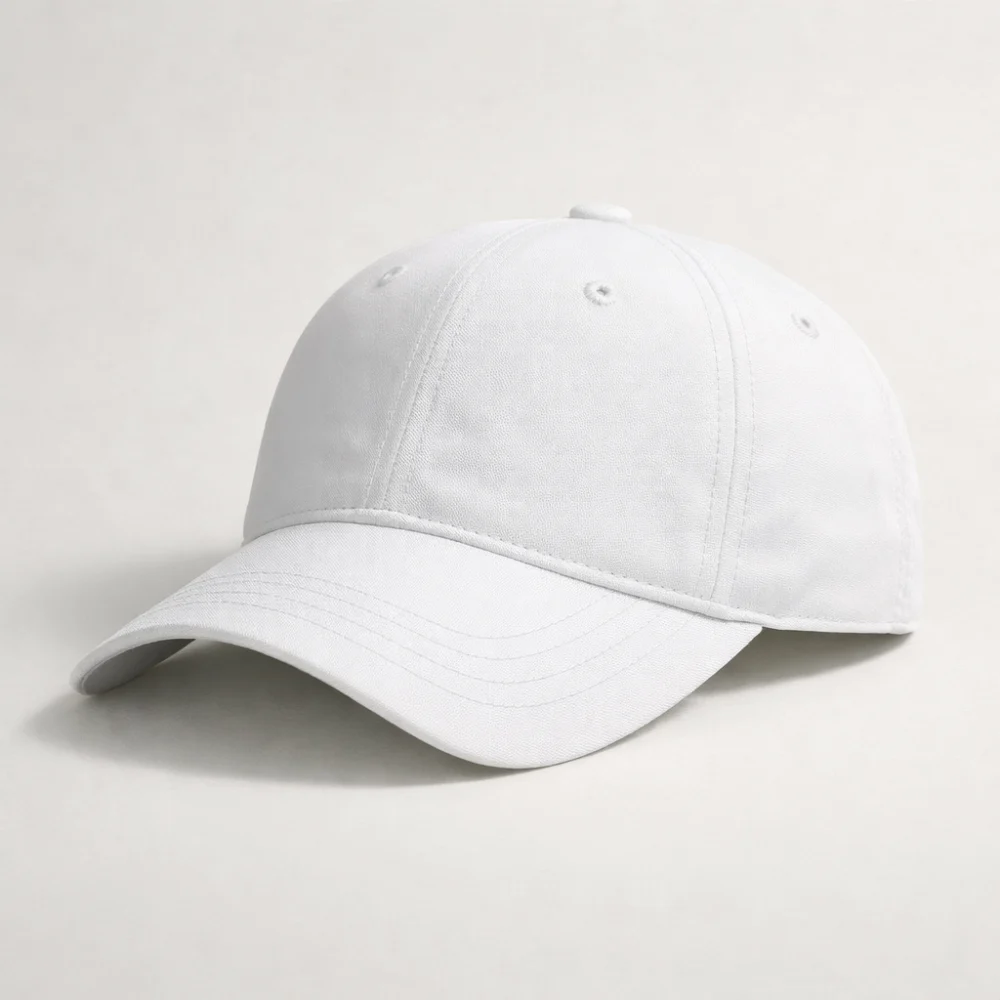
Tennis caps are a practical part of on-court clothing for many players. They can help with sun coverage, manage glare and add a little extra comfort during long rallies or warm-weather sessions.
Because cap designs vary, the right choice is usually about fit, fabric, brim shape and how well it feels when you move. A cap that works for one player may feel too warm, too loose or too shallow for another, so it is worth comparing the details carefully.
Specifications vary by model, so always check the individual product page before buying.
What should I look for in a tennis cap?
The best starting point is a cap that feels comfortable in motion, sits securely and gives the amount of shade you want. After that, compare fabric, adjustability and the shape of the brim, because those features affect comfort more than appearance alone. If you play in hot or bright conditions, comfort and coverage tend to matter more than a decorative finish.
| Feature | What it means | Why it matters | What to check |
|---|---|---|---|
| Fit | How the cap sits on your head and stays in place | Comfort and stability are important when you are serving, turning or moving quickly | Look for the stated size system and whether the cap is adjustable or one size |
| Fabric | The material used for the body of the cap | It affects comfort, breathability and how warm the cap feels during play | Check the material description and any mention of lightweight or moisture-managing construction |
| Brim shape | The profile and curve of the peak | It influences shade and how much glare is blocked | Consider whether the brim suits your preferred field of view and sun coverage |
| Adjustment | How the cap is tightened or loosened | A good adjustment helps you fine-tune comfort and reduce movement | Check for the adjustment style and whether it suits your head shape and hair style |
| Breathability | How much air can pass through the cap | Better airflow can feel more comfortable in warmer conditions | Look for ventilation details if you tend to overheat easily |
Key decision criteria explained
Fit and stability
A tennis cap should feel secure without pinching or creating pressure points. If it shifts when you look up for a lob or bend down for a low ball, it may be distracting during play. A closer fit can feel more controlled, while a looser style may be easier to wear casually but less stable on court.
Fabric and comfort
The fabric influences how the cap feels during exercise. Some buyers prefer lighter-feeling materials for summer use, while others want a softer, more structured feel. If you tend to play for long sessions, comfort matters as much as looks because a cap that feels fine for five minutes may feel less comfortable over an hour.
Sun coverage and brim shape
A cap can help reduce direct light in your eyes, but the amount of shade depends on the peak shape and how you wear it. A deeper brim may help with glare, while a smaller profile may feel less obtrusive. Think about where and when you play, since the same cap may suit early evening sessions better than bright midday sun.
Adjustability
Adjustability is useful if you want a more exact fit or if several people may use the same cap occasionally. Some buyers prefer simple adjusters because they are easy to fine-tune, while others value a cleaner feel with fewer moving parts. Check that the adjustment style is something you will be happy to use repeatedly.
Product types and variants
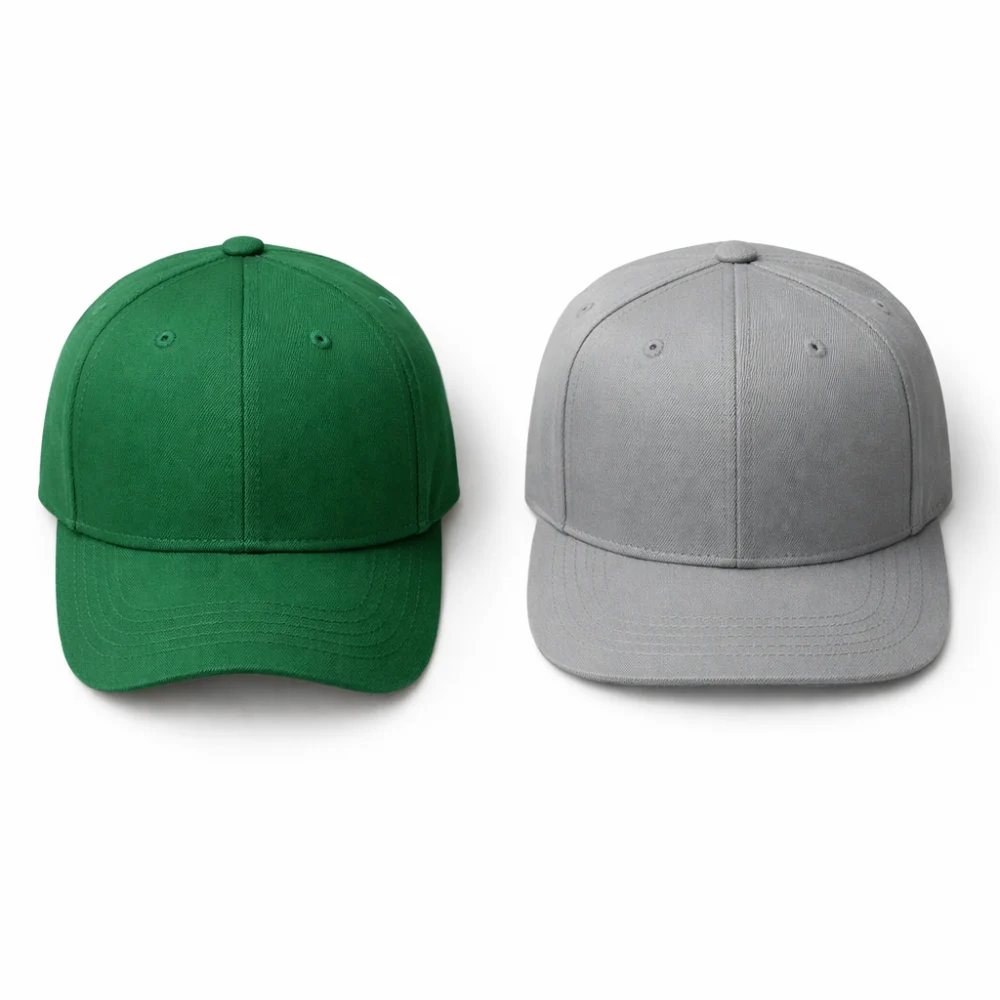
Within tennis caps, the main differences are usually in fit, profile and how open or structured the cap feels. Some caps are more sport-focused, with a secure fit and a straightforward design, while others lean toward a more casual everyday look. There are also visors in the wider tennis accessory space, but they serve a different purpose and are not the same as a full cap.
If you want the simplest choice, start with a general-purpose tennis cap that balances comfort and coverage. If you want a more precise feel, focus on the details of fit, adjustment and crown shape rather than the colour or branding.
Which tennis cap suits different needs?
| Buyer need | What to prioritise | Why |
|---|---|---|
| Hot-weather play | Lightweight feel and better airflow | These features can make a cap easier to wear for longer sessions |
| More secure feel | Closer fit and reliable adjustment | Helps the cap stay in place during movement and serves |
| General all-round use | Balanced comfort and straightforward design | A simple, adaptable cap is often easier to live with |
| Strong glare conditions | Brim shape and coverage | Shade preference can be as important as fabric choice |
Common mistakes to avoid
- Choosing by looks alone. A cap can look right but still feel too warm, too shallow or too loose when you play.
- Ignoring fit details. One-size styles can work well, but only if the head shape and adjustment method suit you.
- Overlooking the brim. Coverage is personal, so it is worth considering how much shade you actually want on court.
- Assuming all sports caps feel the same. Small differences in structure and closure can change comfort significantly.
Safety and suitability caveats
A tennis cap is mainly a comfort and sun-management purchase, not a piece of protective equipment. It can help with glare and shade, but it does not remove the need for sensible sun care or suitable clothing in strong conditions. If you are buying for a junior player or for use in very bright weather, it is especially worth checking fit and overall comfort on the individual product page.
Maintenance and lifespan considerations
Most tennis caps are simple to look after, but care details still matter. Check whether the cap needs gentle washing, whether the fabric may lose shape if treated roughly and whether the adjustment hardware is likely to be comfortable after repeated use. If you expect to wear a cap often, a design that is easy to clean and store flat or neatly packed may be more practical.
How to compare options efficiently
- Start with your main use: casual play, regular training or hotter-weather sessions.
- Check fit first, because comfort and stability affect everything else.
- Compare fabric and breathability if you expect long or warm sessions.
- Look at brim shape and coverage for the level of shade you want.
- Confirm the adjustment style and any care notes before you decide.
Summary buyer decision checklist
- Does the cap feel secure enough for movement?
- Is the fit likely to suit your head shape and preferred wearing style?
- Will the fabric feel comfortable in the conditions you play in most often?
- Does the brim give the amount of shade you want?
- Is the adjustment method simple enough for regular use?
- Have you checked the product page for any model-specific details?
Frequently asked questions
What makes a tennis cap different from an everyday cap?
A tennis cap is usually chosen with movement, comfort and on-court use in mind. That often means buyers care more about fit, stability and airflow than about fashion alone. The difference is not always dramatic, but the intended use can influence the design priorities.
Do I need an adjustable cap for tennis?
Not always, but adjustability can make it easier to get a secure and comfortable fit. If you are between sizes or want a cap that several people can wear, it is especially useful. A fixed-size cap can still work well if the sizing suits you properly.
Is a lighter cap always better?
Not necessarily. A lighter cap can feel cooler, but some players prefer a slightly more structured feel if it sits better during movement. The best choice depends on how you value airflow, shape and overall comfort.
Can I wear the same cap for tennis and everyday use?
Yes, many buyers do. The main question is whether the cap feels comfortable enough during exercise and whether the style also works away from court. If you want one item for both uses, a balanced, straightforward design is often the easiest option.
How important is brim shape?
Quite important, because it affects shade and how the cap feels in your line of sight. Some players prefer a more pronounced peak for sun management, while others want a subtler profile. It is a personal choice that can change how usable the cap feels in bright conditions.
What should I check if I am buying as a gift?
Focus on adjustability, general fit and a style that is easy to match with existing sportswear. If you do not know the recipient’s exact size, a flexible fit is often the safest place to start. Specifications vary by model, so always check the individual product page before buying.

