
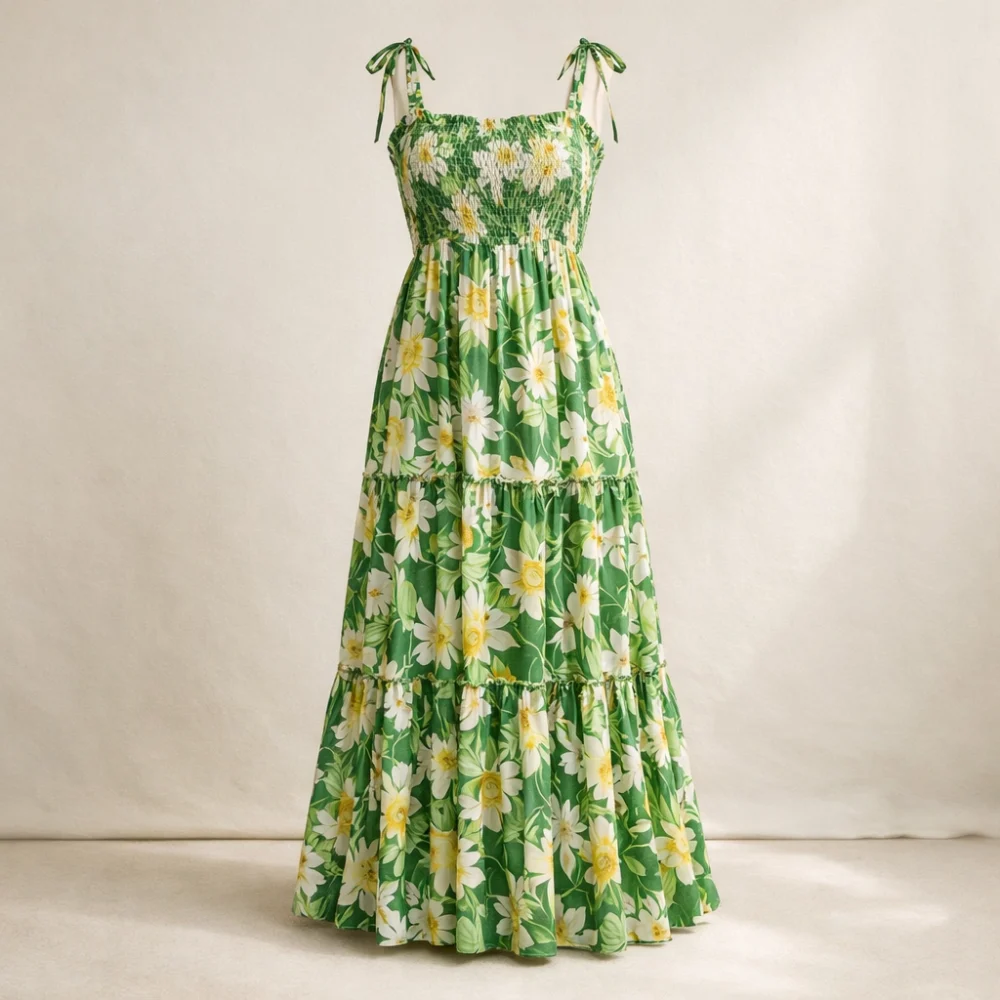
Maxi dresses can be an easy summer choice when you want a longer silhouette, relaxed coverage and something that works for both casual wear and dressed-up occasions. The tricky part is that “maxi dress” describes the length, not a single style, so the details can vary a lot from one product to another.
This guide helps you narrow down the practical choices: fit, fabric feel, neckline, sleeve style and how formal or casual the dress looks. It is designed to make comparison simpler before you open individual product pages.
Because the category is broad, it is worth thinking first about where you will wear the dress and how much movement, coverage and structure you want. Specifications vary by model, so always check the individual product page before buying.
What should I look for when buying a maxi dress?
Start with the overall shape and feel of the dress rather than decorative details. The best choice is usually the one that matches your intended use, whether that is everyday wear, holiday packing, an event or a more polished outfit. After that, compare neckline, sleeve length, waist shaping and fabric weight, because those features have the biggest effect on comfort and appearance.
For many buyers, the main trade-off is between ease and structure. A looser dress can be more relaxed and forgiving, while a more defined style may feel neater or more occasion-ready. The right option depends on how you plan to wear it and how much styling you want to do.
| Feature | What it means | Why it matters | What to check |
|---|---|---|---|
| Length | How far the dress falls towards the ankles | Affects movement, coverage and how the dress looks when walking or sitting | Look for size guidance, model images and any notes about fit if available |
| Shape | The overall silhouette, such as fitted, relaxed or flared | Changes comfort, drape and how formal the dress feels | Check whether the dress is described as A-line, fitted, empire waist or similar |
| Neckline | The cut around the neck and chest area | Influences modesty, layering and the overall style | Compare V-neck, crew neck, square neck and other neckline descriptions |
| Sleeves | Sleeve length and coverage | Can affect comfort in warmer weather and how dressy the outfit feels | Check whether it is sleeveless, short sleeve, long sleeve or off-shoulder |
| Fabric feel | The general drape, weight and texture of the material | Impacts breathability, movement and comfort over a long day | Read the material description and any fit notes on the product page |
| Extra details | Features such as pockets, split hems or wrap styling | Can add practicality or change the look of the dress | Decide which details you will actually use, not just notice in photos |
Which details matter most?
Fit and shape
Fit is often the most important decision because it changes both comfort and appearance. A relaxed or flowy maxi dress can feel easy to wear in warm weather, while a more shaped dress may suit occasions where you want a neater outline. If you are unsure, pay close attention to how the dress is cut at the waist and hips.
Fabric and drape
The same maxi dress style can feel very different depending on the fabric. A lighter drape can feel breezier and easier to pack, while a heavier fabric may hang more smoothly and feel less sheer. The challenge is that fabric descriptions do not always tell the full story, so look for product-page information about the material and how it is described to sit on the body.
Coverage and comfort
Many buyers choose maxi dresses for the balance of coverage and ease, but the amount of coverage still varies. Neckline depth, sleeve length and skirt movement all matter if you want to feel comfortable in different settings. Think about whether you want something you can wear all day without adjusting it often.
Occasion and styling
Some maxi dresses work best as casual daytime pieces, while others feel more suited to events, dinners or holidays. Small design details can change that impression a lot. A simple plain shape may be easier to dress up or down, while prints, ruffles or more dramatic sleeves can make the dress feel more specific to one setting.
Common maxi dress styles and what they suit
Maxi dresses do not fall into only one mould, but a few common style directions appear again and again. Understanding them makes it easier to compare options without focusing on every decorative detail.
- Relaxed or flowy maxi dresses: Often a good choice for easy daytime wear and warmer weather, although they may offer less structure.
- Waist-defined maxi dresses: Helpful if you want a clearer silhouette, but they may feel less forgiving if you prefer more ease through the midsection.
- Wrap-style or faux-wrap looks: These can be flattering and adjustable in appearance, though the fit depends on the exact construction.
- Strappy or sleeveless maxi dresses: Useful for hotter days and holidays, but they may need layering depending on where you plan to wear them.
- Short-sleeve or more covered styles: Often better for buyers who want a bit more coverage while still keeping the long dress length.
How do different buyers choose?
| Buyer need | What to prioritise | What to avoid overlooking |
|---|---|---|
| Everyday wear | Comfort, easy movement and simple styling | Whether the fabric and neckline feel practical for regular use |
| Holiday or travel | Packability, versatility and comfort in warm weather | How much wrinkling, layering or styling the dress may need |
| Occasion wear | Shape, finish and how polished the dress looks | Whether the dress feels refined enough for the setting |
| Coverage-focused buyer | Sleeve length, neckline and skirt flow | Whether the cut gives the amount of coverage you want without feeling heavy |
| Budget-conscious buyer | Clear value from the main features you will actually use | Extra decorative details that do not improve wearability |
Common mistakes to avoid
- Buying for the photo alone: A dress can look very different depending on fabric, fit and styling, so check the written description as well as the images.
- Ignoring the silhouette: Two maxi dresses can share the same length but feel completely different if one is fitted and the other is loose.
- Overlooking the neckline or sleeves: These details affect how easy the dress is to wear for your intended setting.
- Choosing decorative features you will not use: A pocket, split hem or wrap effect may sound appealing, but only matters if it suits your routine.
- Assuming all maxi dresses are equally formal: The category includes casual, beach-ready and more dressed-up styles.
Safety and suitability caveats
For a maxi dress, the main buying concerns are usually comfort, modesty, movement and whether the style suits the setting. If you need a dress for a particular event or environment, check the product details carefully rather than relying on the category name alone. If you are between sizes or prefer more coverage, the individual product page is the place to confirm the fit notes and design details.
Maintenance, storage and lifespan
Care needs can vary a lot between dresses, especially when fabrics and finishes differ. Some styles will be easier to wash, dry and store than others, so it is worth checking the care information before you buy if you want low-maintenance clothing. If you plan to wear a maxi dress often, think about whether it will need ironing, careful storage or a bit more attention after washing.
How to compare options efficiently
- Decide where you will wear the dress most often.
- Choose the silhouette that suits your comfort and styling preferences.
- Compare neckline, sleeve style and waist shaping.
- Check fabric details and any notes about drape or transparency.
- Look at the product page images and description together before deciding.
Maxi dress buying checklist
- Is the length and shape what you actually want to wear?
- Does the neckline suit your preferred level of coverage?
- Are the sleeves right for the weather and setting?
- Does the fabric sound comfortable for the time you will wear it?
- Are the extra details useful rather than just decorative?
- Have you checked the product page for fit notes and care information?
Frequently asked questions
What makes a dress a maxi dress?
A maxi dress is generally a long dress with a full-length or ankle-skimming finish. The exact length can vary by design and by wearer height, so the same dress may sit differently on different people. That is why product photos and fit notes are worth checking carefully.
Are maxi dresses only for summer?
No. They are strongly associated with warmer weather because many styles are light and easy to wear, but the category can also include dresses that suit layering or slightly cooler conditions. The fabric and sleeve style matter more than the name alone.
How do I choose between fitted and loose maxi dresses?
Choose based on comfort and the look you want. A fitted style can feel more defined and polished, while a looser dress may be easier for relaxed wear and movement. Neither is universally better; the right choice depends on where you will wear it.
Do pockets make a big difference?
They can be useful, especially for casual wear, but they are not essential for everyone. Pockets may add convenience, although they can also change the drape of the dress slightly. Treat them as a practical extra rather than the main reason to buy.
What should I check if I want a dress for an event?
Focus on the overall finish, neckline, sleeve style and how structured the dress looks. Event wear usually depends on the whole shape rather than a single feature. It also helps to check the product images closely to see whether the dress appears more casual or more refined.
Can the same maxi dress work for daytime and evening?
Often it can, especially if the design is simple enough to style up or down. Neutral or plain styles are usually easier to adapt, while stronger prints or very casual cuts may be more limited. Accessories and footwear also affect how versatile it feels.
Why do maxi dresses vary so much?
Because the category describes a length, not one construction. A maxi dress might be sleeveless, short-sleeved, wrapped, fitted, loose, plain or patterned. That variety is useful, but it means you need to compare the details rather than rely on the category name alone.

