
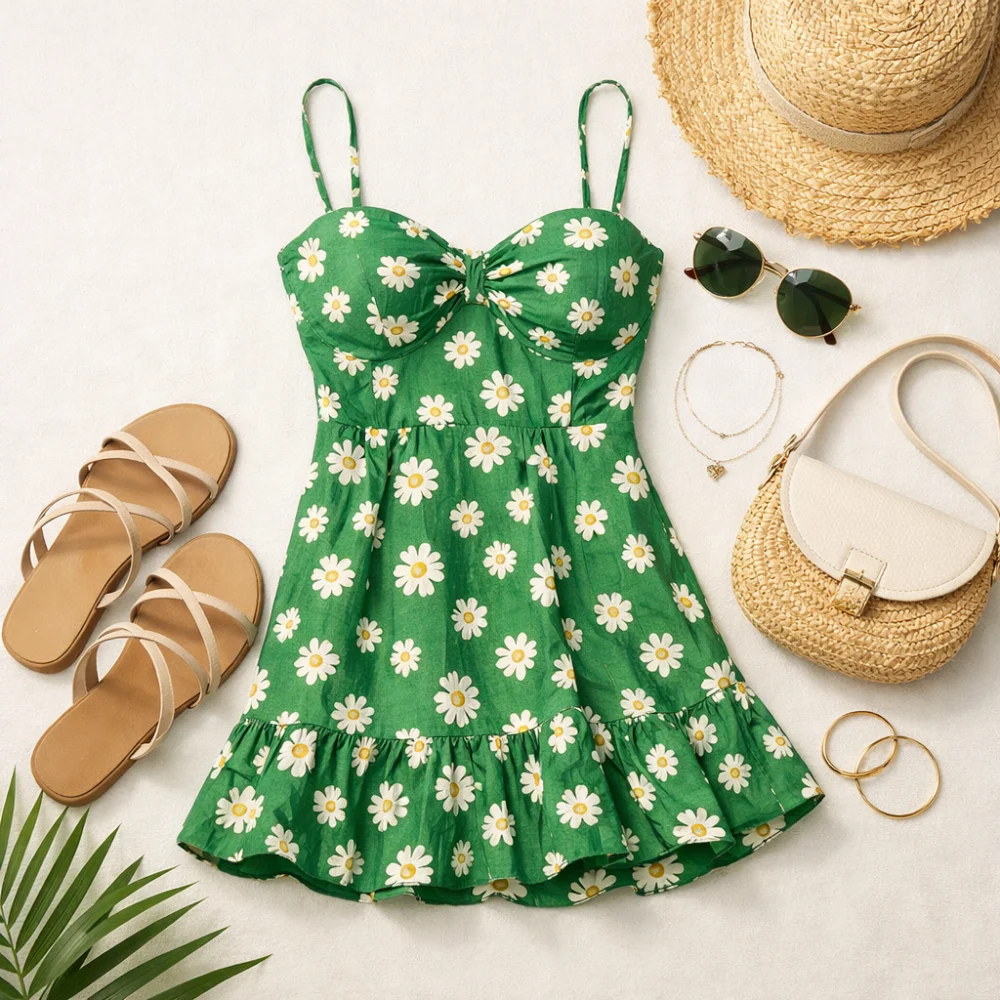
Mini dresses cover a wide range of summer styles, from relaxed casual options to more fitted or occasion-ready looks. If you are comparing them online, the main challenge is not finding a dress length alone, but deciding which shape, fabric feel and fit details will work for how you plan to wear it.
This guide keeps the focus on practical buying choices. It helps you narrow down what matters most before you compare individual product pages.
What should you look for in a mini dress?
The best starting point is to match the dress to your usual wear. A mini dress that works for holidays or warm-weather casual wear may not suit the same occasions as one chosen for evenings out or layering. Fit, neckline, sleeve style and fabric feel usually matter more than trend-led details. Specifications vary by model, so always check the individual product page before buying.
| Feature | What it means | Why it matters | What to check |
|---|---|---|---|
| Length | How short the dress sits on the body | Affects comfort, coverage and where you can comfortably wear it | Product photos, length description and whether the fit is described as short, above-knee or similar |
| Fit shape | How the dress falls through the waist, hips and hem | Changes freedom of movement and the overall look | Whether it is described as fitted, relaxed, A-line, shift or bodycon |
| Fabric feel | The general character of the material | Influences comfort, drape and how dressed up or casual it feels | Fabric description, lining information and any care notes |
| Neckline and sleeves | The upper-body design details | Can affect modesty, ease of wear and how easy it is to layer | Whether it is sleeveless, strappy, short-sleeved or long-sleeved, and the neckline shape |
| Fastening and ease | How the dress is put on and taken off | Important for convenience and fit confidence | Any mention of zip, button, wrap or pull-on styling |
| Occasion use | The setting the dress is likely to suit | Helps avoid buying something too casual or too dressy | Product imagery, description and styling notes |
Key decision criteria
Fit and silhouette
Mini dresses vary a lot in shape. A relaxed or A-line style can feel easier to move in, while a more fitted style creates a closer outline and may need more careful size checking. If you prefer comfort for all-day wear, look for room through the hips and a shape that does not rely on stretch alone.
Fabric and comfort
For warmer weather, the feel of the fabric matters as much as the look. A lighter-feeling dress may be easier for daytime wear, while a heavier or more structured fabric can hold its shape differently. Check whether the product page mentions lining, stretch or fabric blend information, as these details often change how the dress feels in use.
Neckline, straps and sleeves
These details affect both style and practicality. A sleeveless or strappy mini dress may suit hot weather and layering, while a design with sleeves can feel more versatile if you want a little extra coverage. Choose a neckline that matches how you like to wear jewellery, bras and outer layers.
Coverage and confidence
Because mini dresses sit shorter on the leg, comfort depends partly on how the garment moves when you sit, walk or bend. If you are uncertain, check the listed length, the model photos and any fit notes. A style that looks easy and relaxed on the hanger may feel quite different when worn.
Common mini dress types and variants
Within mini dresses, the main differences are usually about shape and styling rather than completely different product categories.
- Shift or relaxed mini dresses: These usually offer a looser shape and a more casual feel. They can suit buyers who want less cling, though they may look less defined at the waist.
- A-line mini dresses: These are generally narrower at the top and fuller towards the hem. They can feel balanced and easy to wear, but the exact shape varies widely.
- Fitted mini dresses: These follow the body more closely and can create a sharper silhouette. The trade-off is that they often need more careful size checking for comfort.
- Wrap-style mini dresses: These can be appealing if you want an adjustable-looking fit. The limitation is that the closure and overlap can vary a lot by design.
Which mini dress suits which buyer?
| Buyer need | What to prioritise | What to avoid or question |
|---|---|---|
| Daytime casual wear | Relaxed fit, easy fabric, simple neckline | Overly structured or highly fitted styles if comfort is the main goal |
| Holiday packing | Lightweight feel, easy styling, simple care information | Bulky details that add weight or make packing awkward |
| Evening or occasion use | More defined shape, polished finish, dressier detailing | Styles that read too casual for the event |
| Layering with jackets or cardigans | Simple neckline and a cut that sits neatly under layers | Very bulky sleeves or embellishment that interferes with layering |
| Comfort-first buying | Roomy fit, clear fabric details, easy fastening | Anything that depends on tight stretch for the fit to work |
Common mistakes and misunderstandings
- Choosing by photo alone: Styling can make a dress look looser or shorter than it is. Read the description and check any fit notes before deciding.
- Ignoring the silhouette: Two mini dresses can have very different shapes even if they are the same length. Pay attention to whether the cut is fitted, relaxed or flared.
- Overlooking fabric details: The same style can feel very different depending on the material. If comfort matters, check whether there is stretch, lining or structure.
- Assuming one size range will fit the same way across all styles: Fit depends on cut as well as size. If you are between sizes, the shape of the dress matters as much as the size label.
Safety and suitability caveats
Mini dresses are a style choice, but suitability depends on your comfort, the setting and how you plan to wear the garment. Consider whether the dress gives enough coverage for sitting, moving and your intended occasion. If you need a more modest or more practical option, compare the hem length and upper-body coverage carefully before buying.
Maintenance, storage and lifespan considerations
Care needs vary by fabric and construction. Some dresses may be easy to wash and store, while others need a little more attention to keep their shape and finish. Check the care label information on the product page, especially if you want something for frequent wear, travel or quick turnaround between uses. A garment that is simple to clean and store is often easier to live with over time.
How to compare options efficiently
- Decide where you expect to wear the dress most often.
- Choose the shape that suits your comfort and style preference.
- Check the length, neckline and sleeve style for coverage and versatility.
- Read the fabric and care information to judge comfort and upkeep.
- Compare the product photos with the description, then confirm the fit notes before you buy.
Summary buyer decision checklist
- Does the mini dress suit the occasion you have in mind?
- Is the length comfortable for how you plan to wear it?
- Does the silhouette match your preferred fit?
- Have you checked the fabric details and any lining or stretch information?
- Are the neckline and sleeves suitable for your comfort and layering needs?
- Do the product photos and description agree on the overall look?
Frequently asked questions
What makes a mini dress different from other dress lengths?
A mini dress is cut shorter than a midi or maxi dress, so the hem sits higher on the leg. That makes it a more casual or more statement-led choice for many buyers, depending on the design. The exact feel still depends on the shape, fabric and styling.
Are mini dresses suitable for everyday wear?
Yes, many mini dresses are designed for casual or everyday use. The key is choosing a cut and fabric that feel comfortable enough for your routine. A relaxed shape is often easier for day-to-day wear than a very fitted style.
How do I choose the right mini dress shape?
Start with how you like clothes to sit on your body. If you want ease, a looser or A-line style may be more forgiving; if you want a closer fit, a fitted style may suit you better. The most useful comparison is between the garment’s shape and your comfort preference, not just its size label.
What details should I check if I want more comfort?
Look at the silhouette, the fabric description and any notes about stretch or lining. Sleeves, straps and neckline also affect how easy the dress feels to wear for long periods. Comfort often comes from the combined effect of several details rather than one single feature.
Can a mini dress work for more than one occasion?
Often yes, especially if it has a simple cut and understated detailing. A versatile mini dress can move between casual daytime wear and a smarter look with different footwear or accessories. Check whether the design feels too casual or too dressy for the main use you have in mind.
Why do two mini dresses in the same size fit differently?
Because fit is affected by cut, fabric and styling as well as the size label. One dress may be relaxed and another more tailored, even if both are marked the same size. That is why product descriptions and fit notes matter so much when comparing online.

