
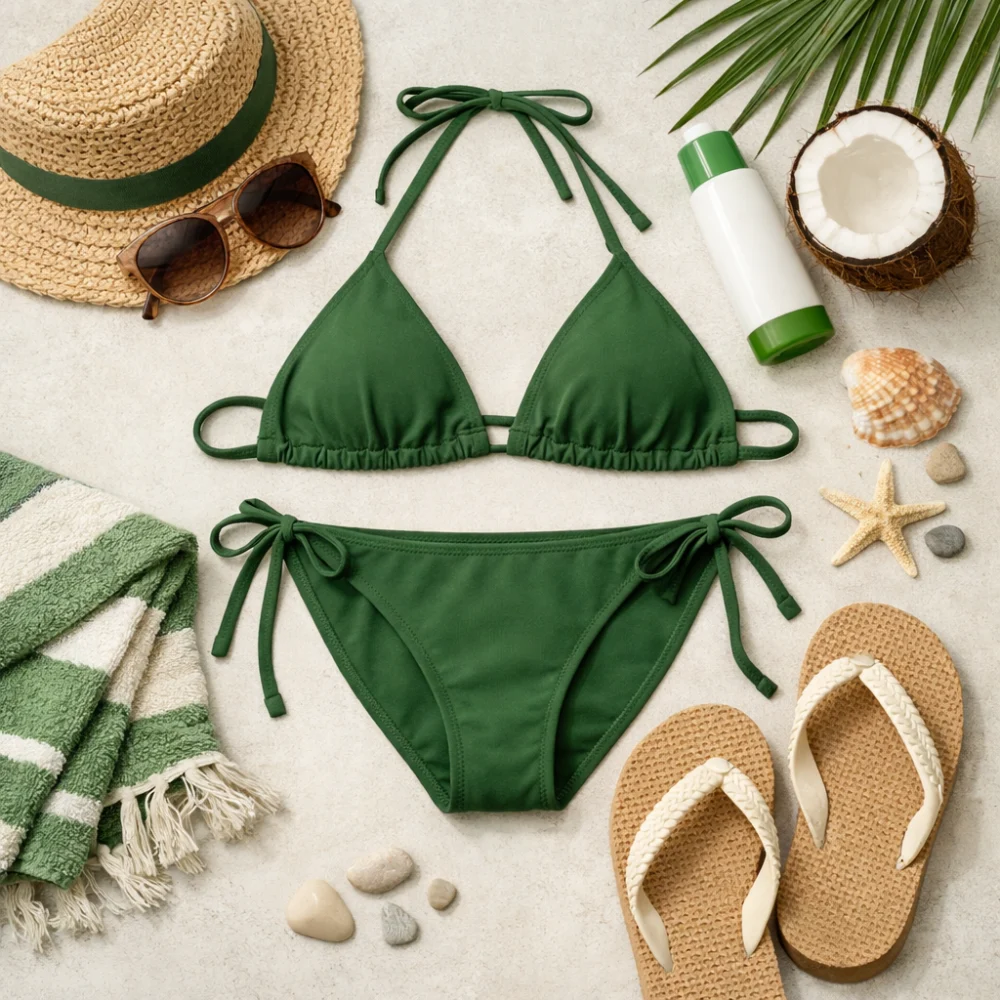
Buying a bikini is usually less about finding one universal style and more about balancing fit, coverage, support and the look you want. Some buyers want a simple swim set for holidays or pool use, while others need something that feels secure for swimming, moving around or relaxing by the water.
This guide focuses on the practical choices within women’s bikinis, so you can compare styles sensibly rather than relying on photos alone. Because bikini sets vary widely, it helps to look closely at the top shape, bottom coverage, rise, strap style and any adjustment features.
What should you look for in a women’s bikini?
The best starting point is fit and comfort, then the level of coverage and support you want. A bikini that looks right on the rail may still feel wrong if the top does not suit your shape or the bottom sits differently from what you prefer. Specifications vary by model, so always check the individual product page before buying.
In general, the most useful choice is the one that matches how you will actually wear it: swimming, sunbathing, active beach days or mixing and matching with other swimwear pieces. The main trade-off is usually between minimal coverage and ease of movement on one side, and more support or coverage on the other.
| Feature | What it means | Why it matters | What to check |
|---|---|---|---|
| Top style | The shape and construction of the bikini top | Affects support, neckline, coverage and how secure it feels | Look for the style you find comfortable and check whether it suits your preferred level of coverage |
| Straps and fastening | How the top is held in place and adjusted | Changes fit, comfort and how easy it is to personalise the fit | Check whether straps are adjustable and whether the fastening is simple to use |
| Bottom coverage | How much coverage the bikini bottoms provide | Influences comfort, confidence and how much skin is shown | Check the product description for the amount of coverage and rise |
| Rise | Where the bottoms sit on the waist or hips | Can change both comfort and the overall look | Check whether the bottoms are low, mid or high rise |
| Support level | How much structure the top provides | Important if you want a more secure feel | Look for cups, wider straps or other support features if they matter to you |
| Mix-and-match potential | Whether the set works with separate pieces | Useful if top and bottom fit differently | Check whether the bikini is sold as a set or whether separates are an option |
Key decision criteria explained
Fit and sizing
Fit matters more than almost any visual detail. Bikini tops and bottoms can fit differently even within the same size, so it is worth checking the description carefully if the set includes adjustable straps, ties or a more structured top. If you are between sizes, the construction of the garment may matter as much as the label.
Coverage and confidence
Coverage is partly a style choice and partly a comfort decision. Some buyers prefer a more minimal look, while others want more fabric at the bust or hips. Think about the situations you will wear it in, because poolside lounging, swimming laps and family beach days can call for different levels of coverage.
Support and hold
If you want a bikini that feels secure, support features are worth checking first. Wider straps, adjustable fastenings and more structured tops may feel more stable, but they can also change the look of the bikini. A lighter style may feel less restrictive, yet it may not suit every activity or preference.
Rise and silhouette
The rise of the bottoms changes both comfort and appearance. Lower-rise styles can feel lighter and more minimal, while higher-rise bottoms may feel more covered and may sit differently on the waist. The right option depends on what feels comfortable when you move, sit and swim.
Fabric and finish
At category level, it is sensible to treat fabric details as a comfort and care consideration rather than a promise of performance. Smooth finishes, textured looks and lining details can all affect feel and appearance. Check the product page for any material information that matters to you, especially if you have preferences about how a swimwear piece feels against the skin.
Types and variants you may see
Women’s bikinis are usually presented as two-piece swimwear, but the details vary widely.
- Triangle styles: often chosen for a simple, minimal look and adjustability, though support can be lighter.
- Halter-neck styles: may feel more secure for some buyers and can change the neckline shape.
- High-waisted sets: suit buyers who want more coverage around the waist and a different silhouette.
- Push-up or structured tops: may suit those who want more shaping or a firmer feel.
- Mix-and-match sets: useful when your top and bottom size needs differ.
These are style differences, not quality rankings. The most suitable variant depends on how you want the bikini to fit and where you plan to wear it.
How different buyers can narrow the choice
| Buyer need | What to prioritise | Why it helps |
|---|---|---|
| Relaxed holiday wear | Comfort, easy fit and the coverage you feel relaxed in | Makes the bikini easier to wear for longer periods |
| Swimming and active use | Secure straps, a stable top and bottoms that stay in place well | Helps the bikini feel dependable during movement |
| More coverage preference | Higher-rise bottoms and a more structured top if desired | Supports a look and feel that many buyers find more comfortable |
| Minimal tan-line focus | Smaller coverage and a simpler top shape | May suit buyers who prefer less fabric |
| Different top and bottom sizes | Adjustability or the ability to buy pieces separately | Can make fitting easier when a standard set is not balanced for your body |
Common mistakes to avoid
- Choosing by appearance alone: a bikini can look right in a photo but feel wrong in movement. Check the style details that affect fit.
- Ignoring the bottom rise: rise changes comfort and coverage as much as the cut does.
- Assuming every top supports the same way: bikini tops vary a lot in hold and shaping.
- Not checking adjustability: straps and ties can make a noticeable difference to how a bikini sits.
- Forgetting your real use case: a lounging bikini and an active swimming bikini may not be the same thing.
Safety and suitability caveats
When choosing swimwear, the main concern is suitability rather than complexity. Make sure the bikini is appropriate for the activity, the level of coverage you want and the amount of movement you expect. If you have any sensitivity to fit, straps or fastenings, check the product details carefully before ordering.
Specifications vary by model, so always check the individual product page before buying.
Maintenance, storage and lifespan
Swimwear usually benefits from gentle care and sensible storage. Rinse and dry it according to the care information supplied with the product, and avoid assuming every bikini needs the same treatment. Repeated sun, chlorine or saltwater exposure can affect how long a garment keeps its original feel and appearance, so care details matter when you are comparing options.
How to compare bikini options efficiently
- Decide where you will wear it most often: swimming, lounging or mixed use.
- Choose the level of coverage and support that feels comfortable to you.
- Check the top shape, bottom rise and any adjustability.
- Compare the trade-off between minimal styling and a more secure fit.
- Read the product page for fit notes, materials and care information before buying.
Summary buyer decision checklist
- Does the top style suit the support and coverage you want?
- Do the bottoms have the rise and coverage you prefer?
- Are the straps, ties or fastenings adjustable if you need a better fit?
- Will the bikini suit your planned use, not just the look?
- Have you checked the individual product page for the details that matter most?
Frequently asked questions
What is the main difference between bikini styles?
The main differences are usually in top shape, bottom rise, coverage and support. These details affect how the bikini looks and how comfortable it feels in use. A style that suits lounging may not be the same one you would choose for more active swimming.
Are high-waisted bikinis better?
They are not better for everyone, but they do suit many buyers who want more coverage around the waist. They also create a different silhouette from lower-rise styles. The choice comes down to comfort, confidence and the look you prefer.
How do I choose the right bikini top?
Start with how much support and coverage you want, then look at the shape and adjustability. If you want a more secure feel, details such as straps and fastening type become more important. If you prefer a lighter look, a simpler top may suit you better.
Should I focus more on the top or the bottoms?
It depends on which part is harder for you to fit. Many buyers pay most attention to the top because support and comfort can vary more there, but the bottom rise and coverage are just as important for overall comfort. A balanced set is ideal, but not every body shape fits standard sets in the same way.
Can one bikini work for both sunbathing and swimming?
Sometimes, but not always. A bikini designed for lounging may feel different from one chosen for a more secure fit in the water. If you want one piece to do both, look for a style that feels comfortable and stable rather than purely decorative.
What should I check before ordering online?
Check the top style, bottom rise, coverage, support features and any adjustability. It also helps to read the product page for care and material information. Those details usually tell you more about fit and comfort than the product photo alone.

