
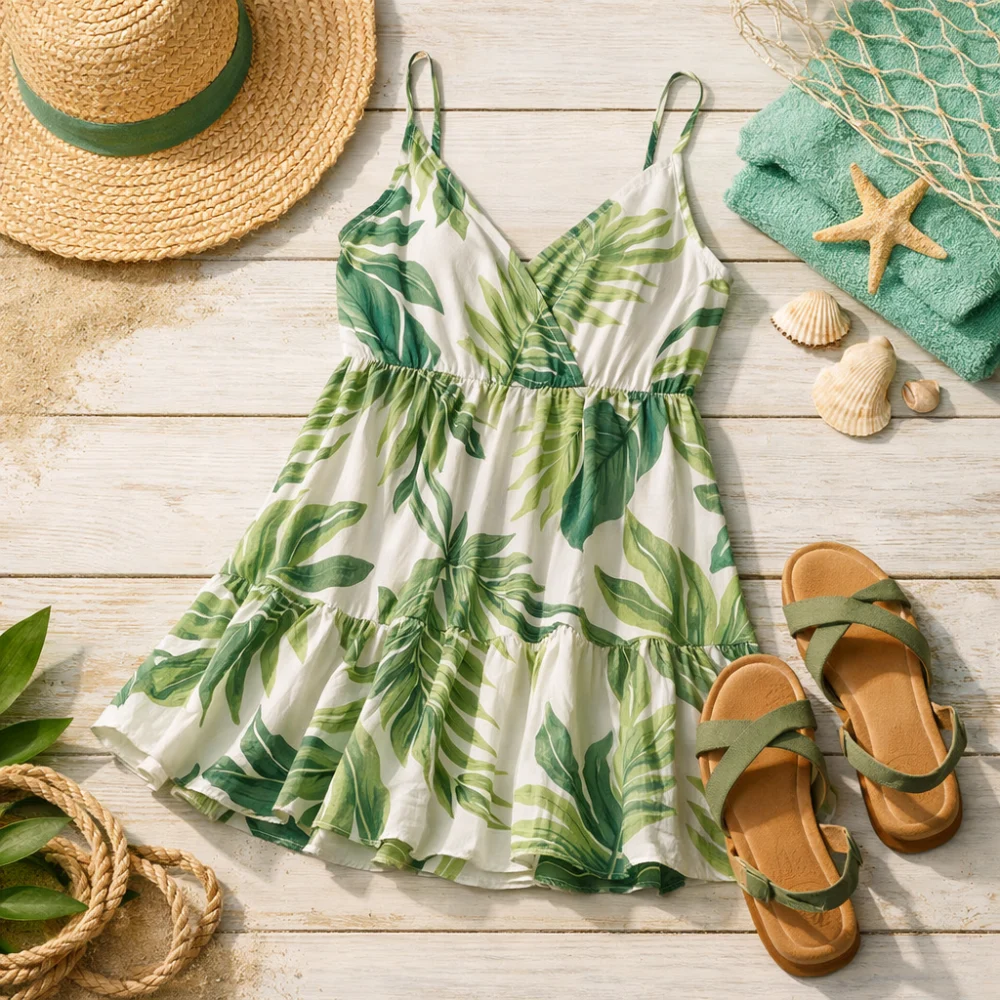
Women’s beach dresses are usually chosen for easy warm-weather wear near the coast, by the pool or on holiday, but the right option depends on how you plan to use it. Some buyers want a light layer to slip on over swimwear, while others want a dress that also works for sightseeing or casual meals.
The main decision is not just style. Comfort, coverage, fabric feel, length and ease of taking on and off can matter more than appearance once you are actually wearing it in hot weather.
Because this category can include different dress shapes and cover-up styles, it helps to compare what each option does well before deciding. Specifications vary by model, so always check the individual product page before buying.
What should you look for in a women’s beach dress?
The best starting point is how and where you will wear it. A beach dress that works well as a simple cover-up may be loose, light and easy to pack, while one meant for all-day wear may need a bit more structure or coverage. The most useful trade-off is usually between maximum airflow and more shaped styling.
Think first about fit, fabric feel, length and how quickly it can be worn over swimwear. Then compare practical details such as straps, sleeves, fastening style and whether the dress feels comfortable when damp or warm.
| Feature | What it means | Why it matters | What to check |
|---|---|---|---|
| Fit and shape | How loose, fitted or flowing the dress is | It affects comfort, airflow and how easily the dress layers over swimwear | Look for a shape that suits your preferred level of coverage and ease of movement |
| Length | Where the hem sits on the leg | Longer styles may feel more covered; shorter styles can feel cooler and lighter | Check whether the length suits your comfort level and intended use |
| Fabric feel | The way the material feels against skin and in warm weather | It influences comfort, breathability and how suitable the dress is for beach use | Read the product page for material details and care notes |
| Coverage | How much of the body the dress covers | Useful if you want a cover-up, a casual outfit or something in between | Check neckline, sleeve style and overall cut |
| Packability | How easy it is to fold, carry and store | Important for travel, day trips and beach bags | Consider whether the style looks simple to pack and quick to pull on |
Key decision criteria
Purpose: cover-up or casual dress
Some beach dresses are mainly for slipping over swimwear, while others are more like everyday summer dresses that also work near water. A cover-up style is usually about convenience and airflow. A casual day dress may give you a more finished look, but it can be less relaxed to wear over a swimsuit.
Fit and ease of wear
Beachwear is often chosen for comfort in warm conditions, so the fit matters more than people expect. A looser cut can feel easier in hot weather and over swimwear, while a neater fit may look more polished. The trade-off is that a more fitted style can feel less forgiving if you want to move, sit or layer it over a damp swimsuit.
Length and coverage
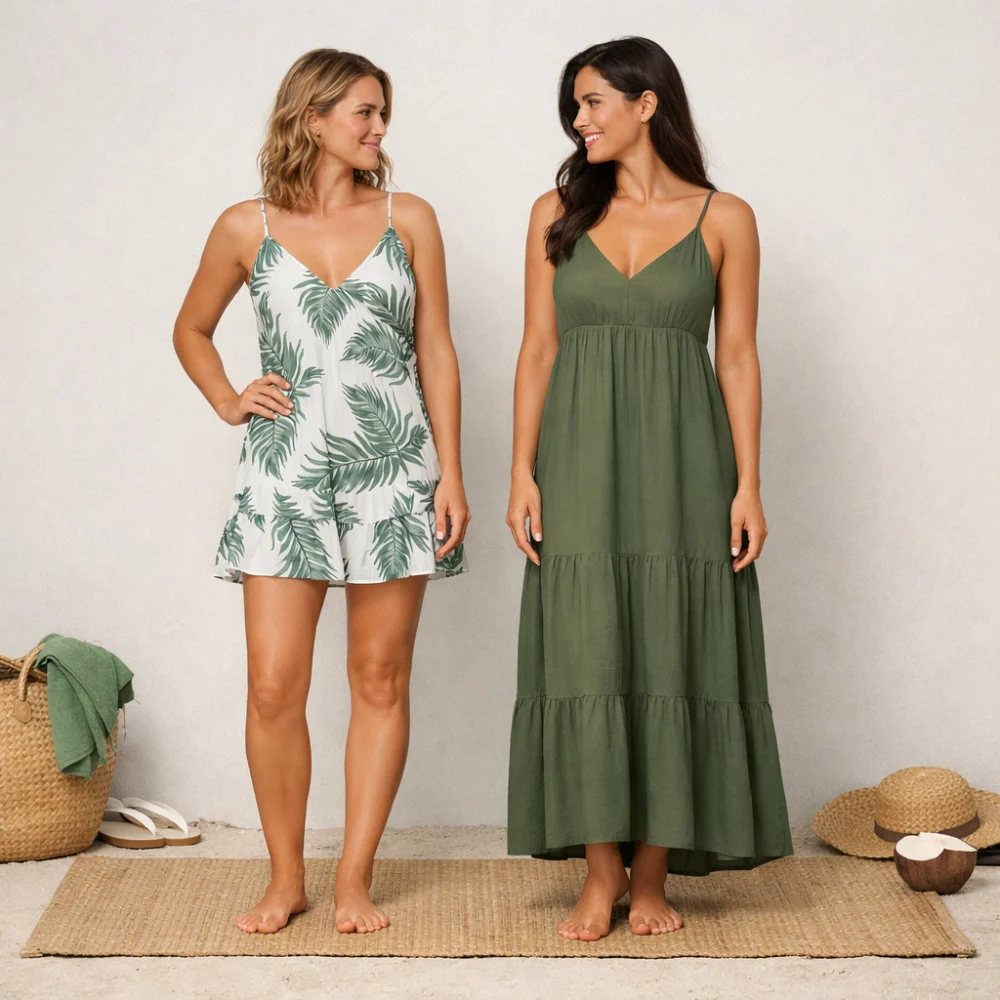
Length changes both comfort and appearance. Shorter styles can feel cooler and are easier to move in, but they may offer less coverage. Longer styles can feel more modest or versatile, yet they may be warmer in direct sun or take up more space in a bag.
Straps, sleeves and neckline
Small design details make a big difference in use. Thin straps can feel light and summery, while sleeves may offer a bit more coverage or sun protection to the shoulders and upper arms. A higher or lower neckline changes how open the dress feels, so it is worth checking if you prefer a more modest or more relaxed look.
Fabric and care
The fabric choice affects comfort, how the dress hangs and how easy it is to look after. Buyers often focus on style first, but care matters too if the dress will be packed, washed frequently or used on holiday. Read the product page for material and care information before deciding, especially if you want something that feels easy to maintain.
Types and variants within the category
Within women’s beach dresses, you will usually see a few broad style directions rather than completely different product classes.
- Cover-up dresses are designed for quick layering over swimwear and simple beachside use.
- Relaxed sundress styles are better if you want something that can also work away from the beach.
- More structured summer dresses may suit buyers who want a neater look, but they can feel less casual in very hot weather.
The right type depends on whether your priority is convenience, appearance or versatility.
Which beach dress suits different needs?
| Buyer need | What to prioritise | Why it helps |
|---|---|---|
| Beach and pool cover-up | Easy fit, quick on and off, light feel | Makes it simple to throw on over swimwear |
| Holiday outfit | Comfort, versatility, flattering shape | Helps the dress work beyond the beach |
| Hot-weather comfort | Loose cut, breathable feel, shorter or airy design | Can feel less restrictive in warm conditions |
| Modest coverage | Longer length, sleeves or more coverage at the neckline | Offers a more covered feel without needing extra layers |
| Light packing | Simple design, easy folding, minimal bulk | Helps the dress fit into a beach bag or suitcase more easily |
Common mistakes and misunderstandings
Choosing only by appearance. A dress may look ideal online but still feel wrong if the fit is too close, the length is awkward or the fabric is not suited to heat. Check the practical details first, then decide whether the style is right for you.
Assuming all beach dresses are the same. Some are intended as light cover-ups, while others are closer to casual summer dresses. That difference changes how easy they are to wear over swimwear and where they fit into your wardrobe.
Overlooking coverage. A style that seems relaxed in photos may sit differently on the body than expected. Look carefully at the neckline, arm opening, sleeve shape and hem length if coverage matters to you.
Ignoring care needs. A beach dress used frequently on holiday may need regular washing and easy storage. It is worth checking how much upkeep the material appears to need before you buy.
Safety and suitability caveats
Beach dresses are mainly a comfort and style choice, but suitability still matters. If you plan to wear one in strong sun, by the sea or around water, make sure the design feels practical for those conditions and does not become awkward when wet or windy. If you want more protection or more coverage, check the product page carefully rather than assuming a style will behave like another garment.
Maintenance, storage and lifespan considerations
Beach dresses are often used in warm, sandy or salty settings, so easy care can be useful. A dress that folds neatly, washes without fuss and dries in a sensible amount of time is usually easier to live with, especially on holiday. Storage is also worth thinking about if you want something that stays ready for trips rather than taking up wardrobe space.
How long a beach dress stays looking good depends on fabric choice, how often it is worn and how it is washed and stored. For that reason, care information on the individual product page is worth checking before you decide.
How to compare options efficiently
- Start with where you will wear it most often: beach, pool, holiday or casual daywear.
- Choose the level of coverage and fit that feels comfortable for you.
- Compare the dress shape, length and neckline against your practical needs.
- Check the material and care information so you know what ownership will be like.
- Read the individual product page carefully before buying, because details can vary from one dress to another.
Summary buyer decision checklist
- Does it suit your main use: cover-up, holiday wear or casual summer dressing?
- Is the fit loose or structured in the way you want?
- Is the length right for your comfort and coverage preferences?
- Do the straps, sleeves and neckline suit the amount of coverage you want?
- Does the material seem comfortable for warm weather and easy care?
- Will it be easy to pack, wear and store?
- Have you checked the individual product page for model-specific details?
Frequently asked questions
Are beach dresses only for wearing over swimwear?
No. Some are designed mainly as cover-ups, but many also work as casual summer dresses. The best choice depends on whether you want something purely practical or something you can wear in more than one setting.
What is the most important feature to check first?
Start with fit and intended use. If the dress will not feel comfortable over swimwear or in hot weather, the other details matter less. After that, check the length and coverage so you know how it will wear in real use.
Should I choose a shorter or longer beach dress?
Shorter dresses usually feel cooler and lighter, while longer dresses can feel more covered and versatile. The right choice depends on whether you prefer maximum comfort in heat or a bit more coverage.
How do I know if a beach dress will be easy to pack?
Look for a simple shape with less bulk and a fabric that appears suited to folding. If you are travelling, a dress that is quick to pull on and does not need careful styling is often the easiest option.
Can one beach dress work for both the beach and casual outings?
Yes, if it has a more versatile shape and coverage level. A dress that feels neat enough for casual wear but relaxed enough for the beach can be useful if you want fewer items in your holiday wardrobe.
What should I check if I want more modest coverage?
Check the neckline, sleeve style and hem length together, not just one detail. A dress can look fairly covered in one area but still feel open in another, so it helps to review the whole design.

