
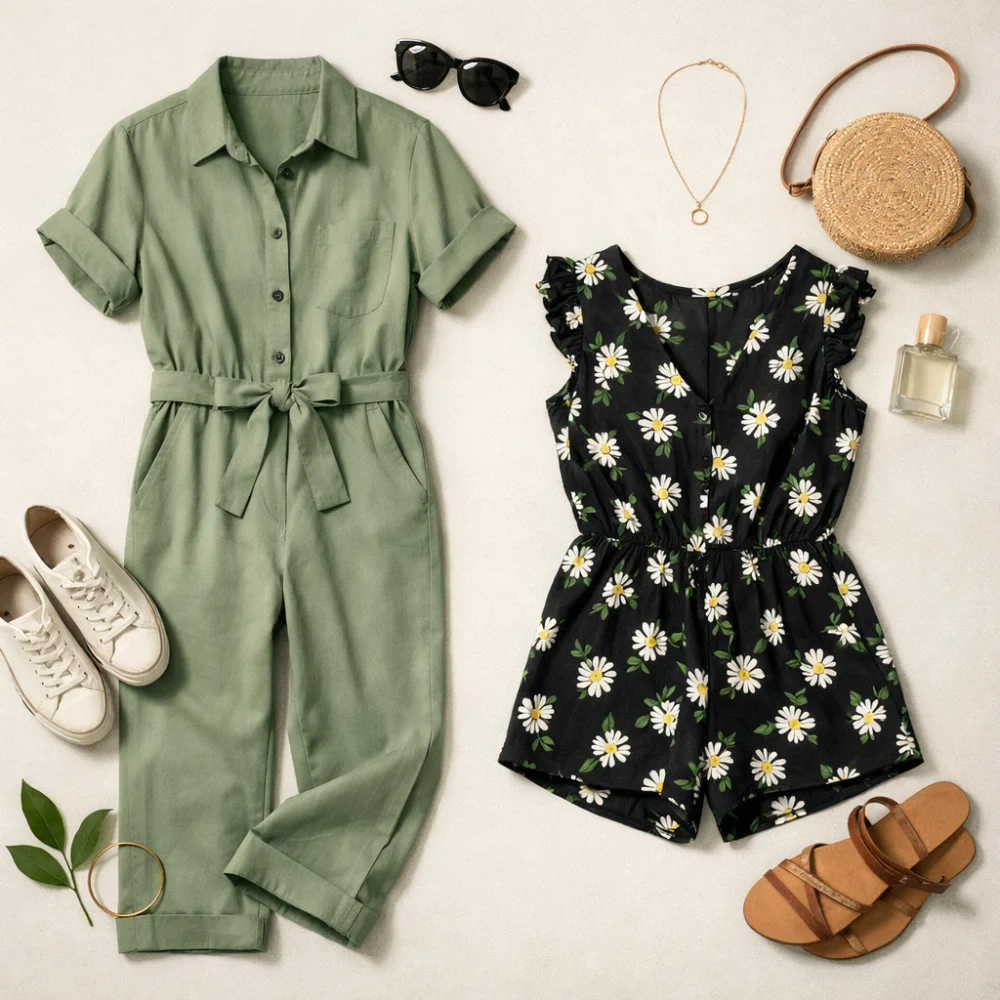
Women’s jumpsuits and playsuits are easy one-piece outfits that can work for relaxed daytime wear, holidays, casual evenings or simple event dressing. The main buying challenge is usually not whether you want a one-piece, but which shape, length and fit will feel comfortable and suit how you plan to wear it.
This guide focuses on the practical differences that affect comfort, coverage and ease of styling. It helps you compare options without getting distracted by details that matter less than the overall cut and finish.
What should you look for in a women’s jumpsuit or playsuit?
The best starting point is the balance between fit, fabric feel and the amount of coverage you want. A jumpsuit gives more leg coverage and can feel more polished, while a playsuit is usually lighter and easier for warmer weather or casual use. From there, check the neckline, sleeve shape, waist definition and leg or shorts length, because these have the biggest effect on comfort and appearance.
Specifications vary by model, so always check the individual product page before buying.
| Feature | What it means | Why it matters | What to check |
|---|---|---|---|
| Leg shape or shorts length | Whether the garment is a full-length jumpsuit or a shorter playsuit | Changes the level of coverage, warmth and how formal it feels | Length description, silhouette and how much movement you want |
| Waist definition | How the outfit shapes the waist area | Affects comfort, fit and whether the outfit feels relaxed or more structured | Tie waist, elasticated waist, belted styling or loose fit |
| Neckline and straps | The upper-body shape, such as V neck, wrap style, cami or sleeved cut | Changes support, modesty and how the outfit sits on the shoulders and chest | Neckline height, strap style and whether you are comfortable with the opening |
| Sleeve style | Whether the garment is sleeveless, short-sleeved or has fuller sleeves | Influences comfort in warm weather and the overall look | Arm coverage, shoulder fit and the impression you want |
| Fabric and drape | How the material hangs and moves on the body | Can affect breathability, comfort and how the outfit looks in motion | Product description, fabric notes and whether the finish looks soft or more structured |
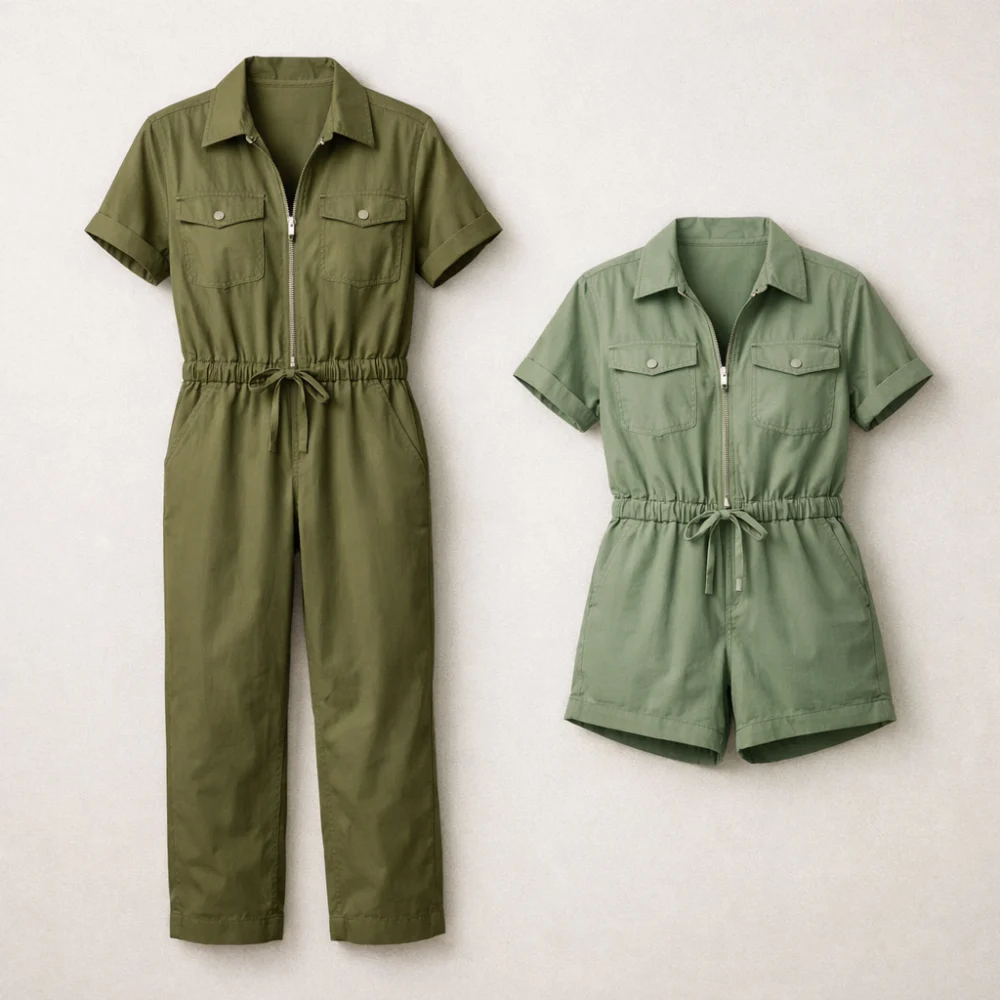
| Closures and fastening | How the garment is put on and adjusted | Useful for ease of dressing and fit adjustment | Zip, button, tie or pull-on design |
Key decision criteria explained
Fit and shape
Fit matters because one-piece garments leave less room to mix and match around the body. A relaxed cut can feel easier to wear for longer periods, while a more defined shape may look neater but feel less forgiving if you prefer extra ease. Think about whether you want a close fit, a loose silhouette or something in between.
Coverage and occasion
Jumpsuits and playsuits can serve very different purposes even though they sit in the same category. A longer style often feels more versatile for cooler conditions or slightly smarter occasions, while a shorts-based playsuit is usually better suited to warm weather and casual plans. Your intended use is often more important than the trend-led styling.
Comfort points that are easy to overlook
Check how the garment will feel when sitting, walking and moving your arms. Waist placement, leg width, neckline depth and sleeve shape can all affect comfort in ways that are not obvious from a product photo. If you are between sizes or prefer a looser feel, the cut description is worth reading carefully.
Detail level and styling
Small features such as ties, pockets, wrap fronts, ruffles or wide legs change the overall effect. They can make an outfit feel more relaxed, more dressed up or more flattering to your preference, but they also add visual detail that may not suit everyone. Simpler designs are often easier to style and layer.
Product types and variants
Within this category, the main variations are usually around length, sleeve style and overall silhouette. Full-length jumpsuits tend to suit buyers who want more coverage and a cleaner line, while playsuits suit buyers looking for something shorter and easier for warm weather. Wrap styles, tie waists and wide-leg shapes can create a different look from straight or fitted cuts, but they also change how much adjustment and movement you get.
Another useful distinction is between casual and more polished styling. A simple, loose design may work well for everyday wear, while a more shaped or detail-led option can feel more occasion-ready. The right choice depends less on the category name and more on how much structure, coverage and versatility you want.
Which style suits which buyer?
| Buyer need | Useful features | Main trade-off |
|---|---|---|
| Warm-weather casual wear | Shorter length, lighter feel, relaxed fit | Less coverage and potentially less versatility |
| Something that feels a bit smarter | Longer length, neater silhouette, simple detailing | May feel less casual or less airy |
| Comfort-first shopping | Loose cut, adjustable waist, easy fastening | May look less shaped |
| Styling flexibility | Plain design, neutral look, adaptable neckline | May feel less distinctive |
| Coverage preference | Long sleeves, higher neckline, full-length leg | Can feel warmer in hot weather |
Common mistakes and misunderstandings
- Choosing by style alone. A striking print or trendy shape does not guarantee a good fit. Check the cut, waist and neckline first.
- Assuming all one-piece outfits wear the same. A jumpsuit and a playsuit can feel very different in use, especially for sitting comfort and leg coverage.
- Ignoring fastening details. A design that looks simple may still be harder to get on or off if the closure is awkward.
- Overlooking proportion. Wide legs, cropped hems or shorter shorts can change how balanced the outfit looks on your frame.
- Forgetting the occasion. A piece that feels fine for the beach or garden may not suit a more polished setting.
Safety and suitability caveats
Because jumpsuits and playsuits sit close to the body, comfort and coverage are personal rather than universal. Check the neckline depth, leg length and sleeve shape if you want more modesty or ease of movement. If you are buying for a specific event or climate, make sure the style matches that use rather than relying on the product name alone.
Maintenance, storage and lifespan considerations
Care needs vary by fabric and finish, so it is worth checking the washing and drying guidance on each product page. Lighter fabrics, decorative trims and shaped waist details may need a little more care than simple casual styles. If you plan to wear the garment often, choosing a cut and fabric that suit regular washing and folding can make ownership easier.
How to compare options efficiently
- Start with the main use: casual wear, holiday use, warmer weather or a smarter outfit.
- Decide whether you want a jumpsuit or a playsuit based on coverage and comfort.
- Compare fit details such as waist shape, neckline, sleeve style and leg or shorts length.
- Check the fastening and fabric notes for ease of wear.
- Read the individual product page carefully before deciding.
Summary buyer decision checklist
- Do I want full-length coverage or a shorter playsuit?
- Is the fit relaxed, shaped or adjustable in a way that suits me?
- Will the neckline and sleeves feel comfortable for my intended use?
- Does the style suit the occasion I have in mind?
- Have I checked the fabric, fastening and care information?
Frequently asked questions
What is the difference between a jumpsuit and a playsuit?
A jumpsuit usually has full-length legs, while a playsuit has shorts. The choice is mostly about coverage, season and how you want the outfit to feel. If you want something breezier for warm weather, a playsuit may suit you better; if you want more coverage, a jumpsuit is the more natural starting point.
Are jumpsuits hard to wear?
They are usually straightforward once the fit is right, but the one-piece format means the details matter more. Waist placement, neckline and fastening can all affect comfort and convenience. A relaxed shape with an easy closure is often simplest for everyday wear.
What should I check for a flattering fit?
Focus on proportion rather than just the printed size label. The most useful checks are waist definition, leg width, neckline height and sleeve shape. A style that balances those elements well is often easier to wear comfortably and confidently.
Which style is better for hot weather?
In warm conditions, lighter-feeling playsuits and sleeveless or short-sleeved jumpsuits often feel easier to wear. Breathability and looseness matter as much as the length. If you want more coverage, look for a cut that still leaves enough room to move and stay comfortable.
Can one-piece outfits work for different occasions?
Yes, but the styling and cut make a big difference. A simple, well-shaped design can work for casual plans and slightly smarter settings, while a more relaxed or playful style is usually better kept informal. Think about where you will wear it most often.
Why do some styles feel more comfortable than others?
Small design choices affect comfort a lot, especially in a one-piece garment. A soft waist, easier fastening and less restrictive leg shape can make a big difference when sitting or moving. Specifications vary by model, so always check the individual product page before buying.

