
Pull Up Doorway and Gym Bars
Pull up doorway and gym bars are useful exercise equipment for building a practical strength training setup at home, in a garage, in a gym room or in a shared workout space. The right bar should suit your doorway, wall, ceiling, frame type, available space, bodyweight training goals and the safety guidance listed on the product.
At YPC, you can browse pull up doorway and gym bars for home workouts, upper body training, bodyweight routines, core exercises and compact fitness spaces. This category helps you compare bar type, mounting style, grip positions, weight rating, fit, installation needs, stability, storage and listed compatibility before choosing.
For help comparing pull up bar types, mounting approaches and suitability for different home environments, see our Pull Up Doorway and Gym Bars Buyers Guide.
- Pull Up Doorway and Gym Bars
Doorway Pull Up Bar Adjustable Multi Grip Chin Up Bar, Style 4
£14.29 *View On Amazon* - Pull Up Doorway and Gym Bars
Adjustable Doorway Pull Up Bar, 100 kg Capacity, Silver
£9.74 *View On Amazon* - Pull Up Doorway and Gym Bars
EVERGOODS Adjustable Doorway Pull Up Bar for Door Frames 75–94 cm
£15.59 *View On Amazon* - Pull Up Doorway and Gym Bars
EVERGOODS Adjustable Door Frame Pull Up Bar 75-94 cm, 200 kg
£15.99 *View On Amazon* - Pull Up Doorway and Gym Bars
Gravity Fitness Portable Pull-Up Bar Extension for Calisthenics Rack
£49.95 *View On Amazon* - Pull Up Doorway and Gym Bars
GALPADA 2-Pack Doorway Pull Up Bar Replacement Pads, Transparent Rubber
Original price was: £11.19.£9.09Current price is: £9.09. *View On Amazon* - Pull Up Doorway and Gym Bars
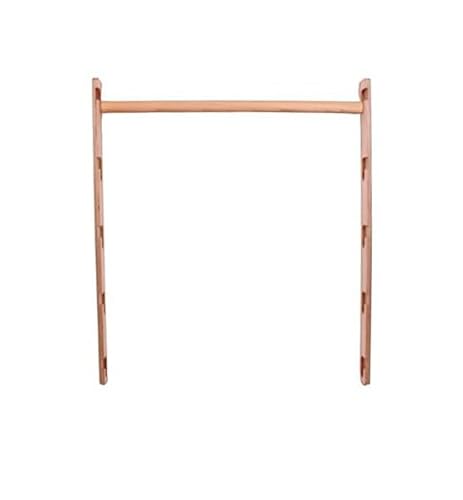
BearOnBar Adjustable Wooden Pull-Up Bar with Locking Mechanism
Original price was: £108.00.£102.34Current price is: £102.34. *View On Amazon* - Pull Up Doorway and Gym Bars
BearOnBar Adjustable Wooden Pull-Up Bar with 5 Height Settings
£94.00 *View On Amazon* - Pull Up Doorway and Gym Bars
BearOnBar Wooden Dip Bar and Door Frame Pull-Up Bar Set
£182.00 *View On Amazon* - Pull Up Doorway and Gym Bars
Purife 36″ White Wall Mounted Pull Up Bar with Carabiners
£45.84 *View On Amazon* - Pull Up Doorway and Gym Bars
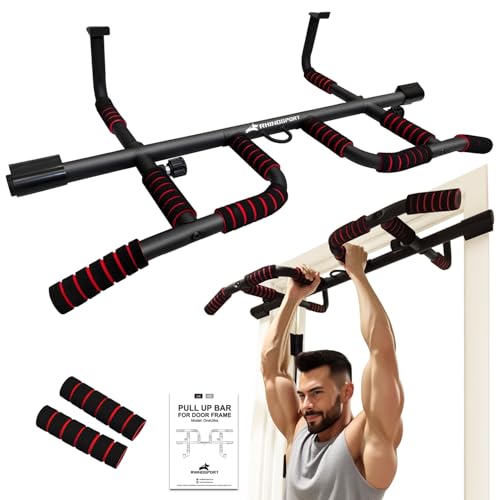
RHINOSPORT Doorway Pull Up Bar with 4 Grip Positions, 200kg Capacity
Original price was: £42.99.£36.99Current price is: £36.99. *View On Amazon* - Pull Up Doorway and Gym Bars
Adjustable Doorway Pull-Up Bar with Foam Grips, Silver
£11.49 *View On Amazon* - Pull Up Doorway and Gym Bars
SPORTNOW Pull Up Bar Doorway Chin Up Bar 70-97 cm
£19.99 *View On Amazon* - Pull Up Doorway and Gym Bars
Fitarc Heavy Duty Wall Mount Pull Up Bar for Doorway, Steel
£39.99 *View On Amazon* - Pull Up Doorway and Gym Bars
BESPORTBLE 3pcs Doorway Pull-Up Bar Protective Pads
£11.69 *View On Amazon* - Pull Up Doorway and Gym Bars
Sportneer Door Frame Pull Up Bar with Folding Handles
£39.99 *View On Amazon* - Pull Up Doorway and Gym Bars
Sportneer Adjustable Doorway Pull Up Bar with Locking Mechanism
Original price was: £29.99.£25.49Current price is: £25.49. *View On Amazon* - Pull Up Doorway and Gym Bars
Hop-Sport HS-M070DP Adjustable Door Pull-Up Bar 71-100 cm, up to 200 kg
Original price was: £41.99.£39.99Current price is: £39.99. *View On Amazon* - Pull Up Doorway and Gym Bars
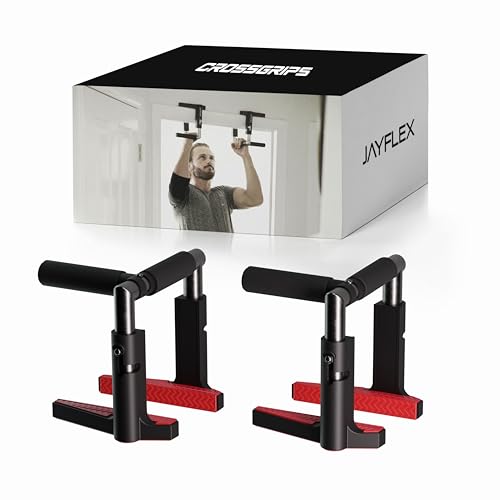
CrossGrips Door Frame Pull Up Bar for Home and Travel
£167.33 *View On Amazon* - Pull Up Doorway and Gym Bars
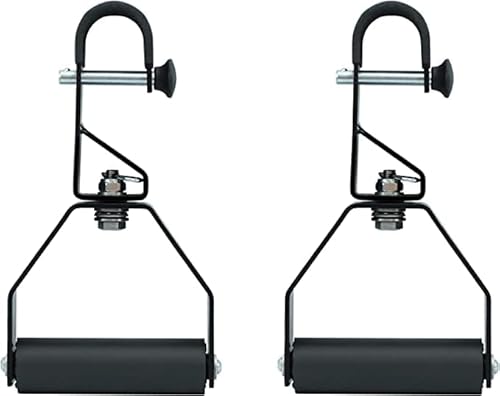
Yes4All Rotating Pull Up Handles for Chin Up Bar, Set of 2
Original price was: £12.65.£7.79Current price is: £7.79. *View On Amazon* - Pull Up Doorway and Gym Bars
Bodypower Door Gym Pull-Up Bar and Floor Workout Trainer
£17.99 *View On Amazon*










What Are Pull Up Doorway And Gym Bars?
Pull up doorway and gym bars are exercise bars designed to support bodyweight movements such as pull ups, chin ups, hanging holds and some core exercises where suitable. They can be fitted in doorways, mounted to walls, mounted to ceilings or included as part of a gym frame depending on the product.
Depending on the listing, products may include doorway pull up bars, screw mounted bars, wall mounted bars, ceiling mounted bars, multi grip bars, dip station style frames, free standing gym bars or compact home workout stations.
Because each design places force on a different surface or structure, it is important to check the product listing, installation instructions and suitability guidance carefully before use.
What Are Pull Up Doorway And Gym Bars Used For?
Pull up doorway and gym bars are used for bodyweight strength training, upper body workouts, grip training, hanging exercises and home fitness routines. They can support exercises that work the back, arms, shoulders and core where performed safely and correctly.
They are popular with people who want a compact way to train without needing large machines or heavy weights. A pull up bar can fit into a home gym routine alongside resistance bands, exercise mats, dumbbells and other fitness equipment.
Some bars are designed for quick home use, while others are more permanent fixtures for regular training. Always match the product to your space and experience level.
How To Choose The Right Pull Up Doorway And Gym Bar
Start by deciding where the bar will be used. A doorway bar may suit a rented home or small space where suitable, while a wall mounted or ceiling mounted bar may suit a more permanent home gym.
Next, check compatibility. Doorway bars need a suitable door frame, correct width and appropriate structure where listed. Wall and ceiling mounted bars need strong fixing surfaces and correct installation.
Also consider the exercises you want to do. A simple straight bar may be enough for pull ups and chin ups, while a multi grip bar may allow different hand positions where listed.
Key Features To Compare
When comparing pull up doorway and gym bars, look at mounting style, weight rating, grip type, grip width, bar diameter, frame material, fixing requirements, padding, storage design and listed safety guidance.
Weight rating is especially important. The bar must be suitable for the user and the type of movement being performed. Dynamic movement can place more force on the bar than simply hanging still.
Grip positions also matter. Neutral grips, wide grips, close grips and straight bar grips can all feel different and support different training styles where included.
Doorway Pull Up Bars Compared With Wall Mounted Bars
Doorway pull up bars are often chosen for convenience and compact use. Some designs can be fitted without permanent fixing where suitable, while others may use screw fittings or supports depending on the product.
Wall mounted bars are usually more permanent and may feel more stable when correctly installed to a suitable surface. They can also allow more movement space around the bar depending on placement.
The trade off is convenience and installation. Doorway bars may suit smaller spaces, while wall mounted bars may suit regular training areas where secure fixing is possible.
Wall Mounted Bars Compared With Ceiling Mounted Bars
Wall mounted pull up bars attach to a suitable wall and can be useful in garages, home gyms and workout rooms. They need a strong wall and correct fixings according to the product instructions.
Ceiling mounted bars attach overhead and may allow more space around the body where suitable. They can work well in dedicated gym rooms, but ceiling strength and fixing suitability are essential.
The better choice depends on the building, space and installation options. If you are unsure about fixing into walls or ceilings, seek suitable advice before installation.
Free Standing Gym Bars Compared With Fixed Pull Up Bars
Free standing gym bars or power tower style units can be useful where you do not want to drill into walls, ceilings or door frames. They may also include extra exercise options where listed.
Fixed pull up bars can take up less floor space and may feel more integrated into a home gym when correctly installed. However, they depend on suitable structure and fixing.
Choose free standing equipment if floor space and portability matter. Choose fixed bars if you want a permanent setup and can install safely.
Multi Grip Bars Compared With Straight Bars
Straight pull up bars provide a simple grip for pull ups, chin ups and hanging exercises. They can be useful for straightforward bodyweight training.
Multi grip bars offer different hand positions where listed. These may include wide, close, angled or neutral grips depending on the design.
The right choice depends on your routine. Beginners may prefer simplicity, while regular users may value grip variation for different exercises.
Pull Up Bars Compared With Resistance Bands
Pull up bars support bodyweight hanging and pulling exercises. They can be useful for strength training, but they require enough existing strength and safe technique.
Resistance bands provide lighter, adjustable resistance and can be used for warm ups, assisted pull ups, mobility work and strength exercises. They are easier to store and can support beginners.
Many users combine both. Resistance bands can help with progression towards pull ups, while a bar provides the fixed point for hanging and pulling movements where suitable.
Pull Up Bars Compared With Weight Training Equipment
Pull up bars use bodyweight as resistance. They are compact and can be effective for upper body and grip training when used safely.
Weight training equipment such as dumbbells, kettlebells and benches uses external resistance. It can support a wider range of movements and easier load adjustment.
The best choice depends on your training plan. Pull up bars are useful for bodyweight strength, while weights offer broader resistance options.
Beginner, Regular User And Experienced Buyer Guidance
If you are buying a pull up bar for the first time, focus on safe fit, suitable installation and manageable exercises. A bar is only useful if it can be fitted securely and used confidently.
Regular users may want to compare grip positions, comfort, clearance, weight rating, mounting strength and how well the bar works with resistance bands or other home gym equipment.
Experienced buyers may look more closely at frame design, fixing points, bar spacing, grip variation, installation surface, movement clearance and compatibility with more advanced bodyweight training where suitable.
Use Cases By Training Style
For pull ups and chin ups, a secure bar and comfortable grip are essential. The bar should allow enough headroom and body space for controlled movement.
For hanging knee raises or core exercises where suitable, check that there is enough clearance below the bar and that the product is listed for the intended movements.
For grip training, hanging holds can be useful, but the bar should feel stable and the user should progress gradually.
For assisted pull ups, resistance bands may be used with suitable bars where the product and band setup allow safe use.
Doorway Fit And Frame Compatibility
Doorway bars must match the doorway size, frame depth, trim shape and construction where listed. Not every door frame is suitable for every bar.
Some bars rely on pressure, leverage or frame support, while others require permanent fixings. Each design has different suitability needs.
Before buying, measure the doorway carefully and check the product guidance. Avoid using a doorway bar on weak, damaged, loose or unsuitable frames.
Wall And Ceiling Installation
Wall mounted and ceiling mounted bars need secure installation into suitable structures. This may involve masonry, timber studs, joists or other approved fixing points depending on the product and building.
The supplied fixings may not suit every wall or ceiling type. Always follow the product instructions and use appropriate fixings for the surface.
If you are unsure whether a wall or ceiling can support the bar and user load, seek advice from a suitable tradesperson before fitting.
Weight Ratings And Load Safety
Weight rating is one of the most important details for pull up doorway and gym bars. Check the maximum listed user weight and any movement guidance before use.
Remember that exercise movement can create extra force beyond bodyweight alone. Swinging, kipping or jerky movements may place more stress on the bar and fixings than slow controlled reps.
Do not exceed the listed rating, and avoid using the bar if the surface, frame or fittings do not feel secure.
Grip Types, Handles And Comfort
Grip comfort affects how usable a pull up bar feels. Some bars may include foam grips, rubberised grips, textured handles or bare metal grips where listed.
Foam grips can feel comfortable but may wear over time. Textured metal or rubber style grips may feel more secure for some users depending on preference.
Grip width and hand position should suit your shoulders and exercise style. A bar that forces an uncomfortable grip may not be suitable for regular use.
Space, Clearance And Room Layout
Pull up bars need enough space around them for safe movement. Check head clearance, leg clearance, ceiling height and nearby furniture before installation.
Doorway bars may limit movement because the door frame surrounds the user. Wall mounted and ceiling mounted bars may provide more space where fitted correctly.
Avoid placing bars near sharp edges, windows, low ceilings, hanging lights, shelves or obstacles that could be hit during exercise.
Stability And Movement Control
A pull up bar should feel stable before each use. Check that it does not shift, twist or move unexpectedly.
Controlled movement is safer and more effective than swinging. Smooth pull ups, chin ups and hanging exercises reduce unnecessary stress on the bar and fixings.
If the bar moves, creaks, loosens or damages the surface, stop using it and check the installation or product guidance.
Exercise Progression And Assisted Pull Ups
Many beginners cannot do full pull ups straight away. This is normal. Assisted pull ups, negative reps, hanging holds and resistance band support may help build strength where suitable.
Progress should be gradual. Increasing reps, reducing assistance or improving control can be more useful than rushing into difficult movements.
If you are unsure about technique, follow suitable coaching advice or use trusted training guidance.
Pull Up Bars For Home Gyms
Pull up doorway and gym bars are useful additions to home gyms because they do not require large machines and can support bodyweight exercises.
A home gym setup might include a pull up bar, exercise mat, resistance bands, dumbbells, kettlebells and storage accessories depending on space and goals.
Before choosing a permanent bar, plan the room layout carefully. Consider ceiling height, wall strength, floor space and how the bar will work with other equipment.
Pull Up Bars For Small Spaces
Doorway pull up bars and compact wall mounted bars can be useful in smaller homes, flats and shared spaces where large exercise machines are not practical.
Storage matters in small spaces. Some doorway bars may be removable where suitable, while fixed bars require a permanent location.
Make sure the bar does not block daily movement, damage surfaces or create a hazard in a frequently used doorway.
Pull Up Bars For Strength Training
Pull up bars can support upper body strength exercises using bodyweight resistance. Pull ups, chin ups and controlled hanging work can be part of a wider strength routine.
For balanced training, consider pairing pull movements with pushing exercises, lower body work, mobility and core training where suitable.
A pull up bar is useful, but it should be part of a safe and realistic training plan rather than the only piece of equipment used.
Pull Up Bars For Core Training
Some users use pull up bars for hanging knee raises, leg raises or controlled core exercises where the product and space allow.
These movements require grip strength, body control and safe clearance. They may not be suitable for every beginner.
Avoid swinging or uncontrolled movement. If the bar is not listed or suitable for these exercises, choose another training method.
Pull Up Bars For Mobility And Stretching
Hanging from a pull up bar may be used by some people as part of stretching or mobility routines where suitable. However, hanging places load on the shoulders, grip and joints.
Start carefully and avoid forcing movements. If you have shoulder, elbow, wrist, back or grip issues, seek appropriate advice before using a pull up bar for stretching.
A bar should never be used for hanging exercises if the installation or surface is uncertain.
Compatibility With Resistance Bands And Accessories
Some pull up bars can be used with resistance bands for assisted pull ups or other exercises where suitable. Check the product guidance before attaching bands or accessories.
The bar should be secure, and the band should be attached in a way that does not slip or damage the grip surface.
Other accessories may include grip gloves, chalk alternatives where suitable, exercise mats and storage hooks. Only use accessories that are appropriate for the bar and exercise.
Materials, Finish And Build Quality
Pull up doorway and gym bars may be made from steel, alloy, foam, rubber, plastic parts or mixed materials depending on the product.
Build quality affects strength, feel and long term use. Look at frame design, welds where visible, fixing points, grips, padding and finish details where listed.
A strong looking bar still needs correct installation and suitable surfaces. Materials alone do not guarantee safety.
Surface Protection And Door Frame Care
Some doorway bars may include padding or contact points to help reduce marks where listed. However, any bar that presses on a door frame can still cause marks, dents or damage if the frame is unsuitable or the bar moves.
Check product guidance and inspect the doorway before and after use. Avoid using bars on fragile, decorative, loose or damaged frames.
If you rent your home, consider whether the bar could mark surfaces or require fixing that needs permission.
Assembly And Setup Requirements
Some pull up bars need assembly before use, while others may be supplied as a single unit where listed. Wall and ceiling mounted bars usually require tools and careful fixing.
Read the instructions fully before fitting or using the product. Check that all parts are present and that bolts, grips and supports are secure.
Do not use the bar if any parts are missing, damaged, loose or incorrectly fitted.
Safety And Responsible Training
Safety should come before exercise difficulty. Always check the bar, fixings and surrounding area before use.
Avoid jumping onto the bar, swinging aggressively or using movements the product is not designed for. Use controlled technique and stay within the listed weight and use guidance.
If you feel pain, dizziness, unusual discomfort or loss of grip, stop exercising. Seek appropriate advice if you have health concerns, injuries or are new to strength training.
Children And Shared Household Use
Pull up bars are not toys and should not be used by children unsupervised unless the product is specifically listed as suitable and appropriate supervision is in place.
In shared homes, make sure everyone understands whether the bar is safe to use and how it should be used. Doorway bars should not be left in places where they create a hazard.
Check the bar regularly if more than one person uses it, as repeated use can loosen fittings or shift placement.
Care, Checks And Maintenance
Always follow the care instructions shown on the product listing or supplied manual. Pull up bars should be checked regularly for loose bolts, worn grips, bent parts, cracked padding or movement.
Wipe grips as needed to remove sweat and dust. Keep the bar dry where suitable and avoid exposing indoor bars to damp conditions unless the product is listed for that environment.
If a mounted bar loosens or a doorway bar shifts, stop using it until it has been checked and made safe.
Storage And Organisation
Some doorway bars can be removed and stored when not in use where suitable. Store them somewhere dry and safe, away from places where they may trip people or damage walls.
Fixed bars should be kept clear of hanging items unless the product is suitable for storage use. Do not use a pull up bar as a general clothes rail or storage rack unless clearly listed for that purpose.
Keep resistance bands, gloves and workout accessories organised nearby so training remains simple and tidy.
Useful Accessories To Consider
Pull up doorway and gym bars work well with practical fitness accessories. Resistance bands, exercise mats, gym gloves, towels, water bottles, storage hooks, floor protection mats and workout benches may all be useful depending on your routine.
For home gyms, dumbbells, kettlebells, skipping ropes, foam rollers and storage racks can help create a more complete training setup.
Choose accessories based on your current ability, available space and the exercises you actually plan to do.
Why Buy From YPC?
At YPC, we understand active lifestyles and the need for practical products that work in real use. Pull up doorway and gym bars should be suitable for your space, safe to install as directed and practical for the strength training routine you want to build.
This category helps you compare bar type, mounting style, grip positions, fit, weight rating, installation needs, clearance, stability, storage and listed safety guidance without overcomplicating the choice. Browse the pull up doorway and gym bars at YPC, compare the available options and choose the bar that suits your doorway, home gym, workout space or bodyweight training plan.
FAQs
What are pull up doorway and gym bars used for?
Pull up doorway and gym bars are used for bodyweight exercises such as pull ups, chin ups, hanging holds and some core movements where the product is suitable.
Are doorway pull up bars safe?
Doorway pull up bars can be safe when they are compatible with the doorway, fitted correctly and used within the listed weight and exercise guidance. Always check the product instructions before use.
Do pull up bars fit every doorway?
No. Doorway size, frame depth, trim shape and frame strength can all affect compatibility. Measure carefully and check the listing before buying.
Are wall mounted pull up bars better than doorway bars?
Wall mounted bars may feel more permanent and stable when correctly installed to a suitable surface. Doorway bars can be more convenient for smaller spaces. The best choice depends on your home and training needs.
What weight rating should I check on a pull up bar?
Check the maximum user weight and any movement guidance listed by the product. Do not exceed the stated rating, and remember that dynamic movement can place extra force on the bar.
Can I use resistance bands with a pull up bar?
Some pull up bars may be suitable for resistance band assisted exercises where listed. Check the product guidance and make sure the bar and band are attached safely.
Can pull up bars damage door frames?
Some doorway bars may mark or damage unsuitable, weak or delicate frames. Check frame compatibility, padding and product instructions before use, especially in rented homes.
How do I look after a pull up bar?
Check bolts, grips, fixings and frame contact points regularly. Keep the bar clean and dry, stop using it if it moves or loosens, and follow the care guidance shown on the product listing or manual.
 Getting ready for Summer? View our Home and Garden Products

Heading outdoors this winter? Take a look at our Outdoor Clothing.