
Resistance Bands
Resistance bands are flexible exercise bands used for strength training, stretching, mobility work, warm ups and home workouts. This category is ideal if you want compact fitness equipment for full body training, glute exercises, assisted pull ups, rehabilitation style movement, Pilates, yoga, functional fitness or gym accessories.
The right resistance band depends on your strength level, the exercises you want to do and how much tension you need. Light bands may suit warm ups and mobility, while stronger bands can be useful for strength exercises, pull up assistance and more demanding resistance training.
- Resistance Bands
Pink 6-Tube Pedal Resistance Band with Handles
Original price was: £12.99.£9.99Current price is: £9.99. *View On Amazon* - Resistance Bands
4-Colour Resistance Bands Set, 1.5 m, 4 Levels
Original price was: £9.99.£8.99Current price is: £8.99. *View On Amazon* - Resistance Bands
4-Level Resistance Bands Set with Door Anchor
Original price was: £10.98.£9.99Current price is: £9.99. *View On Amazon* - Resistance Bands
AMAZINGCRAFT Resistance Bands Set of 5 with 5 Resistance Levels
Original price was: £6.99.£5.99Current price is: £5.99. *View On Amazon* - Resistance Bands
TRENDE Essentials Resistance Bands Set with Handles, Door Anchor and Carry Bag
£17.99 *View On Amazon* - Resistance Bands
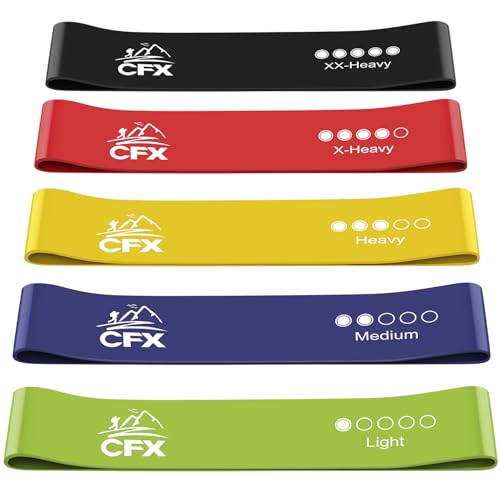
Utopia Fitness Loop Resistance Bands Set, 5 Latex Exercise Bands
£4.19 *View On Amazon* - Resistance Bands
AMAZINGHOME 5 Resistance Bands Set with Carry Bag and Guide
Original price was: £5.99.£3.99Current price is: £3.99. *View On Amazon* - Resistance Bands
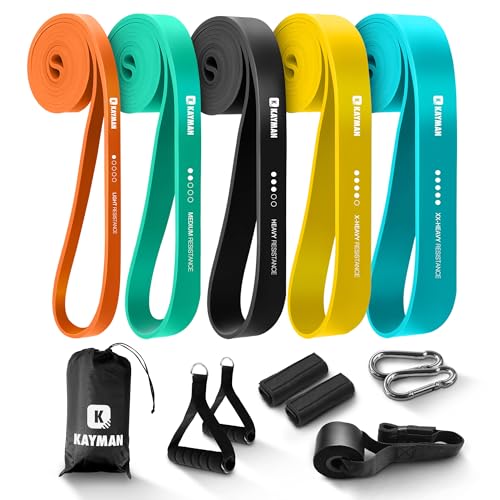
Kayman Long Resistance Bands Set, 5 Pack with Door Anchor and Carry Bag
Original price was: £21.98.£19.97Current price is: £19.97. *View On Amazon* - Resistance Bands
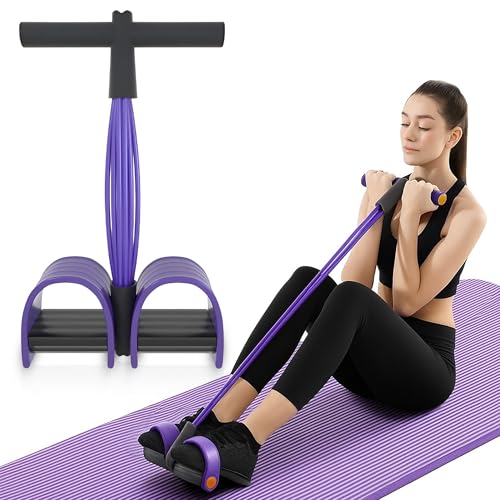
6 Tube Pedal Resistance Band Exerciser for Sit-up Training
Original price was: £13.95.£9.99Current price is: £9.99. *View On Amazon* - Resistance Bands
Meglio 2 m Black Latex-Free Resistance Band with Exercise Guide
£5.99 *View On Amazon* - Resistance Bands
Abdominal Trainer Full Body Trainer with 6 Tubes, Elastic Pull Rope (Purple)
Original price was: £9.99.£6.99Current price is: £6.99. *View On Amazon*








What Are Resistance Bands Used For?
Resistance bands are used to add tension to exercises. Instead of lifting a fixed weight, you stretch the band and work against the resistance it creates.
They can be used for squats, rows, presses, curls, pull aparts, glute bridges, lateral walks, shoulder warm ups, assisted pull ups, stretching and controlled strengthening exercises. They are popular because they are lightweight, easy to store and suitable for many home workout routines.
How To Choose The Right Resistance Bands
Start with your goal. If you want bands for warm ups, stretching or shoulder mobility, lighter resistance may be enough. If you want lower body training, glute work or strength exercises, medium or heavy resistance may be more useful.
Resistance level is one of the most important buying factors. A band that is too light may not challenge you enough, while a band that is too strong can make movement awkward and reduce control. Many people benefit from a set with several resistance levels.
Also think about band type. Loop bands, long bands, tube bands and fabric bands all feel different. The best option is the one that suits the exercises you actually plan to do.
Loop Bands, Tube Bands Or Long Resistance Bands?
Loop bands are closed bands often used around the thighs, ankles or wrists. They are popular for glute exercises, hip work, warm ups, lateral walks and lower body activation.
Tube bands usually have handles and can be useful for rows, presses, curls, shoulder exercises and general home workouts. Some sets include door anchors, which can add more exercise options if used safely.
Long resistance bands are versatile and can be used for stretching, assisted pull ups, mobility work, strength exercises and full body training. They are often useful if you want one band type for several different movements.
Fabric Bands Or Latex Style Bands?
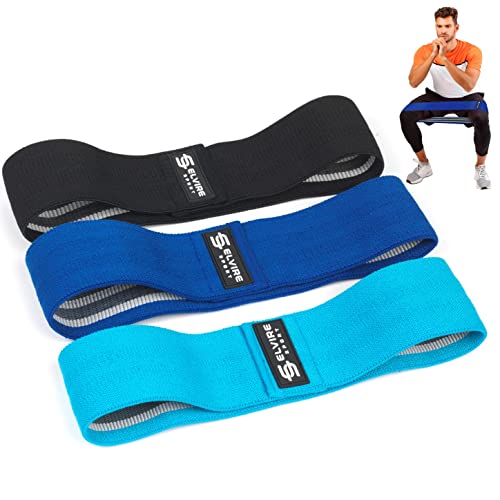
Fabric resistance bands are often used for glute and lower body exercises. They can feel comfortable against clothing and may roll or pinch less than some thin rubber bands during certain movements.
Latex style or rubber resistance bands are usually stretchier and more versatile for upper body, mobility, assisted pull ups and general strength training. They are available in many resistance levels and lengths.
If you have a latex allergy or sensitivity, check the product material carefully before buying. Latex free options may be more suitable, but the label should confirm this.
Key Features To Compare
When comparing resistance bands, look at resistance level, band type, length, width, material, grip comfort, handle design, anchor options, durability, storage bag and whether the band suits your main exercises.
For glute training, comfort and whether the band stays in place matter a lot. For assisted pull ups, strength, length and safe attachment are more important. For tube bands, handle comfort and anchor quality can affect how useful the set feels.
A storage bag can be handy if you train at home, at the gym or while travelling. Bands are easy to lose if they are not kept together.
Best For Glutes, Upper Body Or Pull Ups?
For glute training, fabric loop bands or thicker loop bands can be useful for hip thrusts, glute bridges, squats, lateral walks and warm ups.
For upper body training, tube bands with handles or long resistance bands can support rows, presses, curls, triceps extensions, shoulder work and back exercises.
For pull up assistance, long heavy resistance bands are usually the most relevant choice. They can reduce the amount of bodyweight you need to lift while you build strength.
Resistance Bands Or Free Weights?
Resistance bands are lightweight, portable and easy to store. They are useful for home workouts, warm ups, mobility and exercises where adjustable tension is helpful.
Free weights are better when you want a fixed load that is easier to measure and progress in small steps. Dumbbells and barbells can be more suitable for heavier strength training.
The trade off is portability versus load. Resistance bands are excellent for convenience and variety. Free weights are better for clear, heavy progression. Many training setups benefit from both.
Beginner, Home Gym User Or Regular Trainer?
Beginners should start with lighter bands and simple movements. A set with several resistance levels can help you progress gradually without jumping straight into heavy tension.
Home gym users may want a mix of loop bands, long bands and tube bands so they can train different body areas without needing large machines.
Regular trainers may use resistance bands for warm ups, mobility, assisted exercises, stretching, glute activation and adding variety to strength sessions. Bands are especially useful because they take up very little space.
Using Resistance Bands Safely
Check resistance bands before each use. Do not use bands that are cracked, split, frayed, overstretched or damaged, as they may snap during exercise.
Anchor bands only to strong, stable points and follow the product instructions. Do not stretch a band towards your face or release it suddenly under tension.
Start with controlled movements and a resistance level you can manage. If you feel sharp pain, numbness, joint discomfort or unusual symptoms, stop the exercise and seek suitable advice if needed.
Useful Accessories To Consider
Useful accessories can include exercise mats, door anchors, handles, ankle straps, pull up bars, foam rollers, gym bags, storage pouches and training gloves.
A door anchor can add exercise variety when used correctly with a suitable door and band set. An exercise mat can make floor work more comfortable. A storage pouch helps keep bands organised between workouts.
Choose accessories that match your exact bands and the exercises you plan to do.
Why Buy Resistance Bands From YPC?
At YPC, we understand active lifestyles and the need for practical fitness equipment that fits real routines. Resistance bands should be easy to use, comfortable, durable and suited to the way you actually train.
Browse the Resistance Bands range, compare the options and choose the band set that fits your strength level, workout space and training goals.
Resistance Bands FAQs
What are resistance bands used for?
Resistance bands are used for strength training, stretching, warm ups, mobility work, glute exercises, assisted pull ups, Pilates, yoga and home workouts.
Are resistance bands good for beginners?
Yes, resistance bands can be good for beginners because they are lightweight, affordable and available in different resistance levels. Start light and build up gradually.
Can resistance bands build muscle?
Resistance bands can support muscle strengthening when used with enough tension, good technique, progressive exercises, consistency and recovery.
What resistance band should I start with?
Start with a lighter band if you are new to exercise, warming up or doing mobility work. Use stronger bands only when you can control the movement properly.
What is the difference between loop bands and tube bands?
Loop bands are closed bands often used for glutes, hips and lower body work. Tube bands usually have handles and are often used for rows, presses, curls and general workouts.
Are fabric resistance bands better?
Fabric bands can feel more comfortable for lower body exercises and may stay in place better for some users. Rubber or latex style bands are usually more versatile for stretching and upper body exercises.
Can I use resistance bands for pull ups?
Yes, long heavy resistance bands can be used for assisted pull ups. Make sure the band is suitable for the exercise and attached securely before use.
Are resistance bands good for glute workouts?
Yes, loop bands and fabric bands are often used for glute bridges, hip thrusts, lateral walks, squats and warm ups.
Can resistance bands replace weights?
Resistance bands can replace weights for some exercises, especially home workouts and lighter strength training. Free weights may still be better for heavier, more measurable progression.
Do resistance bands snap?
They can snap if they are worn, damaged, overstretched or used incorrectly. Check bands regularly and replace any that show cracks, splits or weakness.
Are resistance bands safe to use at home?
They can be safe when used correctly. Choose the right resistance, check the band before use, anchor it securely and avoid stretching it towards your face.
What exercises can I do with resistance bands?
You can do rows, squats, glute bridges, lateral walks, curls, presses, pull aparts, triceps extensions, assisted pull ups, stretching and mobility exercises.
Are resistance bands good for travel?
Yes, resistance bands are excellent for travel because they are lightweight, compact and easy to pack. They can support simple workouts without needing large equipment.
How do I care for resistance bands?
Keep them clean and dry, store them away from sharp edges, heat and direct sunlight, and check them regularly for damage before use.
How many resistance bands do I need?
Many people benefit from a set with light, medium and heavy resistance levels. This gives more flexibility for different exercises and progression.
 Getting ready for Summer? View our Home and Garden Products

Heading outdoors this winter? Take a look at our Outdoor Clothing.