
Hydration Packs
Hydration packs are designed to help you carry water comfortably while keeping your hands free during outdoor activity. They are useful for cycling, running, hiking, walking, camping, festivals, trail days, gym training, commuting and active travel where easy access to water matters.
At YPC, you can browse hydration packs for different activities, distances and carrying needs. This category helps you compare pack capacity, water reservoir size, fit, straps, bite valve design, storage pockets, ventilation, cleaning needs and listed compatibility before choosing.
- Hydration Packs
8-Pack Bite Valve Replacement Mouthpieces for Hydration Bladders
£5.49 *View On Amazon* - Hydration Packs
CARAGO Running Vest with Zipper Phone Pocket and Bottle Holder
£6.99 *View On Amazon* - Hydration Packs
TSINGSA Hydration Running Vest with 500 ml Soft Flask
Original price was: £32.99.£21.57Current price is: £21.57. *View On Amazon* - Hydration Packs
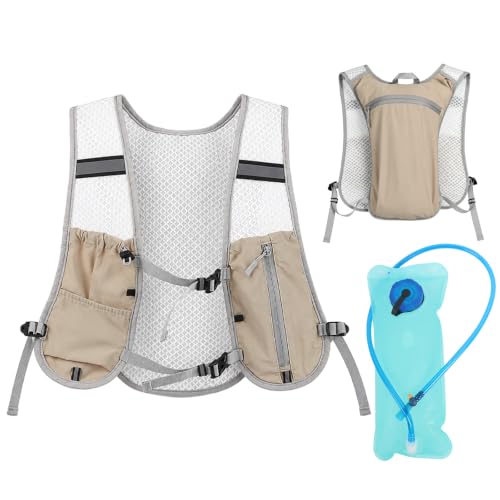
5L Running Vest with 2L Water Bladder, Khaki Hydration Backpack
Original price was: £14.49.£12.99Current price is: £12.99. *View On Amazon* - Hydration Packs
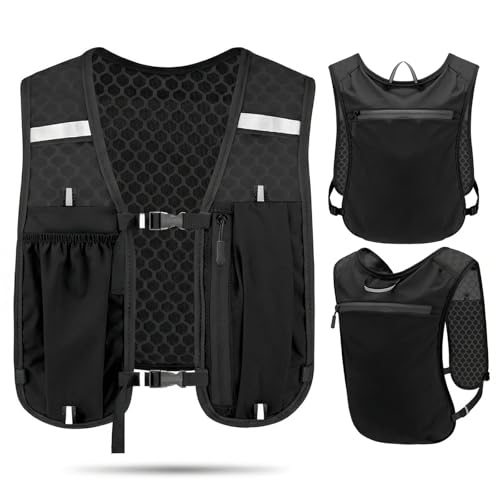
Unisex Running Vest with Phone Pocket, 3 Storage Compartments, Black
£8.99 *View On Amazon* - Hydration Packs
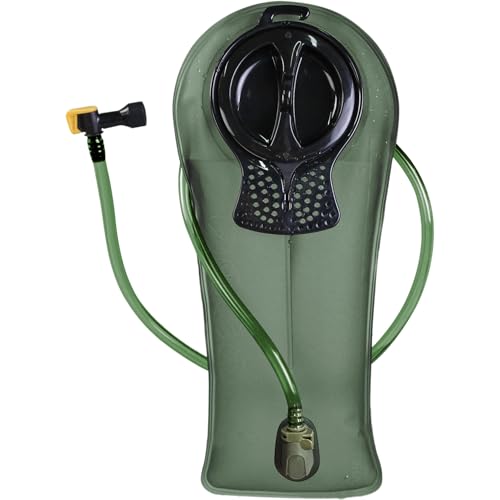
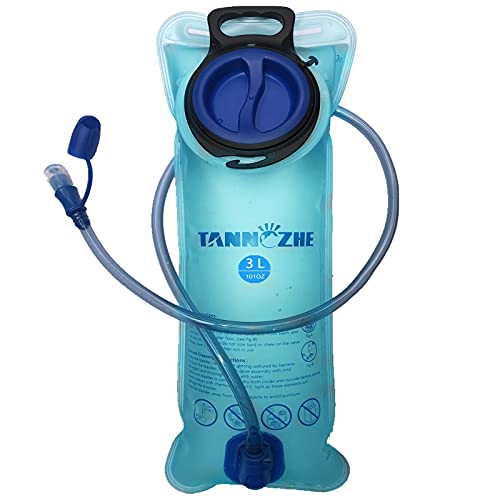
MARCHWAY 2L/3L TPU Hydration Bladder with Slide-Seal Wide Mouth
£18.99 *View On Amazon* - Hydration Packs
CAMELBAK Crux Lumbar 1.5L Reservoir
Original price was: £36.18.£33.99Current price is: £33.99. *View On Amazon* - Hydration Packs
HydraPak Contour 3L Hydration Reservoir with High-Flow Bite Valve
£45.00 *View On Amazon* - Hydration Packs
Ultimate Direction 1.5 L Hydration Bladder with Removable Hose
Original price was: £33.97.£26.99Current price is: £26.99. *View On Amazon* - Hydration Packs
4-in-1 Hydration Bladder Cleaning Set with Brushes and Drying Hanger
£8.95 *View On Amazon* - Hydration Packs
Vastitude 3-Piece Hydration Pack Tube Holder Clips for Backpacks
£5.59 *View On Amazon* - Hydration Packs
3-Pack Hydration Bladder Drinking Hose Tube Clips
Original price was: £4.99.£4.59Current price is: £4.59. *View On Amazon* - Hydration Packs
5L Running Vest with 2L Water Bladder Hydration Backpack Grey
Original price was: £14.49.£12.99Current price is: £12.99. *View On Amazon* - Hydration Packs
ERQUET 4-Piece Silicone Replacement Bite Valves for Hydration Bladders
Original price was: £3.99.£3.79Current price is: £3.79. *View On Amazon* - Hydration Packs
RAINSMORE Hydration Backpack with 2L Bladder and Helmet Holder
Original price was: £29.99.£25.48Current price is: £25.48. *View On Amazon*






What Are Hydration Packs?
Hydration packs are bags or vests designed to carry a water reservoir, often called a bladder, inside the pack. A drinking tube usually runs from the reservoir to the shoulder area so you can sip water without stopping or using a bottle by hand.
Depending on the product, hydration packs may include a water bladder, drinking tube, bite valve, chest straps, waist straps, storage pockets, breathable back panels, reflective details or helmet compatible designs where listed.
Some hydration packs are small and lightweight for running or cycling, while others include more storage for hiking, camping or longer outdoor days.
What Are Hydration Packs Used For?
Hydration packs are used to carry water during activities where stopping to open a bottle is inconvenient. They can be useful for mountain biking, road cycling, running, hiking, trail walking, long dog walks, outdoor work, camping and warm weather travel.
They allow you to sip small amounts regularly, which can be helpful during longer activity where carrying a bottle in the hand is awkward.
A hydration pack can also carry small essentials such as snacks, keys, phone, lightweight layers, tools, gloves or first aid items where the product includes suitable storage.
How To Choose The Right Hydration Pack
Start by thinking about the activity. Running usually needs a close fitting, lightweight pack or vest. Cycling may need a stable pack that sits well while leaning forward. Hiking may need more storage and comfort for longer wear.
Next, compare water capacity. Short sessions may only need a smaller reservoir, while longer walks or hot weather activity may require more water. Always check the listed bladder size before buying.
Also think about storage. A minimalist hydration pack may be ideal for fast activity, but it may not carry spare clothing, tools, food or outdoor essentials. Choose capacity based on the whole activity, not just water.
Key Features To Compare
When comparing hydration packs, look at reservoir capacity, pack volume, tube routing, bite valve type, strap adjustability, pocket layout, back ventilation, weight, materials, cleaning access and listed compatibility.
A comfortable fit is essential because hydration packs are worn close to the body. Shoulder straps, chest straps and waist straps should help keep the pack stable without rubbing or bouncing.
Cleaning is also important. Reservoirs, tubes and bite valves need proper care after use, especially when used with anything other than plain water where suitable.
Hydration Packs Compared With Water Bottles
Water bottles are simple, affordable and easy to clean. They work well for short walks, gym sessions, commuting, school bags and everyday use.
Hydration packs are more useful when you want hands free drinking during movement. They can carry water on your back and may feel more convenient during cycling, running, hiking or longer outdoor activity.
The trade off is simplicity and access. Bottles are easier to clean, while hydration packs make drinking on the move easier.
Hydration Packs Compared With Running Vests
Running vests are designed to sit very close to the body and reduce bounce during running. They often include front pockets for soft bottles, gels, snacks or small essentials where listed.
Hydration packs may feel more like small backpacks and can suit cycling, walking, hiking and general outdoor use. Some may also suit running where the fit and stability are suitable.
If you mainly run, compare running specific fit and bounce control. If you need a more general outdoor water carrying option, a hydration pack may be more versatile.
Hydration Packs Compared With Cycling Backpacks
Cycling backpacks can carry clothing, tools, laptops or commuting items depending on the product. Some may include hydration compatibility, but not all do.
Hydration packs are usually designed around easy access to water, with storage as an added feature. Smaller cycling hydration packs can be useful for trail riding, mountain biking and summer rides.
If you need to carry lots of kit, a cycling backpack may be better. If your main need is drinking while riding, a hydration pack may be more practical.
Small Hydration Packs Compared With Larger Hydration Packs
Small hydration packs are useful for short runs, rides, walks and warm weather activity where you only need water and a few small essentials. They are lighter and usually easier to wear for active movement.
Larger hydration packs can carry more water and extra kit. They may suit hiking, camping, longer cycling routes, trail days or outdoor work where spare layers, food and accessories are needed.
The right choice depends on distance, weather, activity and storage needs. Bigger is not always better if it adds bulk you do not need.
Hydration Bladders Compared With Soft Bottles
Hydration bladders sit inside a pack and connect to a drinking tube. They are useful for hands free drinking and can carry a useful amount of water depending on size.
Soft bottles are flexible bottles that can sit in pockets or vest fronts where suitable. They can be easier to refill and clean, but may not offer the same hands free setup unless the product is designed for it.
The better choice depends on activity. Bladders suit steady sipping on the move, while soft bottles can be useful for running vests, racing and easier refill points.
Beginner, Regular User And Experienced Buyer Guidance
If you are buying a hydration pack for the first time, focus on comfort, simple cleaning and a water capacity that suits your most common activity. A simple pack that fits well is usually more useful than one with features you do not need.
Regular outdoor users may want to compare tube routing, valve quality, pocket access, back ventilation, strap stability and how easily the reservoir can be removed and refilled.
Experienced buyers may look more closely at pack weight, storage layout, activity specific fit, bladder opening design, replacement parts, hose clips and compatibility with helmets, jackets or cycling kit where relevant.
Use Cases By Activity
For cycling, hydration packs are useful when you want to drink without reaching for a bottle. A stable fit, secure straps and comfortable back panel matter during riding.
For running, low bounce fit is important. A lightweight pack or running vest style design may be more suitable where listed.
For hiking and walking, storage space may matter as much as water capacity. Look for pockets that can hold snacks, layers, maps, gloves or small essentials where suitable.
For camping and festivals, hydration packs can help keep water accessible while moving around, especially in warm weather or crowded spaces.
Fit, Sizing And Comfort
Fit can vary between products, so check the size guidance shown on the listing. A hydration pack should sit securely without digging into the shoulders, rubbing the neck or bouncing excessively.
Chest straps can help stabilise the pack during active movement. Waist straps may help spread weight where included. Adjustable straps are useful when wearing different layers.
Try to match the pack shape to your body and activity. A pack that feels fine when empty may feel different when filled with water and kit.
Water Reservoir Capacity
Reservoir capacity affects how much water you can carry. Smaller reservoirs may suit short workouts, rides or walks. Larger reservoirs may be more useful for long routes, hot weather or places where refilling is difficult.
Carrying more water adds weight. A full reservoir can feel heavier than expected, especially during running or uphill walking.
Choose a capacity that matches your route, weather and refill options. For longer outdoor days, plan water needs carefully rather than relying only on pack size.
Pack Storage And Pocket Layout
Hydration packs vary in storage. Some are designed only for a bladder and small essentials, while others include larger compartments for extra kit.
Pockets may be useful for snacks, keys, tools, phone, gloves, lightweight jackets, pumps or first aid items depending on the product.
Think about pocket access. Cyclists and runners may prefer pockets that can be reached quickly, while hikers may prioritise larger storage and organised compartments.
Drinking Tubes, Bite Valves And Mouthpieces
The drinking tube allows water to move from the reservoir to your mouth. Tube routing should feel comfortable and should not flap around during movement.
A bite valve or mouthpiece controls water flow where included. Some may include shut off valves, covers or magnetic clips where listed.
Check whether the tube can be positioned on the side you prefer. A poorly placed tube can be annoying during longer activity.
Refilling And Cleaning Access
Refilling should be simple enough for the places you use the pack. Wide openings can make filling and cleaning easier where listed, while smaller openings may be more compact.
Cleaning matters because trapped moisture can cause unpleasant taste, odour or mould. Reservoirs, tubes and bite valves should be cleaned and dried according to the product instructions.
If you use sports drinks or electrolyte mixes where the product allows, cleaning becomes even more important than with plain water.
Materials, Durability And Everyday Use
Hydration packs may use lightweight fabrics, mesh panels, synthetic materials, plastic reservoirs, rubber style bite valves and adjustable straps depending on the product.
Durability matters if the pack will be used for mountain biking, trail running, hiking, festivals or frequent travel. Look at stitching, zip design, strap quality and reservoir construction where shown.
Lightweight materials can be comfortable, but very light packs may offer less structure or storage. Choose based on your activity and expected use.
Breathability And Back Ventilation
Hydration packs sit close to the back, so breathability can affect comfort. Mesh panels, airflow channels or ventilated straps may help reduce heat build up where listed.
For running and cycling, a hot or poorly ventilated pack can become uncomfortable during longer sessions.
For cooler weather or casual walking, ventilation may matter less than storage, fit and stability.
Stability, Bounce And Movement
Stability is important for active use. A hydration pack should stay close to the body without swinging, bouncing or sliding.
Running and mountain biking usually need more secure fit than casual walking. Adjustable chest straps, waist straps and shaped shoulder straps may help where included.
Avoid overloading a small hydration pack with heavy kit if it is not designed for that use. Extra weight can make movement less comfortable.
Compatibility With Cycling And Outdoor Kit
Hydration packs should work with the clothing and equipment you already use. Think about cycling helmets, jackets, base layers, waterproofs, gloves, backpacks, body armour where suitable and reflective clothing.
For cycling, the pack should not interfere with helmet movement or riding position. For walking, it should sit comfortably with outer layers and not restrict arm movement.
For cold weather, check that the tube remains accessible when wearing jackets, gloves or neck warmers.
Hydration Packs For Mountain Biking
Mountain biking often involves rough trails, movement and changing body position. A hydration pack for this use should feel secure and should not shift around during riding.
Storage for tools, snacks, spare tubes, pumps or lightweight layers may be useful where listed. A compact but organised pack can help keep essentials available.
Always choose a pack that suits the ride length, weather and kit you need to carry.
Hydration Packs For Running
Running hydration packs should be lightweight and stable. Bounce control is especially important because repeated movement can cause rubbing or distraction.
A close fitting vest style pack may suit some runners where listed. Front pockets can be useful for snacks, soft bottles or small items depending on the design.
For longer runs, check water capacity, storage and comfort over distance before relying on a pack for an event or remote route.
Hydration Packs For Hiking And Walking
For hiking and walking, hydration packs can make it easier to sip regularly without stopping. Storage may be needed for snacks, extra clothing, maps, phone, gloves and other essentials.
A larger pack may be more comfortable for longer routes, while a small hydration pack may suit short summer walks or local trails.
For remote or longer walks, a hydration pack should be part of a wider kit plan that includes suitable clothing, food, navigation and safety items where needed.
Hydration Packs For Festivals And Events
Hydration packs can be useful at festivals, outdoor events and long days out where carrying a bottle is inconvenient. They can keep water accessible while leaving hands free.
Before using one at an event, check the venue rules. Some venues may restrict liquids, bag sizes or reservoir use.
Choose a pack that is comfortable for long periods and easy to clean after dusty or busy environments.
Hydration Packs For Travel And Commuting
Hydration packs may be useful for travel, cycling commutes, walking commutes and active days out. Smaller packs can carry water and a few essentials without the bulk of a larger rucksack.
For commuting, think about storage for keys, phone, wallet, lights, repair kit or a lightweight jacket where suitable.
For travel, check whether the reservoir can be emptied and packed easily. Liquids may be restricted in some transport settings.
Safety And Sensible Hydration
Hydration packs can help you carry water, but they do not remove the need to plan properly. Water needs vary by weather, activity level, distance, body size and refill availability.
Do not wait until you feel very thirsty before drinking during long or hot activity. Small regular sips may be useful for many users, but individual needs vary.
For long routes, hot weather or remote areas, carry enough water and consider backup options where appropriate. A hydration pack should support safe planning, not replace it.
Water, Sports Drinks And Electrolytes
Many hydration packs are used with plain water. Some reservoirs may be suitable for sports drinks or electrolyte mixes where listed, but sticky or flavoured drinks require careful cleaning.
If using anything other than water, follow the product guidance. Some liquids may stain, leave residue or affect taste if not cleaned properly.
For regular sports drink use, cleaning tablets, brushes or a dedicated reservoir may be worth considering where suitable.
Hygiene, Taste And Odour Control
Hydration reservoirs and tubes can develop taste or odour if not cleaned and dried properly. This is one of the main care needs with hydration packs.
After use, empty the reservoir, rinse it and allow it to dry fully according to the instructions. Do not leave water sitting in the bladder for long periods unless product guidance allows it.
A clean pack is more pleasant to use and helps avoid unnecessary replacement.
Care, Cleaning And Drying
Always follow the care instructions shown on the product listing or supplied information. Reservoirs, drinking tubes and bite valves may need separate cleaning steps.
Cleaning brushes, drying hangers or cleaning tablets may be useful where suitable. The pack fabric may also need wiping or airing after sweaty or muddy use.
Avoid storing the reservoir damp and closed. Air drying is important for freshness.
Storage And Kit Organisation
Store hydration packs clean, dry and empty. Keep the reservoir open or dried according to the product guidance so moisture does not become trapped.
Store the pack with your cycling, running, walking or camping kit so it is easy to prepare before activity.
Before each use, check the reservoir, tube, bite valve, seams, zips and straps. Replace damaged parts where suitable and where spares are available.
Useful Accessories To Consider
Hydration packs work well with practical outdoor and fitness accessories. Water reservoirs, replacement bite valves, cleaning kits, tube brushes, electrolyte tablets where suitable, cycling tools, snacks, gloves, lightweight jackets and first aid items may all be useful depending on your activity.
For cycling, lights, helmets, repair kits and gloves may be useful. For hiking, walking socks, waterproof jackets, maps, head torches and compact snacks may help complete your kit.
Choose accessories based on your activity, distance and conditions.
Why Buy From YPC?
At YPC, we understand active lifestyles and the need for practical products that work in real use. Hydration packs should feel comfortable, carry enough water for your activity and support the way you move outdoors.
This category helps you compare water capacity, pack size, fit, tube design, bite valve style, storage pockets, ventilation, cleaning needs, activity suitability and listed features without overcomplicating the choice. Browse the hydration packs at YPC, compare the available options and choose the pack that suits your next ride, run, hike, walk, festival or outdoor day.
FAQs
What are hydration packs used for?
Hydration packs are used to carry water during activities such as cycling, running, hiking, walking, camping, festivals and outdoor training while keeping your hands free.
Are hydration packs better than water bottles?
Hydration packs are useful when you want hands free drinking on the move. Water bottles are simpler, easier to clean and may be enough for short or casual activities.
What size hydration pack do I need?
The right size depends on activity length, weather, refill options and how much extra kit you need to carry. Check both reservoir capacity and pack storage before buying.
Can I use a hydration pack for cycling?
Yes, hydration packs can be useful for cycling, especially when you want easy access to water without reaching for a bottle. Choose a secure fit that suits your riding position.
Can I use a hydration pack for running?
Some hydration packs are suitable for running where listed. Look for a lightweight, stable design with low bounce and comfortable straps.
How do I clean a hydration pack?
Follow the product instructions. Empty and rinse the reservoir, clean the tube and bite valve where needed, and allow everything to dry fully before storage.
Can I put sports drinks in a hydration pack?
Some reservoirs may be suitable for sports drinks where listed, but flavoured or sugary drinks need careful cleaning. Check the product guidance before using anything other than water.
How should a hydration pack fit?
It should sit securely against the body without rubbing, bouncing or restricting movement. Adjust shoulder, chest and waist straps where included for a stable and comfortable fit.
 Getting ready for Summer? View our Home and Garden Products

Heading outdoors this winter? Take a look at our Outdoor Clothing.