
Angle Grinders
Angle grinders are handheld power tools used for cutting, grinding, sanding, polishing and surface preparation with the correct compatible discs and accessories. They are useful for DIY, workshop tasks, metalwork, masonry work, construction, vehicle maintenance and general repair jobs, depending on the product and accessory fitted.
The right angle grinder should match the material, task, user experience and working space. Power source, disc size, handle comfort, guard design, speed control where listed, battery compatibility and safety features are all worth comparing before choosing.
- Angle Grinders
DEWINNER Cordless 76 mm Angle Grinder with 2 Batteries and Box
£39.99 *View On Amazon* - Angle Grinders
Cordless Angle Grinder, 125mm Brushless Angle Grinder, Equipped with 2× 2.0Ah Batteries, 6 Cutting Discs, 120,000 RPM, 21V Professional Power Tool, for Metal Cutting, Polishing & Grinding
Original price was: £64.99.£53.99Current price is: £53.99. *View On Amazon* - Angle Grinders
4 Pack 115mm Strip Discs for Angle Grinder – Paint & Rust Remover Wheels
£13.90 *View On Amazon* - Angle Grinders
Dong Cheng 1100W 115mm Angle Grinder with 2 Guards and 4 Discs
£39.99 *View On Amazon* - Angle Grinders
Fidylicere 3 Pack 115mm Segmented Diamond Cutting Discs
Original price was: £10.49.£7.63Current price is: £7.63. *View On Amazon* - Angle Grinders
papasbox 21V Cordless Angle Grinder 125mm Brushless with 5.0Ah Battery
Original price was: £35.99.£34.99Current price is: £34.99. *View On Amazon* - Angle Grinders
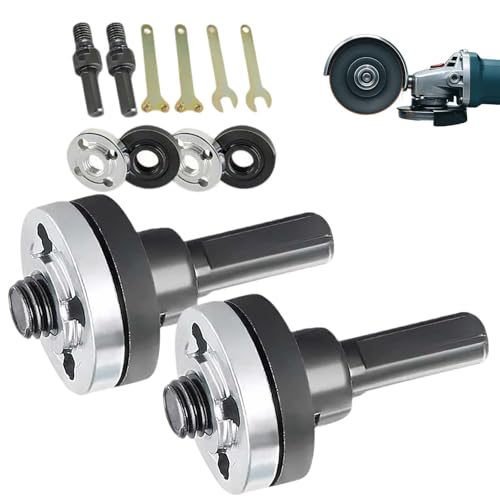
Angle Grinder Adapter for Drill with Replacement Nuts – 2 Sets
£6.99 *View On Amazon* - Angle Grinders
OX Trade Diamond Cutting Disc General Purpose – 115/22mm Twinpack
Original price was: £9.99.£7.09Current price is: £7.09. *View On Amazon* - Angle Grinders
DCA 115mm Corded Angle Grinder, 860W, 11,800 RPM
Original price was: £36.99.£31.59Current price is: £31.59. *View On Amazon* - Angle Grinders
DEKOPRO 230 mm 2200W Corded Angle Grinder with Soft Start
Original price was: £53.99.£43.60Current price is: £43.60. *View On Amazon* - Angle Grinders
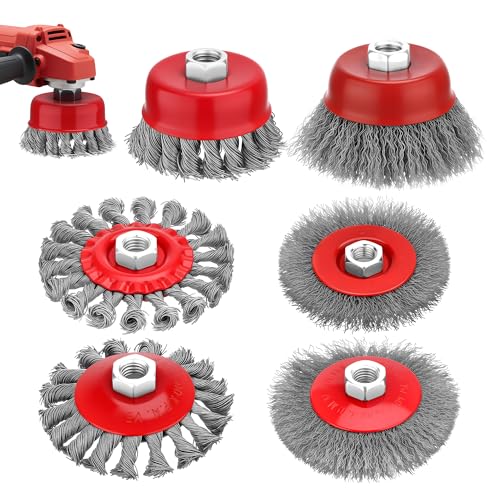
Draper Crimped Wire Wheel Brush 115 mm for Angle Grinders 08065
£8.16 *View On Amazon* - Angle Grinders
Bosch UniversalGrind 18V-75 Cordless Angle Grinder, 115 mm and 125 mm, Bare Tool
Original price was: £102.87.£86.99Current price is: £86.99. *View On Amazon* - Angle Grinders
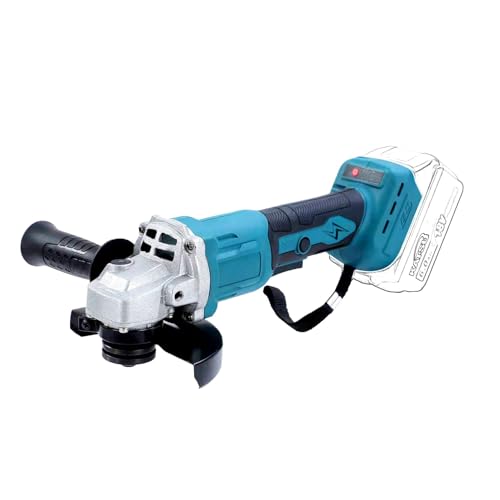
KATSU FIT-BAT Brushless Cordless Angle Grinder Body Only 115mm/125mm
£19.99 *View On Amazon* - Angle Grinders
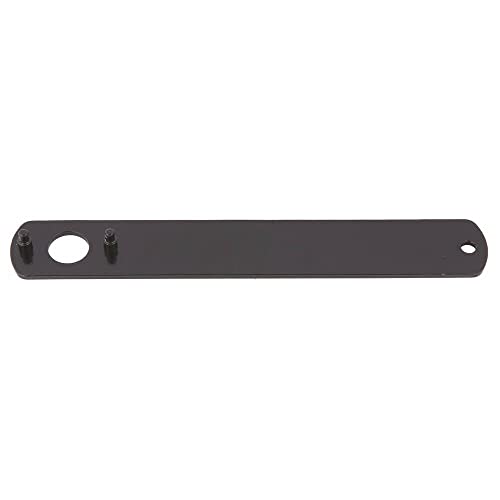
Makita Angle Grinder Lock Nut Wrench 35mm Pin Key Spanner
Original price was: £6.47.£5.53Current price is: £5.53. *View On Amazon*






What Are Angle Grinders?
Angle grinders are power tools with a rotating disc mounted at an angle to the handle. They are designed to work with suitable cutting discs, grinding discs, flap discs, sanding pads, wire brushes and polishing accessories where compatible.
Products in this category may include corded angle grinders, cordless angle grinders, compact grinders, larger grinders, bare tools, kits and models with different handle and guard designs depending on what is listed.
They are versatile tools, but they should be chosen and used carefully. The disc, tool and material must all be suitable for the job being carried out.
What Are Angle Grinders Used For?
Angle grinders are used for cutting metal, trimming bolts, grinding welds, preparing surfaces, removing rust, shaping masonry, cutting tiles, smoothing rough edges and cleaning metalwork, where the correct disc and product suitability allow.
For DIY users, an angle grinder can be useful for occasional cutting and repair jobs. For tradespeople and regular workshop users, it can become a key tool for preparation, cutting and finishing tasks.
They are also used in garages, fabrication work, building maintenance, landscaping and renovation projects. The exact use depends on the grinder, disc, material and user skill.
How To Choose The Right Angle Grinder
Start by thinking about the jobs you need to do. Smaller angle grinders can be easier to handle and may suit lighter cutting, grinding and home workshop use. Larger models may suit bigger tasks where the product is designed for that level of work.
Next, consider power source. Corded angle grinders can be practical for longer jobs where mains power is available. Cordless angle grinders offer more freedom of movement and can be useful on sites, in gardens, garages or places where cables are awkward, provided the battery system and runtime suit the task.
Also think about comfort and control. A tool that feels too heavy, awkward or difficult to hold can make work less accurate and less safe. Look at handle position, grip shape, guard adjustment, switch style and overall balance where listed.
Key Features To Compare
When comparing angle grinders, look at disc size, power source, motor type where listed, handle design, guard style, switch type, speed settings, spindle compatibility, weight and included accessories.
Disc size affects what the grinder can do and what accessories it can use. Always check the listed disc size and compatibility before buying discs or attachments.
Speed control may be useful on some models where listed, especially when using different accessories or working on materials that need more control. Not every grinder includes variable speed, so check the product information carefully.
Safety focused features may include restart protection, soft start, adjustable guards, side handles or tool free guard adjustment where listed. These details can make a grinder easier and safer to manage, depending on the task.
Corded Angle Grinders Compared With Cordless Angle Grinders
Corded angle grinders are often chosen for continuous use where mains power is close by. They can be practical for workshops, garages and longer sessions because there is no battery to recharge. The trade off is that the cable can limit movement and needs careful positioning.
Cordless angle grinders are useful when portability matters. They are easier to use away from sockets and can be practical for outdoor jobs, site work or quick tasks. The trade off is that battery runtime, charging time and battery compatibility need to be considered.
The better choice depends on how and where the tool will be used. A home workshop user may prefer corded simplicity, while someone working around a property or vehicle may value cordless freedom.
Guidance For Beginners Regular Users And Experienced Users
Beginners should choose an angle grinder that feels manageable, has clear safety features and suits simple tasks. It is important to learn safe handling, use the correct disc and avoid forcing the tool.
Regular DIY users may want to compare comfort, power source, accessory compatibility and durability more closely. A grinder used for repeated jobs should feel comfortable and practical over time.
Experienced users may look more closely at disc size, speed control, guard adjustment, motor design, battery platform and how well the grinder suits specific materials or job types.
For any user, the safest tool is the one that matches the task and is used with the correct accessories and protective equipment.
Use Cases By Task And Material
For metalwork, angle grinders can be used for cutting, grinding, deburring and surface preparation with suitable metal discs or accessories where compatible.
For masonry, tiles or concrete based tasks, check that the grinder and disc are suitable for the material. Dust control, correct disc choice and safe working position are especially important.
For vehicle maintenance, a compact grinder may be useful for rust removal, cutting small fixings or surface preparation, depending on access and accessory suitability.
For garden and outdoor repairs, cordless grinders may be useful where mains power is not convenient. Always keep the work area stable, clear and suitable for safe cutting or grinding.
For workshop use, a grinder can work alongside clamps, workbenches, vises, protective equipment and dust management accessories to create a more controlled setup.
Disc Compatibility And Practical Setup
Disc compatibility is one of the most important things to check. Angle grinder discs vary by size, thickness, material suitability, bore size and intended task. A cutting disc should not be used as a grinding disc unless the product instructions clearly allow it.
The disc should match the grinder and the material being worked on. Using the wrong disc can damage the tool, spoil the workpiece or create serious safety risks.
A secure workpiece is also essential. Use suitable clamps, a stable bench or proper support where needed. Avoid holding small or unstable materials by hand while cutting or grinding.
Make sure the guard is fitted and positioned correctly. The side handle should be used where supplied and suitable, as it can help with control.
Safety Care Maintenance And Storage
Angle grinders must be used responsibly. Always follow the manufacturer’s instructions for the tool, disc and accessory. Wear suitable eye protection, hearing protection, gloves, dust protection and clothing where appropriate for the task.
Check discs before use for cracks, chips, warping or damage. Do not use damaged discs. Make sure the grinder is unplugged or the battery is removed before changing accessories.
Keep sparks, dust and debris away from flammable materials, people, pets and delicate surfaces. Allow the disc to stop fully before putting the grinder down.
After use, clean dust and debris from the tool according to the product guidance. Store the grinder, discs and accessories in a dry, secure place, away from children and damp conditions. Keep discs flat or properly stored so they are not cracked, bent or damaged.
Useful Accessories To Consider
Useful accessories can include cutting discs, grinding discs, flap discs, sanding pads, wire brushes, polishing pads, spare batteries, chargers, tool cases, clamps, dust masks, safety glasses, hearing protection and work gloves where suitable.
For workshop use, a stable workbench, vice and suitable lighting can make cutting and grinding more controlled. For cordless tools, compatible batteries and chargers are important to check before buying.
For masonry or dusty work, dust extraction or suitable respiratory protection may be worth considering where appropriate and compatible.
Why Buy Angle Grinders From YPC?
At YPC, we understand active lifestyles and the need for practical products that work in real use. Angle grinders can vary by power source, disc size, handle design, weight, safety features, accessory compatibility and intended use, so comparing the details helps you choose with more confidence.
YPC helps you browse power tools with real DIY, workshop and trade needs in mind, whether you are buying for occasional repairs, metalwork, masonry tasks, vehicle maintenance or regular project work. Explore the Angle Grinders category to browse the available options and compare the features that matter most for safe, practical cutting and grinding.
FAQs
What are angle grinders used for?
Angle grinders are used for cutting, grinding, sanding, polishing and surface preparation with suitable discs and accessories. They are commonly used on metal, masonry, tiles and other materials where the product and disc are compatible.
What size angle grinder should I choose?
Choose the grinder size based on the task, material and disc compatibility listed. Smaller grinders can be easier to handle, while larger grinders may suit bigger jobs where the product is designed for that use.
Are cordless angle grinders worth considering?
Cordless angle grinders can be useful where portability and freedom from cables matter. Check battery compatibility, runtime, charger inclusion and whether the tool has enough capability for your intended tasks.
Can I use any disc on an angle grinder?
No. Discs must match the grinder size, bore, speed rating and intended material. Always check the grinder and disc information before use, and never use damaged or unsuitable discs.
What is the difference between cutting and grinding discs?
Cutting discs are usually designed for cutting through material, while grinding discs are designed for removing material from a surface. They should not be used interchangeably unless the product instructions clearly allow it.
Do angle grinders need guards?
Yes, the guard is an important safety feature and should be fitted and positioned correctly according to the tool instructions. It helps protect the user from sparks, debris and disc related hazards.
Are angle grinders suitable for beginners?
Angle grinders can be used by beginners, but they require care, suitable protective equipment and correct disc choice. Beginners should start with manageable tasks, read the instructions and avoid forcing the tool.
How do I look after an angle grinder?
Keep the grinder clean, dry and stored safely. Check the cable, battery, guard, handle and accessories regularly. Remove the battery or unplug the tool before changing discs, and follow the care guidance supplied with the product.
 Getting ready for Summer? View our Home and Garden Products

Heading outdoors this winter? Take a look at our Outdoor Clothing.